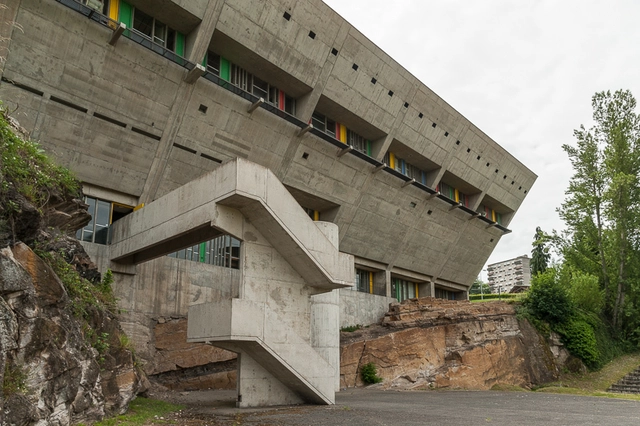
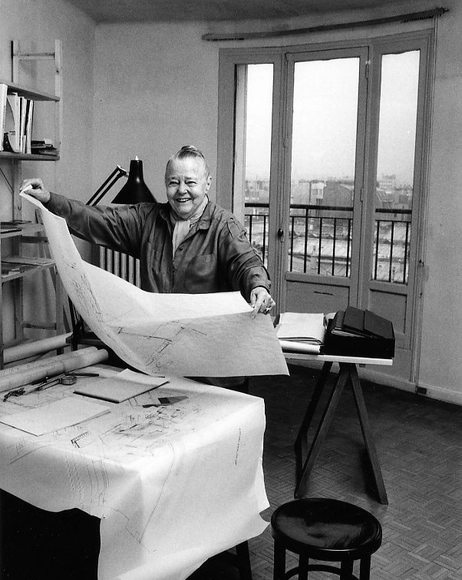
Le Corbusier was a pioneer of the Modernist Movement in architecture. Throughout his career, he undertook an array of projects all around the world. See below for 17 of his works that have been named World Heritage Sites by UNESCO, as well as many more of his other popular pieces. Hopefully, someday you get to go and see them yourself!
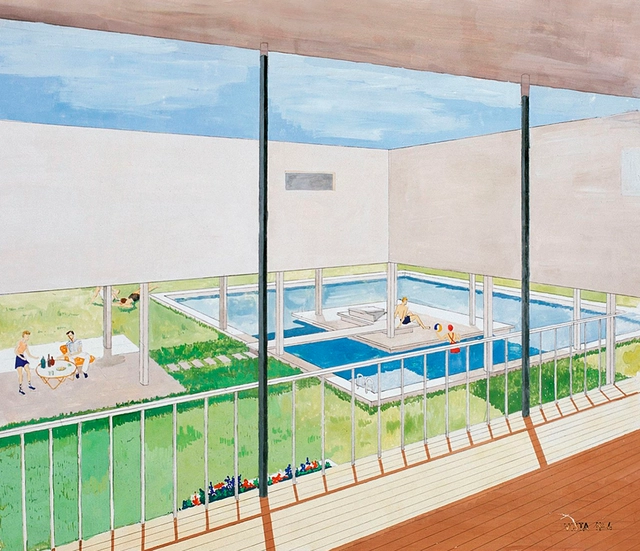
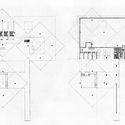
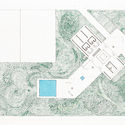
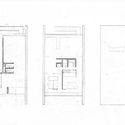
When we study Amancio Williams' work, it almost always centers on his emblematic Bridge House, built for his father in Mar del Plata between 1943 and 1946, or his technical role in Le Corbusier's Casa Curutchet. Of course, to study Williams is to confront several questions: Did he not design any other residential projects? What modernist ideas and concepts can we glimpse into his work? How did his work impact the development of Argentine architecture?
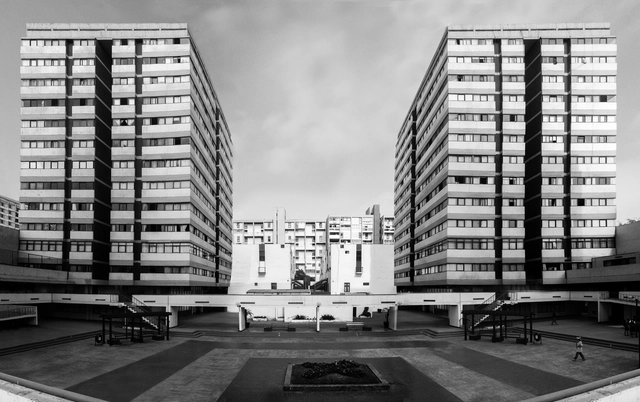
The San Felipe residential complex (Residencial San Felipe), designed and built by a team of architects from the National Housing Board between 1962-1969, is nestled on a 27 hectare lot in the Jesús María District in Lima, Peru. Dubbed as one of the most important infrastructure projects under President Fernando Belaúnde Terry, the housing complex is representative of the modernist ideology of the time that looked to traditional urban concepts to address the country's contemporary housing needs.
This guide is not a catalog. It is an open invitation to walk around the city and learn more about the architecture in Guatemala City.
The Guide to Modern Architecture in Guatemala City was written by Raúl Monterroso, Gemma Gil, and photographed by Andrés Asturias. In partnership with The Cultural Center of Spain in Guatemala, the guide addresses a descriptive analysis of 35 buildings, structured in five different routes, with the aim of not only synthesizing a series of physical characteristics but to provoke a reflexive, analytical and critical observation of the environment.
As Raúl Monterroso points out, while he shares five sites that every architect must visit, the goal is to introduce people to Guatemala's modern movement. It is an invitation to walk through the city and identify it with a different built heritage, however one that also shapes the landscape and fits into the urban context. Learn more about modern architecture in Latin America, below.
The modern movement was a key player in the cultural construction of Chile in the 20th century. Although the first projects came from the private sector, their urban and landscape principles were adopted by the modernizing project of the welfare state that began to be built after the social conflicts that exploded in the 1920s.
During chile's industrialization process, the State's housing construction incorporated concepts such as liveability, and universal access to housing and sanitation, which were put to the test early on in the reconstruction of cities such as Chillán after the 1939 earthquake. As Chile is a country that is familiar with earthquakes, it was necessary to readjust the concepts of the modern movement to national structural requirements, that is, resizing the reinforced concrete sections, which gave them a heavier visual expression than in Brazil or Argentina.
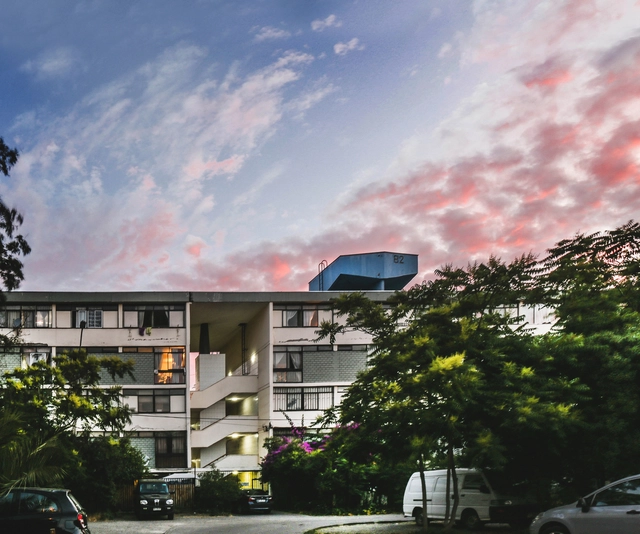
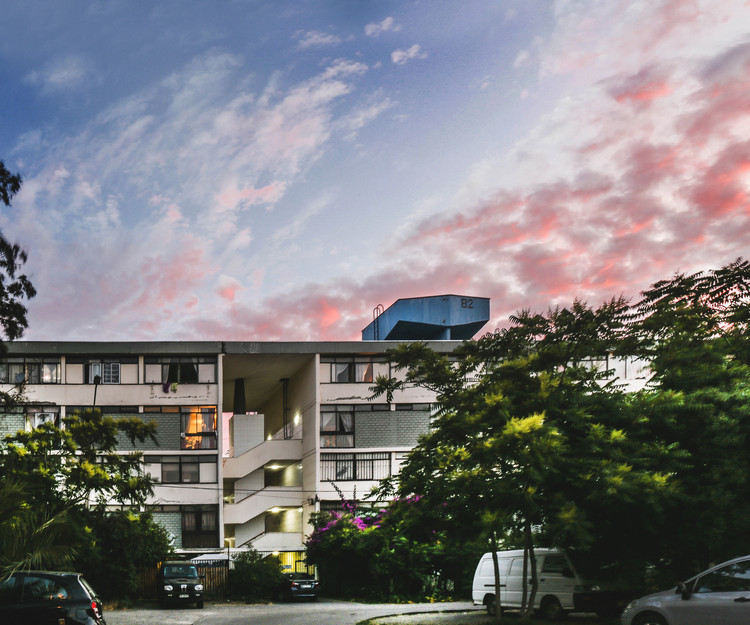
From the daring vision of Sergio Larraín García-Moreno and Jorge Arteaga in the Oberpaur building - the first of the modern movement - to the urban visions of BVCH in the Villa Portales, or the first exercises in height in the upper middle class sectors, the modern movement has left its mark on our society and in our cities. However, only one of the projects presented here is declared a historical monument.
In this edition of the architectural guides, we present you twenty chronologically ordered projects that reflect the evolution of the modern movement in Santiago, Chile.