Videos
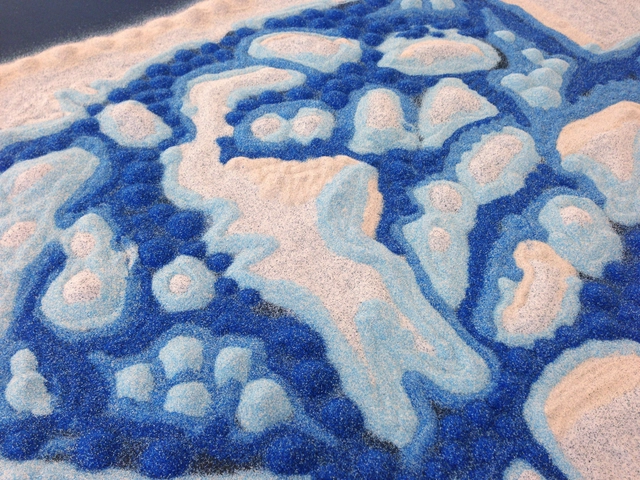
sand map detail / Courtesy of Gena Wirth + Alex Chohlas-Wood and Ben Mendelsohn
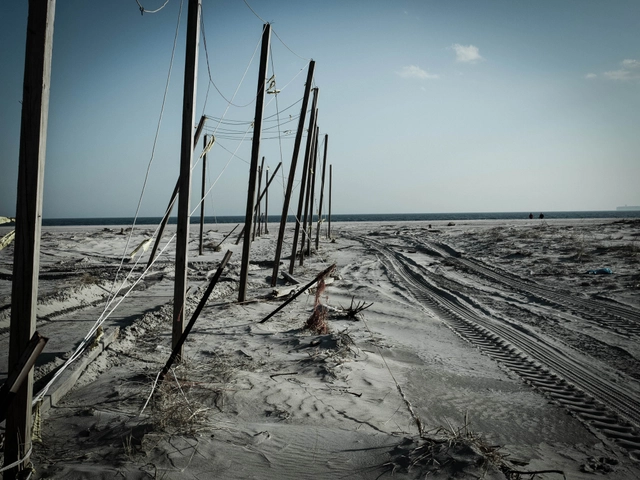
Designed by Gena Wirth, with Alex Chohlas-Wood and Ben Mendelsohn, their 'Protective Ecologies: Building Resilience in Jamaica Bay' proposal for the MOMA PS1 Rockaway Call for Ideas was recently announced as one of the selected entries. Their concept explores how constructed ecosystems could function as coastal infrastructure in the severely damaged neighborhoods of Jamaica Bay and the Rockaways. More images and architects' description after the break.
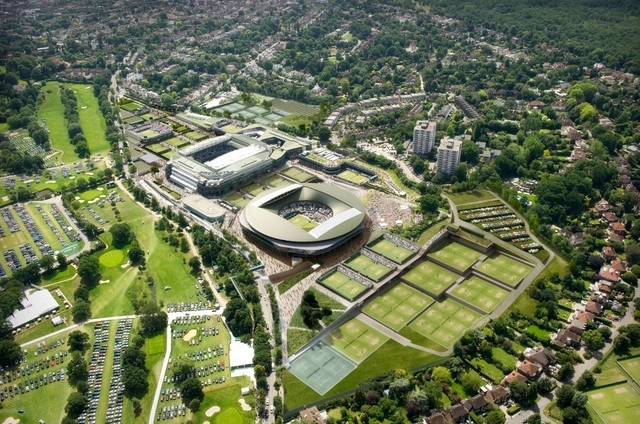
The All England Lawn Tennis Club has just unveiled this design proposal for the Wimbledon Master Plan developed by Grimshaw Architects, with top UK landscape architecture firm, Grant Associates. Marking the first step in a consultation process, the vision reflects and reinforces the long history of The Championships while further enhancing Wimbledon’s position as the premier Grand Slam tennis event. More images and architects' description after the break.
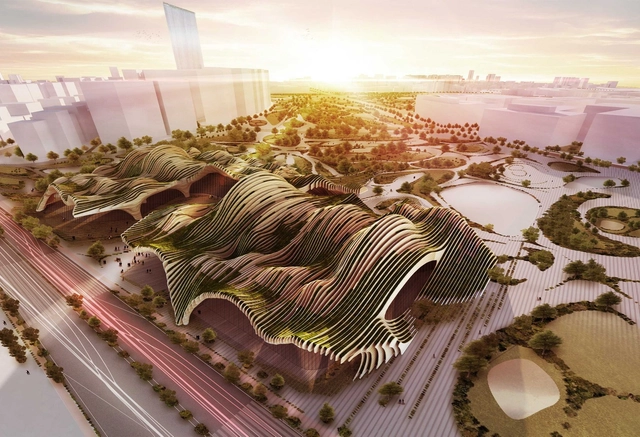
Designed by BAT, their proposal for the new City Cultural Center grows from the earth, with the strength of the sea and mountains, to show to the world how Taiwan is; how Taichung is. The design uses this strength to configure an astonishing landscape architecture able to project the cultural center internationally. More images and architects' description after the break.
With the main goal of facing the challenges of recovery in the coastal urban neighborhoods of the Rockaways, the 'Resilient Rockaways' proposal by Brennan Baxley takes precedents from dune formation and creation. In doing so, their concept provides a local opportunity to defend the coastline while aiding in the recreational and participatory design of dunes. Building with nature, small infrastructure, and community effort, the design encourages social resiliency as well as promote a healthy shoreline. More images and architects' description after the break.
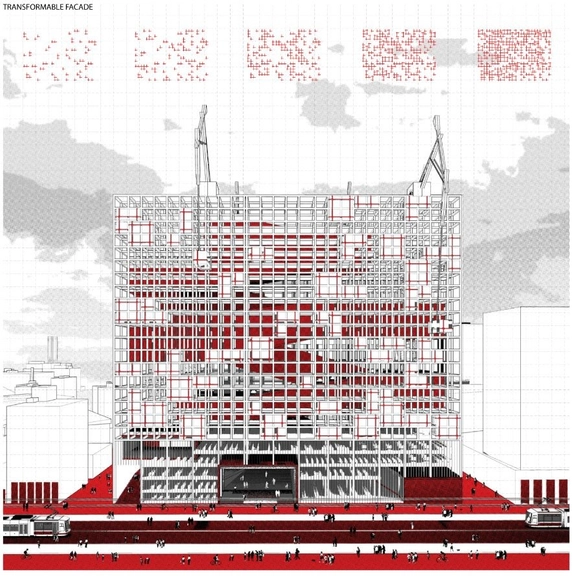
The Incubator Matrix: Live/Work/Play proposal for the Redesigning Detroit: A New Vision for an Iconic Site competition consists of a facility for a new industrial ecosystem to revitalize downtown Detroit. Designed by H Architecture, their design is a live/work station for high-tech start-up companies and creative young artists to continuously challenge each other and spark innovation. More images and architects’ description after the break.
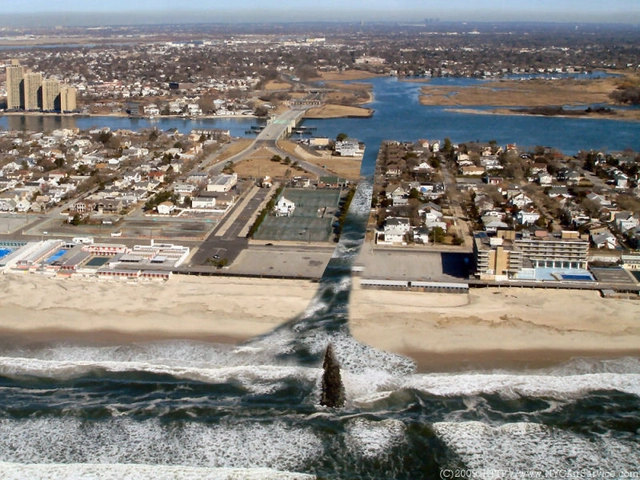
The ‘Far Rockaway: Accommodating Nature’ proposal by archedesign for the MOMA PS1 Rockaway Call for Ideas accommodates nature, instead of fighting it. Selected as one of the winning entries, the concept both creates a more fluid connection between the urban neighborhood and the surrounding water, and helps to minimize future environmental damage. It does this by re-purposing the concrete structures remaining from the dilapidated boardwalk, and creating pathways that will channel surge water to flow between the ocean and the bay. More images and architects’ description after the break.
The Brooklyn Queens Expressway (BQE) cuts through myriad neighborhoods on its route between Queens and Brooklyn. Sometimes it takes the form of an elevated six-lane highway with nothing but dark parking lots below; sometimes as a deep trench that segregates neighborhood pockets. The Cross Bronx Expressway in the South Bronx similarly creates boundaries, isolating neighborhoods from each other.
Projects such as these, built under the heavy handed politics of Robert Moses in the mid-20th century, show little regard for community development. The effects of these projects can be seen today; the spaces below the highway overpasses of New York City tend to be dark, dingy places that we avoid or rush past. They’re perceived as "lost space" within the city, yet they have an innate potential to be much more.
The Design Trust for Public Space, a non-profit dedicated to promoting public space, sees that potential. With their new project, Under the Elevated: Reclaiming Space, Connecting Communities, they hope to take these “lost” spaces and turn them into safe and exciting venues that will, at long last, reconnect long-separated communities.
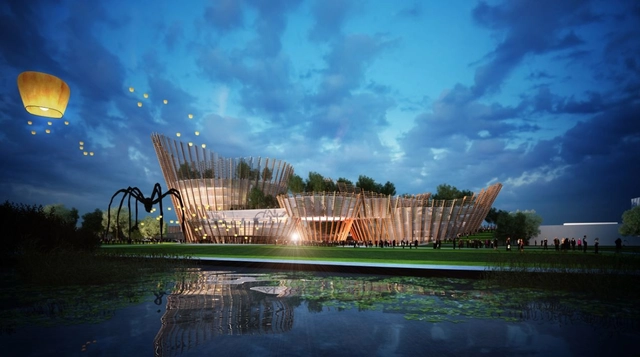
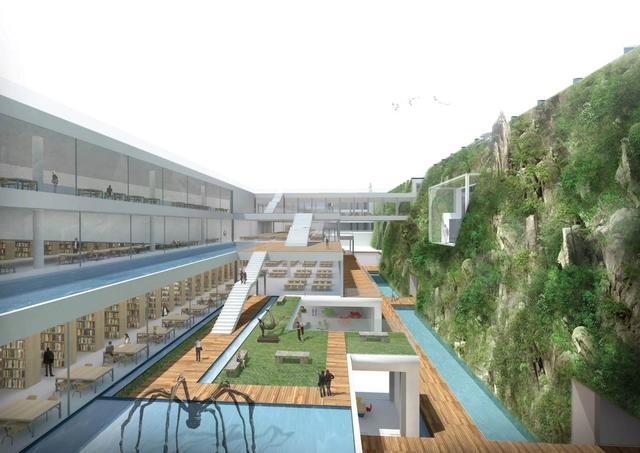
The condition for this proposal by Hyunjoon Yoo Architects for the Taichung City Cultural Center competition is very unique and original since two distinct buildings, library and fine arts museum, should coexist in one site. For the architectural design that fulfills this exclusive condition, the architects applied the notion of "Taiji", the verity of yin and yang that has existed since the ancient era of Chinese history. In this new design, the spatial arrangement of library and art museum are planned to confront and interact at the same time, giving the positive effect to each other. More images and architects’ description after the break.
Those of us associated with the building of cities are often asked to do tricky things. Build a 632-meter-high skyscraper and give it the world’s tallest and fastest single elevator, traveling at speeds of more than 40 mph so folks can soar to the top in fewer than 40 seconds with no transfers. Build a data center in Houston that makes its own electricity (handy during a hurricane) and turns rain water into an asset. Design an office building that makes people happy to come to work.
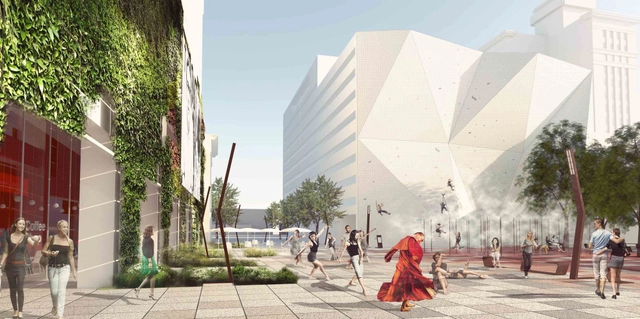
But one of the biggest challenges facing us today requires, perhaps, one of our best magic tricks of all time: Creating open space when there seems to be none left.
How do we give people in cities public spaces (parks, gardens, squares, even wide tree-lined streets) to gather and room to breathe in our increasingly built-up and built-out urban environments?
More on David Gensler's thoughts on reutilizing public space, after the break...
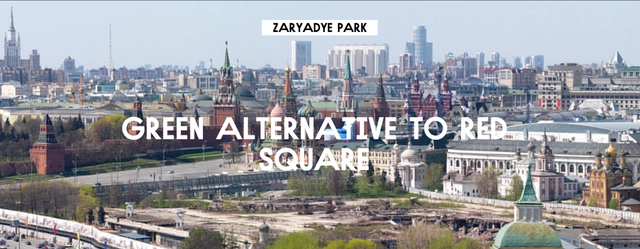
In the 20th century, it was going to be the site of the world's tallest skyscraper, but it became the world's largest hotel. In 2006, the hotel was replaced with a fence, the largest advertising space in all of Europe, enclosing acres of undeveloped, highly valuable land. In 2014, it will become Moscow's first - and most important - park in over 50 years.
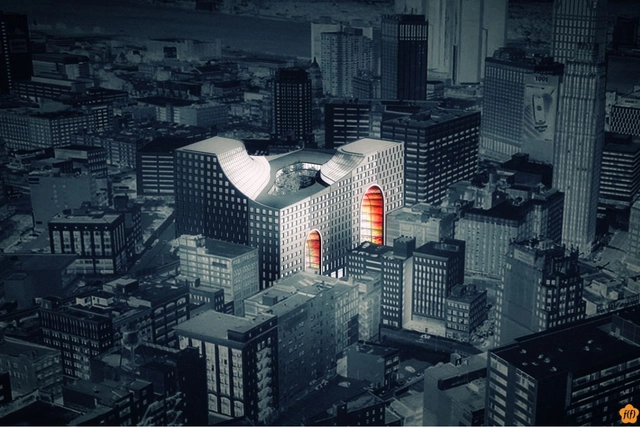
Davide Marchetti Architetto shared with us his first prize winning proposal, titled ‘Minicity Detroit,’ for the Redesigning Detroit: A New Vision for an Iconic Site competition. Utilizing the surrounding urban fabric as the generator for a new vision of the city, their concept directly responds to the site and its place in the city by bringing the existing physical form and history into the site. More image and architect’s description after the break.
Proposing a connective and activated public realm for the two blocks of Sixty Nine and Seventy in Salt Lake City, this design by Op.Nfor the 'SixtyNine-Seventy, The Spaces Between' competition focuses on three main strategies: connectivity, activation of open and residual spaces, and extension of use. While there are a number of formal connections to and from various parts of the site, a series of informal connection have also been created based on ease of movement and access, possessing an embedded intelligence which needs to be considered. More images and architects' description after the break.
The proposal for the TaichungCultural City Center by de Architekten Cie. is composed of a well-defined system of voids as the museum and the library are designed as a flexible structure to be able to follow frequent changes in museum and library philosophy. Lifts and escalators are built into both buildings to provide an indubitable vertical communication and an evident orientation for future visitors. More images and architects' description after the break.
Courtesy of Chung Whan Park, Terry Park, Jeong Jun Song, Hyuntek Yoon, Kyung Jae Yu
The mission in the proposal, titled ‘The Grand Opening,’ for the Redesigning Detroit: A New Vision for an Iconic Site competition is to create a vision for a 24/7 timeless, vibrant and walk-able urban neighborhood in downtown Detroit with a catalytic impact on the retail activities of Woodward Avenue Corridor. Designed by Chung Whan Park, Terry Park, Jeong Jun Song, Hyuntek Yoon and Kyung Jae Yu, The Grand Opening will connect the different contexts of the existing urban settings and bring every hour of excitement, crowd and memorable identity to the street life of downtown Detroit. More images and architects’ description after the break.
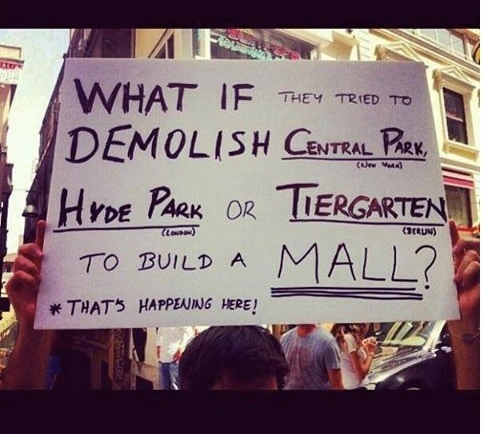
Over the last two weeks, the world has witnessed history unfold in a small park in the heart of Istanbul, Taksim Square. What started out as a peaceful protest to save Gezi Park and its trees from destruction has turned into a country-wide (and, to some degree, worldwide) movement that rejects the ever-increasing autocratic tendencies of Prime Minister Recep Tayyip Erdogan.
The urban policies and projects that PM Erdogan and his government have been loutishly implementing in Istanbul offer only a few examples of the way this government has manifested its undemocratic attitudes. In that regard, it would be misleading to consider the protest over Taksim and Gezi Park as an isolated incident. Instead, development over Istanbul’s quintessential square constitutes the last straw in a series of neo-liberal policies, themselves the result of a century of history, that have shaped Istanbul over the course of the last decade.
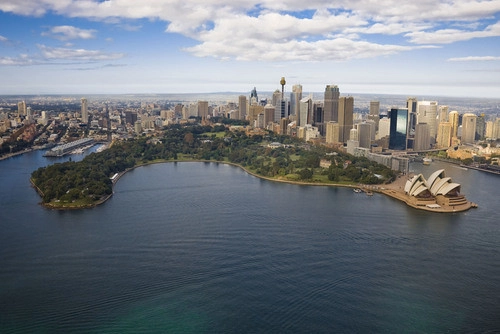
Grant Associates, the UK landscape architects behind Singapore’s Gardens by the Bay, has just been appointed by the Royal Botanics and Domain Trust in Sydney to help develop a new sustainable masterplan for the historic Royal Botanic Garden, Sydney and adjacent public Domain. Working alongside Cox Richardson Architects and Planners, Grant Associates will be responsible for developing the landscape strategy and public realm elements of the new masterplan which includes an area of 64 hectares on a spectacular location bordering the iconic Sydney Harbor waterfront. More images and architects’ description after the break.
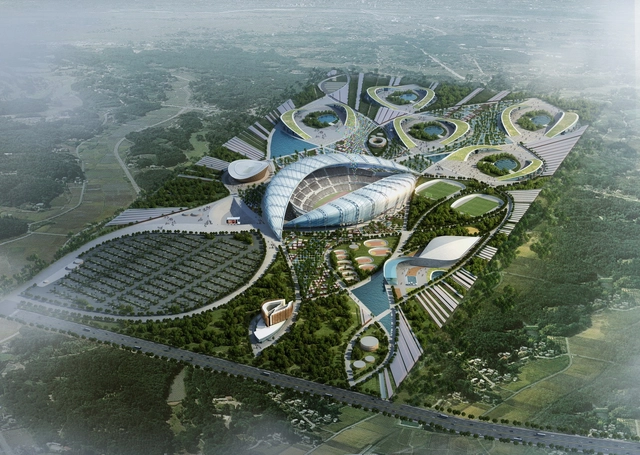
Focuses the attention on the African and International communities, the proposal by Group IAD for the Pan African Games Masterplan is represented by the lines connecting each African capital in Brazzaville. These generators form on the plot a beam of guidelines as a first filter that allows organizing the circulation areas of the program. Drawing its strength from the meanders of the Congo River, this project establishes a permanent dialogue with the river, its surroundings and Brazzaville. More images and architects’ description after the break.
Designed by Maxthreads Architectural Design & Planning, their vision for the Taichung City Cultural Center is to create an unconventional and exceptional gathering space for visitors and inhabitants, animated by a public program. As the entry sequence into an urban fabric, this proposal reflects the new city’s philosophy of combining nature and innovative technology. More images and architects’ description after the break.




.jpg?1371079554&format=webp&width=640&height=580)