“The world’s most sustainable eco-city,”Masdar City, is preparing for its next phase of development, as unveiled in the award-winning detailed master plan (DMP) by CBT. Depicted in a comprehensive masterplan by Foster + Partners, Masdar was originally envisioned as a carbon-neutral elevated city without cars, instead featuring pod-based transportation located below the podium. As the first phase was constructed, including the Masdar Institute of Technology, a new vision for the city began to emerge, eventually leading to CBT’s pedestrian-oriented innovation community plan for Phase 2.
Once largely viewed as a fringe activity belonging to passionate extremists, protest is now—in the wake of a controversial new administration’s ascension to power in the US and a heightened interest in politics globally—a commonplace occurrence, with a much broader participant base in need of places to gather and move en masse. This revitalized interest in protest was perhaps most visible on one particularly historic occasion: on January 21st, 2017, a record-breaking 4.2 million people took to the streets across the US to exercise their first-amendment rights.
Women’s marches took place on the frozen tundra (we have photographic evidence from a scientist in the Arctic Circle) and even in a Los Angeles cancer ward. But for the most part, these protests happened in the streets. In the first few months of 2017, the streets of our cities suddenly took center stage on screens across the world. From Washington to Seattle, Sydney to San Antonio, Paris to Fairbanks, broad boulevards and small town main streets were transformed from spaces for movement to places of resistance. From the Women’s March on Washington to April’s People’s Climate March, protestors are looking for space to convene and advocate for the issues that matter most to them.
https://www.archdaily.com/873608/8-ways-we-can-improve-the-design-of-our-streets-for-protestGina Ford and Martin Zogran
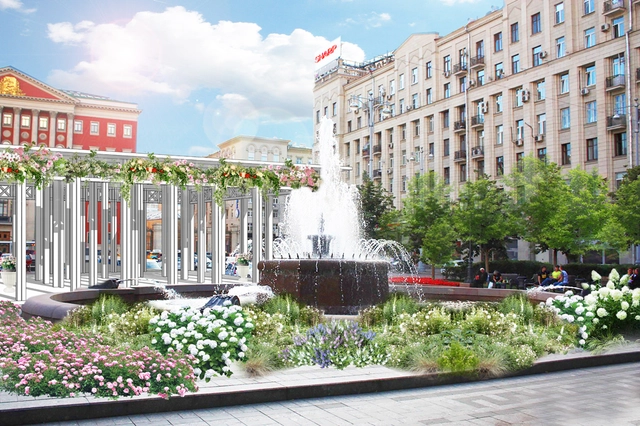
The Open International Urban Landscaping and Design Competition is a part of the “Moscow.Flowers.Sweets” Festival. Participants are offered to suggest solutions for landscape and floral compositions to improve Moscow urban spaces in the city centre and its outskirts.
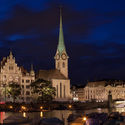
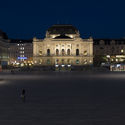
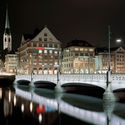
While many cities strive for a spectacular appearance at night, Zurich follows a modest strategy for nocturnal illumination. Numerous urban centers in the world are oversaturated in the evening, with individual buildings calling for attention through bright light, harsh contrasts, or colorful façade lighting. In contrast, the Zurich master plan for lighting has focused on an overall image of sensitive light levels with white light. But this nocturnal presence far from simple design, and is instead based on detailed urban studies and precise, customized projections, where technology is discretely hidden in favor of authentic culture.
Videos
Graphic design: Delcan & Co Studio. Photo: Liz Ligon. Courtesy of the Design Trust for Public Space
Since our founding in 1995, the Design Trust for Public Space has solicited project proposals from government agencies, nonprofit organizations, community groups, and individuals through an open Request for Proposals (RFP).
Enter LILA - Landezine International Landscape Award 2017 by May 26th
Landezine is calling professionals from the field of landscape architecture to submit entries for the second edition of LILA – Landezine International Landscape Award by May 26th, 2017.
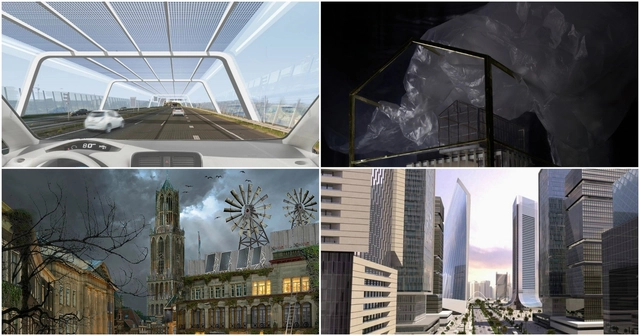
Utrecht University’s Urban Futures Studio have announced the 10 finalists for their Post-Fossil City Contest, judged by a jury which included MVRDV co-founder Winy Maas. Each of the successful submissions responded to the contest’s call for the design of a sustainable city no longer reliant on non-renewable energy sources. Designers and makers were invited to envision this new future, which “will reshape our cities and everyday lives so radically that it is hard to imagine what it might feel, taste, smell, and look like.”
Out of the 250 total entries, below are the 10 selected finalists along with a snippet of their proposed futures as described by the competition website.
https://www.archdaily.com/867678/post-fossil-city-contests-10-finalists-share-visions-of-a-sustainable-futureOsman Bari
The importance of public spaces in urban life is an issue that has been apparent since ancient Greece and is still with us today. Opportunities to meet and exchange ideas in these spaces are able to influence how the inhabitants participate in the development of their city, and occur in greater instances when public spaces are accessible to everyone.
However, in modern societies, the strategic role of these spaces has been limited. According to The City Fix, a blog on sustainable urban planning, one of the main reasons for this is the overabundance of automobiles. In fact, according to one study by the Brazilian Institute for Energy and the Environment, 70% of public spaces in urban centers are taken up by roadways and other spaces for cars, while car owners make up only around 20 to 40 percent of the city’s population.
How can public spaces be recovered to promote urban life? We discuss three important factors below.
The International Khalifa Heritage School seeks interdisciplinary-minded students and young professionals to work collaboratively to develop innovative design solutions for a proposed Heritage and Environment Park. The park will occupy a critically important site at the southern gateway to Khalifa neighborhood and overlooking the 13th-century al-Ashraf Khalil and Fatima Khatun Domes, monuments of great heritage significance.
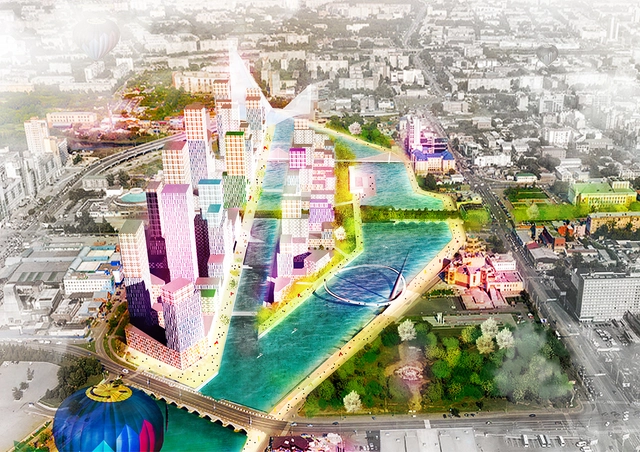
Development of the Miass river. Image Courtesy of Felixx Landscape Architects and Planners
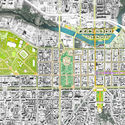
Dutch firm de Architekten Cie, in collaboration with Felixx Landscape Architects and Planners, has won an international competition to transform the historic Russian city of Chelyabinsk. The winning masterplan, chosen by the City Administration of Chelyabinsk from five proposals, seeks to activate the city’s existing grid structure and to use it as a vehicle for spatial transformation.
Accepting Nominations for 2017 Building Brooklyn Awards
Buillding Brooklyn Awards is the annual architectural and economic development competition sponsored by the Brooklyn Chamber of Commerce. All newly built or renovated projects on the borough of Brooklyn, New York City, are invited to submit for consideration by a jury of architects, real estate professionals, real estate press and city planners.
In a letter sent a few weeks ago to India’s Council of Architecture, principal Fumihiko Maki has questioned the motivations of the Andhra Pradesh government committee, alleging unfair practice, lack of transparency and his firm’s ‘fraudulent’ removal from the project.
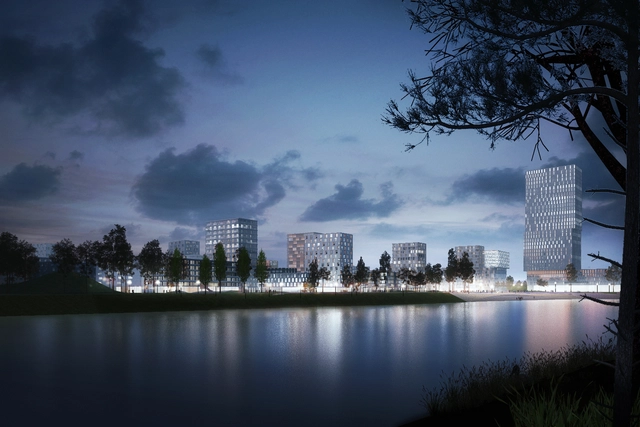
ADEPT Architects has won the commission to design a new masterplan for the Budapart neighborhood of Budapest, a project that will become the largest singular urban development in the city for nearly 30 years. Based on a distorted grid structure, the design will reference both historic and modern parts of the city, and will encompass 54 hectares of mixed-use space.
Located on the [‘Buda’] bank of the Danube River, the Budapart masterplan aims to create a green and human scaled neighborhood rather than just another new modern development. The fantastic location on the waterfront, the existing characteristic landscape qualities and the close vicinity to the central city are the main attractions that each generate huge potential to make the new neighborhood an epicenter of its own, described the architects in a recent press release.
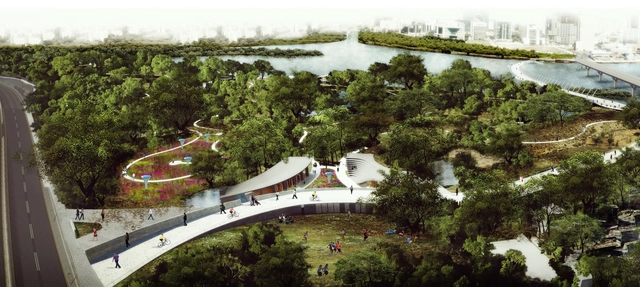
The Mumbai Metropolitan Region Development Authority (MMRDA) has named the winners of an international competition to redesign the city’s the Maharashtra Nature Park and the pedestrian/cyclist Bridge over the Mithi River. From 30 multi-discplinary teams from around the world, the expert jury selected a longlist of 8 teams, a 4-team shortlist, 2 finalists, and finally, an overall competition winner.
The winning team will now work with the MMRDA to develop their master plan to meet the environmental guidelines and construction regulations required to allow the project to be executed following approval from local authorities.
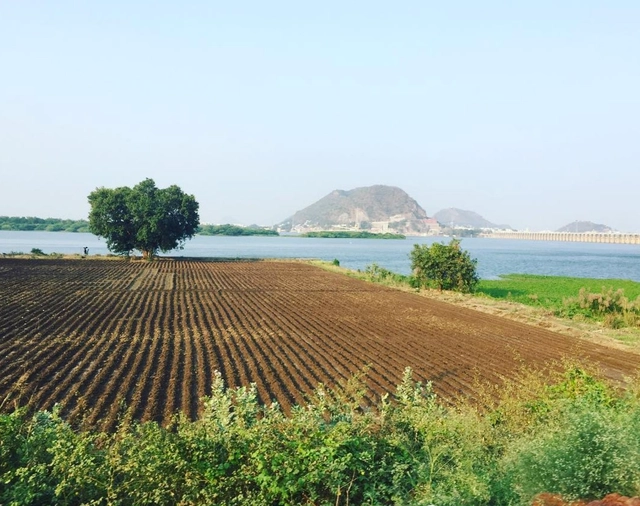
Foster + Partners has been selected as the winners of an international competition to design a new £500 million capital for the state of Andhra Pradesh in southeastern India. The brief calls for a new 365 hectare masterplan that will serve as a new municipal capital for India’s eighth largest state, which lost its previous capital, Hyderabad, when state lines were redrawn two years ago.
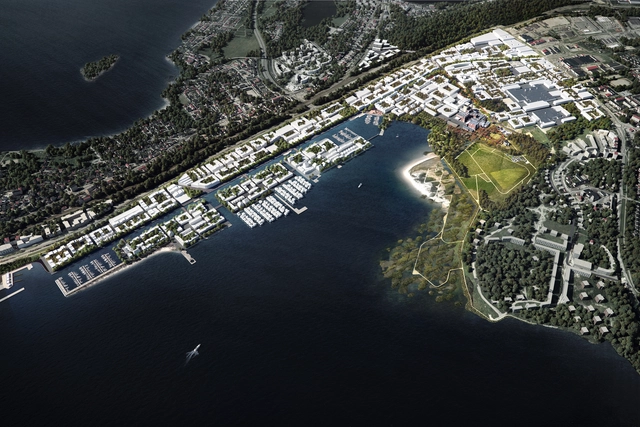
Courtesy of Schauman & Nordgren Architects + Mandaworks
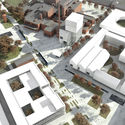
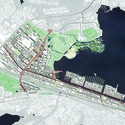
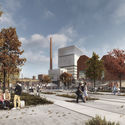
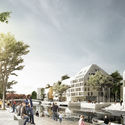
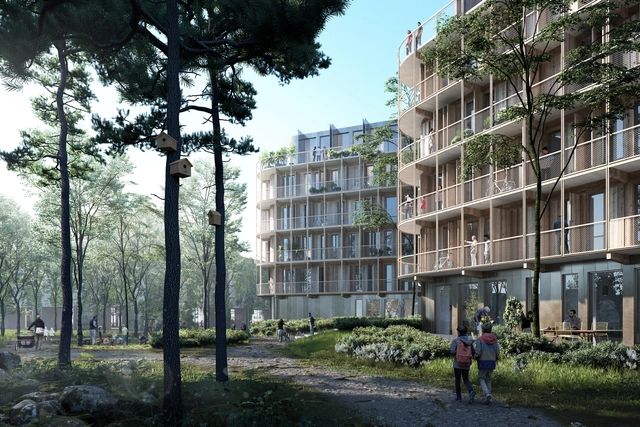
The City of Tampere, Finland has announced the proposal by Schauman & Nordgren Architects and Mandaworks as the winner of an open international competition for Hiedanranta Bay's new master plan. The design, entitled "Hiedanranta Innovation Bay," responds to the rapid growth of Tampere's central region. Over the next 20 years, the Innovation Bay will see the transformation of the former industrial district into an innovation hub for sustainable economic development, creating 10,000 new jobs, and housing over 25,000 new residents.


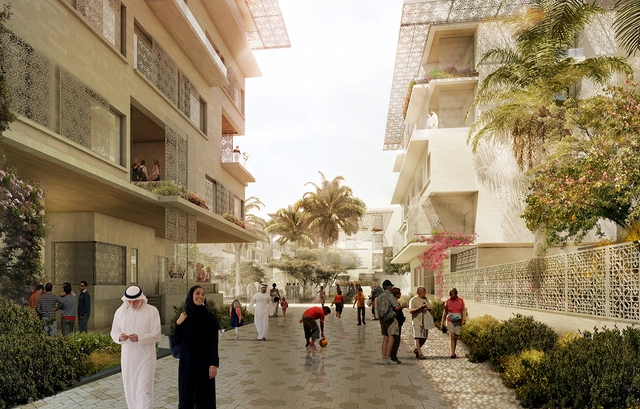
.jpg?1497550945 "Masdar City Phase 2. Image Courtesy of CBT")
.jpg?1497550961 "Masdar City Phase 2. Image Courtesy of CBT")


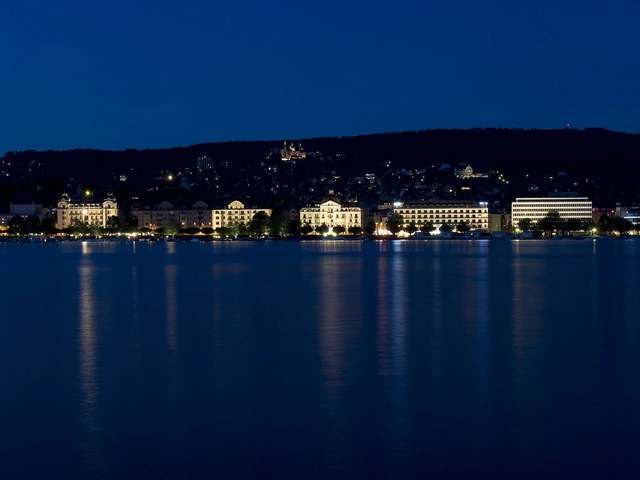
.jpg?1496789104 "Waterfront illumination of Stadthausquai with Fraumünster Church and St. Peter Church, Zürich. Photo by Benno Tobler. Image © Stadt Zürich")



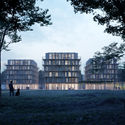
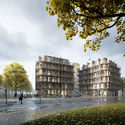
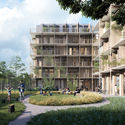

KCAP-Seoul-front-view.jpg?1488891868&format=webp&width=640&height=580)