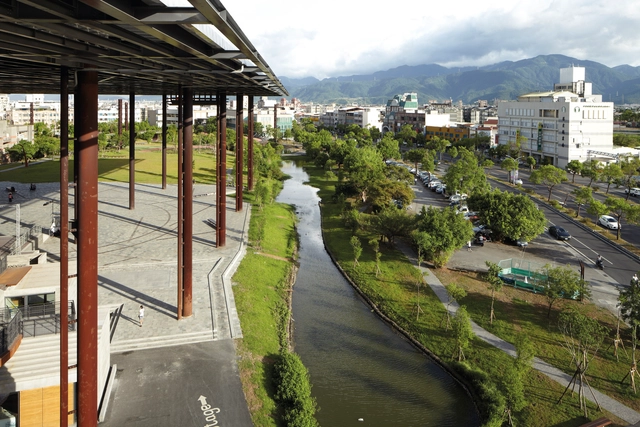
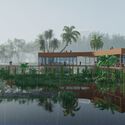
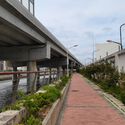
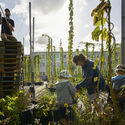
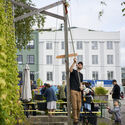
Taiwan proposes that architecture can transform a place, and to represent this idea, the work of Sheng-Yuan Huang and his practice, Fieldoffice, were chosen for the Taiwan Exhibition at La Biennale di Venezia in 2018, entitled Living with Sky, Water, and Mountain: Making Places in Yilan. Sheng-Yuan and Fieldoffice demonstrated that the notion of making places is more than building a physical space, but is equally about establishing a linkage between people, as well as people and their environment.
Alessandro Martinelli explores Sheng-Yuan and his colleagues at Fieldoffice as the avant-garde of a new architectural movement in his book, The City Beyond Architecture, which seeks to produce a new form of collective living through the lens of design and culture, touching on what the design culture of the majority of future urbanization could become. In the following, we will discuss Shen-Yuang's impact on Taiwanese architecture as he spearheaded the call to integrate and imagine public spaces that inhabited the capacity to structure a particular landscape to provide both social spaces and a sense of identity to its occupants.
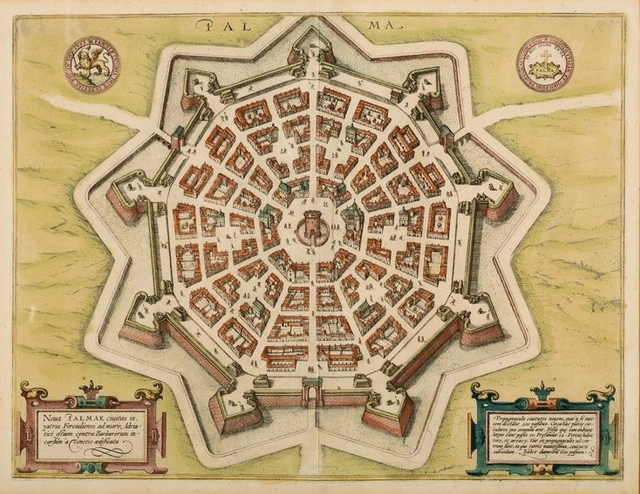
The concept of an “ideal city” is something that is often talked about today, as we look towards the future and think about what aspects of urban life we feel are most important for residents to thrive in a healthy community. However, ideal cities were conceived during the Italian Renaissance, as planners and architects prioritized rationale in their designs focusing on human values, urban capacities, and the recursive waves of cultural and artistic revolutions that influenced large-scale planning schemes.
Another year comes to an end and with it, another round up that explores the most important events that took place over the past twelve months. In this article, we look into the photos that received the most interactions (likes, comments, shares, and saves) on ArchDaily's Instagram.
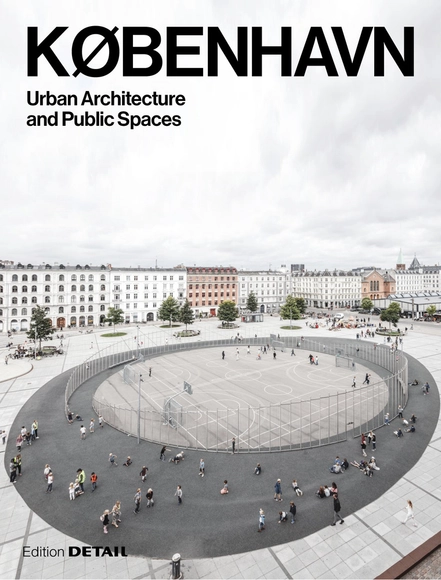
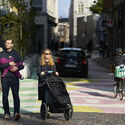
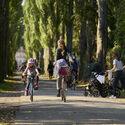
København (Copenhagen), the capital of Denmark, is at the forefront of many landscape architects and planners’ minds for both its groundbreaking moves towards sustainability and cutting-edge public spaces, bicycle culture, architecture, and food scenes. Having spent a significant amount of time in the city over the last decade, I’ve had the opportunity to begin to get to know the city and its people. One of the striking things about the city, perceptible in even my time there, is its continued trajectory of improvement. A chorus of people working diligently for decades to optimize the city for the everyday lives of its inhabitants have been laying the groundwork for what is possible today.
https://www.archdaily.com/973247/learning-from-copenhagen-a-focus-on-everyday-lifeJohn Bela
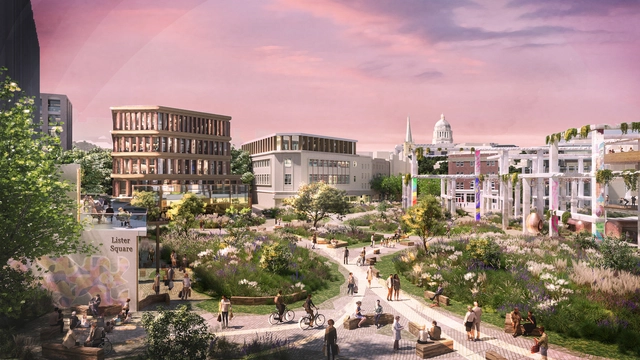
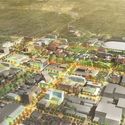
Heatherick Studio has revealed the redevelopment plan for Nottingham city centre, a vision that establishes a new green core, reshapes the former shopping centre at the heart of the site, and highlights the area’s touristic potential. Centred around an ample new green area enabling citizens to connect with nature, the project proposes new social spaces, commercial, mixed-use and residential buildings while establishing street connections around the city centre. The initiative represents an expansive vision for redefining the city centre and its programming amidst the evolution of retail towards online shopping and in response to the impact of the pandemic.
Outside of China, media facades usually appear as proud individualists vying for attention at night. In China, however, you can find large groups of media facades with a common message in numerous metropolitan areas. These media facades visually merge multiple skyscrapers into a panoramic entity. But what are the reasons that this phenomenon is unique to China? And how did it start? The Media Architecture Biennale linked culture and politics to provide an answer to the emergence of media scapes in China.
Designing a public space means contemplating the aspects of everyday life in the city. Creating places for gatherings, conflicts, demonstrations, relaxation, and enjoyment. These spaces can be used in many different ways, depending on who interacts with them, and one of the main roles of those who design them is to expand these possibilities and sensations. Including plants, benches, sports facilities, spaces for culture, arts, and performances, conservation areas, or any other element that stands out, is essential to improve the quality of life of the citizens who enjoy these squares and parks.
https://www.archdaily.com/971738/parks-and-squares-20-public-space-designsEquipe ArchDaily Brasil
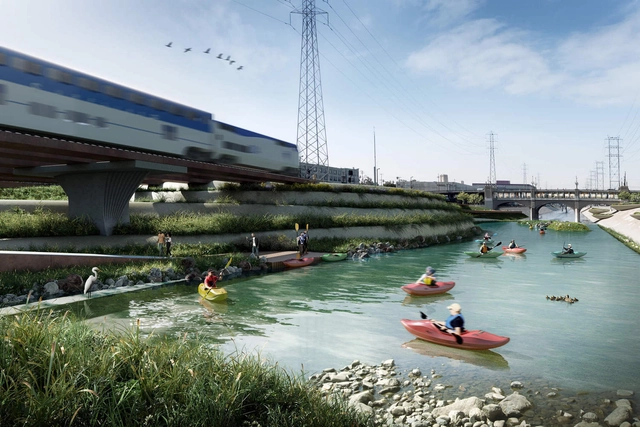
A new masterplan along the central Pailao River in Shenzhen proposes a climate-proof regeneration of the area, using nature and water retention ecological zones to mitigate the risk of flooding. Created by urban design and architecture practice VenhoevenCS, with landscape vision by Hope Design and water management plan by Huadong Engineering, the Pailao River Blueway Project capitalizes on the coexistence of the urban and the natural environment, ensuring resilience and enhancing the economic growth of the city district.
Urban environments are in a constant process of social evolution, political and economic transformation. Attached to the idea of urban renewal is gentrification, a complex phenomenon circumscribing a variety of issues, from the improvement of the built environment and strengthening the local economy to displacement and demographic change. On the one hand, redevelopment means revitalizing neighbourhoods, improving the built environment and infrastructure and boosting the local economy, and on the other hand, gentrification drives up property prices and cost of living, forcing out low-income communities. Is the displacement of local communities a "collateral damage" of urban development? Does redevelopment intrinsically drive gentrification, and can urban environments be revitalized more ethically?
In this Editor's Talk edition, editors from Argentina, Lebanon, Brasil, Chile, Tanzania share their views on gentrification.
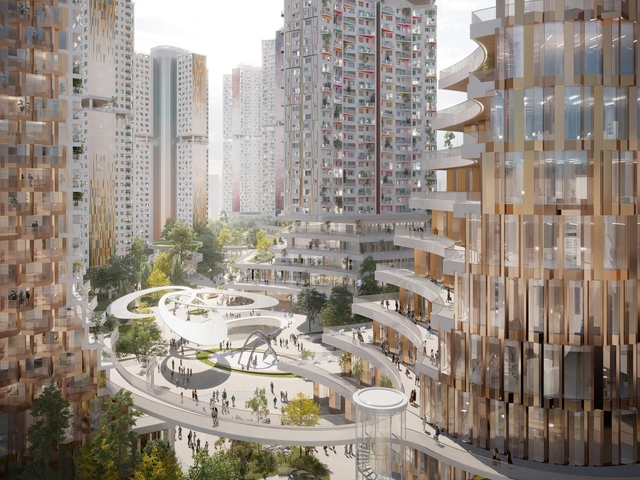
UNStudio has revealed the design for Project H1, a tech-assisted masterplan for a 10-minute neighbourhood in Seoul that would cater to the digital economy. The project transforms an industrial site and railyard into a dense mixed-use urban environment containing all the amenities of contemporary living within a 10-minute walk. This pedestrian-friendly, diverse neighbourhood is complemented by a digital infrastructure developed by UNSense, providing a framework for managing energy production and consumption, local food production, and the shared use of communal spaces.
The 15-minute city urban theory receives the 2021 Obel Prize in recognition of the concept's value for creating sustainable and people-centric urban environments. First coined in 2016 by Sorbonne professor Carlos Moreno, the term defines a highly flexible urban model that ensures all citizens can access daily needs within a 15-minute distance, thus breaking the hegemony of the car and reintroducing the qualities of historic cities within contemporary urban planning.
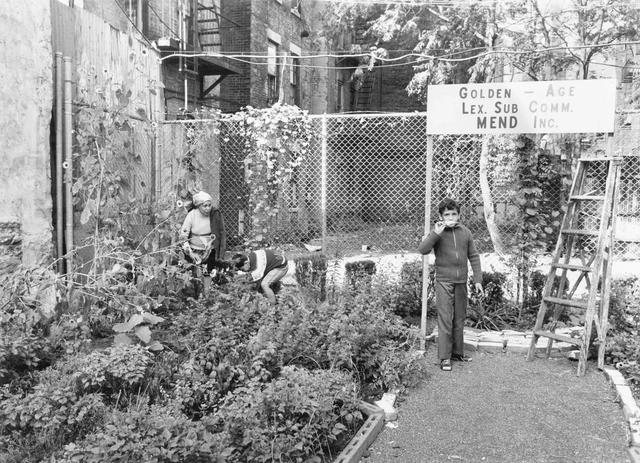
Mogilevich’s study of how the Lindsay administration leveraged political and on-the-ground will to build pocket parks, stump for closing streets and introducing outdoor dining, and reducing racial economic inequality could point the way forward for modern architects and planners. Image Courtesy of Minnesota Press
In this week's reprint from the Architect's Newspaper, author Karen Kubey, an urbanist specializing in housing and health questions if the invention of Public Space is "Invented Or Agreed Upon?" Basing her ideas on a book by Mariana Mogilevich, The Invention of Public Space, the article asks if public spaces are a product of negotiation in the city.
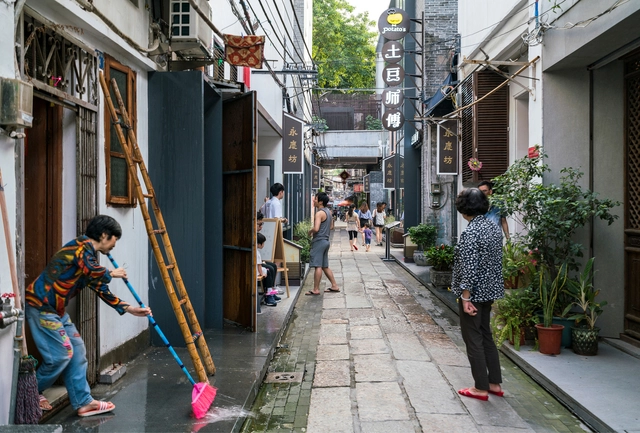
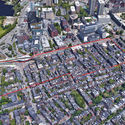
ASLA 2020 Urban Design Honor award. Yongqing Fang Alleyways: An Urban Transformation. Guangzhou, China. Lah D+H Landscape and Urban Design. Image Courtesy of The Dirt
People living in dense cities are among the least happy. Their rates of depression are 40 percent higher than other populations, and their rates of anxiety are 20 percent higher. Why? Because the built environment is directly linked with happiness and well-being, and too often urban environments fail to put people at ease.
Jeffry Burchard explores in his essay the "opportunity found by extending the life and purpose of viable existing buildings", that have shaped our cities. Arguing that "we have an abundant supply of buildings", the author proposes four essential steps to transform existing buildings.
Studio-MLA is adopting lessons learned from their Los Angeles River design project design, shown here, to the River-Side Gateway master plan. Image Courtesy of Studio-MLA
Following a lengthy search, the California city of Riverside and its Parks, Recreation, and Community Services Department have selected Studio-MLA as the lead designer of the River-Side Gateway Project Suite, a string of nine sites along a seven-mile stretch of the Santa Ana River. Funded by the California Coastal Conservancy, the search committee sought a design team that could best revitalize the open spaces and trails along the northern edge of Riverside, the largest city in the Inland Empire region of California with a population of over 300,000.
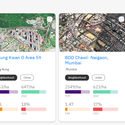
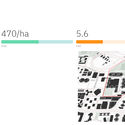
Global design firm Sasaki has announced the launch of Density Atlas, a new online platform for planners, urban designers, developers, and students immersed in the public realm, to have a better understanding about density. The platform explores the limitations of density and defines a more standardized set of metrics for understanding and comparing density across different global contexts, such as in urban centers, college campuses, or community under development.
Urban planning is often based on the assumption of ongoing demographic and economic growth, but as some environments face urban shrinkage, a new array of strategies comes into play.The shrinking city phenomenon is a process of urban decline with complex causes ranging from deindustrialization, internal migration, population decline, or depletion of natural resources. Referencing the existing research on the topic, the following showcases approaches to this phenomenon in different urban environments, highlighting the need to develop new urban design frameworks to address the growing challenge.