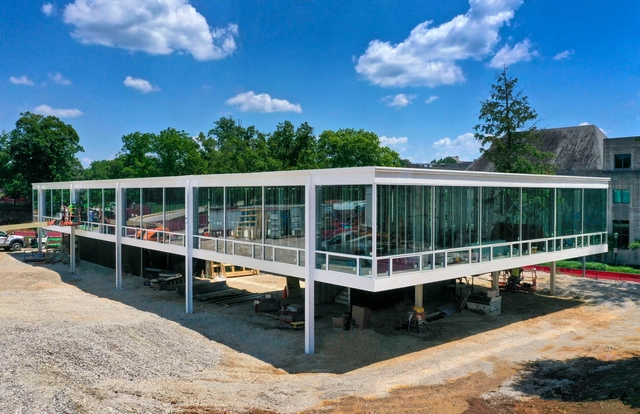
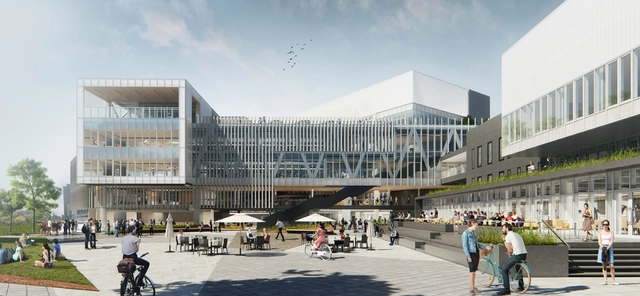
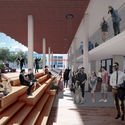
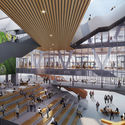
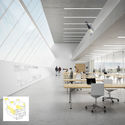
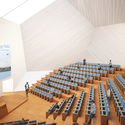
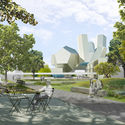
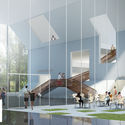
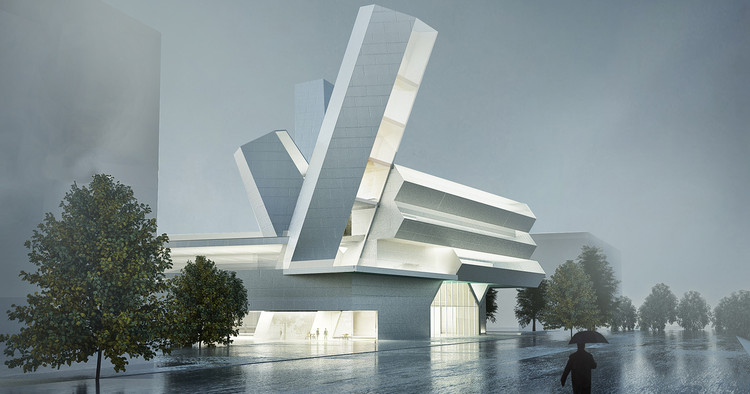
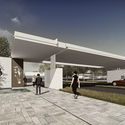
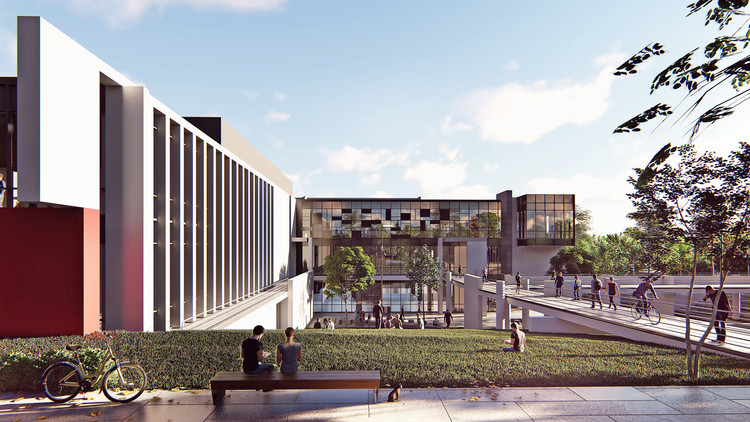
A new shared facility for Indiana University's Eskenazi School of Art, Architecture + Design, materialises a recently rediscovered design by Mies van der Rohe. The 1952 project was intended for a fraternity house on the same IU Bloomington campus where it is currently being built, and the design incorporated the same white steel frame and expansive glass panes aesthetic as the Farnsworth House, created around the same time. After being forgotten for six decades, the design resurfaced in 2013, and the two-storey building will open its doors this fall.
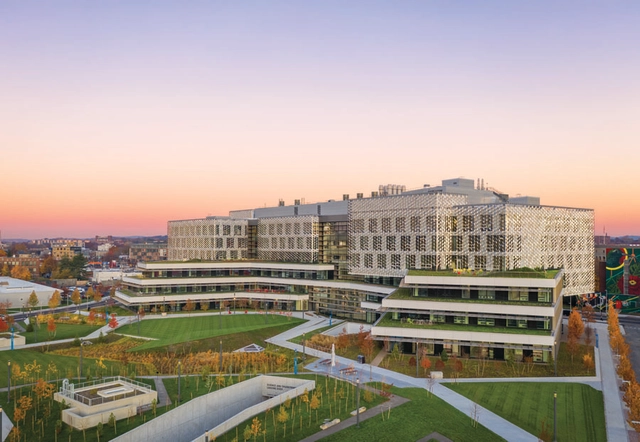
The massive new hub for lab research, by Behnisch Architekten, marks a new chapter of sustainable construction and campus planning. James McCown explores in his article originally published on Metropolis, Harvard's latest addition in the Boston campus, the new Science and Engineering Complex (SEC) designed by German-based firm Behnisch Architekten and centered on sustainability and well-being.
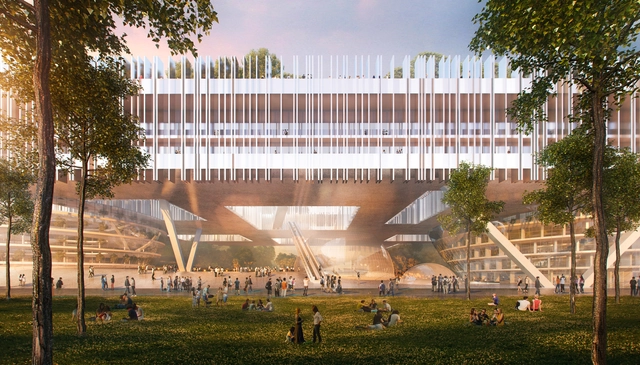
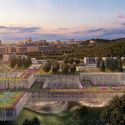
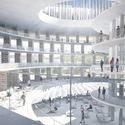
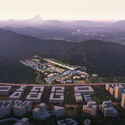
Dominique Perrault Architecture, together with Chinese studio Zhubo Design Co, has won the international competition for the new campus of Shenzen's Institute of Design and Innovation. Stretching along a mountain range, the large-scale horizontal structure preserves the views towards the landscape, while creating a strong relationship between the learning spaces and the environment.
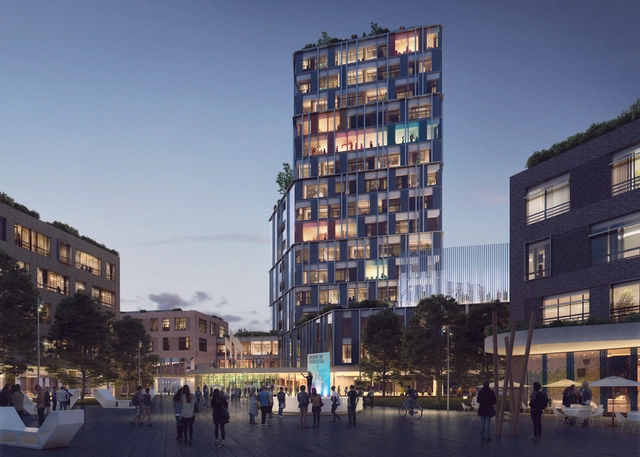
Construction has begun on MVRDV’s six-story sustainable office and laboratory complex. Located in the heart of Amsterdam Science Park, in the eastern part of the city, the project, designed for the Matrix Innovation Center, “will be virtually energy neutral and uses demountable construction techniques”.
In March 2020, the Covid-19 pandemic shifted our university—the University of California, Berkeley—totally online, along with the whole of education from childcare up across the country and most of the planet. In the wake of this forced and unprecedented experiment, debates about what it means remain ongoing. Will the episodic dream of a placeless university, or at minimum a hybrid place/placeless one, come true? Millennia of experience argue for giving higher education a local, physical anchor. And most universities and colleges have this anchor as their starting place, even as they consider what their ongoing experience with virtual teaching, research, and administration means.
https://www.archdaily.com/943322/letter-from-berkeley-campus-planning-in-an-increasingly-virtual-worldEmily B. Marthinsen, John J. Parman, Richard Bender
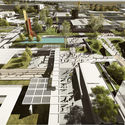
The Universidad de Lima, the most influential institution in Peru, is expanding its campus, in the heart of the capital, to offer a new learning experience, a never seen before novelty amongst the schools in Latin America.
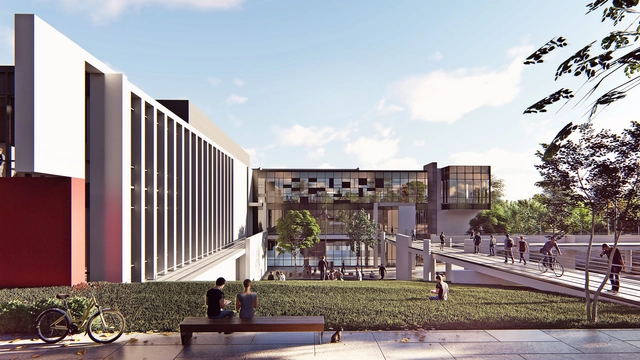
The project’s main purpose is to create the whole college town, usually found abroad, in its central location in Lima. This innovative approach comes from the understanding of the importance of the concept of “university-cities” as a key economic driver. In fact, the master plan suggests making the campus as inclusive as possible, by putting in place all the facilities needed for students to actually linger.
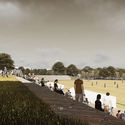
The winning design features seven new quadrangles designed around historic features and woodland, integrating sustainable features such as solar connectors and water retention ponds. The competition sought to express UCD’s creative abilities and strengthen its physical presence and identity, signifying a major educational project for the Irish capital.
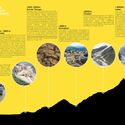
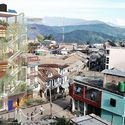
KTK-BELT Studio, a not-for-profit organization based in rural Nepal, is currently working with local communities to create a fascinating "Vertical University," which will teach students about biodiversity and environmental conservation in 6 "living classrooms" positioned along a vertical forest corridor that stretches from 67 meters above sea level to the top of an 8,856-meter peak. These 6 stops encapsulate the 5 climatic zones of Eastern Nepal: tropical, subtropical, temperate, subarctic and arctic.
The project explores the specific impacts of climate change in each climatic zone, creating “classrooms” where students can walk from Koshi Tappu to Mt. Kanchenjunga, the third tallest peak in the world, and learn onsite from indigenous farmers about the biological diversity of each area. By teaching place-based skills in these micro-conservation hubs, the project aims to conserve and activate local knowledge. Each of these “classrooms” responds to the visual and cultural cues of its unique landscape, with one campus focusing on a flood-proof design in a heavy monsoon area, and another mimicking the semi-nomadic lifestyle of local yak-herders.
Beoffice and HSY Architects’ competition-winning proposal for Bandırma Onyedi Eylül University Campus in Turkey represents a generation of knowledge that will flourish and support Bandırma’s innovation in industry and economy. The university will take an integrated approach to the region, blurring the boundary between campus and city with interactive spaces that can open up for flexible use.
C. F. Møller’s design to interconnect and root the campus within the city wins VIA University College in Horsens, Denmark. The proposed 30,000 square meters proposal and 5,000 square meters Innovation House was selected amongst three strong projects, according to the adjudicators’ report in a forward-thinking scheme that develops a strong dialogue between the academic and urban spaces.