From October 21st, 2023, to March 3rd, 2024, the Vitra Design Museum is hosting a retrospective exhibition featuring the work of Iwan Baan. Known for his world-renowned architecture photography, “Iwan Baan: Moments in Architecture” provides a comprehensive overview of Baan’s extensive portfolio. At its core, it showcases the artist’s ability to capture the essence of contemporary architecture, along with the urban and social contexts associated with it and the people who inhabit these various spaces.
Both today and in centuries past, it is a reality of building that not every project is destined for success. Financial issues or unrealistic timetables can complicate a building’s construction but, while usually the final result eventually meets the initial expectations, other times the worst-case scenario of a building being abandoned during construction becomes a nightmare come true. Unfortunately, these failed projects have an extensive history. Economic factors are the most common cause of unfinished construction, but buildings have also been stranded in limbo by wars, geopolitical shifts, epidemics of disease and other unpredictable obstacles, leaving partial structures as haunting reminders of what might have been.
Whether partially completed and left as ruins or still under construction decades (or centuries) after initial groundbreaking, unfinished buildings offer an alternative history of our built environment, promising long-delayed gratification or examples of design so ambitious that they prove impossible to realize. Initiated by civilizations across the globe, the following list details just a few examples of history’s most interesting and infamous unfinished construction projects.
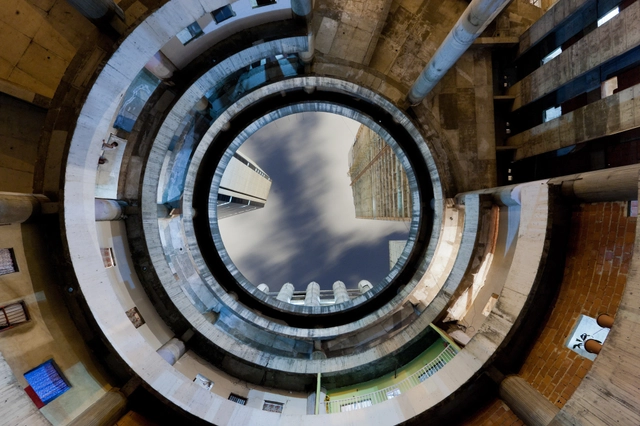
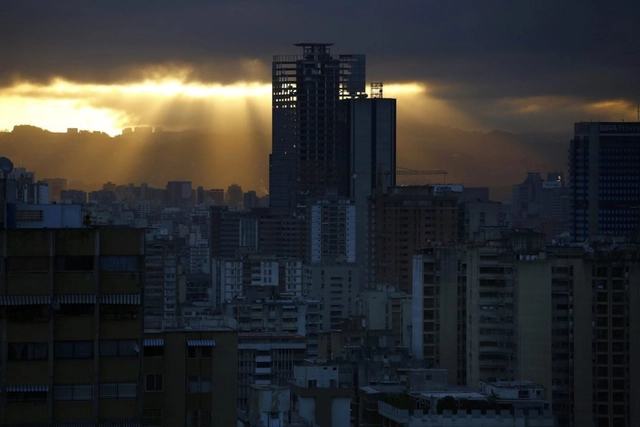
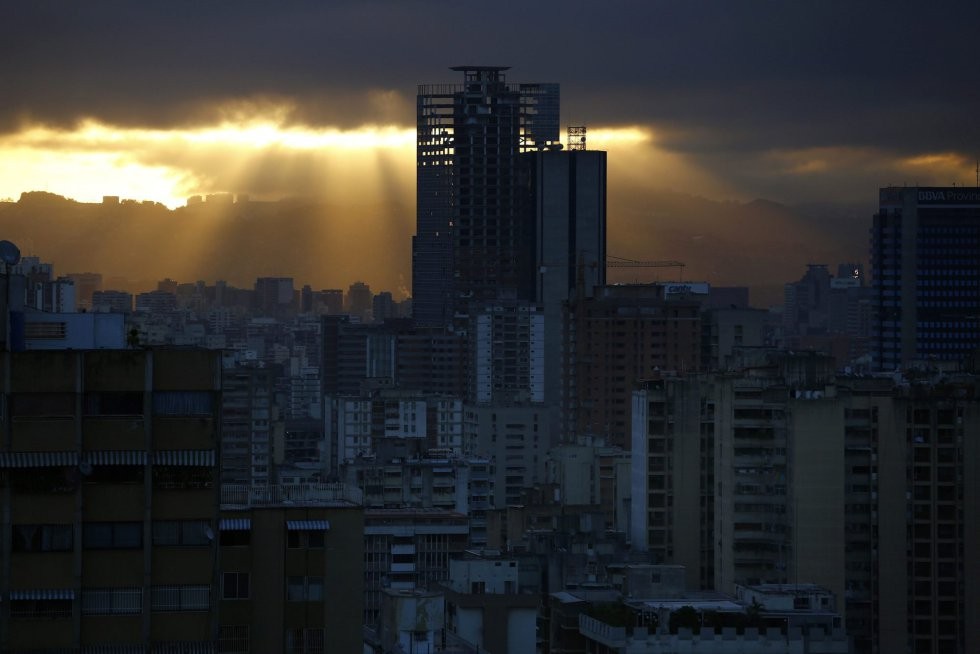
In 1994, after the death of its main investor and a national banking crisis that left Venezuela's economy stagnated, the construction of Caracas' Centro Financiero Confinanzas - known popularly as the Tower of David - was paralyzed, leaving the building completely abandoned and on 70 percent complete.
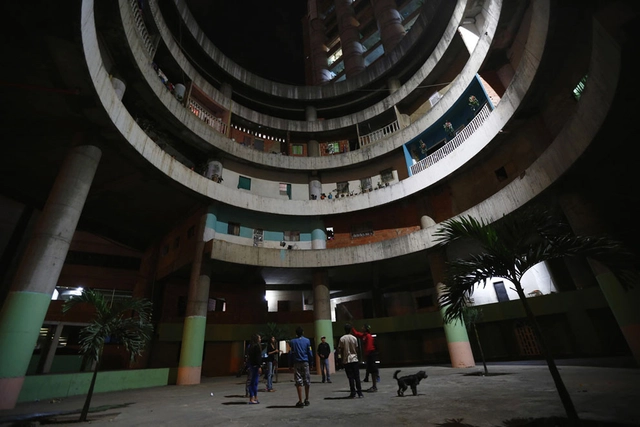
Neglected for more than a decade, the 45-story, 190-meter-tall skyscraper became the makeshift home for a community of more than 800 families, becoming the world's tallest "vertically organized favela," with basic services to the 22nd floor and including even barber shops, kindergartens and dentists.
Justin McGuirk’s Radical Cities: Across Latin America in Search of a New Architectureshould be required reading for anyone looking for ways out of the bleak social inequality we’re stuck in. There were 40 million more slum dwellers worldwide in 2012 than there were in 2010, according to the UN. Private markets clearly can’t provide universal housing in any way approaching efficiency, and governments are often hostile to the poor. The only alternative is collective action at the grassroots level, and I’ve never read more vivid reporting on the subject.
https://www.archdaily.com/629354/radical-cities-radical-solutions-justin-mcguirk-s-book-finds-opportunities-in-unexpected-placesJoshua K Leon
Monday night began the relocation process of thousands of inhabitants living in Venezuela’s Torre de David (Tower of David), the world’s tallest slum, according to reports by Venezuelan newspaper Últimas Noticias, BBC Mundo and tweets from journalists following the coverage. The relocation initiative is being carried out by the Interior and Justice Ministry, and comes just five days after the announcement that the Venezuelan government is in negotiations with Chinese banks interested in purchasing the building.
Tower of David is an unfinished financial skyscraper in downtown Caracas. Construction began on the tower in 1990, but the death of the principal investor in 1993 and the subsequent banking crisis that hit the country in 1994 froze construction; by the end of the year, the tower was in the hands of the state. Nevertheless, in 2007 two thousand homeless citizens took over and inhabited the skyscraper, making it the tallest vertical slum in the world.







.jpg?1531136109)