
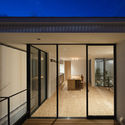
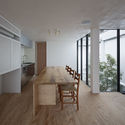

-
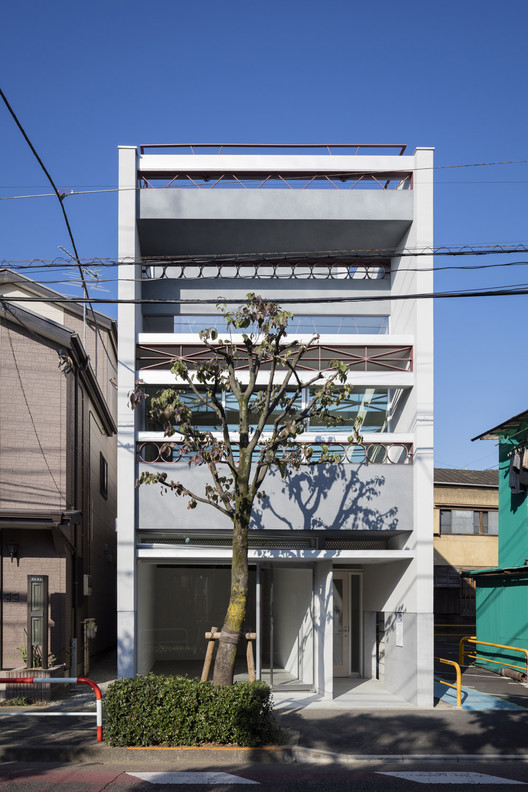
Architects: arbol
- Area: 86 m²
- Year: 2018
-
Professionals: Eiko Construction
.jpg?1544768630)
Either as singular outcroppings or as part of a bustling center, skyscrapers are neck-craning icons across major city centers in the world. A modern trope of extreme success and wealth, the skyscraper has become an architectural symbol for vibrant urban hubs and commercial powerhouses dominating cities like New York, Dubai, and Singapore.
While skyscrapers are omnipresent, 2018 introduced new approaches, technologies, and locations to the high-rise typology. From variations in materiality to form, designs for towers have started to address aspects beyond simply efficiency and height, proposing new ways for the repetitive form to bring unique qualities to city skylines. Below, a few examples of proposals and trends from 2018 that showcase the innovative ideas at work:

Tokyo-based designer monde has created a series of bookends inspired by the narrow back alleys of Tokyo. As described by My Modern Met, the bookends convey the “dizzying feeling of wandering the city’s back alleys” through a mixture of laser-cut wood and lighting.
The results of the two-year project were debuted at the Design Festa arts and crafts event, where they caught the eye of outlets across Japan, the United Kingdom, the United States, and Canada.
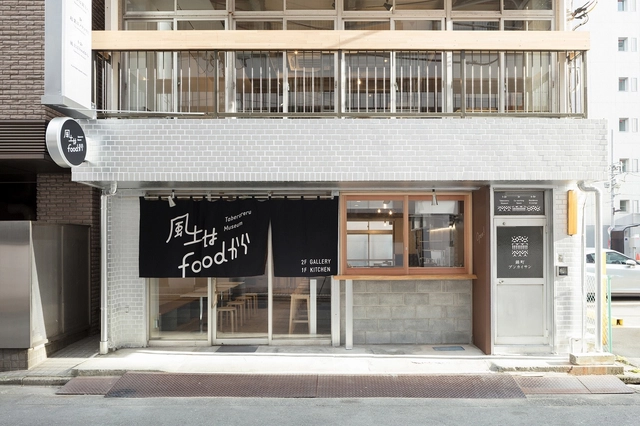
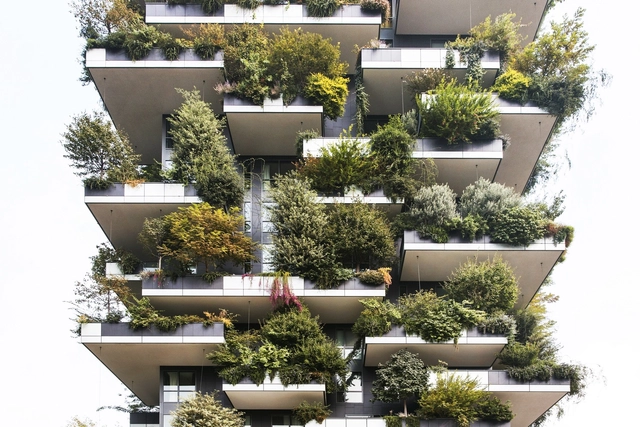
The Royal Institute of British Architects (RIBA) has announced the shortlist of four finalist projects in the running for the 2018 RIBA International Prize. A biennial award open to any qualified architect in the world, the International Prize seeks to name the world’s “most inspirational and significant” building. Criteria for consideration include the demonstration of “design excellence, architectural ambition, and [delivery of] meaningful social impact.”
The inaugural prize was awarded to Grafton Architects in 2016 for their UTEC university building in Lima, Peru, described as a “modern-day Machu Picchu.”
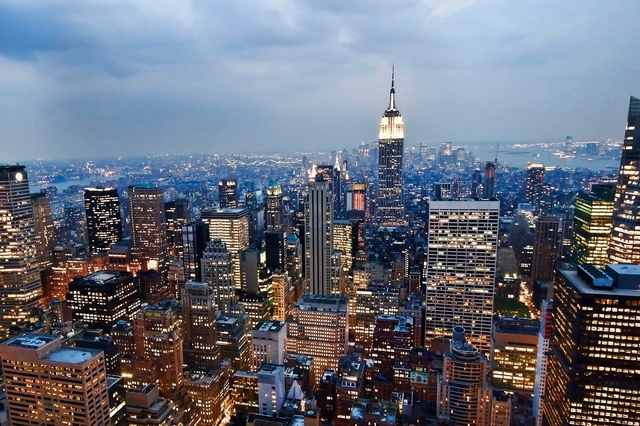
The Center for Globalization and Strategy from Barcelona’s IESE Business School has unveiled its annual list of the world’s smartest cities. In its fifth year, the IESE Cities in Motion Index has calculated the performance scores for 165 cities across 80 countries based on an exhaustive rubric of economic and social indicators. Familiar global power centers have maintained their position at the top of the heap, while expanded categories of assessment have helped a few small cities advance their position drastically.
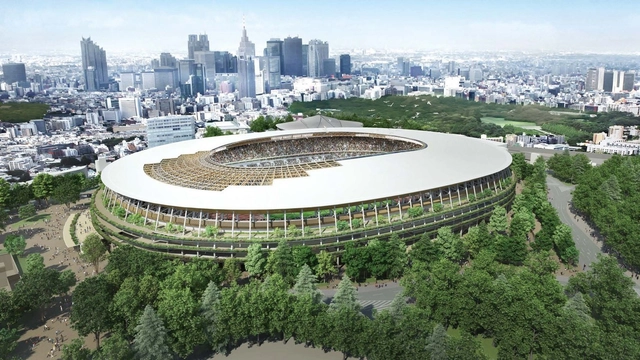
Five lucky architecture enthusiasts and Airbnb users have been offered the unique experience to accompany Kengo Kuma on a guided tour of the 2020 Olympic stadium in Tokyo. The renowned architect has collaborated with Airbnb to offer the exclusive experience, described as a “visit to Kengo’s under-construction Olympic stadium, along with a meet and greet at his studio and tea with the celebrated architect.”
The July 31st tour, sadly fully booked, offers an insightful example of architects collaborating with leaders of the “gig economy” to offer design experiences directly to the public.
Researchers @FECYT_Ciencia have developed a genetic algorithm that predicts the vertical growth of cities. @physorg_com with the details: https://t.co/QsnRA1nTxz pic.twitter.com/JFB6DMJRmR
— Retina Images (@retinaimages) June 5, 2018
The growth and expansion of metropolitan areas has been evident over the past decade. Buildings are getting taller, and urban areas are getting larger. What if there was a way to predict this growth and expansion?
A new study by Spanish researchers from the University of A Coruna has discovered that the increase of skyscrapers in a city reflects the pattern “of certain self-organized biological systems,” as reported by ScienceDaily. The study uses "genetic evolutionary algorithms" to predict urban growth, looking specifically at Tokyo's Minato Ward. Architect Ivan Pazos, the lead author of the new study, explained the science behind the algorithm: "We operate within evolutionary computation, a branch of artificial intelligence and machine learning that uses the basic rules of genetics and Darwin’s natural selection logic to make predictions."
Read on for more about the study and what it could mean for the possibility of estimating vertical urban development.
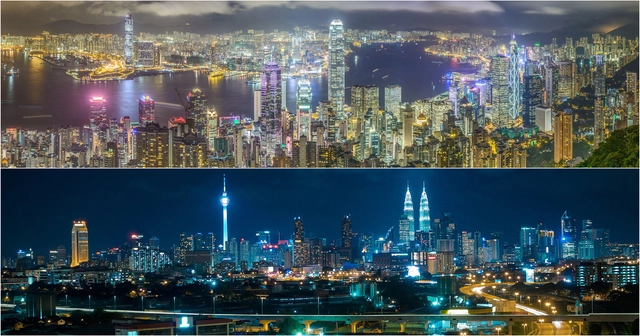
The downtown skyline of a city is perhaps its most symbolic feature. The iconic cityscapes that we know and love are typically formed by skyscrapers, but much of the surrounding context is made up of other high-rise buildings. Yes, there is a difference between a skyscraper and a high-rise. Research company Emporis defines a high-rise as a building at least 35 meters (115 feet) or 12 stories tall. These high-rise buildings play a major role in the more sprawled urban context of larger cities today.
Read on for Emporis' list of the 20 cities in the world with the most high-rises. You might be surprised by which cities made the cut.




.jpg?1544768953)