1. ArchDaily
  2. Toilet

Toilet: The Latest Architecture and News

Designing the Future, Again: What the 55-Year Return of the World Expo to Osaka Reveals

Subscriber Access | 

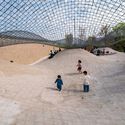
The 2025 Osaka Expo has captured widespread attention—not only for its architectural ambition and spectacle, but also for breaking records and generating controversy. Its most iconic feature, a monumental timber ring designed by Sou Fujimoto, has already made headlines as a Guinness World Record-breaking wooden structure. Built on the reclaimed island of Yumeshima, the site has attracted praise and critique in equal measure. Beyond its awe-inspiring 2-kilometer circumference—parts of which extend dramatically over the water—the structure has also drawn concerns, including questions about health & safety, extreme heat, and swarms of insects that may affect the visitor experience.

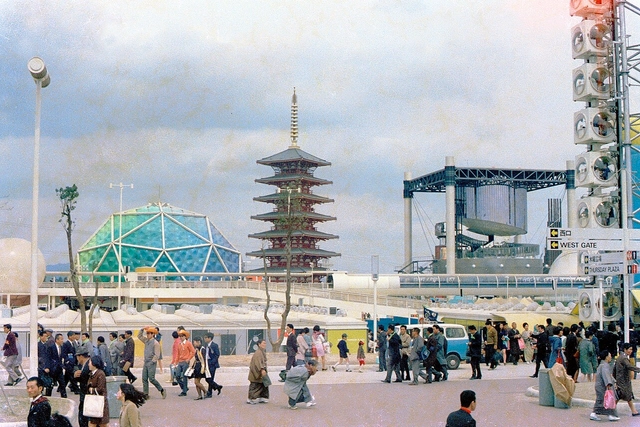
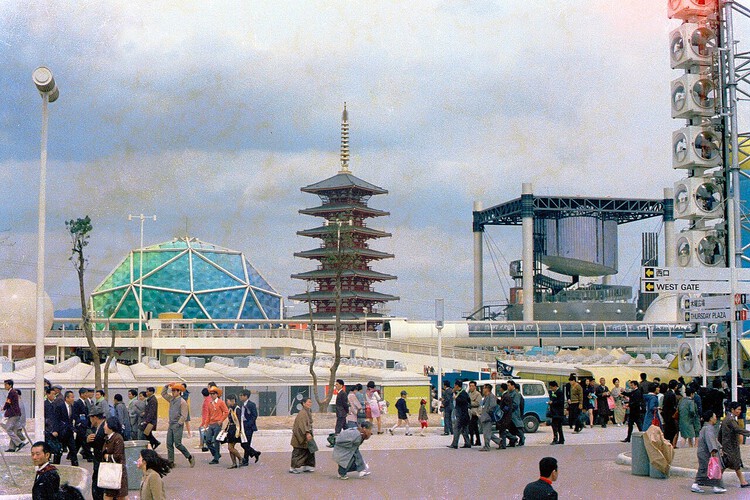
This year also marks a significant anniversary: the 55th year since the 1970 Osaka Expo, held under drastically different socio-economic conditions. Comparing these two expos—both hosted in the same city—offers a rare opportunity to reflect on how the rhetoric, curatorial themes, and architectural ambitions of world expos have evolved over time. From "Progress and Harmony for Mankind" in 1970 to "Designing Future Society for Our Lives" in 2025, the shift in thematic focus reveals changing global priorities. Meanwhile, the scale and nature of architectural involvement have also transformed, from the futuristic visions of Japanese Metabolism to a more internationally dispersed group of designers concerned with sustainability, technology, and civic engagement.

Designing the Future, Again: What the 55-Year Return of the World Expo to Osaka Reveals - Image 1 of 4Designing the Future, Again: What the 55-Year Return of the World Expo to Osaka Reveals - Image 2 of 4Designing the Future, Again: What the 55-Year Return of the World Expo to Osaka Reveals - Image 3 of 4Designing the Future, Again: What the 55-Year Return of the World Expo to Osaka Reveals - Image 4 of 4Designing the Future, Again: What the 55-Year Return of the World Expo to Osaka Reveals - More Images+ 21

Dialogue with the Code: Calibrating Standards for Adaptive Reuse to Thrive

There is growing awareness around sustainability—and the environmental cost of prematurely demolishing safe, structurally sound buildings only to replace them with new construction. In the broader race to reduce carbon emissions, corporations and institutions are placing greater emphasis on ESG performance (environmental impact, social responsibility, and governance). Many now require carbon accounting, set "carbon-neutral" targets, or purchase carbon credits to offset footprints.

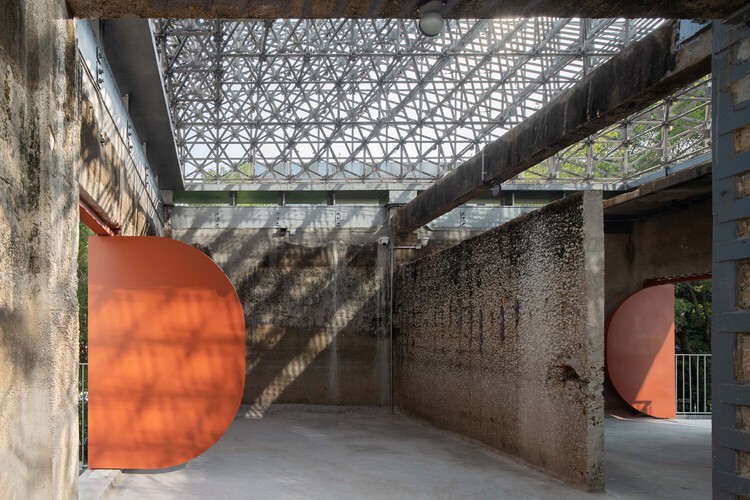
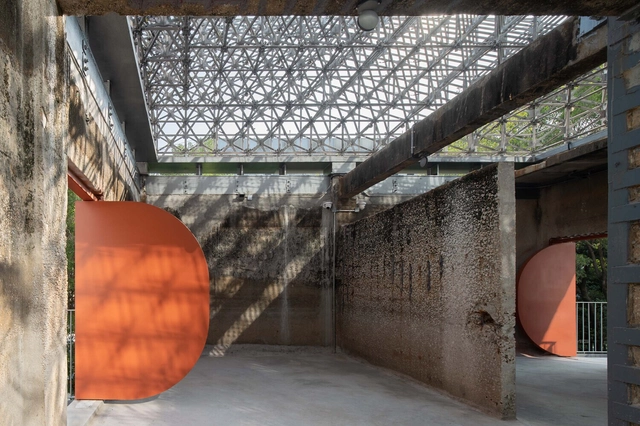
This shift, together with a wave of exemplary adaptive-reuse projects worldwide—Herzog & de Meuron's Tai Kwun in Hong Kong, Powerhouse Arts in Brooklyn, David Chipperfield's The Ned Doha, and Xu Tiantian's transformations of factories, quarries, and rammed-earth fortresses in China—has accelerated serious reconsideration of reuse as a primary development strategy. Yet despite its many benefits, adaptive reuse is still not as prevalent as it could be. Why and what might be the main obstacles and tensions?


Dialogue with the Code: Calibrating Standards for Adaptive Reuse to Thrive - Image 1 of 4Dialogue with the Code: Calibrating Standards for Adaptive Reuse to Thrive - Image 2 of 4Dialogue with the Code: Calibrating Standards for Adaptive Reuse to Thrive - Image 3 of 4Dialogue with the Code: Calibrating Standards for Adaptive Reuse to Thrive - Image 4 of 4Dialogue with the Code: Calibrating Standards for Adaptive Reuse to Thrive - More Images+ 29

Spatial Equity in Urban Infrastructures: Public Restrooms Addressing Women’s Needs

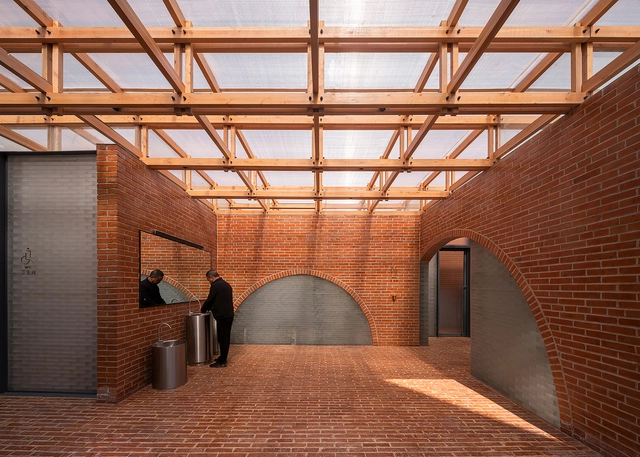
The design of public bathrooms and changing facilities has historically catered to a generalized notion of user needs, often oversimplifying the complexities of gender-specific requirements and falling short of supporting the unique needs of women. These needs extend beyond biological differences—such as the necessity for more stall privacy and differences in height and body posture—to include cultural factors that influence restroom use and expectations over time.

For instance, women's contemporary clothing often lacks adequate pocket space, resulting in the need to carry a handbag, even for simple essentials like phones and wallets. Despite efforts in recent architectural designs to address these disparities, the layered nuances of biological, cultural, and gender identity factors present a multifaceted challenge that defies a one-size-fits-all solution.

Spatial Equity in Urban Infrastructures: Public Restrooms Addressing Women’s Needs - Image 1 of 4Spatial Equity in Urban Infrastructures: Public Restrooms Addressing Women’s Needs - Image 2 of 4Spatial Equity in Urban Infrastructures: Public Restrooms Addressing Women’s Needs - Image 3 of 4Spatial Equity in Urban Infrastructures: Public Restrooms Addressing Women’s Needs - Image 4 of 4Spatial Equity in Urban Infrastructures: Public Restrooms Addressing Women’s Needs - More Images+ 23

Perfect Days: An Ode to Tokyo's Public Toilets

Subscriber Access | 

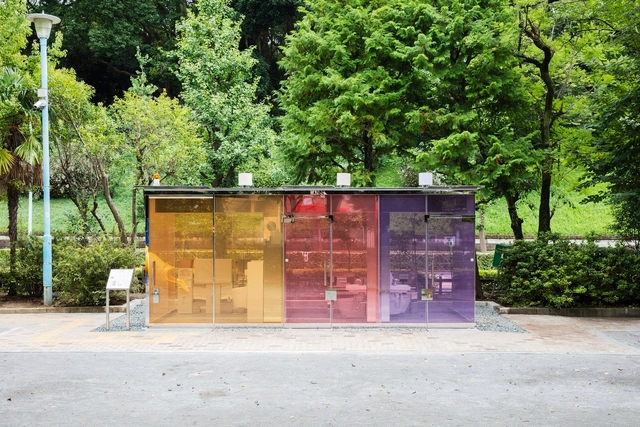
"A bathroom is a place where everyone is equal—there is no rich or poor, no old or young; everyone is part of humanity." This reflection was shared by Wim Wenders, exponent of New German Cinema and director of the film Perfect Days (2023) when asked about the striking sets of his most recent work. Wenders selected Tokyo's public restrooms to craft a narrative that deeply explores themes of solitude, simplicity, and the beauty of everyday life.

The story follows Hirayama, a middle-aged man working as a public toilet cleaner in Tokyo. His life is simple and routine, yet filled with small pleasures and moments of reflection. This modest lifestyle contrasts with the technological, colorful, and innovative designs of the public restrooms he cleans every day.

Perfect Days: An Ode to Tokyo's Public Toilets - Image 1 of 4Perfect Days: An Ode to Tokyo's Public Toilets - Image 2 of 4Perfect Days: An Ode to Tokyo's Public Toilets - Image 3 of 4Perfect Days: An Ode to Tokyo's Public Toilets - Image 4 of 4Perfect Days: An Ode to Tokyo's Public Toilets - More Images+ 12

How to Paint Your Bathroom?

Subscriber Access | 

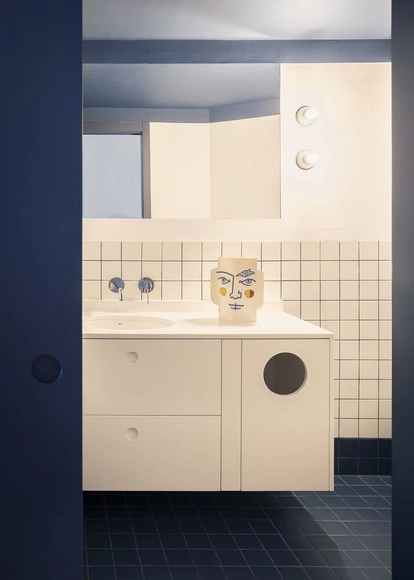
Give your bathroom a fresh look with a modest investment, avoiding the hassle of extensive construction. Transform the space by adding plants, reconsidering lighting, or experimenting with new colors. If opting for a color change, explore painting the walls or tiles to revitalize the environment. To assist you in this endeavor, we present the perfect paints for the job along with inspiring projects to spark your creativity

How to Paint Your Bathroom? - Image 1 of 4How to Paint Your Bathroom? - Image 2 of 4How to Paint Your Bathroom? - Image 3 of 4How to Paint Your Bathroom? - Image 4 of 4How to Paint Your Bathroom? - More Images+ 15