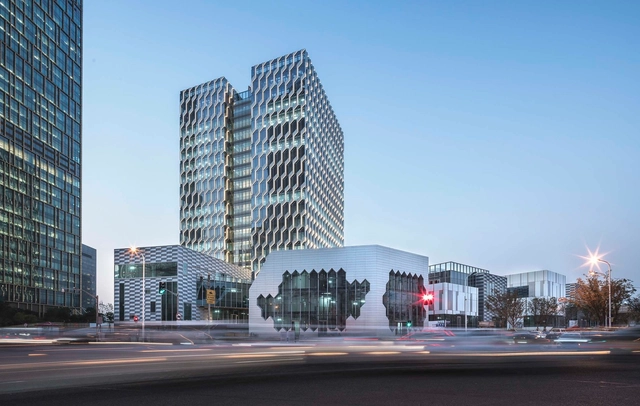
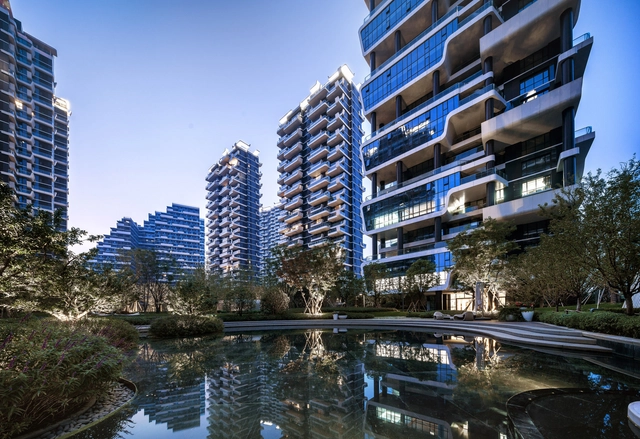
Across China, a legacy of vast industrial structures stands decommissioned, as a direct result of the nation's economic shift to different forms of industry. These buildings are defined by their colossal height and deep structural capacity. Today, they present an architectural challenge for contemporary urban renewal and a new topic for heritage preservation. As they become absorbed by growing urban developments, architects are tasked with translating them into functional, public-facing assets. Thus, recent interventions are capitalizing on defining elements such as furnaces and chimneys to help reposition these massive complexes as critical urban landmarks.
With a total of 95 new projects recognized by Prix Versailles, the 24 global winners of this 2023 edition have recently been announced. They stand as evidence of the aesthetic vitality of each of their respective regions, paying homage to the work of numerous pioneering and/or internationally renowned firms.
Covering all regions of the world, the continental winning projects of the 2023 Prix Versailles have been revealed. With 18 selected establishments in the categories of stores, hotels, and restaurants, as well as 15 shopping centers, the projects are grouped into six regions: Africa and Western Asia; Central, South America, and the Caribbean; North America; Central and Northeast Asia; South Asia and the Pacific; and Europe.
Good architectural design can encompass a myriad of aspects, but can be generally regarded as buildings/constructions that are planned, designed and devised to be functional, aesthetic and durable. They can often be timeless designs, made for the benefit of the people who will inhabit them, and demonstrate a multi-disciplinary approach to space and interaction design. This is the spirit of the A’ Design Award and their “Good Architectural Design” super-category, which seeks to reward the best in architecture and design around the world.
https://www.archdaily.com/1007767/a-good-architectural-design-20-exemplary-winners-from-the-2022-2023-cycleDaniela Porto
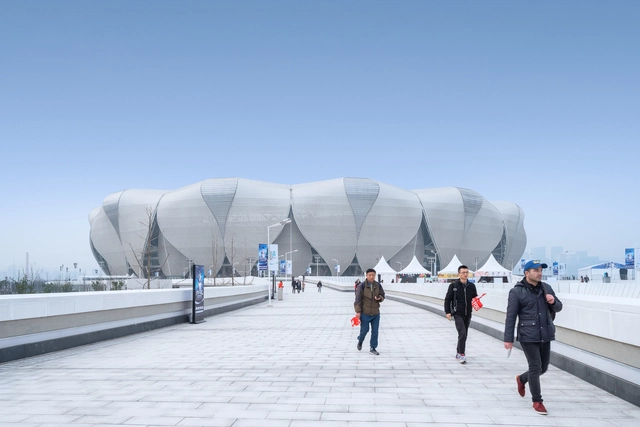
On April 16, a ground-breaking ceremony was held in the city of Guangzhou, China, for what is to be the world’s largest soccer stadium. The most controversial aspect of the project was not its $1.7 billion price tag, but its bold lotus shape causing a backlash from the local architectural community but praise from the general public.
https://www.archdaily.com/939211/forecasting-the-future-of-sports-architecture-with-10-newly-built-stadiums-around-the-worldMilly Mo
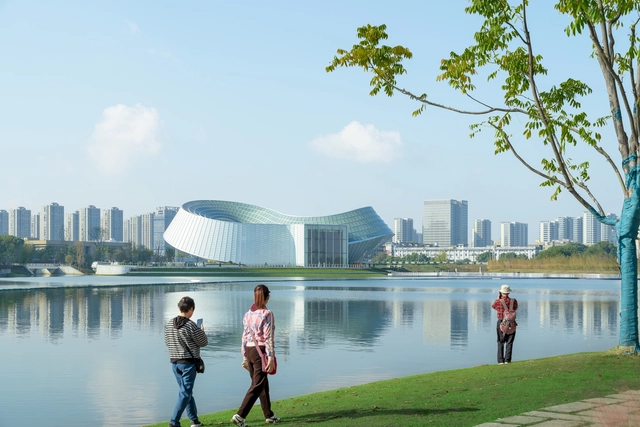
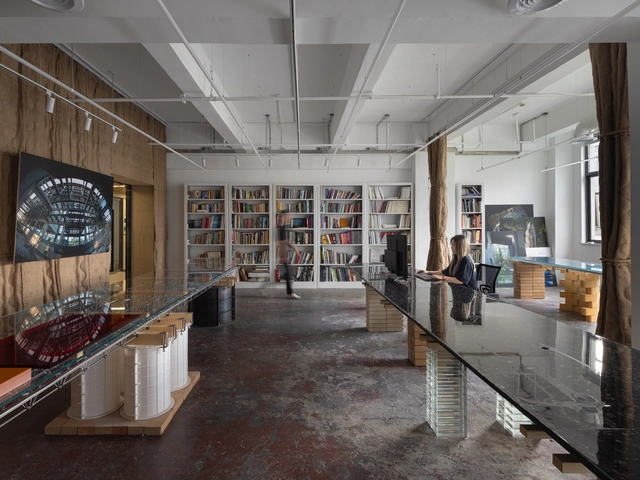
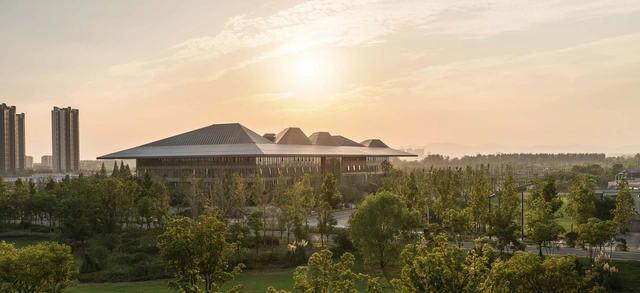
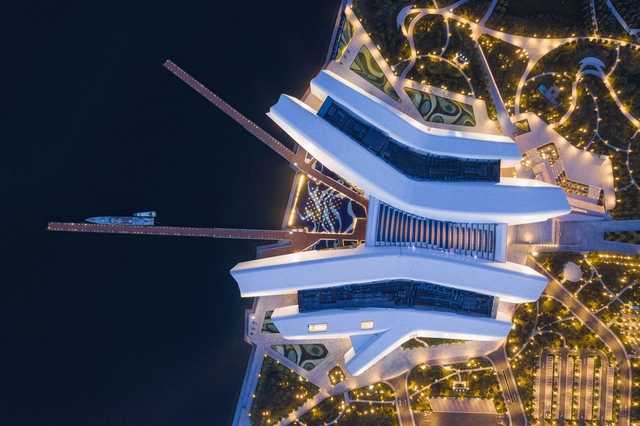
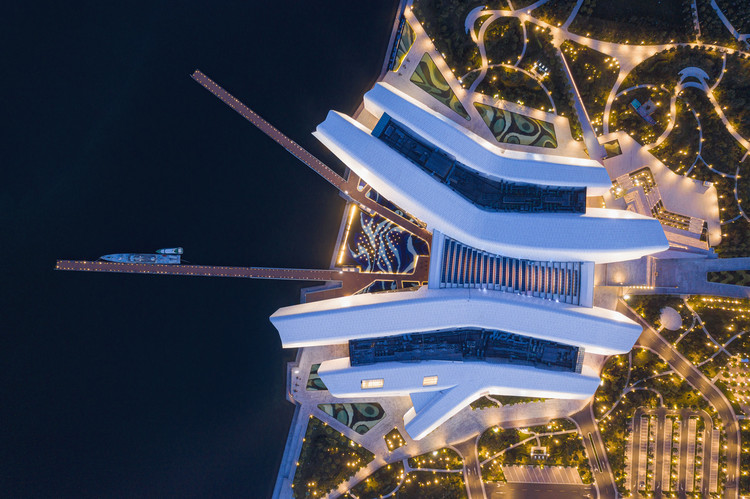
China’s latest landmark, the National Maritime Museum is now open to the public. 6 years in the making, the project is first of its kind. Designed by COX Architecture, after winning the international design competition back in 2013, the museum is located in the recently developed Binhai New Area, in the city district of Tianjin.






















.jpg?1566310850&format=webp&width=640&height=580)
.jpg?1566312629&format=webp&width=230&height=230&crop=true)
.jpg?1566310617&format=webp&width=230&height=230&crop=true)
.jpg?1566310850&format=webp&width=230&height=230&crop=true)
.jpg?1566311534&format=webp&width=230&height=230&crop=true)
.jpg?1566310850)