When Archigram published their fanatical vision for pneumatic cities and walking megastructures in the 1960s, they seemed to be designing buildings. Beneath the surface, the avant-gardeists were pushing culture through radical alternatives to lifestyles and forms of organizing in the city. Laboratories found themselves between the lines of copy on Domus or Casabella magazines, propositions doubling as blueprints for the civilizations to come. From Gropius's Bauhaus in 1919 to Arcosanti's desert experiments in the 1970s, architecture operated as a form of cultural prophecy. Built form was the argument. The drawing was the vision. Today, we live in a world that remarkably resembles what the starchitects of the 1900s imagined - modular construction, interconnected digital cities, and automated systems. Yet contemporary architecture rarely proposes culture with the same totalizing confidence.
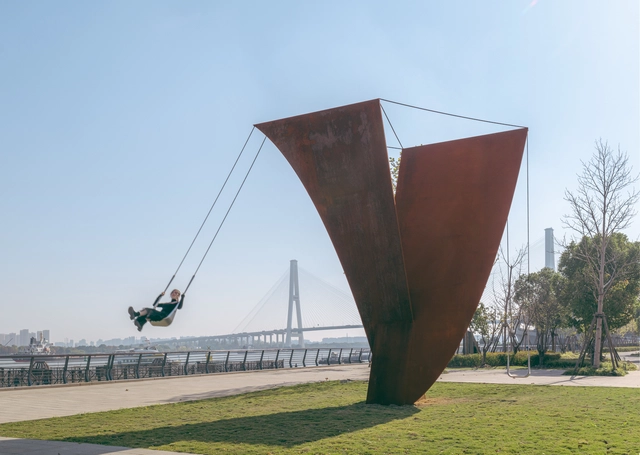
In the productivity-driven dynamics of contemporary cities, playful interventions in public spaces offer an innovative way to reclaim urban environments. These interventions encourage new ways of thinking and acting, temporarily breaking the monotony of everyday life and redefining the concept of play. Once confined to childhood and separate from daily activities, play has begun to intertwine with routine paths, becoming an integral part of urban life even outside traditional leisure times. In this way, reintroducing the swing—the most iconic children's toy—becomes particularly significant. As a symbol of childhood, pleasure, and joy, the swing contrasts sharply with the rigid appropriations of most public spaces, inviting a more relaxed and playful engagement with the urban environment. On June 11th, the UN International Day of Play reminds us of the benefits of incorporating diverse activities into urban spaces, for both children and adults, fostering community, creativity, and well-being.
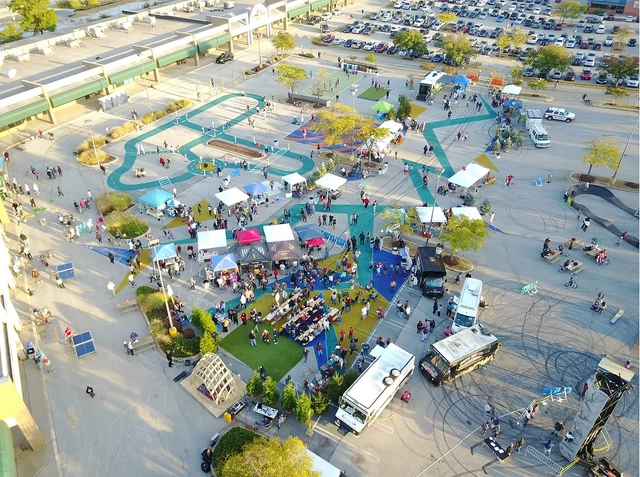
When streets lay empty, sidewalks untouched, and shutters hung heavy, the city seems lost of life. When businesses close, offices go remote and economic activity declines, the mechanisms that operate a city are idle. Vacant space and land are often perceived as “failed”, reflecting urban decline and economic blight. Emptiness, however, holds hope for possibilities and change. When urban voids are at the brink of transformation, what happens in the meanwhile?
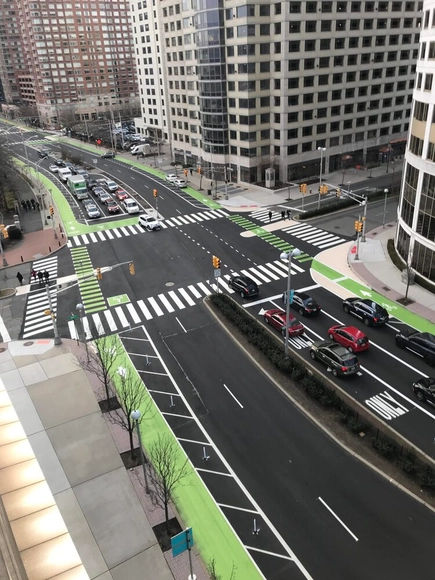
Once a 6-lane thoroughfare, Washington Boulevard underwent an initial "quick-build" transformation in 2019, adding painted protected bike lanes, curb extensions, pedestrian refuge islands, and boarding islands allowing for in-lane bus boarding/alighting. The physical protection for cyclists was upgraded further in 2022. Image Courtesy of Street Plans
Covid has been particularly hard on cities: downtown business districts are still struggling due to the shift to remote work; some cities have seen population declines; and crime has spiked virtually everywhere. In addition, the pandemic pushed more people into cars, setting back the safe streets movement. After years of progress, cities like New York City saw big increases in pedestrian deaths. This is a nationwide problem—with one notable exception: Jersey City recently announced that no one died on its city streets in 2022, meeting its Vision Zero plan for the city. The milestone was the result of years of work by the city and its collaborator, Street Plans, a planning firm founded by Mike Lydon and Anthony Garcia. Lydon, a DPZ alum and co-author of the 2015 book Tactical Urbanism (currently being updated), began working with Jersey City on a whole raft of initiatives six years ago. I spoke with Lydon last week and asked him, specifically, how the city and he did it.
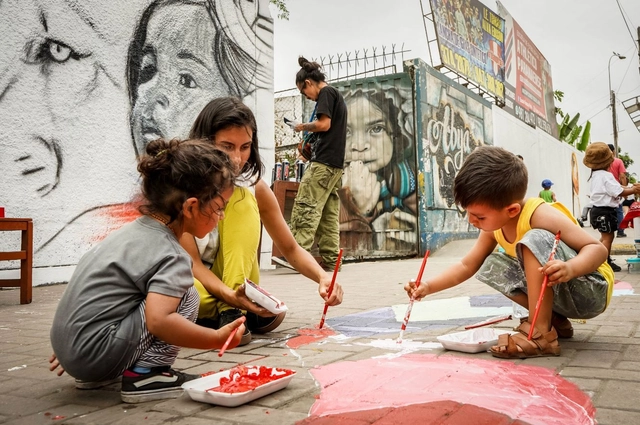
Lucía Nogales is the general coordinator of Ocupa tu Calle (Occupy your Street) —an UN-Habitat, Avina Foundation-supported initiative promoted by Lima Como Vamos— which focuses on 'citizen urbanism' for inclusive and resilient cities in Latin America.
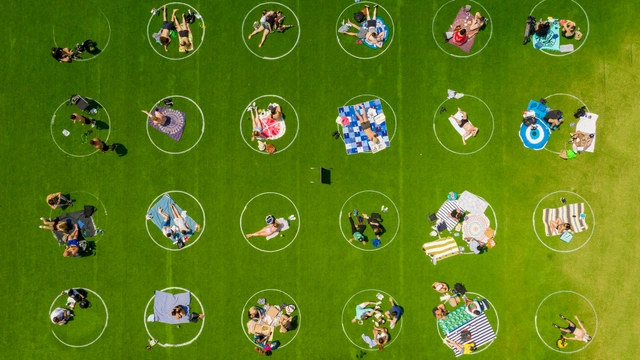
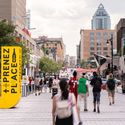
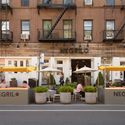
The pandemic provided a unique circumstance for city-scale experiments regarding mobility, while immediate responses showed the transformative power of tactical urbanism. In many cities, the measures meant to ensure social distancing are to be kept in place post-pandemic, paving the path towards recovery with less traffic and more outdoor activities. How did the pressure of rethinking streets, functions, and transportation systems transform public space in 2020?
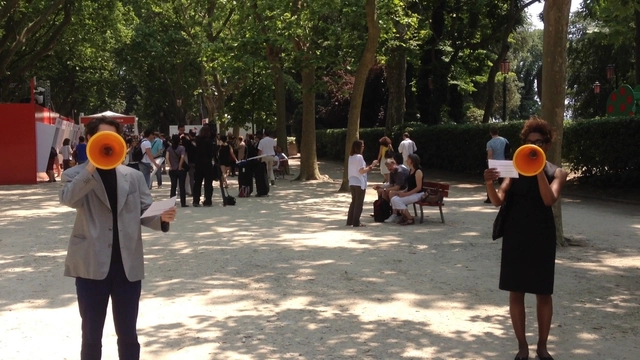
The inertia of politics and governance in a time when major societal changes occur at an increasingly faster pace and the dissatisfaction with the decision process makes room for bottom-up actions, activism and bold endeavours. In the light of so many examples of social activism, do architects have the tools to make their own stand? Does architecture have the power to disrupt the status quo?
The Covid-19 pandemic has transformed the way we live our lives. Significant and long-lasting repercussions will be felt across society and industry, many of which are sure to influence the way we approach the design of our buildings and cities. Over the past few weeks, the Urban Design team at Foster + Partners has been exploring how recent and fast moving developments in urban planning – instigated and encouraged by the current crisis – will affect and shape the future of London and others worldwide.