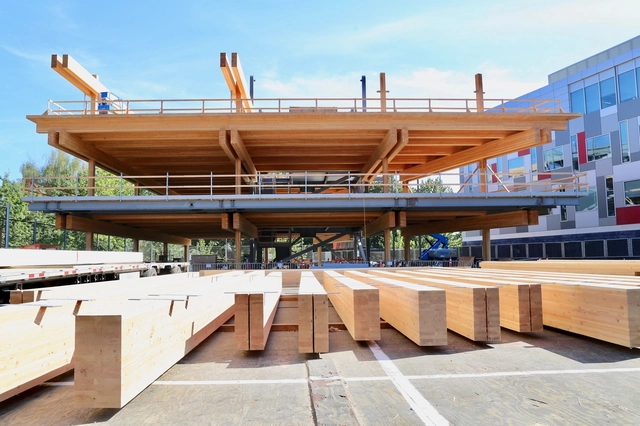
Adidas North American Headquarters Expansion in Portland, OR. South Building under construction showing the timber and steel system. Image Courtesy of LEVER Architecture
The family of products that encompass mass timber –including Cross-Laminated Timber (CLT), Glue-Laminated Timber (Glulam), and Mass Plywood– is increasingly becoming a viable construction alternative for the AEC industry. Timber has been a structural material for thousands of years, but these engineered wood products have broadened the field of options and provided a solid basis for architectural designers to work with, expanding upon their range of materials and finishes.
As the world's leading annual international juried design competition, the A' Design Awards were established to promote and recognize the best design work in all countries and in all creative disciplines. The Award has 100 main categories, including some of the most popular categories such as Architecture, Building and Structure Design,Interior Space and Exhibition Design, and Furniture Design, in addition to others related to the world of Lighting, Landscape, Building Materials, and many others. This year's edition is now open for entries; designers can register their submissions here.
https://www.archdaily.com/966287/top-20-a-design-award-winners-well-being-and-material-innovationArchDaily Team
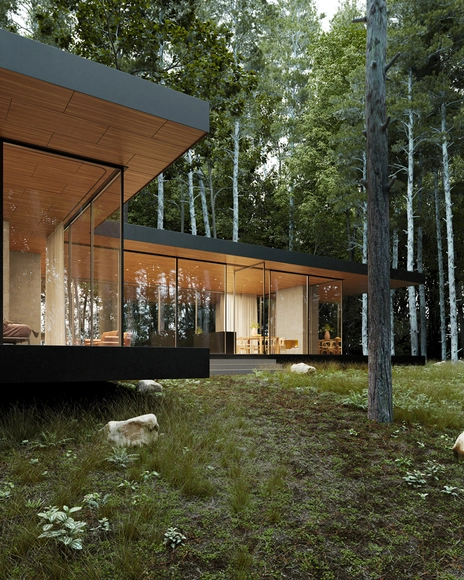
Single Family Home / Indievisual AG. Image Courtesy of Prodema
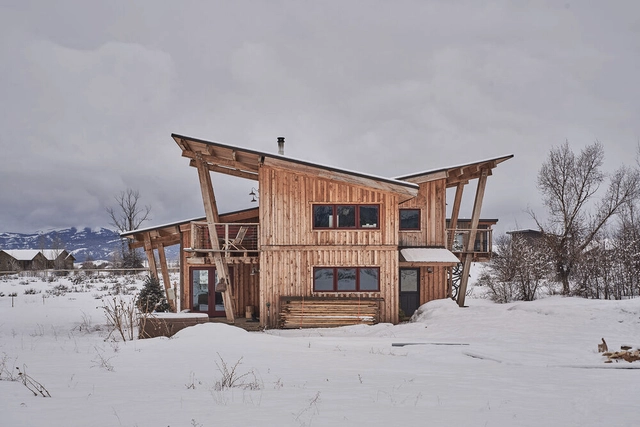
Many practitioners and theorists of modern architecture favored large open plans, looming glass windows, and through both of these means, an unencumbered connection to nature. To do so, many iconic modernist buildings would use cantilevered roofs extending over glass curtainwalls, including Mies van der Rohe’s Farnsworth House and Pierre Koenig’s Case Study House #22. In the years since this trend was popularized, however, a seemingly niche yet cumbersome problem would present itself: the problem of continuous wood ceilings.
https://www.archdaily.com/965244/the-continuous-wood-ceilings-trend-warmth-and-texture-indoors-and-outdoorsLilly Cao
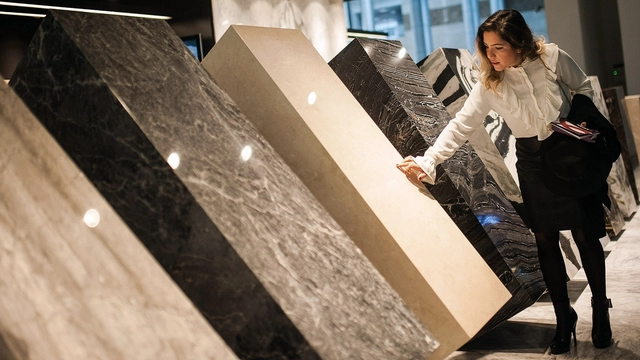
The world's largest natural stone industry fair, Marble İzmir, seeks to transform the future of natural stone by combining sectoral changes and new business approaches. Join the Marble İzmir Fair, where thousands of varieties of Turkish natural stone are presented for investors, traders, and professional organizations to connect and appreciate their colors, textures, and patterns. The Fair will take place between August 25-28, 2021.
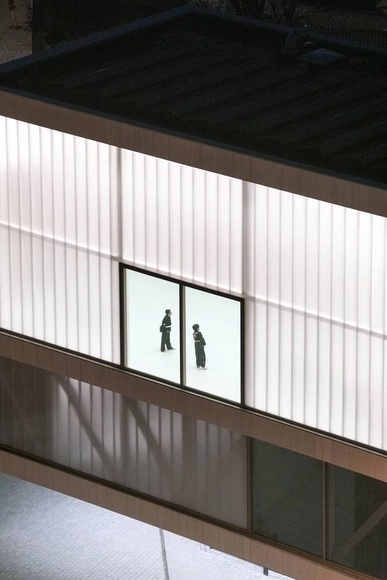
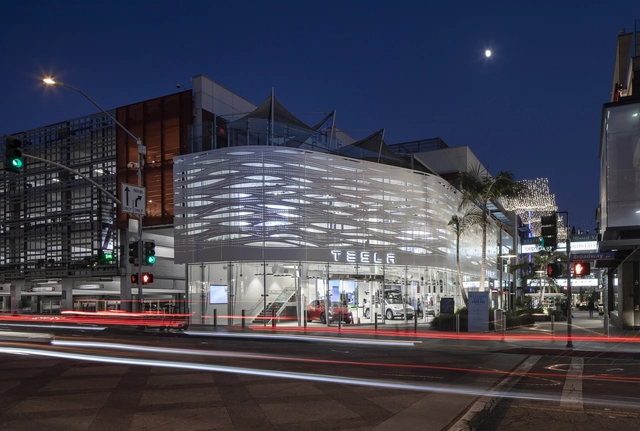
Translucent polycarbonate panels boast unique and striking aesthetics while simultaneously maintaining efficient functionality. They can add depth and color to a façade and may adapt to meet a wide range of performance requirements, from temperature resistance to impact resistance to UV protection and more. Rodeca, a leading company in the polycarbonate panel industry, offers high-quality products with high customizability vis-à-vis colors, transparency levels, treatments, profiles, sizes, joint systems, and more. Below is a detailed list of these many options, accompanied by diagrams and installation steps. We also discuss several case studies where polycarbonate facades have been used to great success, taking full advantage of the options available alongside the intrinsic aesthetic qualities of the translucent panels to complement and elevate their designs.
https://www.archdaily.com/964597/how-to-design-and-install-seamless-translucent-polycarbonate-facadesLilly Cao
Videos
Cortesía de World Design Capital Valencia 2022
The World Design Capital® is designated every two years by the World Design Organization (WDO), which is dedicated to promoting the design profession worldwide. The objective is to recognize cities that use design as a tool to stimulate economic, social, cultural and environmental development. The latest cities chosen have been Turin, Seoul, Helsinki, Cape Town, Taipei, Mexico City and Lille; an interesting mixture of cities that have established design as a key method of transformation.
People have fundamental needs that must be met in order to survive, which include: oxygen, water, food, sleep, and shelter. They also have secondary requirements, one of which is daylight. When thinking about how buildings can keep people healthy, it is important to remember that daylighting is essential to wellness, in fact, human circadian rhythms are dependent on it.
Business planning is similar to creating design iterations and drafting drawings before starting construction, in the sense that it is the blueprint for a firm's future success. Having a strategic plan provides a basis to evaluate what is happening in real-time against what was expected, make adjustments as necessary, and have a guide to help make better business decisions. Without a plan, how can you coordinate all of the elements and timing required to achieve the desired result? How can you navigate an unpredictable business environment?
Let's review how the business plan with a whole-systems approach can guide us to successful results, as developed by Charrette Venture Group (CVG).
Claude Monet and Vincent van Gogh used the impasto technique extensively in their paintings. Both applied thick layers of oil paint over the canvas, usually one shade at a time, and it was up to the viewer's brain to mix the colors and create the desired effects. When dry, the paint forms reliefs and textures on the canvas, evoking a sense of movement. Even without being able to touch the screen, the texture of the brushstrokes gives a three-dimensionality to the painting, something that can only be fully observed by seeing the artwork live, looking at it from more than one angle and actually experiencing it.
In his famous book “The Eyes of the Skin: Architecture and the Senses,” Juhani Pallasmaa points to "a predilection in favor of vision and in detriment of the other senses in the way architecture was conceived, taught and criticized, as well as the consequent disappearance of sensory and sensual characteristics in arts and architecture." According to the author, "an architectural work is not experienced as a series of isolated retinal images, but in its fully integrated material, corporeal, and spiritual essence."
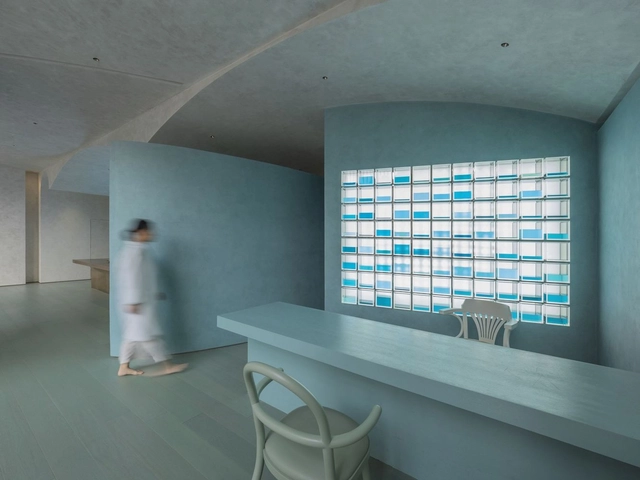
A room, a life. Nowadays we spend most of our time in closed spaces. Ideally, they should suit us and be conducive to our well-being. Furniture, décor, lighting, colors, patterns, and fabrics all have an effect on us, albeit an unconscious one. Be it playful elegance, rekindled tradition, or simple functionality, what mainly counts where interior architecture is concerned is the purpose for which a room is to be used. The iF DESIGN AWARD 2021 winners’ designs create totally new styles for very different needs and carry conviction with a great sense of detail.
The NextGen International Talent Taskforce is a collaboration between IE University’s School of Architecture and Design and CPA NextGen to promote international talent exchange and foster discussions related to the real estate industry. This “working group of NextGen professionals”—which includes alumni from IE University—meets bimonthly to discuss important topics such as sustainability, inclusivity, technology, cities and wellbeing.
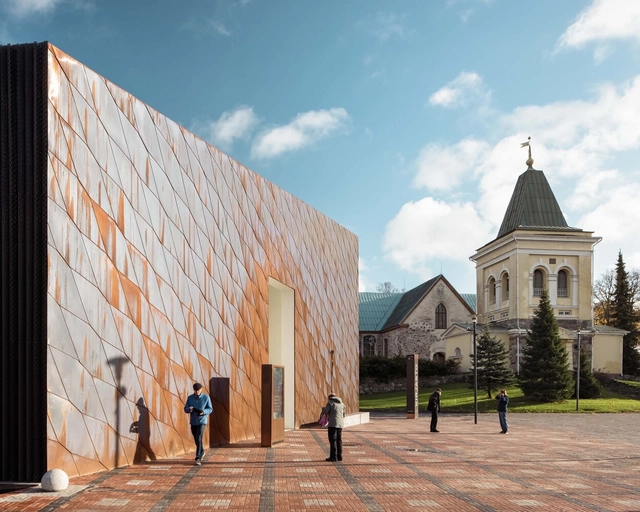
It is believed that copper was the first metal to be found by men and used in the manufacture of tools and weapons. This occurred in the last period of prehistory, more than 10,000 years ago, in the so-called Metal Age, when groups, until then nomadic, started to become sedentary, developing agriculture and starting the first urban settlements. Copper has since been used in diverse ways. Used for decorative objects, jewelry, automotive parts, electrical systems, and even for dental amalgams, the material has had huge demand. In architecture, copper coatings are greatly appreciated for their aesthetics and durability. But a factor worth mentioning is that copper can be recycled infinitely, practically without losing its properties.
Integrating metal panels into exterior architecture can result in a unique building that is both performative and beautiful. Metal panels customized in tandem with adaptive solutions, proprietary technology, and skilled project managers and designers create a perfect opportunity to make a statement in the surrounding built environment. Arktura provides services, resources, and materials to support endless creativity with exterior metal wall panels that give the flexibility to achieve virtually any design preference.
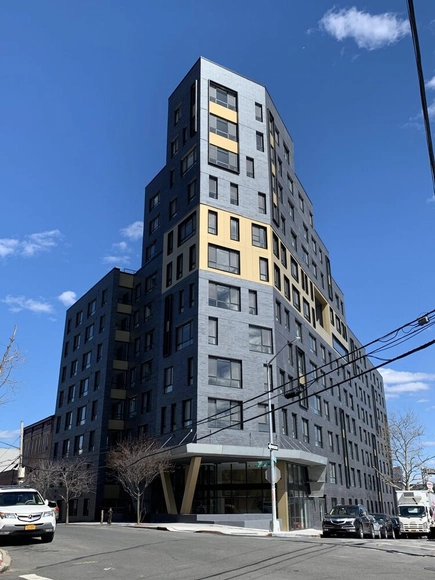
Rooftop water tanks are a familiar part of the New York City skyline, persisting through generations of the city's rapid growth. Yet despite their nostalgic affect and somehow endearing states of relative decay, their decrepit outward appearances may belie their water's quality. In 2014, it was found that many of these weathered containers had actually built up layers of grime and that some even contained E. coli. In 2019, the city finally passed legislation mandating annual inspection reports for all drinking water tanks, though these changes are still nascent.
https://www.archdaily.com/964000/new-affordable-living-in-the-bronx-chooses-a-luxury-hot-water-systemLilly Cao
Videos
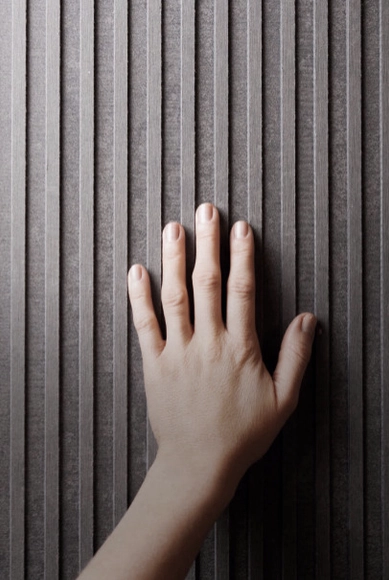
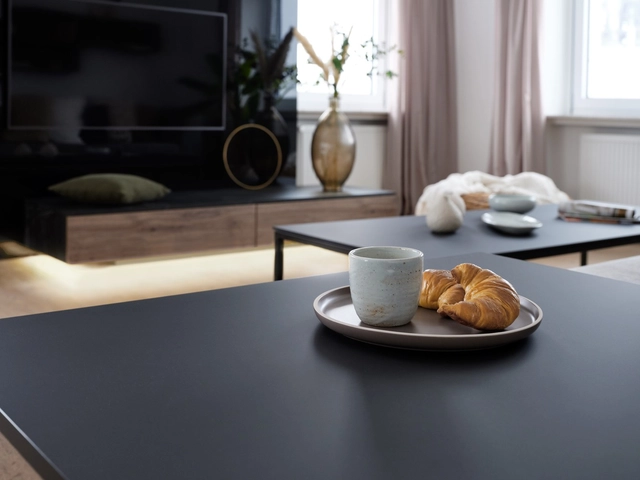
Thanks to the improved surface properties, PerfectSense Premium Matt Lacquered Boards can now be used for horizontal surfaces. Image Courtesy of EGGER Holzwerkstoffe
Wood-based materials manufacturer EGGER continues to develop and improve its matt and high-gloss PerfectSense Lacquered Board - a range of surfaces that has been on the market for five years and that provides high-quality visual and haptic properties.
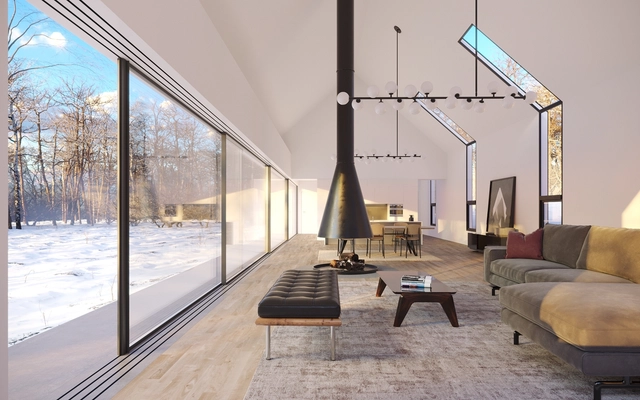
A frameless window is exactly how it is described – a seamless glazing option that has no obvious frame around the perimeter. As a new design phenomenon, frameless glass panels are used for balconies, shower screens, glass doors, and bespoke conservatory windows, creating a ‘wall of glass’ effect, which is a hallmark of contemporary architectural design. Seamless glazing has a range of advantages, the first being the supreme stylistic feature it can create, letting the optimum amount of light into a room and provide a chic contemporary element to a building. Aside from the aesthetic appeal, frameless windows are simple and super-fast to install so homeowners can enjoy minimum disruption and lower installation fees.
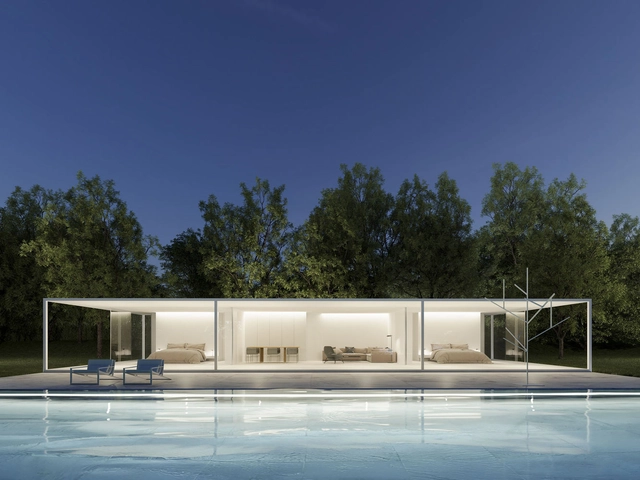
inHAUS By FSA – Houses Collection / Fran Silvestre Arquitectos
Clear structures, restrained colors, and natural grace characterize the innovative residential building concepts that delighted members of the 2021 iF Design Awards jury. The awards were granted to impressive ideas that created a visual symbiosis with nature, among other concepts. These are residential buildings that fit casually into their natural surroundings—as if they themselves had emerged from their environment.
https://www.archdaily.com/963549/innovative-residential-buildings-and-concepts-meet-the-winners-of-the-if-design-award-2021Sponsored Post
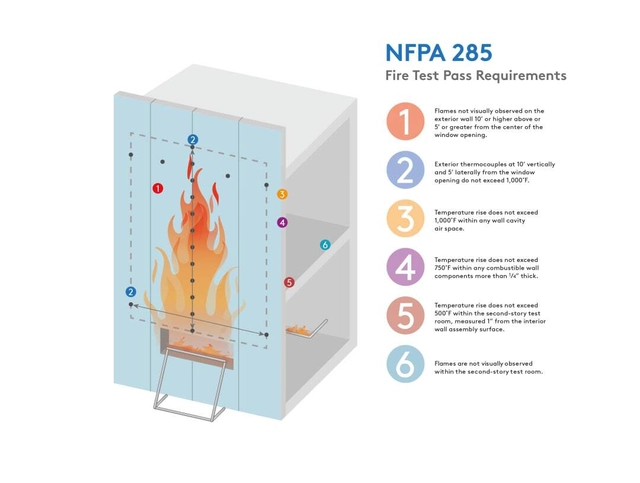
The way in which a fire evolves largely depends on the materials that constitute the building, as well as how it is designed. For this reason, there exist a number of fire safety requirements in building codes that must be followed during the initial design stages, as well as the physical construction of a building. In addition to these building codes, there are other considerations that must be taken into account such as thermal comfort, acoustics, and accessibility. When specifying a material or product for part of a building, the architect or design professional must pay close attention to meeting these demands. An example of a suitable material choice is the Insulated Metal Panel (IMP), which can have superior thermal properties, various appearance possibilities and good fire resistance.