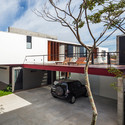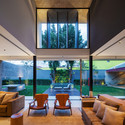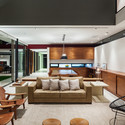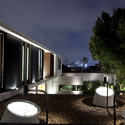

-
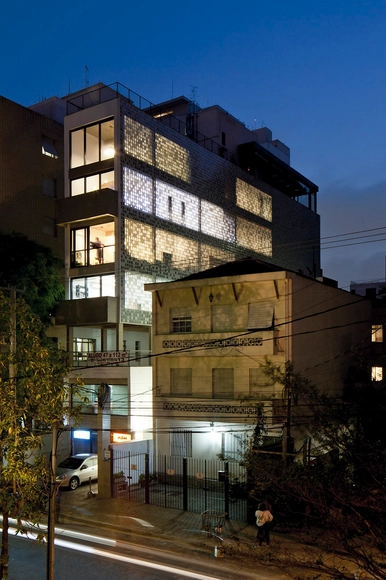
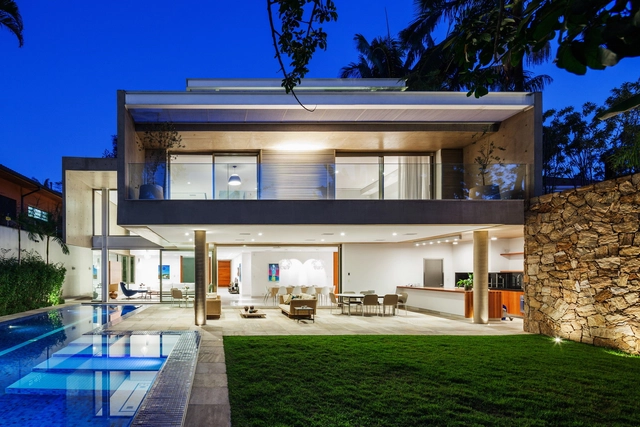
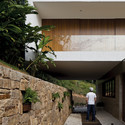
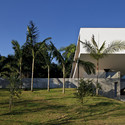
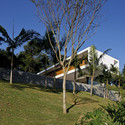
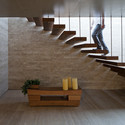
Architects: LoebCapote Arquitetura e Urbanismo
- Area: 85000 m²
- Year: 2013



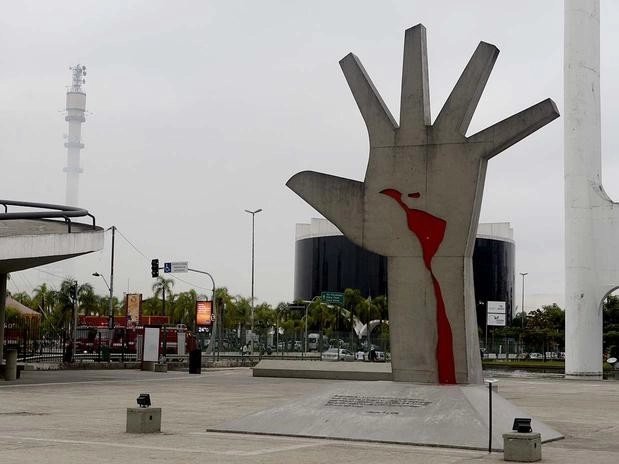
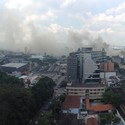
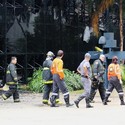
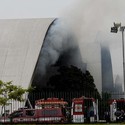
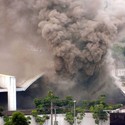
Después del incendio, el futuro del Memorial de América Latina de Oscar Niemeyer, es incierto.
De acuerdo con el presidente del Memorial, João Batista de Andrade, se está esperando que terminen las investigaciones del Departamento de Bomberos y la Policía antes de determinar qué acción se tomará: "Tenemos que saber cuál es el impacto del fuego en la estructura del edificio. Si tenemos que demoler, lamentablemente, tendrá que hacerse. Si la seguridad lo requiere, vamos a demoler".
Más detalles, después de la pausa...
Producers Monstro Filmes have shared with us a gorgeous animation: an homage to the city of Sao Paulo and its five major architectural icons.
São Paulo: 5 Grandes Construções (Sao Paulo: 5 Great Buildings) highlights the Martinelli Building, Banespa, MASP, COPAN and Unique. Clearly inspired by "Chicago - Five Great Buildings," by Al Boardman, the video uses simple, fluid lines to represent and reveal each building's unique form.
Iwan Baan's recent TED talk on ingenious informal settlement 'architecture' became instantly popular, clearly striking a chord with people across the globe. The lecture has been called everything from heartwarming to condescending, but for Parsons graduate students Meagan Durlak and James Frankis it was reaffirming. Durlak and Frankis have spent time working in Sao Paolo's favelas and understand that finding a balance between the good and the bad is key to the revitalization of these settlements. This article, originally published in Metropolis Magazine as "Response to Iwan Baan's TED Talk," journals some of their experiences working in South American slums, and why we need to stop treating those slums as a blight.
Meagan Durlak and I were excited to see the TED talk by architectural photographer Iwan Baan on the ingenuity found within informal settlements. In his presentation he walks us through a range of communities across the world, capturing many such settlements, including houses above a lagoon and a repurposed office block.
Baan’s view of informal settlements resonates with our own work; it’s an under-told story that we very much applaud. He shows an overview of people’s lives and their unique methods for adapting to difficult conditions. Perhaps as interesting as his film are the reactions to it from TED viewers. Many found the innovation in informal settlements to be inspiring and heartwarming; others claimed that this talk is just a life affirming story for the rich 1% of the world, perpetuating inaction for areas which need immediate aid. The two sides of the argument reminded us of our own work and the battles we have gone through in trying to wrap our heads around the systems of informal settlements, as well as the difficulties we have had in explaining their hidden properties to others.

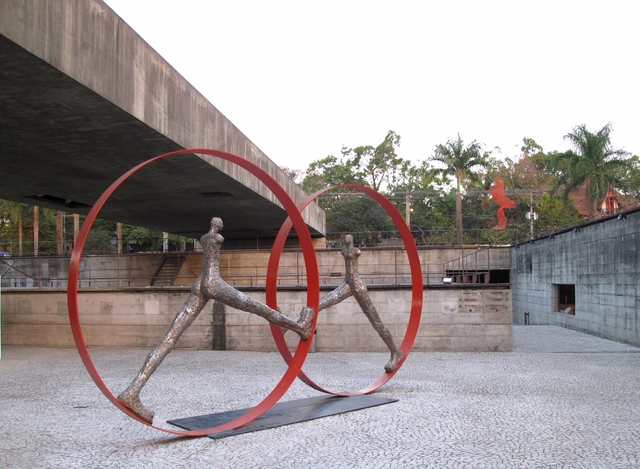
Keep an eye out, or you might miss the Museu Brasileiro de Escultura (a.k.a. MuBE, pronounced MOO-bee). Widely considered the masterpiece of Pritzker Prize-winner Paulo Mendes da Rocha, the building was in fact born out of the desire to have no building at all. When in the 1980s an empty lot in Sao Paulo's mansion-laden Jardins district was slated to become a shopping mall, wealthy residents successfully lobbied to create a public square instead. To sweeten the deal and ensure the land stayed commercial-free, they hired Mendes de Rocha to create MuBE. Completed in 1995, the 7000-sq-meter museum hunkers down beneath ground level, thus preserving what in Sao Paulo is that rarest of luxuries: a public green space.
.jpg?1464262594&format=webp&width=640&height=580)
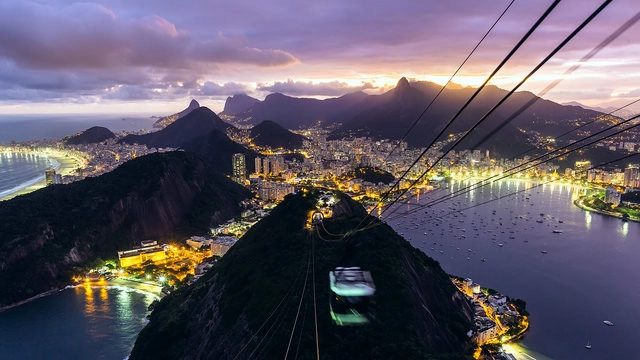
In this article, which originally appeared on the AIArchitect, Sara Fernández Cendón discusses the opportunities and challenges for US architects who are taking advantage of Brazil's infrastructure development boom, particularly in the wake of the 2014 FIFA World Cup and in preparation for the 2016 Summer Olympics.
Until Brazil was selected to host the FIFA World Cup in 2014 and the Summer Olympic Games in 2016, only three countries had hosted both events back-to-back. Successful bids for either event are usually equal parts proof that the country already has what it takes and a promise that it will do whatever else necessary to make things run smoothly.
In Brazil’s case, the “promise” part has generated a handful of projects for architectural firms around the world; Populous is responsible for conceptual design a stadium in the city of Natal, for example. And some observers believe that World Cup building delays could generate a rush of last-minute opportunities for foreign construction professionals. But even if these two headline-grabbing events haven’t been fully planned and designed by foreigners new to Brazil, the country is evolving into an emerging market for American architects, built on its intense thirst for upgraded commercial and transit infrastructure.





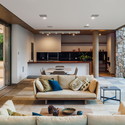
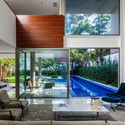
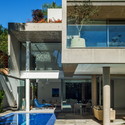
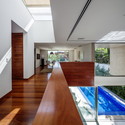


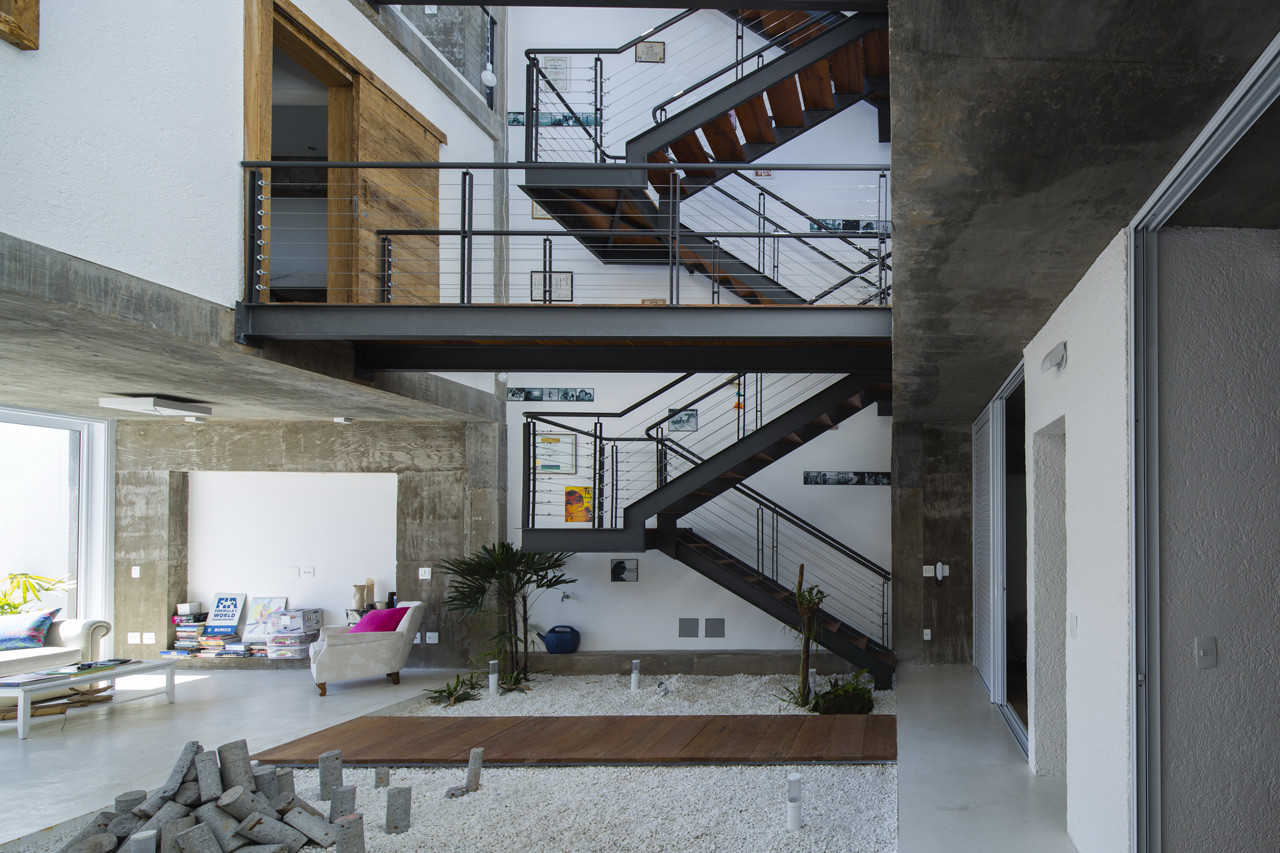
.jpg?1385637874&format=webp&width=640&height=580)
.jpg?1385637874)










.jpg?1382229478 "© Fernando Guerra | FG+SG")
.jpg?1382229444 "© Fernando Guerra | FG+SG")
.jpg?1382229500 "© Fernando Guerra | FG+SG")
.jpg?1382229500 "© Fernando Guerra | FG+SG")
.jpg?1464262594)