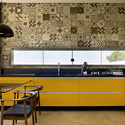



-
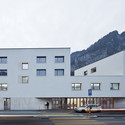
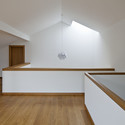
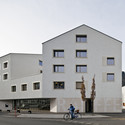
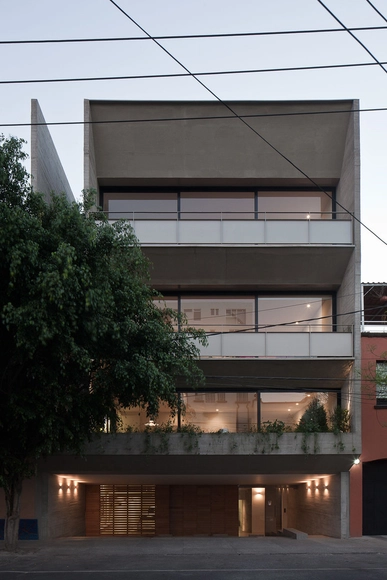
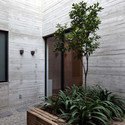
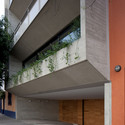
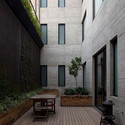
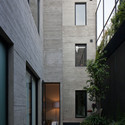
Architects: SAINZ arquitetura
- Year: 2013




In recent weeks both the national papers and the London Evening Standard have been reporting dramatic increases in the price of houses in the capital. Up 8% in a year they say. This isn’t great. Rents are also rising sharply. Soon, many, particularly young, Londoners will be trapped, unable to rent or buy. No doubt this is increasingly the case in many big cities. But England is still arguably in a recession, the worst for nearly a century.
In an attempt to find affordable homes people move further away from their work, especially those on low wages, and spend too much of their salary and their time commuting. The cost of housing affects what we eat, whether we exercise and how much spare time we have. It affects our quality of life.
So, this is not about business or property. It’s more important. This is about home. Home is a refuge. It’s our emotional harbour. In fact it is a human right. As the UN Covenant on Economic, Social and Cultural Rights states: it is 'the right of everyone to an adequate standard of living for himself and his family, including adequate ... housing'.
Can architects help? Yes. As architects, we need to ask what home actually is, and, how it fits into the city. Indeed, the answer is as much anthropological as it is architectural, as it lies in re-thinking the house itself, in creating - not housing - but homes.
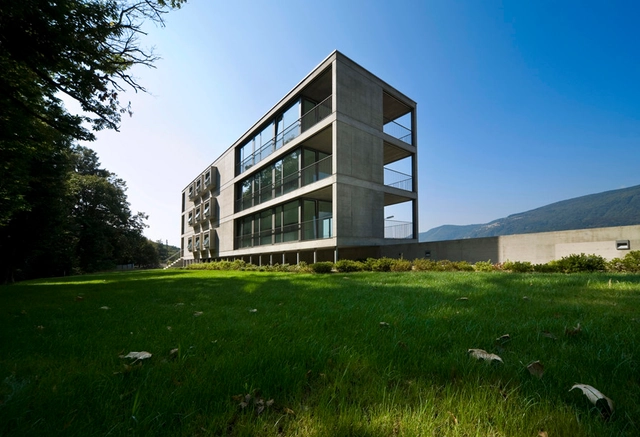
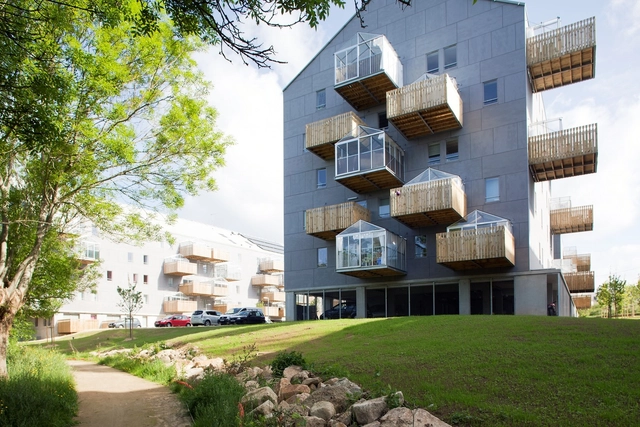
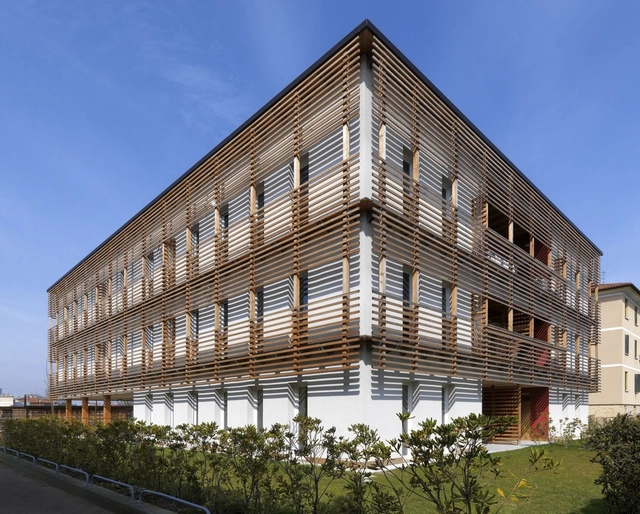

The term 'green' is notoriously difficult to define, and even more so when it comes to architecture. An often overused and fashionable way of describing (or selling) new projects, 'green' design seems to have permeated into every strand of the design and construction industries. Kaid Benfield (The Atlantic City) has put together a fascinating case study of a 1,700 dwelling housing estate near San Diego, challenging what is meant by a 'green' development in an attempt to understand the importance of location and transport (among other factors) in making a project truly environmentally sustainable. In a similar vein, Philip Nobel (The New York Times) explores how 'green' architecture is less about isolated structures and far more about "the larger systems in which they function". Read the full article from Kaid Benfield here, and Philip Nobel's full article here.

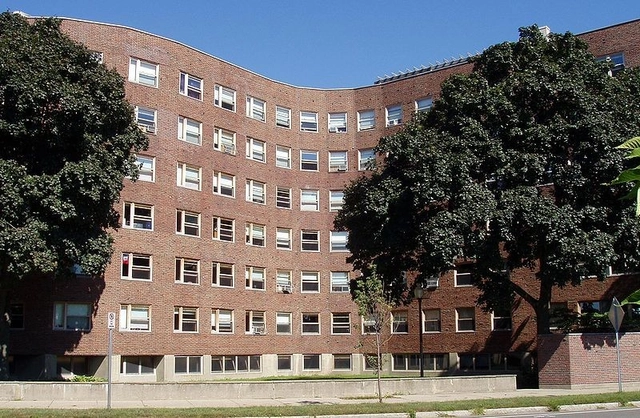
In the wake of two heinous designs for student housing dominating the conversation in the Carbuncle Cup, The Guardian's Olly Wainwright explores the causes of such poor standards in the field of student accommodation. He explains how the economics and planning regulations surrounding student housing in the UK make it a hugely profitable area of the construction industry, while also making it susceptible to low standards which would be seen as unacceptable in any other housing sector. By contrast, in another article he lists the world's best designed student accommodation. You can read the full article investigating poor standards here, and his top 10 list here.

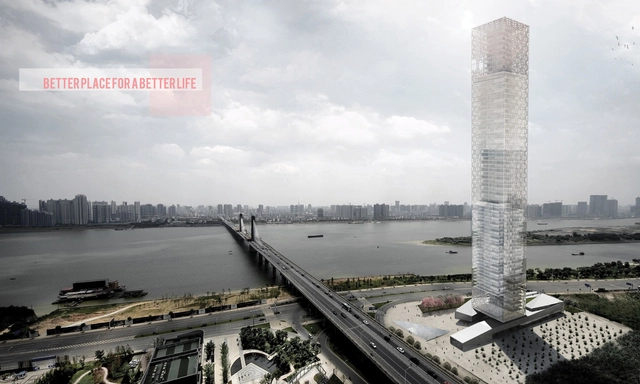
Milan-based RRC Studio's latest undertaking, the Xiang River Tower, will be an office and residential project in Changsha, a city under heavy development in China. Located near the Xiang river in a prime area of the city’s downtown, the tower will dominate the city's horizon and bear a strong presence on the skyline.
Read on for the architects' description...




.jpg?1380756409 "© Christine Francis")