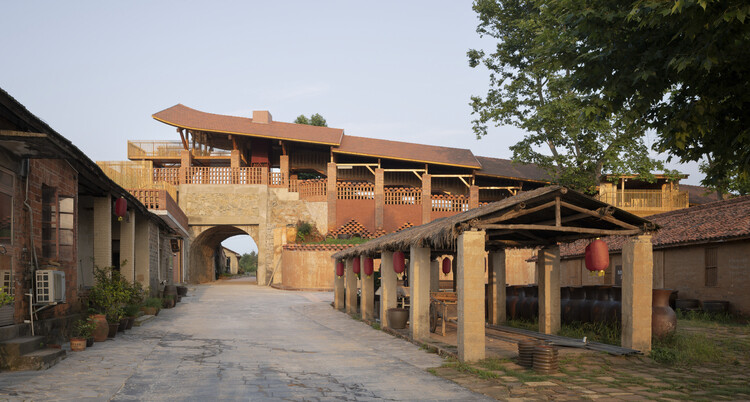
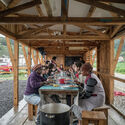
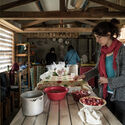
Can architecture be built from food? Between the fire that warms, the smells that spread, and the bodies that gather around the table, the apparent banality of cooking and eating reveals itself as a choreographed dance of spatial appropriation and belonging. These gestures organize routines, produce bonds, and transform the built environment into lived place. The kitchen—domestic, communal, or urban—thus ceases to be merely a functional space and affirms itself as a territory of encounter.
An architecture degree may provide a vast curriculum, but many of the skills needed for a project lie outside the discipline. This is especially true for urban-scale projects. They demand expertise in areas like traffic studies, structural calculations, landscape design, and technical installation forecasting. These are often seen as "complementary" but are, in fact, fundamental to the overall design.
In a country like Portugal, with a relatively small but geographically diverse territory, the challenge of connecting different parts of the territory – whether to cross a river or link one level of a city to another – is a constant one. Its largest metropolitan areas, such as Lisbon and Porto, share a rugged geography of steep valleys and hills. These features led to the development of elevators and funiculars, like the Santa Justa Lift and the Bica Funicular in Lisbon, and the Guindais Funicular in Porto. Today, besides improving urban mobility, they have become tourist landmarks.
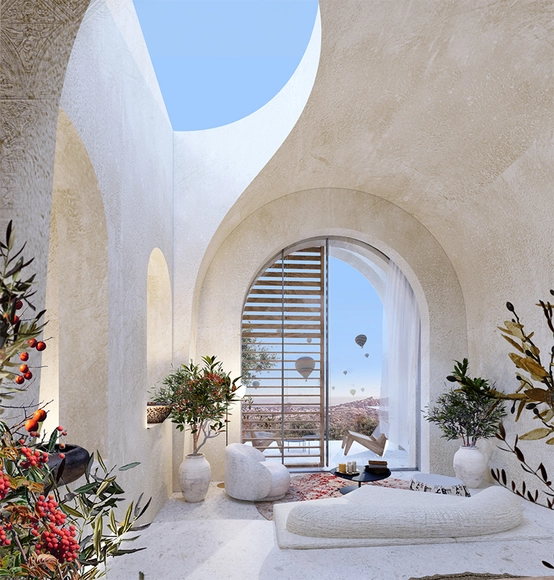
Cappadocia Spa Hotel by GAD ARCHITECTURE. Image Courtesy of GAD ARCHITECTURE
Offering short-term accommodation to travelers, hotels represent one of the main elements supporting the hospitality sector. They often aim to create a serene environment, isolated from the bustle of city life, yet representative of the local identity. Boutique hotels represent a rising sub-sector of hospitality design. These are small hotels typically between 10 and 100 rooms with carefully chosen interior design, providing a memorable experience to their guests. From historic renovations to contemporary ground-up hotels, hotel projects represent a great opportunity for architects to create unique environments centered around leisure and relaxation.
This week’s curated selection of Best Unbuilt Architecture highlights projects submitted by the ArchDaily community. Located in the forests of Portugal, on the shore of the Greek island of Crete, or in the deserts of Egypt, this round-up of unbuilt projects showcases how architects respond to local conditions in order to create designs that cater to the needs of tourists and travelers.
This year Canal180 will host the 180 Creative Camp for the 7th time. An 8-day creative boot camp happening in Abrantes, Portugal, from 1st to 8th July. We provide time and place for young creators and invited artists to learn from each other, exchange experiences and create new projects together.