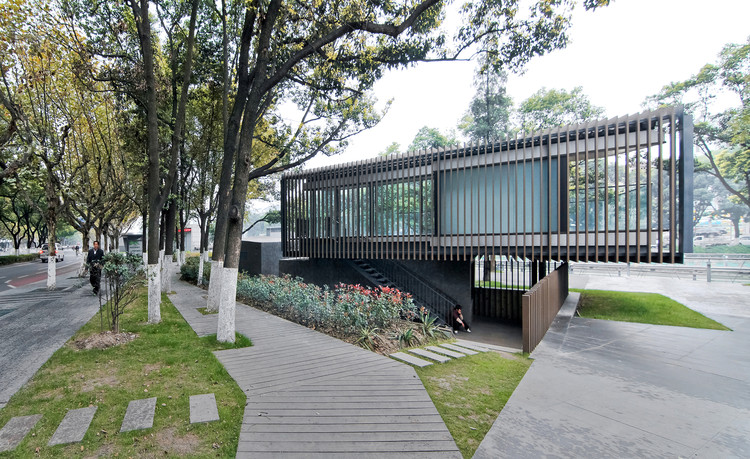
-
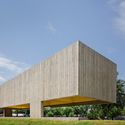
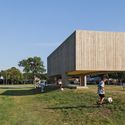
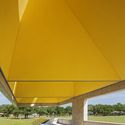
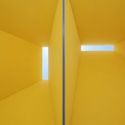
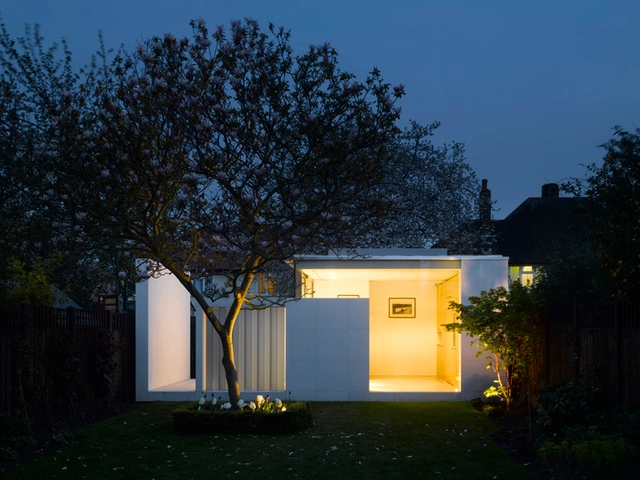
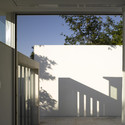
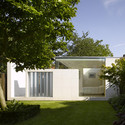
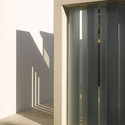
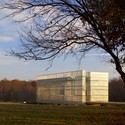
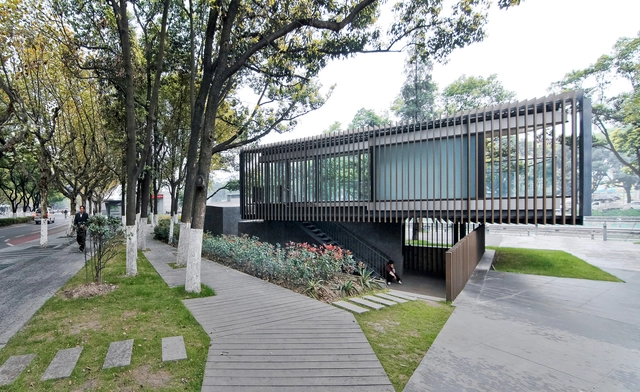
Architects: Vector Architects
- Area: 175 m²
- Year: 2013




Confronted with an original form of the pyramid, the shape of the Operlab Theatre Pavilion proposal, designed by UGO Architecture and Design, is the result of a consistent analysis of the building of the Grand Theatre. The character and function of a row of interior spaces, including the entrance, auditorium, and stage, finds its reflection in the arrangement of forms composing the body of the building. The pavilion then becomes a repetition of this arrangement and gives it additional meaning. More images and architects’ description after the break.

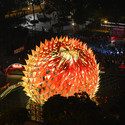
Designed by Studio Alfirevic, their proposal for the Operalab Theatre Pavilion competition represents ‘live’ theater, in which different performances and experiments take place in the field of art. The suggested position of the pavilion is in the fringe area of the park, in the direct vicinity of the building of the Great Theater. The circular form of the pavilion is a subtle response to the conditions of the natural environment and it allows an equal visual experience from all sides. More images and architects’ description after the break.

Monash University Department of Architecture, in collaboration with architecture and engineering practices, Rintala Eggertsson, Grimshaw, and Felicetti, shared with us their Sealight Pavilion project which can be found at the Melbourne Docklands in Australia. The aim of the project is to amplify the natural phenomena of sea and sky, while offering a place to meet, to escape the elements, or simply to witness the passage of time, which it has been doing for about a year now. More images and architects’ description after the break.

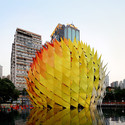
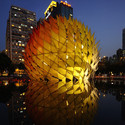
The competition for the ‘Ito Jakuchu Inspire’ pavilion is focused on the great celebration throughout the world of Ito Jakuchu’s work, a milestone in Japanese art history. Taking on a symbolic meaning, the competition effectively corresponds to a cultural phase of our existence. Designed by architects Đordje Alfirević and Sanja Simonović, this second prize winning proposal creates a dematerialization of boundaries between Ito Jakuchu’s perception of the reality in which he lived and the appearance of our modern world. More images and architects’ description after the break.

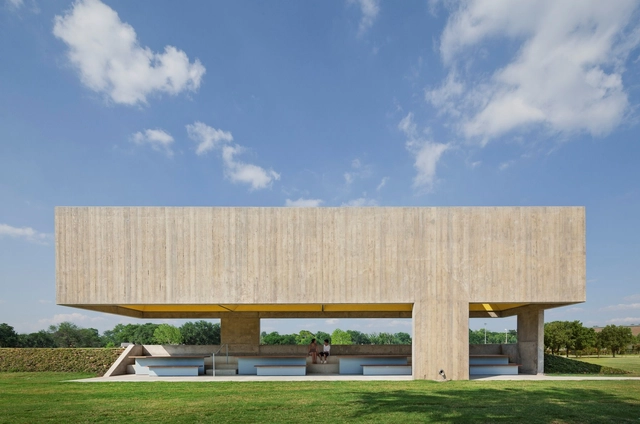

The proposal for an urban itinerary, designed by Comac Architects, presents an urban path to extend “Marseilles 2013″ European Capital of Culture throughout the entire city. A total of 13 key-districts will be connected by the path and interspersed with urban pavilions, each focused on a famous artist from Marseilles. Each unit will offer a certain perspective of Marseilles, and will offer tourists a new way to discover our city and its emblematic districts. More images and architects’ description after the break.

The Shell.ter pavilion, a temporary installation for the Cerveira Creative Camp, is built from monoblock chairs in the gardens of a natural park in the north of Portugal, during a short summer workshop by LIKE Architects. Resembling the most advanced digital formalizations of parametric design, the pavilion is actually set by the association of arches formed by ordinary chairs, which, rather than serving to seat, serve as shadow and backrest and create new frameworks that enhance the surrounding nature. More images and architects’ description after the break.
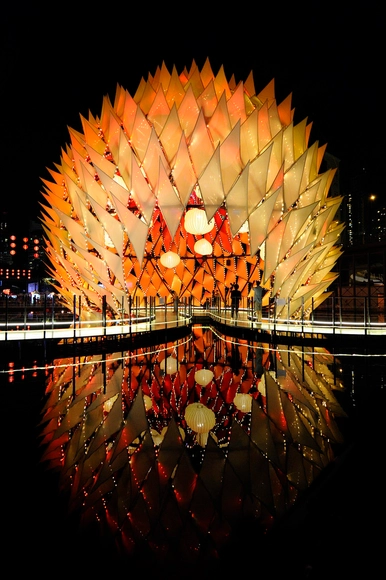

Kengo Kuma & Associates, together with Holzer Kobler Architekturen, won the architectural design competition launched in 2012 to develop Cosandey Square at École Polytechnique Fédérale de Lausanne (EPFL). Their project, “Under One Roof,” will unite an experimental Art & Sciences space and a demonstration pavilion under a single, long stone roof at the Montreux Jazz Lab. To connect science and culture at EPFL, the university’s campus will boast a novel “backbone” that stretches the length of Cosandey Square. More images and architects’ description after the break.

Designed by TAAT (Theatre as Architecture, Architecture as Theatre) and exhibited at the World Horticultural Expo 2012, Khor I is a specific challenge to perform a play without any guidance or introduction. The dramatic situation is simply available and can be ‘filled-in’ and approached freely. The theatre installation represents a common ground between theatre, architecture and the visual arts with its monumental quality. More images and architects’ description after the break.