

Merida: The Latest Architecture and News
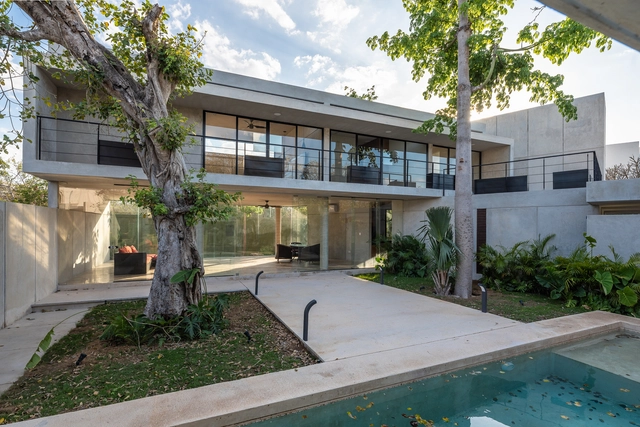
HC House / Quesnel arquitectos



https://www.archdaily.com/914426/hc-house-quesnel-arquitectosAndreas Luco
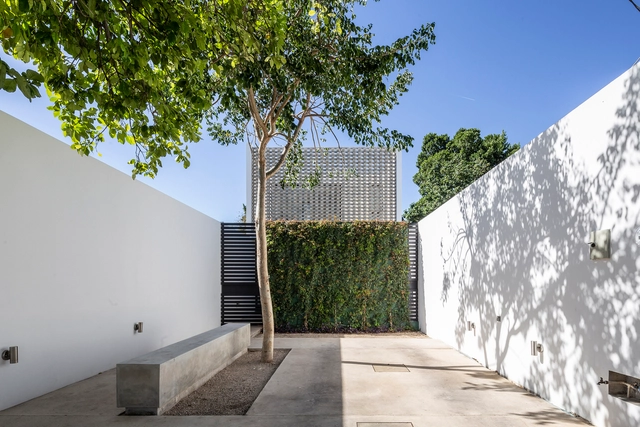
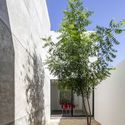
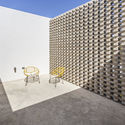
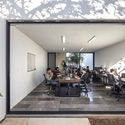
Studio 5.5 / P11 Arquitectos + Tao Arquitectura + Arq. Carlos Góngora


-
Architects: Arq. Carlos Góngora, P11 Arquitectos, Tao Arquitectura
- Area: 1937 ft²
- Year: 2019
-
Manufacturers: Haus design center, Lightstyle&co
https://www.archdaily.com/914224/studio-p11-arquitectos-plus-tao-arquitectura-plus-arq-carlos-gongoraPilar Caballero
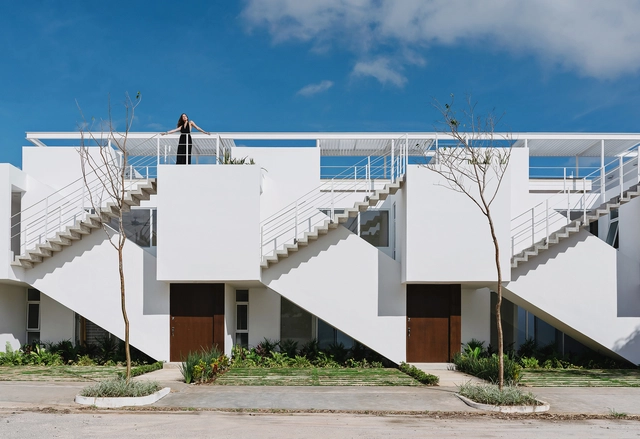
Sonata Housing / Arkham Projects
.jpg?1553228900 "© Tamara Uribe")
.jpg?1553229269 "© Tamara Uribe")
.jpg?1553229327 "© Tamara Uribe")
.jpg?1553229422 "© Tamara Uribe")

-
Architects: Arkham Projects
- Area: 536 m²
- Year: 2018
-
Manufacturers: Cemex, Interceramic, Luova, MIDO, URREA
https://www.archdaily.com/913816/sonata-housing-arkham-projectsAndreas Luco
House O + I / Garrido Lizarraga Arquitectos


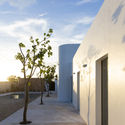
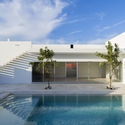
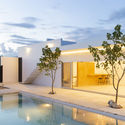

-
Architects: Garrido Lizarraga Arquitectos
- Area: 165 m²
- Year: 2018
-
Manufacturers: Chukum, Helvex, Pinturas Berel, VALVO
https://www.archdaily.com/913443/house-o-plus-i-garrido-lizarraga-arquitectosRayen Sagredo
S87 House / DUNAR arquitectos
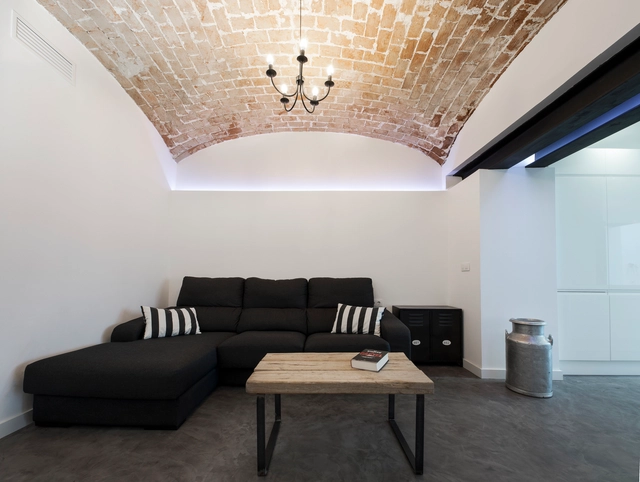
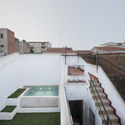
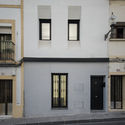
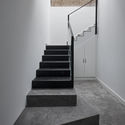
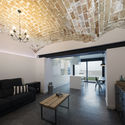

-
Architects: DUNAR arquitectos
- Area: 1725 ft²
- Year: 2016
-
Manufacturers: Sika, Astralpool, Bigmat Tevisa, Placo, Simon
https://www.archdaily.com/903598/s87-house-dunar-arquitectosPilar Caballero
House on 72nd Street / Nauzet Rodríguez
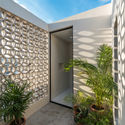

-
Interior Designers: Nauzet Rodríguez
- Area: 230 m²
- Year: 2018
https://www.archdaily.com/903230/house-on-72nd-street-nauzet-rodriguezDaniel Tapia
AD Classics: National Museum of Roman Art / Rafael Moneo
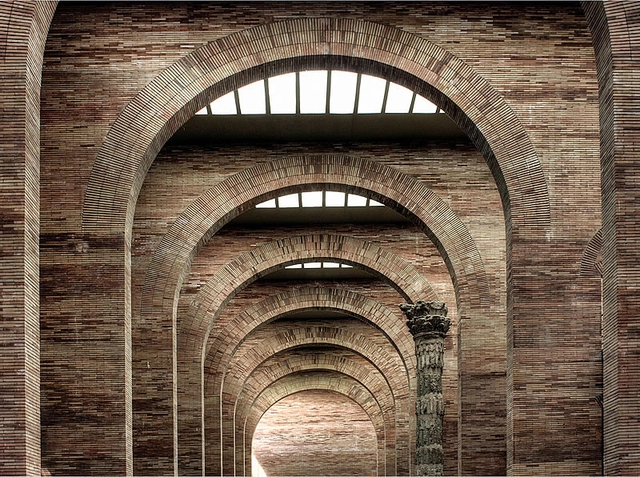
This article was originally published on May 4, 2015. To read the stories behind other celebrated architecture projects, visit our AD Classics section.
Arches have long been used to mark the greatest achievements of Roman civilization. Constantine, Titus, and Septimus Severus built them to commemorate their military victories. Engineers at Segovia and Nîmes incorporated them into their revolutionary aqueducts. And fifteen hundred years after the Fall of Rome, Rafael Moneo gave a modern touch to the ancient structure in Mérida's breathtaking National Museum of Roman Art, located on the site of the former Iberian outpost of Emerita Augusta. Soaring arcades of simple, semi-circular arches merge historicity and contemporary design, creating a striking yet sensitive point of entry to the remains of one of the Roman Empire's greatest cities.


https://www.archdaily.com/625552/ad-classics-national-museum-of-roman-art-rafael-moneoDavid Langdon
Star House / Xavier Salas Arquitectos
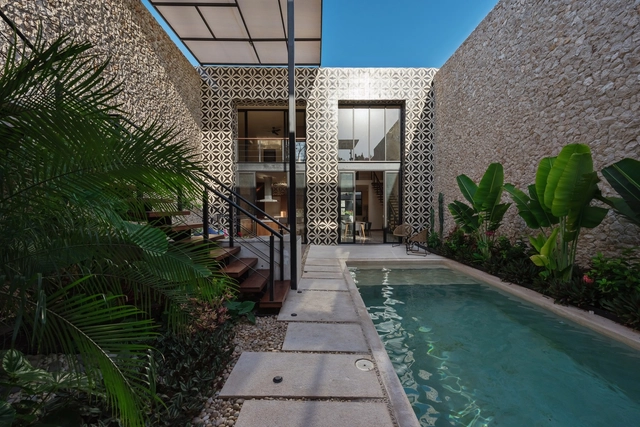


-
Architects: Xavier Salas Arquitectos
- Area: 320 m²
- Year: 2018
-
Manufacturers: Calle 20, Delta Light, Haus design center, La Germania y Teka, Mosaicos La Peninsular
https://www.archdaily.com/901860/star-house-xavier-salas-arquitectosDaniel Tapia
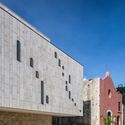
Palace for Mexican Music / Alejandro Medina Arquitectura + Reyes Ríos + Larraín arquitectos + Muñoz arquitectos + Quesnel arquitectos
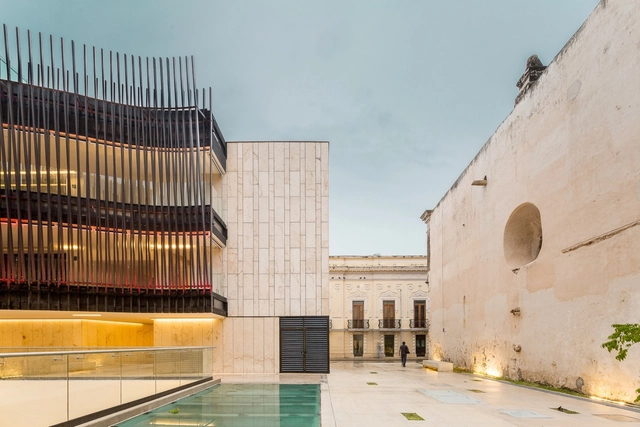




- Area: 8840 m²
- Year: 2018
-
Manufacturers: GRAPHISOFT, Danstek, Kone, Mayabtún, Trane, +1
https://www.archdaily.com/901335/palace-for-mexican-music-alejandro-medina-arquitectura-plus-reyes-rios-plus-larrain-arquitectos-plus-munoz-arquitectos-plus-quesnel-arquitectosCristobal Rojas
Who Cares About Restoring Heritage in Mérida, Mexico?
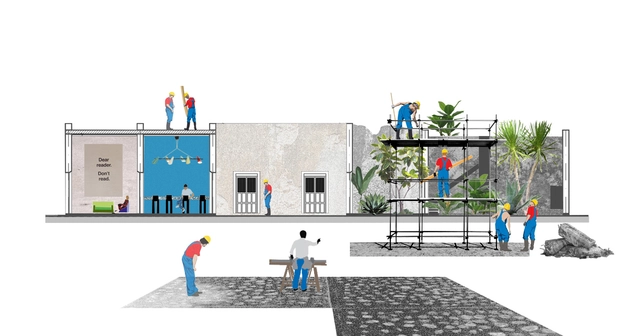
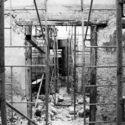
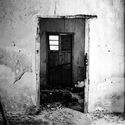
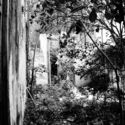


In his book The Right to the City (1968), Henri Lefebvre talks about ending the creation of spaces managed by the logic of profit, to launch a plan of "self-managed territory" that does not leave aside the "historical heritage," nor allow the decomposition of space, but instead works for the restitution of urban centers as places of creation.
Globalization has produced cities without limits whose focus has been on the immediate benefit, directly attacking the preservation of cultural heritage, among other things.
https://www.archdaily.com/899952/who-cares-about-restoring-heritage-in-merida-mexicoDanae Santibañez
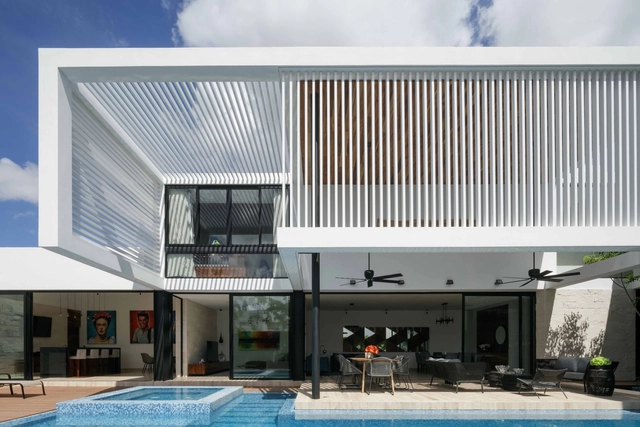



Ecomaya House / Seijo Peon Arquitectos y Asociados


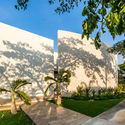
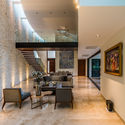
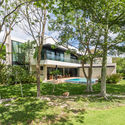

-
Architects: Seijo Peon Arquitectos y Asociados
- Area: 776 m²
- Year: 2016
-
Manufacturers: Cemex, Omniblock
https://www.archdaily.com/894575/ecomaya-house-seijo-peon-arquitectos-y-asociadosRayen Sagredo
The Tree House / AS Arquitectura
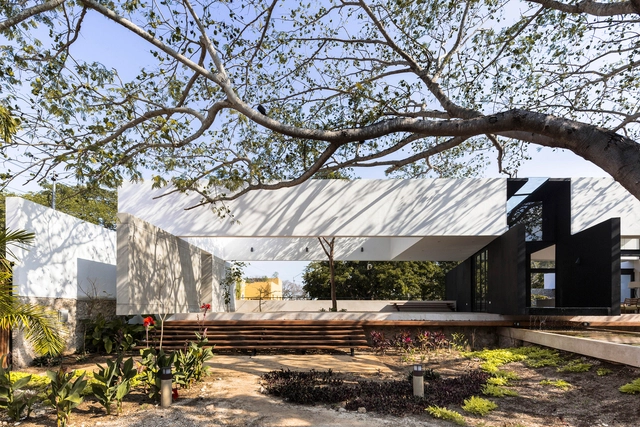

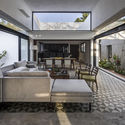
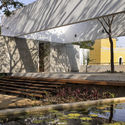
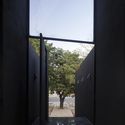

-
Architects: AS Arquitectura
- Area: 390 m²
- Year: 2017
-
Manufacturers: CASTEL, Helvex, Mosaicos La Peninsular, Noken, Pizarro, +3
https://www.archdaily.com/895295/the-tree-house-as-arquitecturaPilar Caballero
School of Education of the Autonomous University of Yucatán / Departamento de Proyectos de la Facultad de Arquitectura
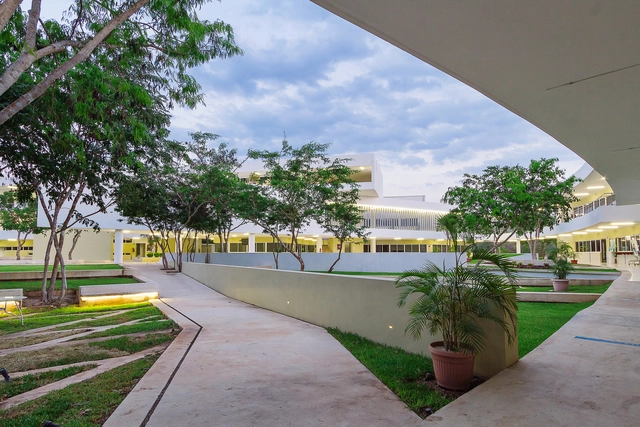

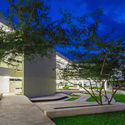

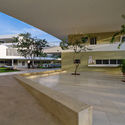

https://www.archdaily.com/895512/school-of-education-of-the-autonomous-university-of-yucatan-departamento-de-proyectos-de-la-facultad-de-arquitecturaDaniel Tapia
The Machine / Boyancé Arquitectura + Edificación
.jpg?1527690527&format=webp&width=640&height=580)
.jpg?1527690289 "© Manolo R Solis")
.jpg?1527689056 "© Manolo R Solis")
.jpg?1527689795 "© Manolo R Solis")
.jpg?1527690038 "© Manolo R Solis")
.jpg?1527690527)
https://www.archdaily.com/895468/the-machine-boyance-arquitectosPilar Caballero
House Temozón / Boyancé Arquitectura + Edificación
.jpg?1526623735&format=webp&width=640&height=580)
.jpg?1526622950 "© David Cervera")
.jpg?1526623325 "© David Cervera")
.jpg?1526623776 "© David Cervera")
.jpg?1526623121 "© David Cervera")
.jpg?1526623735)
-
Architects: Boyancé Arquitectura + Edificación
- Area: 505 m²
- Year: 2015
-
Manufacturers: Acerofertas y Acerounion, Cemex, MIDO, MITZA, Millet
https://www.archdaily.com/894742/house-temozon-gerardo-boyance-anconaDaniel Tapia
Infiltrated Patio / PLUG Architecture


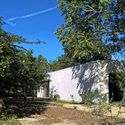
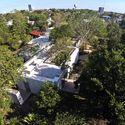

https://www.archdaily.com/894980/infiltrated-patio-plugDaniel Tapia
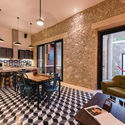
Xolotl House / Punto Arquitectónico
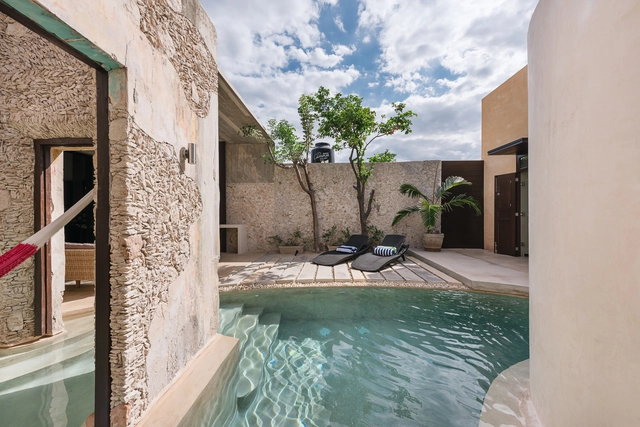


https://www.archdaily.com/895032/xolotl-house-punto-arquitectonicoPilar Caballero