-
Architects: Taller DIEZ 05
- Area: 450 m²
- Year: 2016
-
Manufacturers: Concretos Apasco, Helvex, Interceramic, VALVO
-
Professionals: Home Service

.jpg?1479223605&format=webp&width=640&height=580)
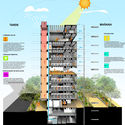
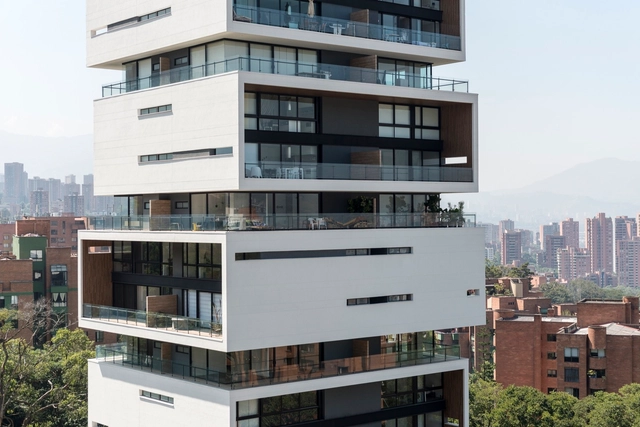
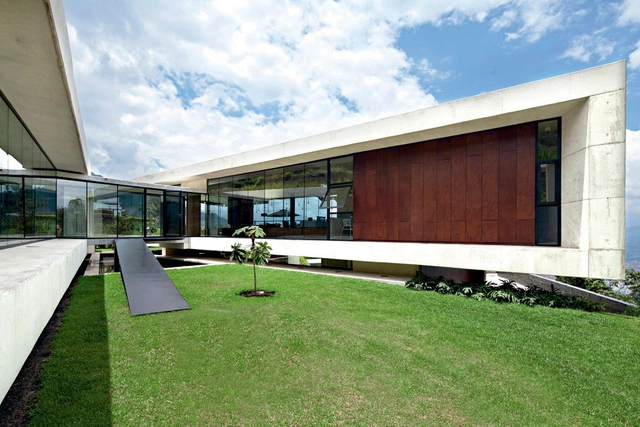
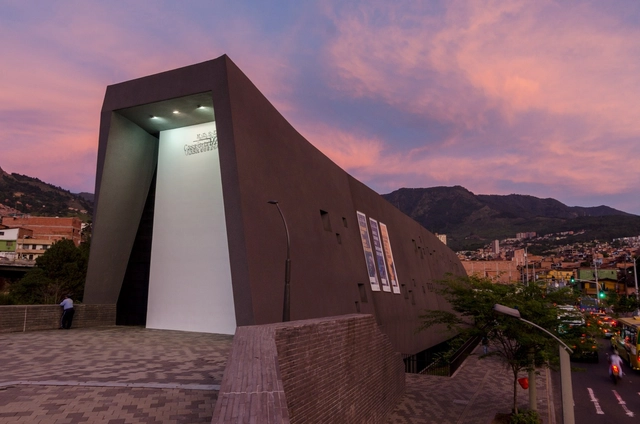
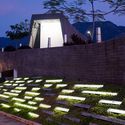
In the Colombian city of Medellin, a new headquarters is being constructed for the Empresa de Desarrollo Urbano (Urban Development Company), combining optimal thermal performance with local urban regeneration. The new EDU headquarters is the result of a three-part collaboration between the public company, the private sector, and Professor Salmaan Craig from the Harvard Graduate School of Design who has family roots in the Colombian capital.
Constructed on the site of the former EDU headquarters on San Antonio Park, the scheme aims to act as a benchmark for sustainable public buildings in Medellin, embracing the mantra of “building that breath."
As a specialist in materials, thermal design, and building physics, Professor Craig (EngD) voluntarily offered his service to the scheme’s realization. Below, he explains the thermodynamic challenges behind the building’s conception.

.jpg?1492770843&format=webp&width=640&height=580)

This article, written by Svetlana Kondratyeva and translated by Olga Baltsatu for Strelka Magazine, examines the most interesting cases of the role of culture in sustainable urban development based on the UNESCO report.
UNESCO published the Global Report on Culture for Sustainable Urban Development in the fall of 2016. Two UN events stimulated its creation: a document entitled Transforming our World: the 2030 Agenda for Sustainable Development, which emphasizes seventeen global goals for future international collaboration, was signed in September of 2015 at the Summit in New York. Habitat III, the conference held once in twenty years and dedicated to housing and sustainable urban development, took place in Ecuador in October of 2016. The question of culture’s role in urban development, and what problems it can solve, was raised at both events. To answer it, UNESCO summarized global experience and included successful cases of landscaping, cultural politics, events, and initiatives from different corners of the world in the report.

Since 2009, Mario Carvajal has captured amazing panoramic photographs from his hometown in Colombia as well as top destination spots around the globe. He has climbed the Empire State Building in New York and Colpatria Tower in Bogota, Colombia. Carvajal has captured the geographical beauty of Iceland as well as the intensity of Paris at night.
As Carvajal mentioned in an interview with ArchDaily, images in 360 degrees "allow the viewer to dive into an attractive and interesting 'virtual world' to experience immersive sensations". Of course, with the new surge in popularity these types of pictures have experienced with the hardware becoming more readily available and these images being shared more and more every day through Facebook, Carvajal's work reaches new levels, allowing thousands of people to see the world from above.
Below, we invite you to see his best shots of iconic buildings and landscapes around the world. For a complete experience, we recommend using Google Cardboard.

.jpg?1470016625&format=webp&width=640&height=580)


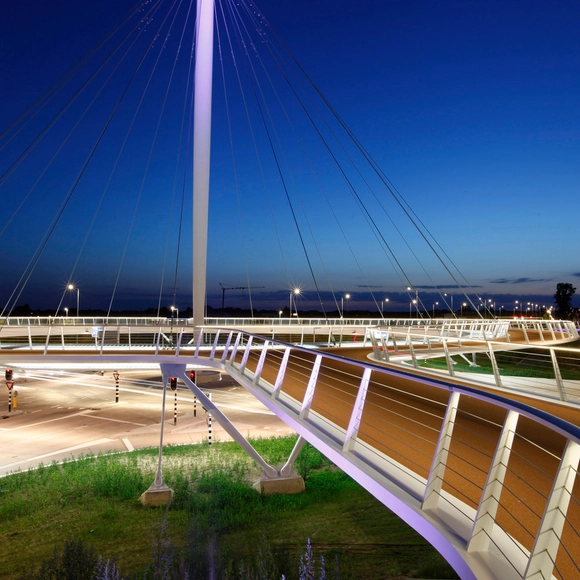
WIRED Magazine has created a list of Eight Cities That Will Show You What The Future Will Look Like in the latest edition of their design issue. In the relatively short span of time that humans have been planning cities, more and more decisions have been made that have shaped the path of new technologies and methods that will make cities better. Such projects—like new streetlights, bicycle infrastructure, and traffic-sensitive museums—highlight some of these advances in the urban lifestyle.
"The cities of tomorrow might still self-assemble haltingly, but done right, the process won’t be accidental. A city shouldn’t just happen anymore. Every block, every building, every brick represents innumerable decisions. Decide well, and cities are magic," writes Wired author Adam Rogers. Read on after the break to see how 8 different cities from around the world are implementing innovative projects.


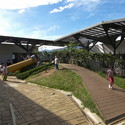
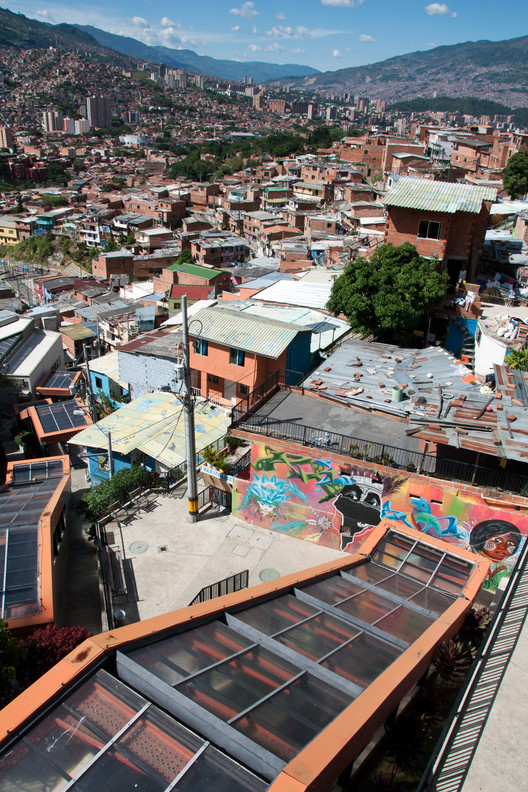
With a high-density population and a history of internal armed conflict, the city of Medellín in Colombia lacked substantial public space, but had an overwhelming amount of industrial infrastructure in place. But as profiled by The Architectural Review, recently architects and urban planners of the EPM group saw this imbalance as an opportunity, and so in the uninhabited patches of land surrounding over one hundred fenced industrial lots, the UVA or Unidades de Vida Articulada (Units of Articulated Life) program was born. Including initiatives to build public classrooms, launderettes and cafés, the UVA projects were conceived together with the local population through a series of workshops, where every resident was invited to express their vision for the new public square through writing and drawing. Medellín, existing at the convergence of several hills, provides a wide variety of unique landscapes for architects to experiment on - and through the UVA projects, EPM Group demonstrates how architecture can empower a community from the first day of design. Read more about how this project will continue to instigate positive change at The Architectural Review.