Building Cities for Children: Streets That Slow Down, Play, and Teach

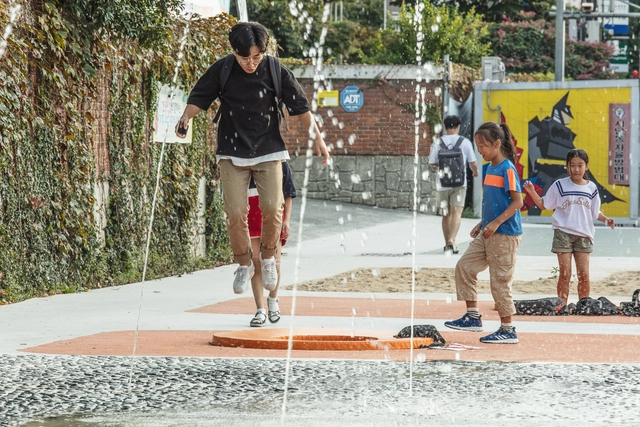
Historically, the concept of childhood as we know it today simply didn't exist and, until the Middle Ages, children were viewed as miniature adults. According to historian Philippe Ariès, it was only from the 17th century onward that childhood began to be understood as a distinct stage of development, requiring specific care, education, and protection. However, this evolving recognition has not been consistently reflected in the design and organization of urban space.

Between Matter and Gesture, Architectures that Think Through Details

Subscriber Access | 

A project can be drawn in broad strokes, but it's built in details. Simple as it may seem, a staircase involves a significant degree of engineering. Some are noticeably more tiring, or more difficult to climb and descend. To address this, in the 17th century, architect François Blondel proposed a formula to ensure the ideal proportion between riser and tread, an equation that, when respected, offers a comfortable path. But there's another equally decisive factor: all steps must be identical. This may sound trivial and logical, yet executing anything with precision is always a construction challenge. Our bodies quickly adapt to the dimensions of the steps, and any variation (even minimal) can lead to repeated stumbles or missteps. A seemingly insignificant detail, when poorly resolved, can compromise the well-being and safety of an entire building.

Designing with Memory: Rafayel Israelyan’s Enduring Legacy in Armenia

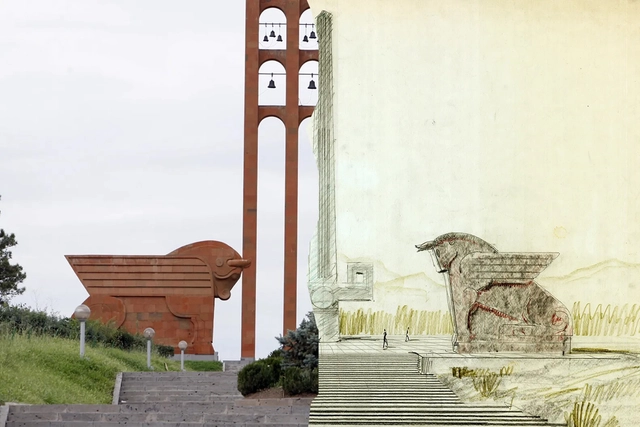
In a time when much global architecture can feel disconnected from local identity, the work of Rafayel Israelyan stands out for being rooted in place, culture, and memory. Working in mid-20th-century Armenia, Israelyan created architecture that is more than functional or monumental; it is culturally resilient. His use of traditional Armenian motifs, materials, and symbolic forms gave his designs a second life after the fall of the Soviet Union, when many buildings across post-Soviet states were abandoned or demolished. Armenia, by contrast, preserved many of his works, likely because their design approach not only served a specific moment in time, but also told a larger story. Long before concepts like sustainability or critical regionalism became popular, Israelyan understood that buildings gain meaning and endurance when they reflect the specific identity and characteristics of their place.

Can We Build with Food? Circular Experiments at the Matter Matters Lab

Subscriber Access | 

What does it mean to build with care, using what others leave behind? This question shapes the work of the Matter Matters Lab, an initiative founded by architect and researcher Catherine Söderberg Esper during the isolation of the pandemic. Drawing from experiences across cultures and motivated by a personal transformation during motherhood, Catherine began to investigate everyday waste as raw material for regenerative construction systems. Her first experiment involved gluing her own cut hair using white glue, initiating a radically intimate and handmade approach. Since then, the lab has focused on transforming organic waste into low-impact architectural materials, inspired by Indigenous knowledge systems and aiming to break from extractive models in construction. Projects like the Avocado Bricks, made from discarded avocado seeds, exemplify this approach of local, circular, and rooted in the idea of reciprocity between matter, place, and care, offering a new way of building with waste.

Redefining Smart Buildings Through AI and Low-Carbon Innovation

 | Sponsored Content

Humanity rarely embraces major transformations right away, often held back by fear, skepticism, or attachment to what already works. Gutenberg's press raised fears of misinformation; urban electrification drew warnings from doctors; and office computerization sparked concerns over the devaluation of human experience. Such ruptures often provoke resistance, but they tend to open space for critical reflection and innovation.

A Project That Brings Together Urban Mobility, Ceramic Technology and Public Art

 | Sponsored Content

The new Arden Station in Melbourne goes beyond its functional role as a transportation hub. Opened as a key component of the Metro Tunnel project, the station expands the city's rail infrastructure by relieving pressure on other lines and improving service frequency and, at the same time, establishes itself as a defining element in the urban transformation of Melbourne's northern precincts. Located on a former industrial site undergoing revitalization, it anchors the future development of a new district projected to accommodate up to 34,000 residents and 15,000 jobs in the coming decades.

Living Cycles in Regenerative Architecture: Lessons from the Goetheanum

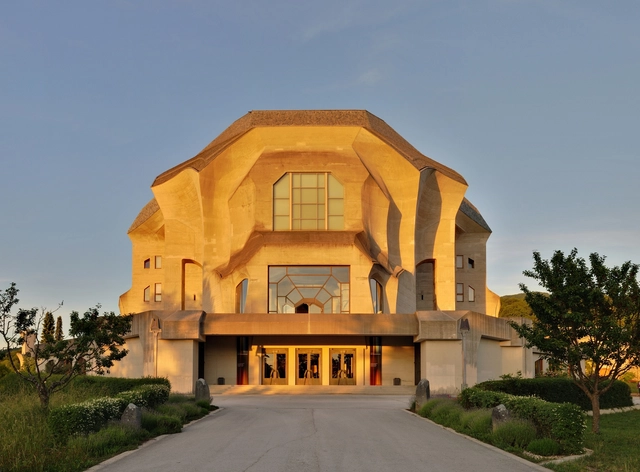
As climate uncertainty and ecosystem changes reshape design priorities, architecture plays an increasingly active role in these discussions, rather than merely observing. Within this perspective, the idea of making a "re" encourages a conscious step back to rethink, reconnect, and realign the relationship between buildings and their environments. This approach, central to regenerative architecture, extends beyond specific technologies or scales, encompassing everything from master plans that aim to re-naturalize cities to national pavilions that combine art and science.

Which Layer Remains? Restoration, Identity, and Contemporary Design in Spain

 | Sponsored Content

The theorist André Corboz, known for his contributions to the critical reading of territory, proposes that the cities should be understood as a palimpsest. That is, a surface continuously rewritten, where traces of previous layers remain visible even after successive interventions. For him, the city is not a static entity, but an organism in constant transformation, where historical, functional, and symbolic layers overlap. This is why working on restoration or rehabilitation projects for historical buildings is particularly complex, requiring careful thought about the approach to be taken: should extensions and renovations seek complete coherence with the original language, or assert themselves as architectural expressions of their own time?

Context-Responsive Architecture in Spain: 7 Projects Highlighting Material Strategies

 | Sponsored Content

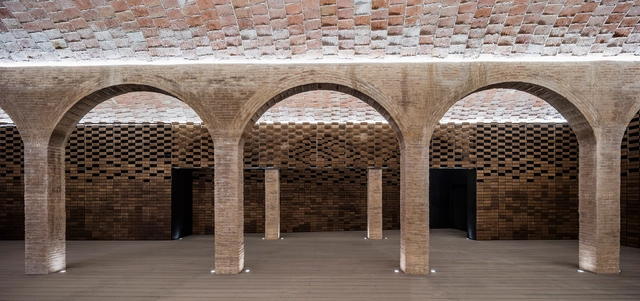
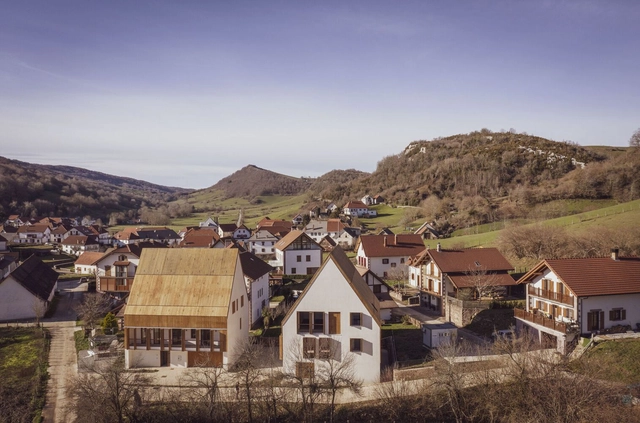
Andanzas y visiones españolas is the book in which Miguel de Unamuno collects his experiences during excursions through Spain's cities and countryside, accompanied by friends and colleagues. More than a precise geographical description, the text consists of narratives in which each region and every feature of the territory leaves a deep imprint on his thought. The literary discourse actively weaves the diversity of setting, climate, and contextualism as foundational threads, presenting the territory not only as a physical place but also as a space for reflection and contemplation. This attentive engagement with the landscape—so diverse within Spanish architecture—also resonates in the built environment, fostering in contemporary practice a sensitive adaptation to the country's varied climatic conditions, both through design strategies and material choices.

Eduardo Souto de Moura Named 2025 Praemium Imperiale Laureate for Architecture

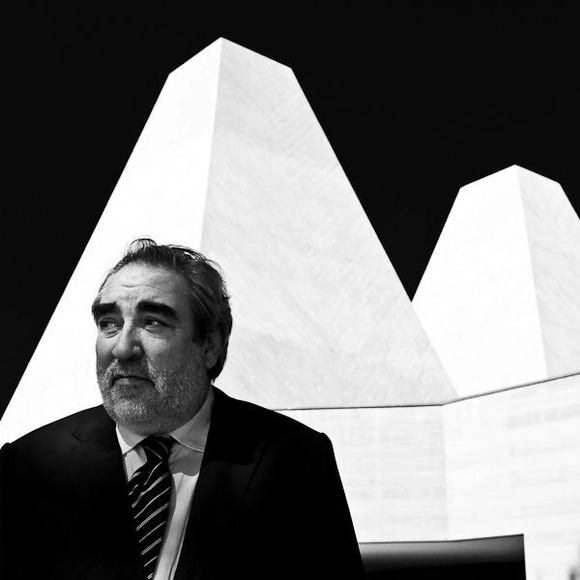
The Japan Art Association has named Portuguese architect Eduardo Souto de Moura as the 2025 Praemium Imperiale Laureate for Architecture. Now in its 36th edition, the award honors artists for their lifetime achievements in the fields of Painting, Sculpture, Architecture, Music, and Theater/Film. The Praemium Imperiale was established in 1988 to recognize individuals whose work has contributed significantly to the enrichment of the global cultural landscape. Souto de Moura was recognized for producing architecture that thoughtfully engages with the present moment while maintaining a timeless quality.

Slow Architecture as an Ethical Practice of Design and Construction

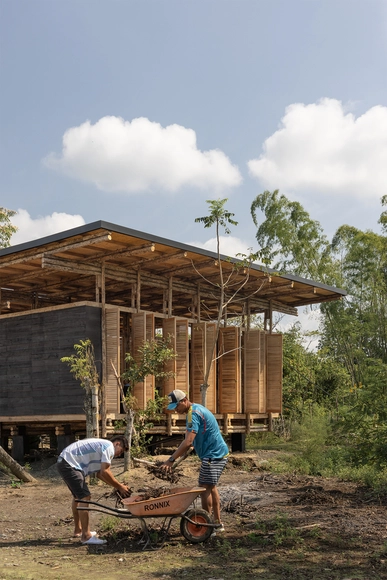
At the Bruder Klaus Field Chapel, designed by Peter Zumthor, the construction process involved the direct participation of residents from the small Swiss village of Mechernich. Using an internal formwork made of vertically placed wooden logs, concrete was prepared in small batches and poured manually, day after day, forming layers marked by subtle variations in the mix and application. At the end of the process, the wooden structure was reduced to ashes, leaving the chapel's interior impregnated with traces of fire and revealing a dark, tactile surface. The result was a quiet and deeply meaningful space, where collective action, time, and material transformation became part of the architecture. Centered on locally available resources and manual techniques, this construction method highlights how the choice of materials and building system can shape the experience of a space, reveal the time invested, and embed the culture of a place into the very matter of architecture. In doing so, it offers an example of how construction itself can become a regenerative act, restoring meaning, connecting communities, and honoring material cycles.

Mapping as Design: A Resource-Based Approach to Rural Design in the United States

In 1982, at a conference on earth building in Tucson, Arizona, an unusual presentation challenged everything architects thought they knew about rural resources. Instead of focusing on construction techniques, the presenter, architect Pliny Fisk III, spread out a series of hand-drawn maps that revealed something extraordinary - rural Texas wasn't resource-poor, as conventional wisdom suggested, but material-rich beyond imagination. The maps showed volcanic ash perfect for lightweight concrete, caliche deposits stretching across vast territories, and mesquite forests that could supply both hardwood flooring and insulation. The revelation redefined prevailing notions of value in architecture.

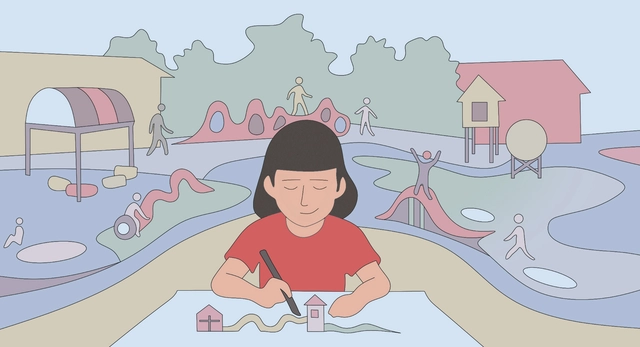
"The city cannot be understood from the screen": AI and childhood in urban design

Subscriber Access | 

Neither a passing trend nor a permanent threat: the initial alarm is fading. Artificial intelligence is increasingly being adopted as a strategic tool which, when integrated responsibly, can be highly valuable—especially in participatory urban design processes focused on children and youth.

Refractions in Motion as Pools Become Luminous Forms

 | Sponsored Content

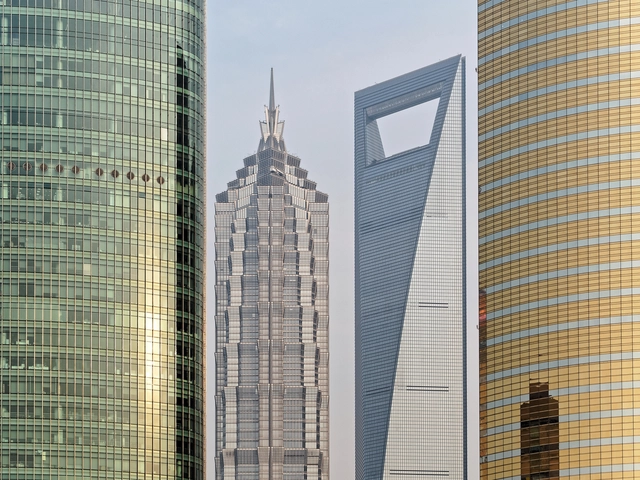
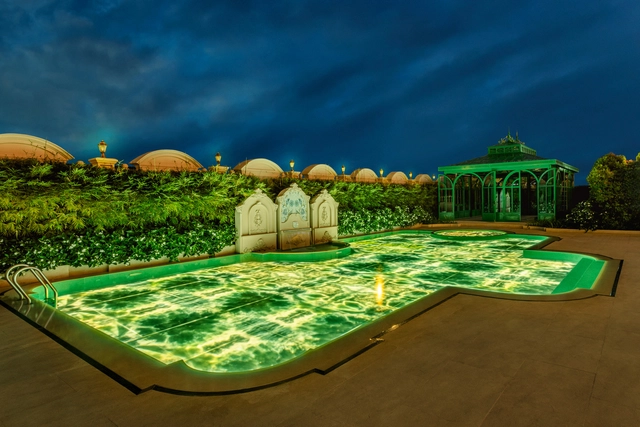
The trajectory of glass in architecture reflects the technological evolution of humankind. For centuries, it was a fragile, opaque material, restricted to small openings in churches or aristocratic residences, limited in size, with uneven transparency and a largely secondary role. With the Industrial Revolution and advances in manufacturing processes, this condition changed dramatically. From artisanal and imperfect stained glass, we now have a wide range of architectural applications, from fully glazed skyscraper facades to translucent pedestrian bridges, lightweight roofs, smart partitions, and movable elements. One of the most surprising uses, once thought to be impractical, is the direct interaction of glass with large volumes of water. Today, we see pools with transparent walls or floors that project out from buildings, float above streets, or visually merge with their surroundings, creating striking sensory experiences. A remarkable feat, especially considering that for a long time, glass was considered too fragile for submerged environments.

Should Buildings Be Designed to Decay?

Subscriber Access | 

Buildings are physical, static, and permanent. To imagine them otherwise often requires some creative thinking. The industry has operated with this strong association between structures and permanence, unknowingly constraining perspectives on building life cycles. Innovations in building materials have opened up avenues for cirular design that challenge the long-held notion that buildings must endure indefinitely. Emerging approaches promote architecture that ebbs and flows with nature.

When Metal Breathes: The Porous Skin of the Steirereck Restaurant

 | Sponsored Content

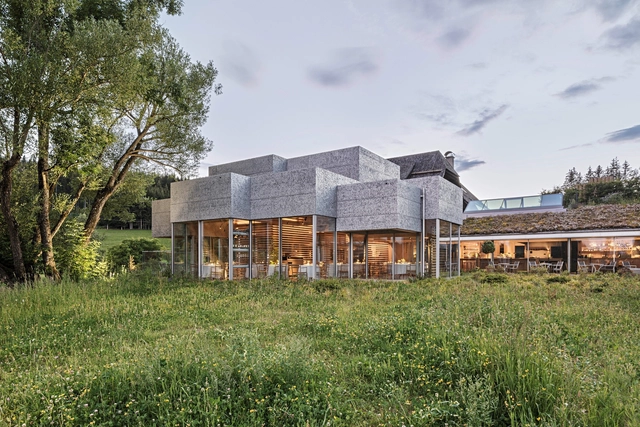
At the Steirereck am Pogusch restaurant, architecture and gastronomy seem to speak the same language: that of the sensitive transformation of raw materials. Local ingredients, like leaves, roots, and flowers, are turned into surprising dishes, where simplicity is elevated to the extraordinary. Likewise, the building, far from being a static structure, offers a unique tactile and visual experience. One of the most intriguing elements is the use of stabilized foamed aluminum panels that, rather than evoking the coldness and rigidity often associated with metal, have been manipulated to transcend their conventional characteristics. They seem to breathe, with their porous, textured surfaces absorbing and reflecting light, creating a play of shadow and brightness that evokes the lightness and organic quality of natural materials.

The Appliance as an Expression of Material Culture

 | Sponsored Content

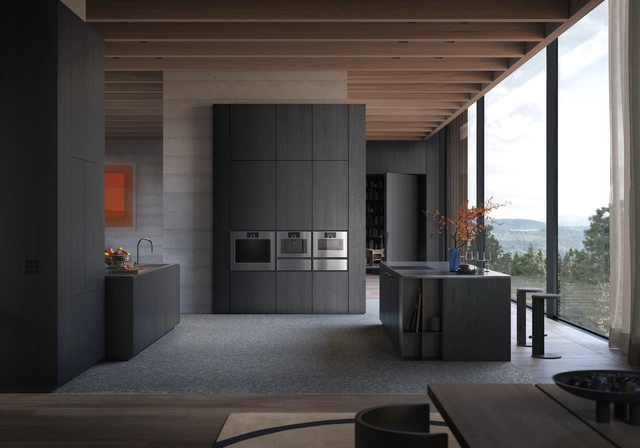
The history of household appliances closely mirrors the transformation of the modern home and domestic life throughout the 20th century. Rooted in the technical advances of the Industrial Revolution and driven by urban electrification, these devices were created to mechanize everyday tasks such as cooking, cleaning, and food preservation. A major milestone in this evolution was the Frankfurt Kitchen, designed in 1926 by Austrian architect Margarete Schütte-Lihotzky. Considered the precursor of the modern kitchen, it incorporated efficiency principles inspired by the scientific organization of labor, with optimized spaces and integrated equipment to streamline domestic chores. Developed for social housing in Frankfurt, this kitchen embodies the functionalist spirit of the Bauhaus and establishes a direct connection with German design innovations, a context in which Gaggenau would also solidify its identity, combining technical precision and aesthetic sophistication.

Built to (Not) Last: How Reversible Architecture Is Redefining the Way We Build

What if we imagined buildings as living systems, designed for assembly and disassembly with minimal impact? A form of open, modular, and adaptable architecture designed to evolve with its surroundings, responding to seasonal changes and on-demand needs instead of remaining static. At first glance, the idea seems paradoxical, as many buildings were constructed to last, designed to endure, resist the effects of time, and avoid demolition. Because of this, reversing or undoing could be seen as a setback. But what if that way of thinking no longer fits every scenario?