Videos
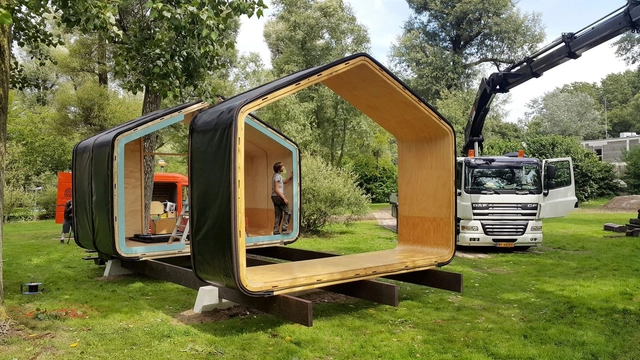
Under Construction. Photo Courtesy of Yvonne Witte
Designed and developed by Fiction Factory, a company of creative makers from Amsterdam, Wikkelhouse loosely translates to ‘wrapped house.' This sustainable modular house is uniquely created with cardboard as its main building material and is customizable in its size and function.
San Diego Airport has unveiled their permanent interactive artwork DAZZLE on the Airport’s Rental Car Centre commissioned by San Diegos County Regional Airport Authority, that features the debut of E Ink's revolutionary prism technology on a large architectural scale. The installation has been designed to manipulate the form of the façade using inspiration from the World War I military technique “razzle dazzle” that camouflaged the outlines of ships. This phenomenon of visually scrambling the shapes to hide from being spotted can be witnessed in nature too, as the stripes on a zebra equally become an optical illusion to disrupt the predator’s perception.
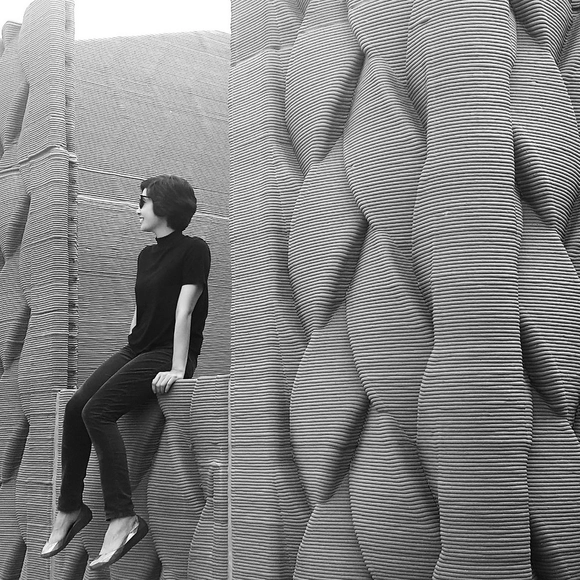
Courtesy of Lapyote Prasittisopin, Chanita Chuaysiri / Siam Research and Innovation
Siam Research and Innovation Company (SRI) is a Thailand-based cement manufacturer that has been developing innovations to push the limits of 3D printing in architecture. Their project 'Triple S' –developed in 2017– is based on traditional Thai craftsmanship to generate Surface, Structure, and Shelter in a single process; its specific artisanal form creating beautiful framework for structural purposes, easily building living spaces.
https://www.archdaily.com/887403/3d-printing-fuses-thai-craftsmanship-to-create-habitable-concrete-structuresAD Editorial Team
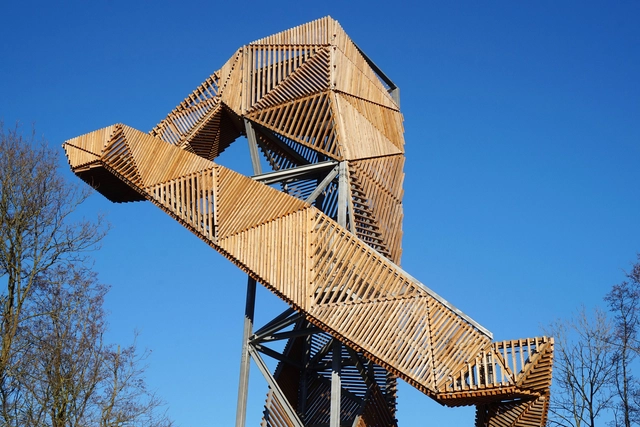
Ateliereen Architecten has proposed a metal and wood configuration for an observation tower in Peize, Netherlands. Their plan is to construct a resistant, permeable and playful structure.
https://www.archdaily.com/888436/materials-viewing-towerAD Editorial Team
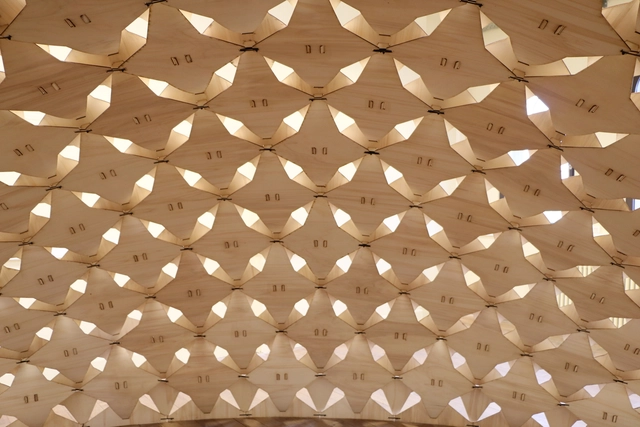
"Exoskeleton" is a pavilion that shows how Computer Aided Manufacturing can create rapid prototypes. This manufacturing process allows for real-scale construction and experimentation with limited resources.
https://www.archdaily.com/887326/digital-manufacturing-to-experience-real-scale-architecture-quickly-and-with-limited-resourcesAD Editorial Team
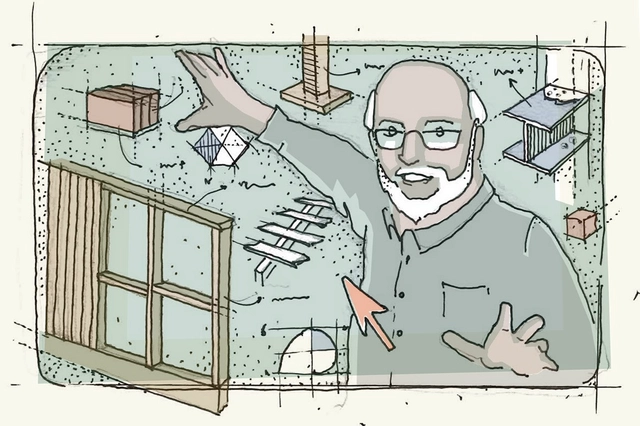
How much do you wish you knew about carpentry, solar energy or masonry? Leonardo Da Vinci said, "the noblest pleasure is the joy of understanding." Those who are open to learning and expanding their horizons are more likely improve their approach to design. If you've always wanted to understand more about construction processes, structures or materials, this list of online courses is for you.
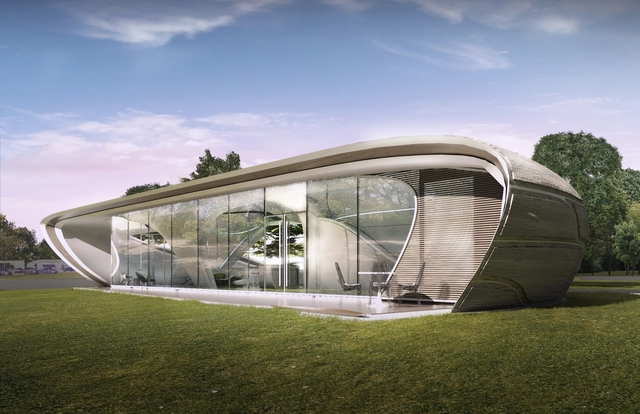
WATG Urban's first prize design for The Freeform Home Design Challenge in 2016 is now moving one step closer to becoming a reality. Since winning the competition, WATG's Chicago office has been developing the winning design, dubbed Curve Appeal, alongside Branch Technology. Curve Appeal is now undergoing the "wall section testing, research and development phase" with an anticipated goal of breaking ground later this year. This revolutionary project could change the way we construct complex, freeform structures.
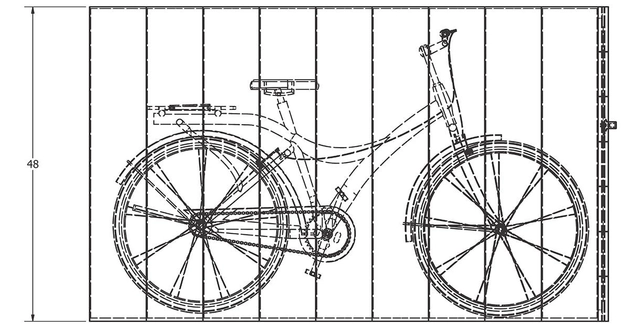
Designing public spaces without considering the circulation and parking of bicycles is no longer an option in today's world. Accessibility for the free traffic of cyclists must also be accompanied by adequate security conditions, incorporating these devices in the best possible way to parks, sidewalks, parking lots, and the streetscape as a whole.
https://www.archdaily.com/887343/urban-equipment-for-public-spaces-helps-to-build-a-bike-friendly-cityAD Editorial Team
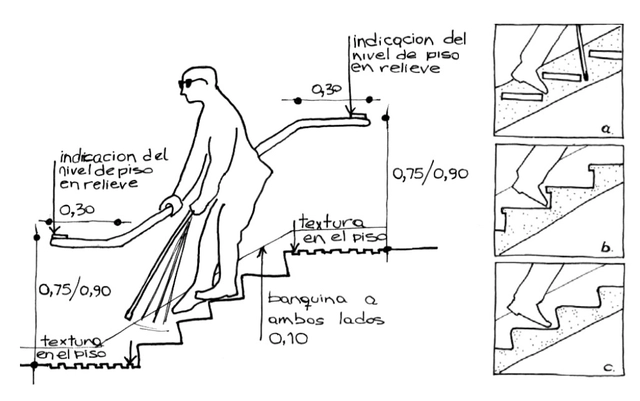
Guidelines and Requirements for Inclusive Architecture Projects. Image via Municipalidad de Rosario
Last year we shared a guide to the United States' ADA Standards for Accessible Design. Given the article's success and the diversity of our audience, we're making available a collection of guideline documents from Latin America and Spain. Whether you're working on projects in these countries or you're looking to broaden your knowledge of universal design, these guides should come in handy.
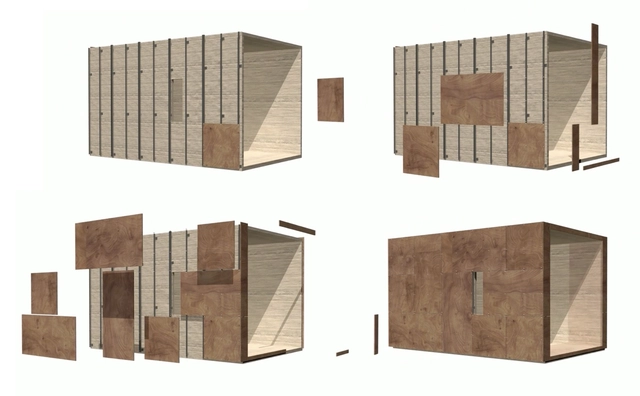
This vertical cladding for facades is a high-density laminated panel, composed of a core of paper fibers -compressed at high temperature and pressure- and an outer coating highly resistant to weathering and UV radiation. The wood used in the panels has been treated with Everlook®, a component that - without the need for maintenance - extends the useful life of the panel and the stability of its color regardless of weather conditions.
https://www.archdaily.com/887042/how-to-install-ventilated-facades-using-wooden-panelsArchDaily Team
Brikawood is an intuitive and logical construction system of wooden bricks that allows the rapid construction of an entire house without the use of nails, screws or adhesives.
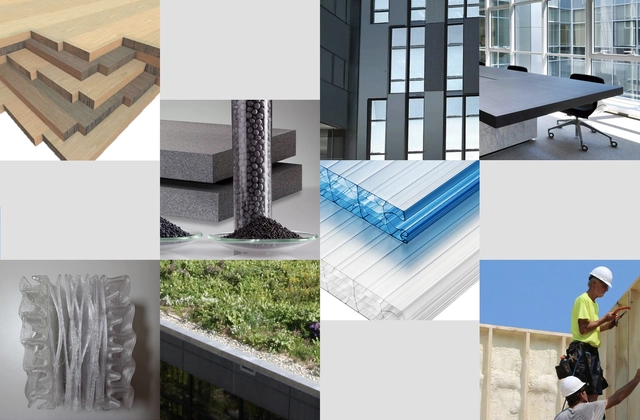
Whether architects are trying to meet the Architecture 2030 Challenge or pursuing their own mission to save energy, they have an opportunity to design buildings that can limit carbon emissions and be resilient against changing climate conditions.
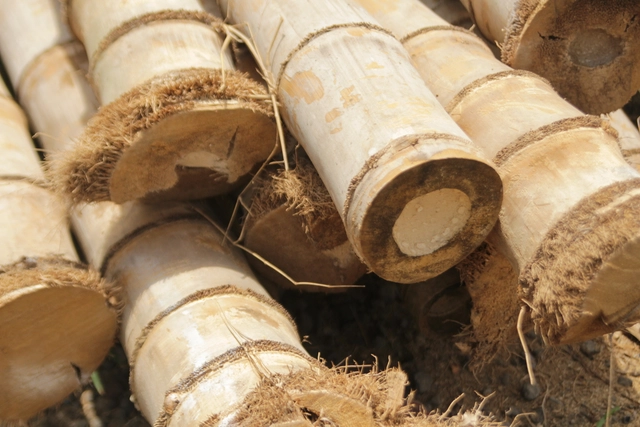
After years of publishing projects and articles related to bamboo, we are strongly aware of its qualities as a construction material. But is it really an option that you would use into your next project? Despite widespread appreciation, bamboo seems to be a material that is rarely considered for use in everyday designs.
https://www.archdaily.com/886269/is-it-possible-to-massify-the-bamboo-as-a-building-material-in-the-construction-sectorAD Editorial Team
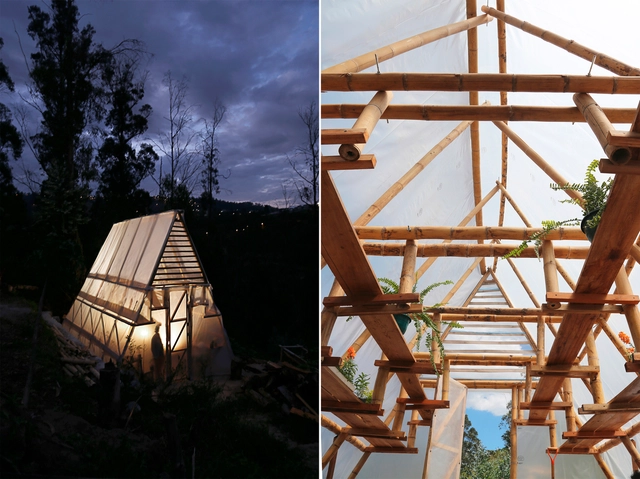
The social design from Natura Futura Arquitectura for a greenhouse in the warm subtropical climate of Nayón, Ecuador, the proposal approaches the use of local material resources in the construction of low-budget productive structures for the development of the collective.
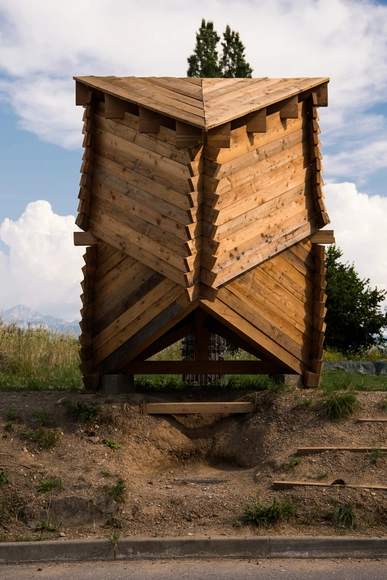
At an altitude of 2735m, architecture students at the École Polytechnique Fédérale de Lausanne (EPFL) in Switzerland have built The Bonatti Bivouac, a temporary refuge for the A Neuve’s glacier. The shelter uses the envelope as a structural object, eradicating the need for metal, screws, or nails. Informed by theoretical architect Semper, their design uses the joints to form a piece of architecture.
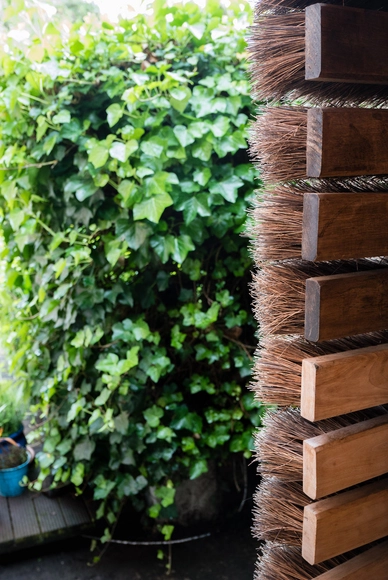
“Hairy” isn’t typically a term used to describe architecture. However, a “hairy” exterior is perhaps the defining characteristic of this micro-office by 2hD Architecture Workshop in the UK—the outer facades are entirely clad in natural coco-fiber broom heads.
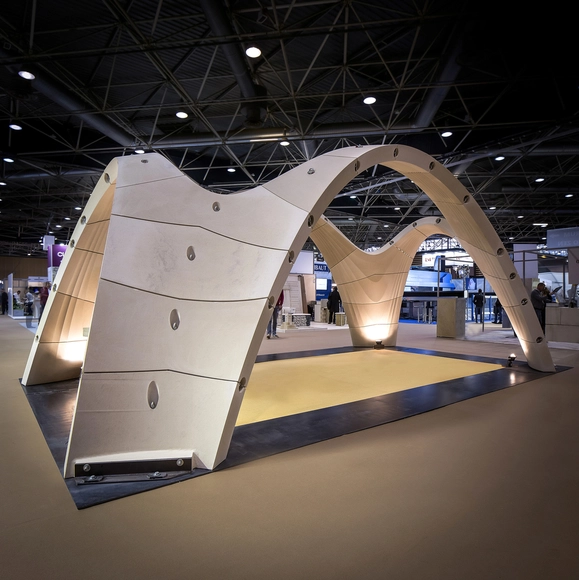
New Fundamentals Research Group, in partnership with S.N.B.R., designed and fabricated a stone vaulted pavilion for Rocalia, a natural stone fair held in Lyon last month. At a total area of 36 square meters and 3.20 meters in height, Flux reconnects the past to the present by combining traditional sculptural design with contemporary fabrication processes.