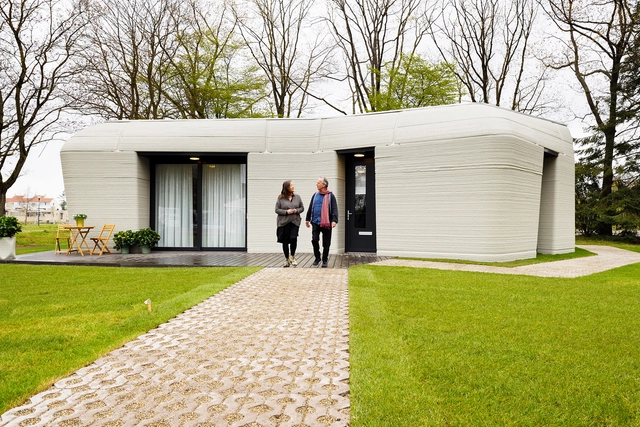
If only a few years ago 3D printing was viewed with a certain suspicion, recent news has shown that it is in fact a viable technology that is here to stay. On April 30, 2021, tenants of the first 3D printed concrete house in the Netherlands received their keys. The house in Eindhoven—the first of five within the 'Milestone Project'—fully complies with all the country's stringent construction requirements.
Titled "Architecture as Measure", the Turkish pavilion at the 17th International Architecture Exhibition – La Biennale di Venezia, seeks to explore what and how architecture can contribute to the environment in the light of the current climate crisis, beyond technological dependence. Curated by Neyran Turan, the pavilion will be on display at the country's long-term venue, the Sale d’Armi, Arsenale from May 22nd to November 21st, 2021.
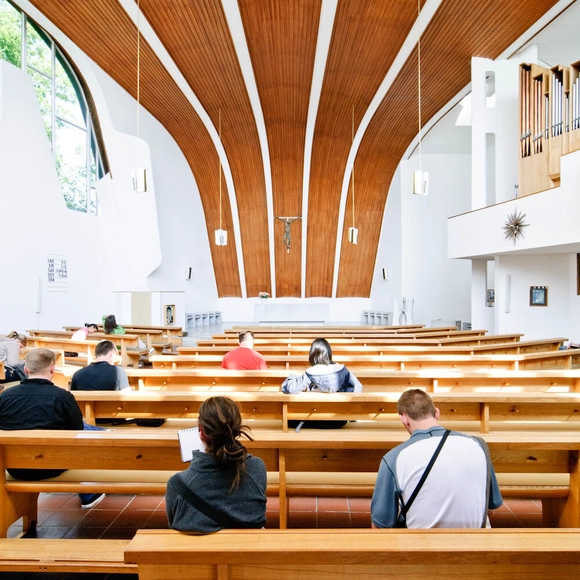
"Acoustics" in architecture means improving sound in environments. Although it is a complex science, understanding the basics - and making efficient and effective decisions - is much easier than you might think. The first step is to understand that there are two technical categories used in acoustics: soundproofing and acoustical treatment. Soundproofing means "less noise" and treatment, "better sound".
Many describe the work of Alvar Aalto as an embodiment of the concept of Gesamtkunstwerk (a total work of art), where architecture, design, and art merge into one. The Finnish architect is a pioneer in the so-called organic strand of modern architecture in the early 20th century and has strongly influenced what we know today as Scandinavian architecture. According to a description on the MoMA website: "his work reflected a deep desire to humanize architecture through an unorthodox handling of shapes and materials that was rational and intuitive." Its methods of bringing natural light into buildings are extolled and studied repeatedly until today. But throughout Aalto's career, wood has always been present and taken many different forms. From structures to ceilings to stools, Alvar Aalto brought this natural material to the fore.
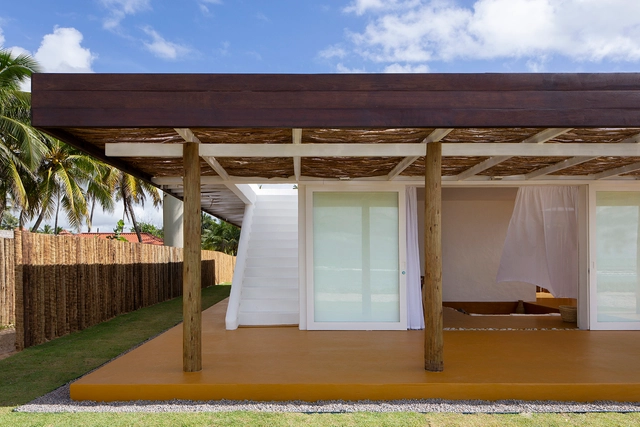
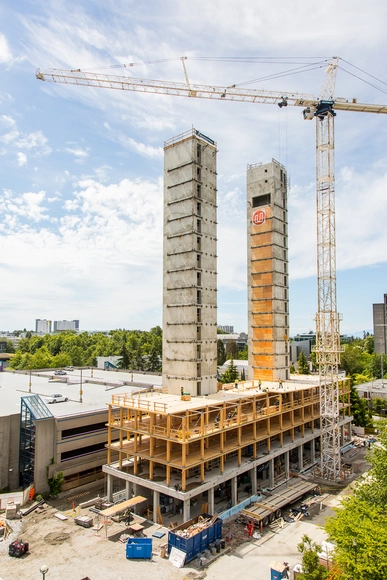
Wood is, without a doubt, one of the most versatile building materials there is. Treated lumber, boards, composites, or rustic hardwood, have structural and visual qualities that attract architects and clients searching for a wide range of possible applications and designs. Logs are one of the oldest ways of using this material since they require very little treatment and processing after the tree is cut and are the most natural form of lumber.
https://www.archdaily.com/960375/brazilian-houses-10-homes-using-rustic-woodEquipe ArchDaily Brasil
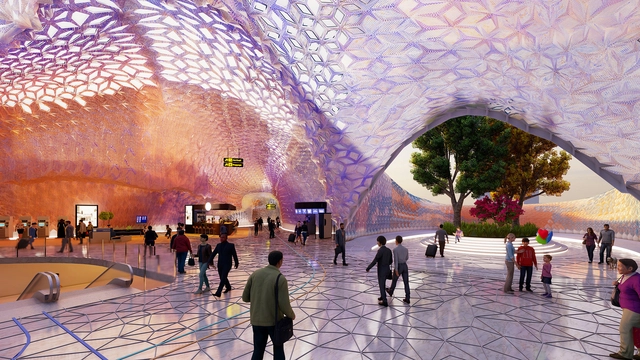
The roof of Euston Station in London is the large-scale architectural setting for the virtual application of the comprehensive Metaplas system, created by students from the Bartlett School of Architecture, UCL. As part of an investigation carried out in Research Cluster 8 (RC8) of the Master's program in Architectural Design, students developed a 3D printed multimaterial system from biodegradable and recyclable thermoplastics. Transforming a series of flat panels into complex three-dimensional forms, students created a structural system with geometric folds that allows for passive control of the lighting of interior spaces.
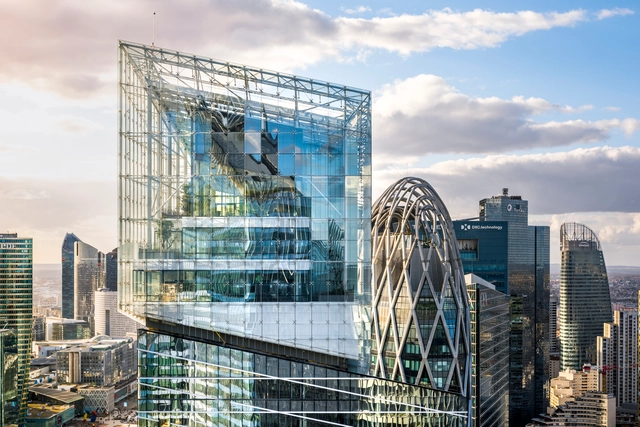
In a 2016 survey of 400 employees in the U.S., Saint-Gobain found that office building occupants commonly complained about poor lighting, temperature, noise, and air quality, leading the company to deduce a need for improved lighting and thermal comfort in buildings while also maintaining low energy consumption and freedom of design for architects and clients. Their solution was SageGlass, an innovative glass created first in 1989 and developed over the course of the past three decades. The glass, which features dynamic glazing protecting from solar heat and glare, simultaneously optimizes natural light intake. A sustainable and aesthetic solution, SageGlass’ adaptability to external conditions dispels the need for shutters or blinds.
https://www.archdaily.com/957605/more-daylight-but-less-glare-and-heat-how-does-automatically-tintable-glass-workLilly Cao
Ventilation serves two main purposes in a room: first, to remove pollutants and provide clean air; second, to meet the metabolic needs of the occupants, providing pleasant temperatures (weather permitting). It is well known that environments with inadequate ventilation can bring serious harm to the health of the occupants and, especially in hot climates, thermal discomfort. A Harvard University study demonstrated that in buildings with good ventilation and better air quality (with lower rates of carbon dioxide), occupants showed better performance of cognitive functions, faster responses to extreme situations, and better reasoning in strategic activities.
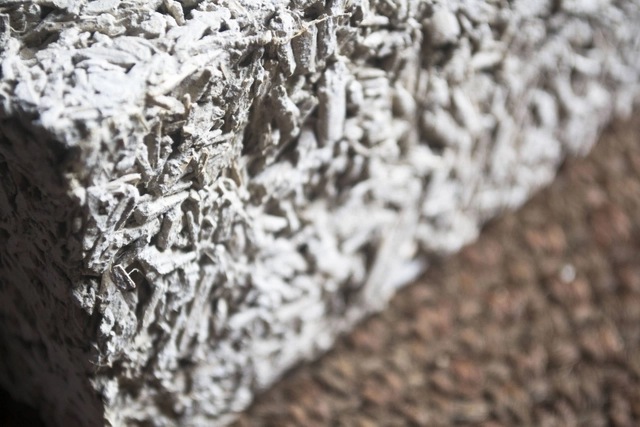
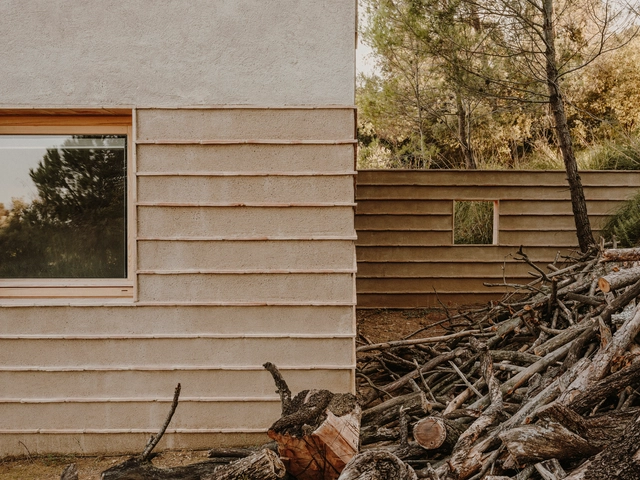
Hemp is one of the oldest crops domesticated by humans. With its wide variety of uses and applications, it’s easy to understand why it’s been a desirable product throughout history. Hemp seeds and flowers are used in health foods, medicines, and organic beauty products; the fibers and stalks of the hemp plant are used in clothing, paper, and biofuel. Today even a waste product of hemp fiber processing, so-called hemp shives, is being utilized to create sustainable building materials like hempcrete.
Hempcrete is a bio-aggregate concrete, where the hemp shives - small pieces of wood from the stalk of the plant - are mixed with either a lime or mud cement to create a durable, eco-friendly building material. Hempcrete is lightweight and non-structural, but can instead be integrated with traditional building construction systems. Similar to traditional concrete, it can be either cast-in-place or prefabricated into building components like blocks or sheets.
Just before the global lockdowns began in response to the spread of the widely discussed COVID-19, we met with Saint Gobain experts at their new headquarters in Paris to discuss an extensive investigation conducted in 2019, with the aim of understanding the transformations that architecture and construction have experienced in recent years. After an interesting exchange of ideas, we chose the most relevant topics to be analyzed in depth by our team of editors, resulting in a series of articles that combined the trends identified with the unexpected events that occurred during 2020, connecting them directly to architectural design.
Videos
Desenvolvido para Harmony Timber Solutions (https://harmonytimber.com/). Image Cortesia de Steven Emerson
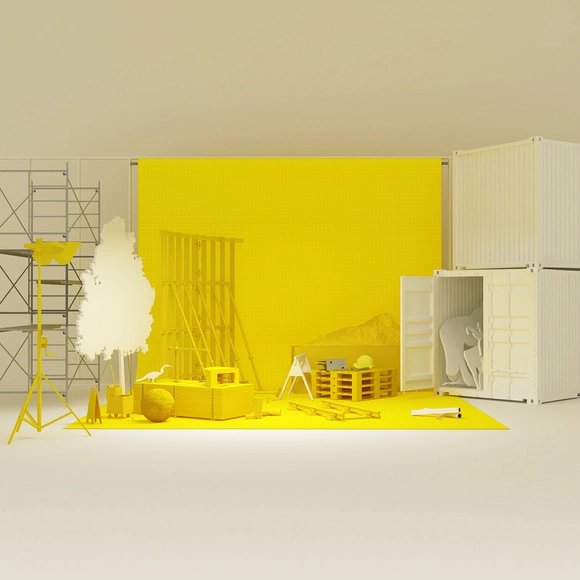
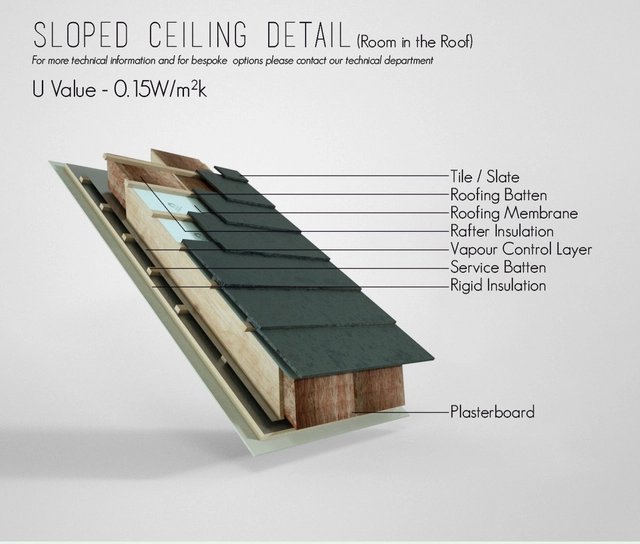
Incredible lighting, shining finishes, healthy trees, and properly positioned human figures seem to be the perfect kit for a good and traditional image of architecture, which, however, is not always representative of reality or context. We are accustomed to thinking of renderings as visions of future buildings, occupied and in use, which serve to sell or convince customers of the worth of a project. But what if rendered images also helped us understand the construction, systems, and functioning of some parts of the building? We talked to two professionals who have developed images that are both beautiful and explanatory.
Videos
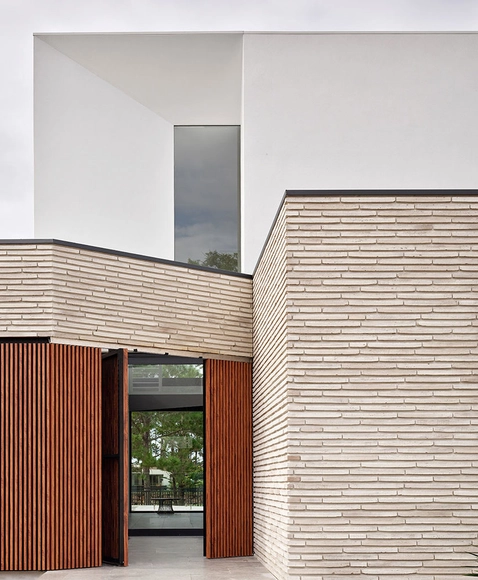
Stratum, Australia. Image Courtesy of Randers Tegl
When creating a contemporary atmosphere for living, many factors come into play. The surrounding environment, its climate, use of materials, spatial organization, and the attention to detail in both the interior and exterior design, all impact the quality of the design as a whole.
Le Corbusier's fascination with the automobile is evident in the architect's various photographic records of him posing proudly next to a car in front of his architectural work. According to the Franco-Swiss architect, in addition to enabling more efficient and economical construction, the industrialization of architecture could form the basis of improved aesthetic results in the same way the modern car chassis supports the creative and modern design of the automobile body. Yet, while vehicles have experienced impressive changes since the 1930s, it can be said that architecture has been slower to adopt the advances of other industries.
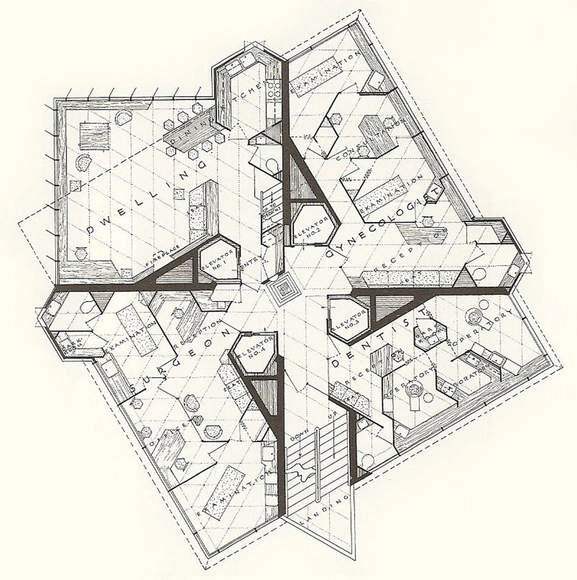
Frank Lloyd Wright’s Price Tower is the famous American architect’s only realized high-rise building and one of his only extant vertically-oriented designs. Located in the plains of Bartlesville, Oklahoma and commissioned by the local oil and chemical firm H. C. Price Company, the mixed-use tower is significant not only for its singularity within Wright’s oeuvre, but because of its unique materials and structural design. Some of Wright’s innovations, which were novel in the mid-twentieth century, remain useful even today.
https://www.archdaily.com/958989/the-tree-that-escaped-the-crowded-forest-lessons-from-frank-lloyd-wrights-price-towerLilly Cao
Along with concerns about our environment, new movements, words, concepts, and terms related to these issues constantly emerge, which require us to always remain up to date. The word sustainability itself faced some resistance until it was incorporated into common vocabulary and used widely in the most diverse contexts. Currently, much discussion surrounds the terms circular economy, resilience, the 4 Rs, urban mining, and others. In addition, there are some sustainability-related movements that have been incorporated from activism in other fields, showing the fluidity of such issues. One such initiative is the 0 kilometer materials movement, which has been featured in manifestos and some projects, albeit timidly, in recent times.
When designing a space, architects across the board tout the importance, and even necessity, of incorporating natural light into interiors. This means taking measures to control the quantity of light being let in and its distribution throughout the space.
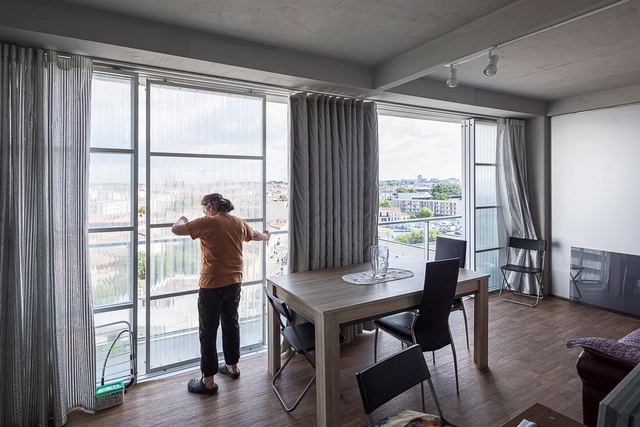
In the case of residential spaces, where privacy plays a larger role than in public spaces like offices, restaurants, and stores, opaque materials like screens, tinted glass, and other barriers are the go-tos for providing protection and privacy from the outside; however, the privacy that these methods provide often comes at the cost of the space's natural lighting, forcing designers to seek alternative materials that allow for both light and privacy.
Paulo Mendes da Rocha often says that the function of architecture is nothing more than ‘supporting the unpredictability of life’. Spaces stand everyday life, meetings, landscape, art. Something like a frame, which is often also considered a supporting element of a work of art, since it highlights and, mainly, directs the viewer's gaze to the main object. The phrase of the Brazilian architect combines well with the way that the Lacaton & Vassal office works. The French couple's award raises some questions about how accurate their choices are for the current moment in the world. This includes the philosophy of their work, the design solutions adopted and the material palette generally adopted.
The Shing Mun River in Sha Tin, a residential town in Hong Kong, has struggled with plastic waste pollution for years. Household waste that is not properly recycled will either end up in landfills or floating in the river. In 2018 almost 17 million plastic items, or 40,000 items daily, were found to be drained into the ocean via the Shing Mun River, mostly being food packaging, cutleries, and household plastic bottles. This quantity of plastic pollution in the river and surrounding environment could eventually jeopardize the natural ecosystem irreversibly.



.jpg?1614777781&format=webp&width=640&height=580)