The world’s most primitive construction materials are being used to create the most advanced buildings. In light of environmental crises, architects are focusing their efforts in designing better built environments for people and the planet. The results may often seem ‘greenwashed’, failing to address the root of ecological distress. Environmentally responsible architecture must aim not to reverse the effects of the ecological crisis, but instigate a revolution in buildings and how we inhabit them. Essays from the book The Art of Earth Architecture: Past, Present, Future envision a shift that will be a philosophical, moral, technological and political leap into a future of environmental resilience.
Climate change has been one of the most pressing topics of this year, and for a good reason. Its effects are visible not only in natural habitats but also in urban environments. The construction industry has an important role to play in this dynamic. Throughout the year, events such as COP27 emphasized the importance of striving to achieve net carbon zero and the challenges faced by developing countries affected by increasingly devastating natural disasters. Possible directions for development include actions at varying stages and scales, from optimizing green spaces for urban heat control to employing local and innovative building materials to minimize the carbon footprint or passing laws that help create more sustainable urban and natural environments.
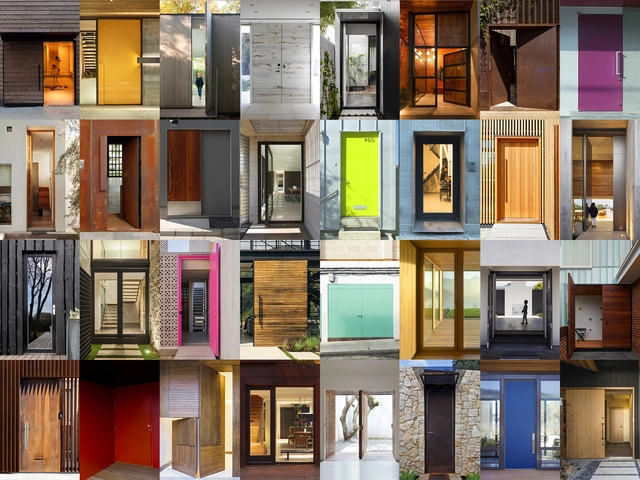
As much as walls, ceilings, and furniture pieces define the character and perception of an architectural project, doors play a critical role in building that style. Among all the doors used in houses, the front door is the first tangible element that homeowners and visitors will encounter, acting as the pivotal point where architecture greets the user. After all, first impressions are always important; and the entrance door is certainly one that can set the tone for the rest of the interior. However, choosing the right front door for a contemporary house can be difficult, especially with so many design possibilities. Therefore, before making that decision, it is crucial to know what those possibilities are – and how these can transform the front door into a design statement.
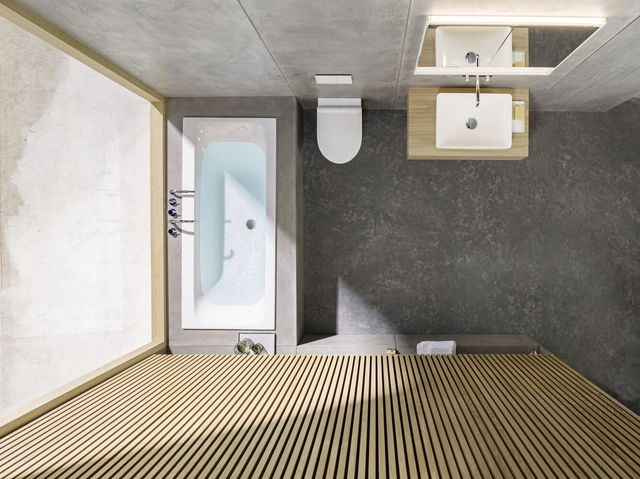
Winning Design. Bjerg Arkitektur, Denmark. Image Courtesy of Geberit
As living spaces are becoming more scarce and expensive, design must create innovative strategies that maintain a balance between functionality and aesthetic expression, enhancing the creation of smaller spaces. With this goal in mind, Geberit has launched a competition across six European countries –Germany, France, Great Britain, Switzerland, Czech Republic and Denmark– to reimagine the bathroom inside a 6 m2 space, a common size in the urban environment that still allows for different layouts.
It is a great privilege to amplify the voice of architects and other built environment professionals. It is also an enormous challenge as it requires a lot of investigation and time from our content team. However, the effort is gratifying. It puts us in contact with some of the most prominent talents in our field who have been discussing subjects such as cities, metaverse, community, environment, democracy, sustainability, building technology and interiors, to mention just a few.
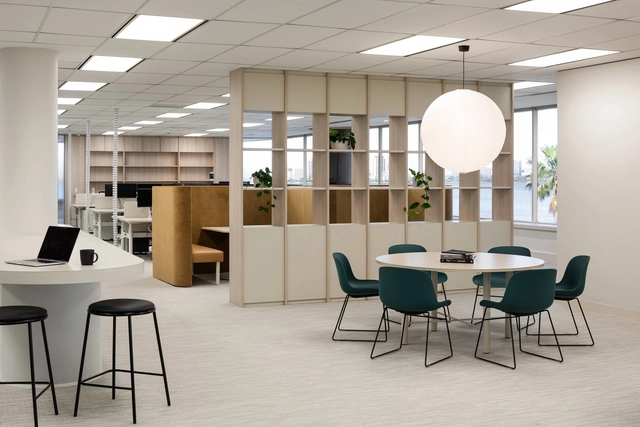
Representing the values of a company, without falling into obviousness and clichés, is quite a challenge for architects. This was the case for Rezen and Templewell, who were commissioned to design the headquarters for IGO, a leading exploration and mining company based in South Perth, Australia. Contrary to the obvious "brutality and harshness" that immediately comes to mind when we think of this extractive activity, the project seeks its antithesis: a space designed for the people who work there, exploring textures, sober palettes, and pleasant surfaces. The office has been selected among the five winners of the 2022 Shaw Contract Design Awards "Best of Globe".
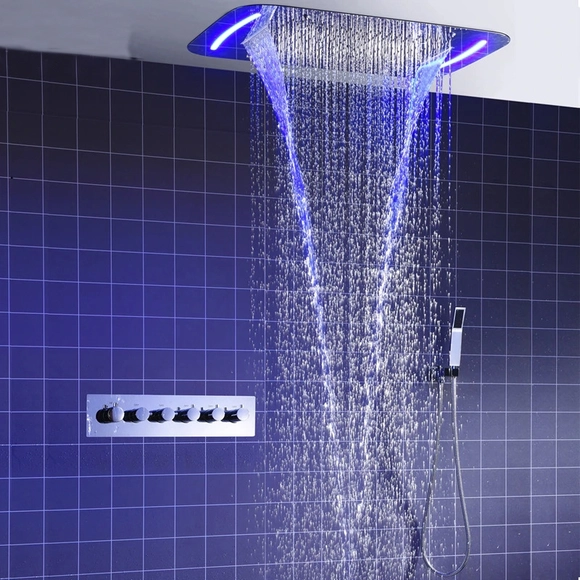
Taking a shower goes far beyond the act of sanitizing. For many, it is the place where the best ideas and epiphanies emerge. Others turn the shower into a stage, rehearsing lines and allowing themselves to sing or pretend to receive an award. Showering can also reduce stress, as well as improve mood and body function: studies show that a shower can activate the parasympathetic nervous system, which is basically a network of nerves that relaxes the body after periods of stress or danger.
Ambitious technologists have claimed for decades that self-driving cars are the future. Yet, looking at recent years, the biggest revolution has come from vehicles on two wheels, not four. Fueled by the pandemic, increased oil prices, climate change and the desire for healthier lifestyles, we are now living in the midst of a bicycle renaissance. But to understand how we got here, it is crucial to look back. When the automobile became more widespread in the early 1900s, it quickly became a symbol of progress along with all it entailed: speed, privatisation and segregation. Adopting a car-centric approach, urban planners had to reorganise entire cities to separate traffic. Cars took over public spaces that used to host dynamic city life and parking lots, highways and gas stations became common landscapes. Pedestrians that once ruled the streets were herded into sidewalks and children relegated to fenced playgrounds. Ironically, cities were being designed for cars (not humans).
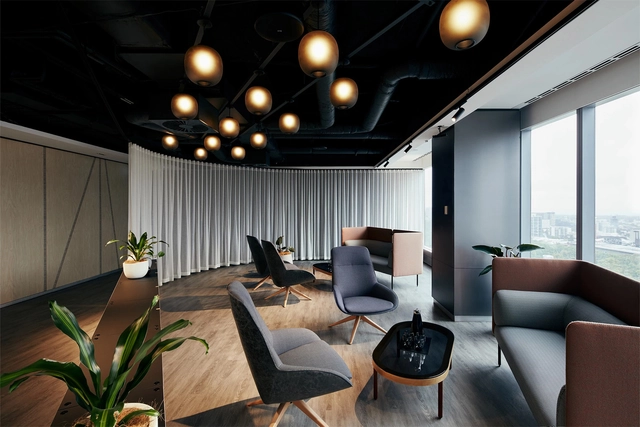
By re-energising the existing building’s meeting floors, the EY Melbourne Project takes a step forward towards collaborative spaces and the way to reinvent workplaces. Within an architectural layout that combines adaptive reuse with the incorporation of featured products, Gensler designs a flexible space which has been selected among the five winners of the 2022 Best of Globe Winner.
Largely driven by rural migration to cities and overall population growth, 68% of people worldwide will live in urban areas by 2050. By doing so, many will benefit from greater access to basic services, proximity to public transportation, and better education and employment opportunities. But the pursuit of living urbanized lives also leads to isolation from the outdoors –be it a forest, a meadow or the mountains– that can negatively impact our physical and mental health. Exposure to nature has long been proven to reduce stress levels, boost mood, foster productivity and, above all, enhance well-being. So, considering we typically spend around 93% of our time indoors (and that the pandemic has magnified that statistic), now more than ever we find ourselves seeking a connection with the outdoors and all its inherent benefits. Architects thus face the important challenge of bringing nature in, which is precisely where biophilic design comes into play.
Cities concentrate opportunities and exchanges, culture and business, while, at the same time are a key contributor to climate change. They are highly complex organisms, with multiple actors involved, that bring to light underlying social interests and conflicts present in society. In 2007, the world's urban population surpassed the rural and this difference has been increasing ever since. According to the 2018 Revision of World Urbanization Prospects report, 55% of the world's current population lives in urban areas, rising to 68% by 2050. This will represent an increase of 2.5 billion people in urban areas, with almost 90% of this increase occurring in Asia and Africa. The Smart Sustainable Cities: Reconnaissance Study also points out that urban centers account for 67% of global energy demand, emit 70% of greenhouse gases and, on top of it all, buildings consume 40% of all energy worldwide. The prospect of a mostly urban world, along with the alarming onset of climate change, both raise challenges regarding living conditions in the coming decades and centuries, and all the implications that will accompany these changes.
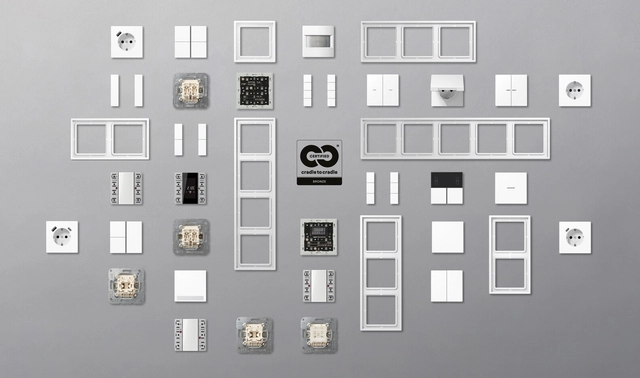
Frames, inserts, modules - hundreds of individual elements from JUNG have successfully gone through the Cradle to Cradle certification process. The LS 990, LS CUBE, AS 500, A 550, A FLOW, A CREATION series from JUNG in white are now Cradle to Cradle certified. Image Courtesy of JUNG
Annually, 13% of the waste generated by humans is recycled, but where does the remaining 87% go? The combination of different types of waste is gradually filling the Earth’s oceans and landfills, leading to a negative impact on wildlife, the natural environment and human health. Within the large amounts of solid waste produced in developed cities, used electronics are a clear example of how materials can be efficiently managed after their life cycle ends. Understanding the behavior of these materials and resources before, during and after their useful life cycle has guided the search for new solutions, such as the Cradle to Cradle (C2C) methodology.
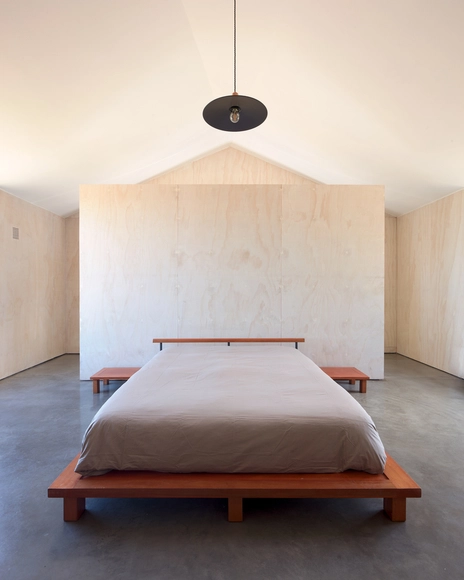
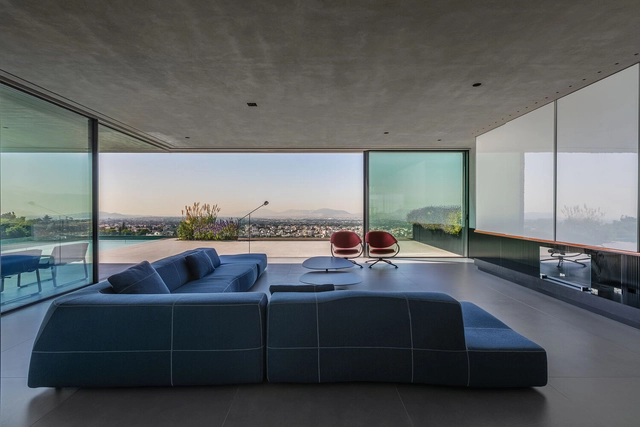
Unlike classical architecture, characterized by a series of rooms with very defined functions and spaces, the current architectural design seeks to integrate spaces to achieve high degrees of adaptability and flexibility. In this way, the boundaries of the enclosures are blurred and new solutions appear that are worth analyzing. In the case of bedrooms, bathrooms are often no longer a small and secluded adjoining room – instead, they are now integrated to form a multifunctional space that is subtly concealed. Just like Mies van der Rohe, who used to group services in strategic areas to create open floors, let's review some cases that have adopted the specific solution of the hidden bathroom just behind the bed.
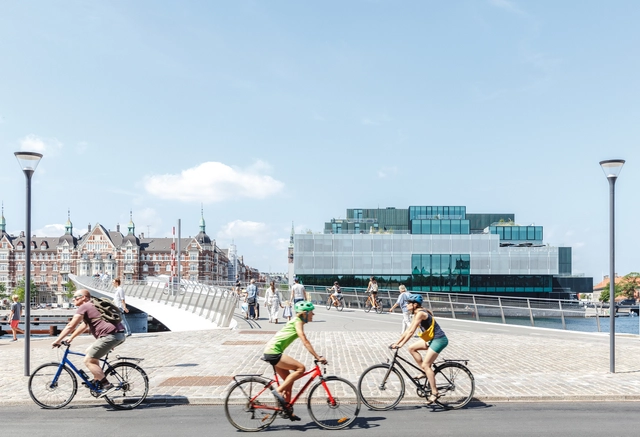
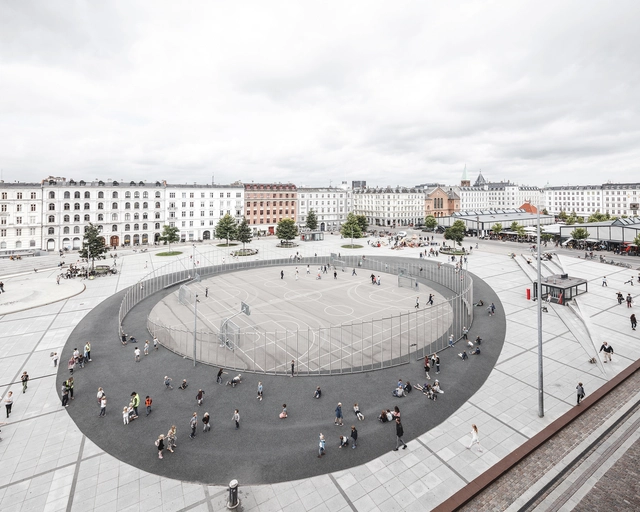
"Life, space, buildings - in that order". This phrase, from the Danish urban architect Jan Gehl, sums up the changes that Copenhagen has undergone in the last 50 years. Currently known as one of the cities with the highest levels of quality of life satisfaction, the way its public spaces and buildings were and are designed have inspired architects, government authorities and urban planners around the world. What we see today, however, is the result of courageous decision-making, much observation and, above all, designs that put people first. Copenhagen will be the UNESCO-UIA World Capital of Architecture in 2023 as well as host of the UIA World Congress of Architects due to its strong legacy in innovative architecture and urban development, along with its concerted efforts in matters of climate, sustainability solutions and livability.
Windows serve multiple essential functions in any project, from framing views to providing daylight and natural ventilation. As human needs have shifted and technology has advanced significantly throughout the years, these have evolved in character, shape, and use of materials. What began as small arrow loops used for defense in medieval fortifications later transformed into wider openings that exemplified status and wealth. The Romans were the first to use glass, but it was considered a precious commodity for centuries. Intricate stained-glass panels adorned countless of medieval churches and cathedrals, while most home dwellers had to settle for covering their “windows” with wood, fur and other materials.
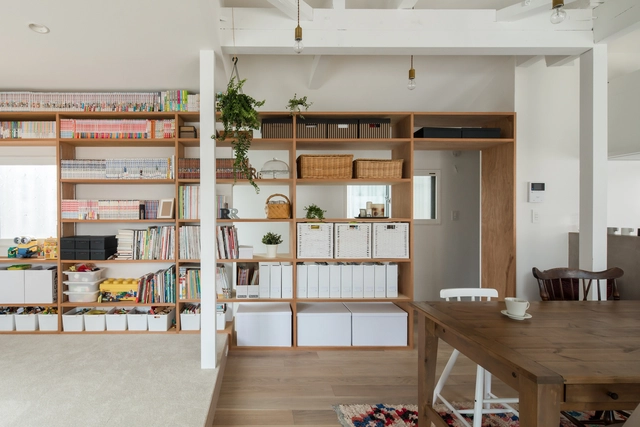
Shelves have a clear function: to organize, store and display. This simple, yet vital role has made them a must in every household, keeping the place neat and tidy by holding books, clothes, toys or any other items that would otherwise be scattered on the floor. Although usually found in closets, bedrooms, bathrooms and kitchens, shelves are useful wherever the extra storage is necessary. They are especially ideal for making the most out of small rooms, which will always benefit from having cleaner, clutter-free floor space. Responding to this crucial storage need and following a strict 'form follows function' approach, traditional shelves are often comprised of minimal, flat horizontal planes attached to a wall –a simple layout that is not particularly meant to draw attention. Hence, people don’t tend to think about shelving ideas beyond storage, and in that sense, the countless design possibilities they offer are often overlooked.
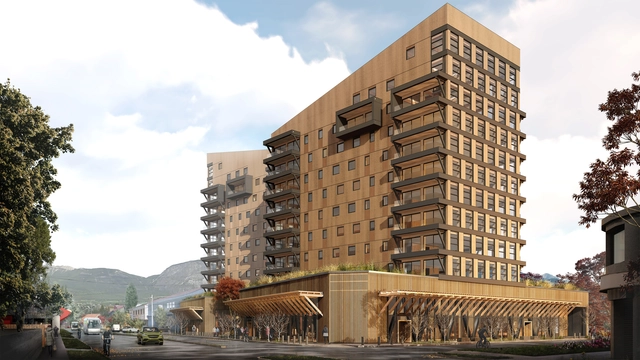
Urbanization and the evolution of modern cities have led to the development of high-rise building constructions, but what is the real environmental impact of these buildings? Traditionally designed with concrete as the main structural material, their construction implies an increase of CO2 emissions released into the atmosphere, air pollution and a rise in energy and water consumption. These consequences call for the development of new sustainable strategies outside of the industry’s comfort zone, such as the incorporation of wood as a structural element. Cross Laminated Timber (CLT) has emerged as a new structural strategy that Chilean architects have begun to incorporate into the country’s architecture, adapted to local conditions and norms.
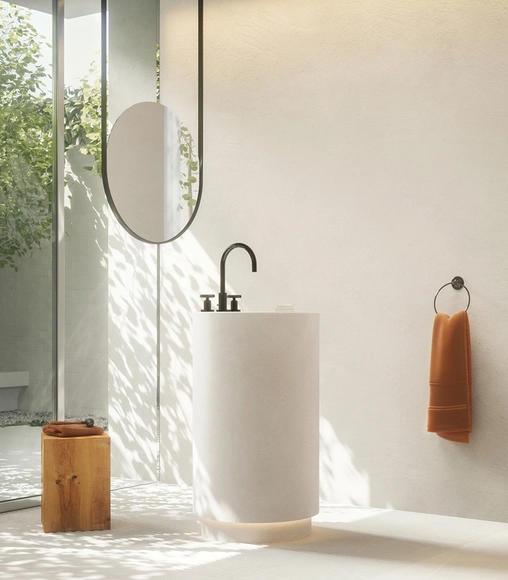
Within the different spaces of an architectural project, bathrooms tend to be a mix of both functional and relaxing areas. Their place inside a project’s design implies a proper selection of fittings, where architects and designers can play with different shapes, colors and textures to follow the style of the whole scheme. As a source of inspiration for countless bathroom fittings, Dornbracht’s TARA collection combines geometric shapes with timeless modernity, all through a clear formal language.