Construction is an exercise in frugality and compromise. To see their work realized, architects have to juggle the demands of developers, contractors, clients, engineers—sometimes even governments. The resulting concessions often leave designers with a bruised ego and a dissatisfying architectural result. While these architects always do their best to rectify any problems, some disputes get so heated that the architect feels they have no choice but to walk away from their own work. Here are 6 of the most notable examples:
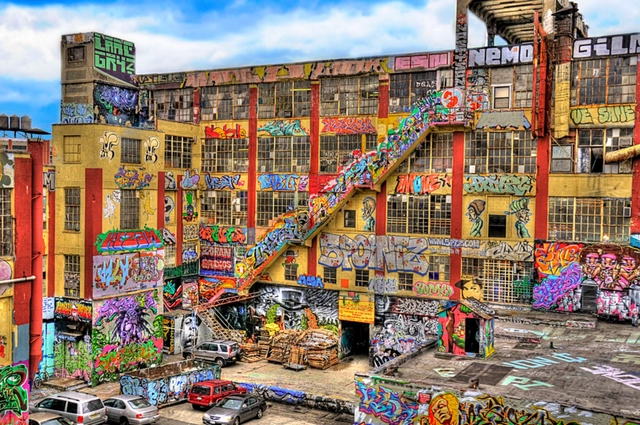
It happened in the middle of the night: the stealth whitewashing of 5Pointz, Long Island City's unofficial graffiti museum. In 2013 owner Jerry Wolkoff, of G&M Realty, wanted the building razed in order to erect new luxury condominiums, and the artists sued to preserve their work. A judge denied the artists' request and Wolkoff had the murals destroyed under cover of darkness, ostensibly to prevent them from attaining landmark status. Though graffiti was born as a subversive act, these artists had painted with Wolkoff's permission since 1993 and had turned the warehouse into “the world's premiere graffiti mecca” and the largest legal aerosol art space in the United States. This was a serious betrayal.
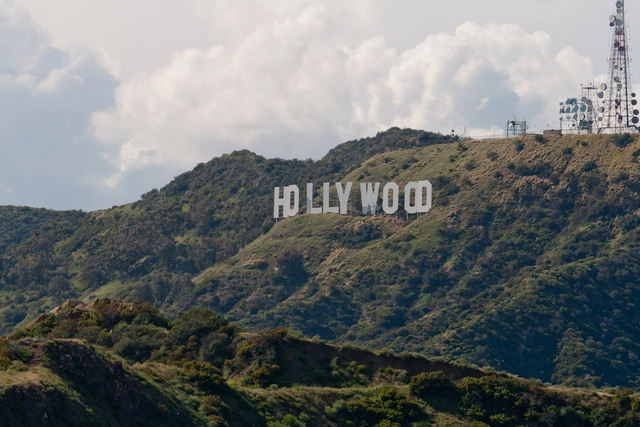
Los Angeles may soon be receiving a new attraction: a gondola-style cable car system that would transport visitors up to the iconic Hollywood Sign in the Santa Monica Mountains.
According to a recent interview with LA mayor Eric Garcetti, the city is considering several new options to open up access to the 45-foot-tall structure, one of which is a sky gondola that would pick up visitors at or near Universal Studios (located on the north side of the mountains in Studio City).
What did Pritzker Prize winner Frank Gehry get when he designed the Stata Center, an exuberantly whimsical academic complex for MIT? A very large check, plus a major lawsuit, alleging negligence and breach of contract due to rampant leaks, mold, cracks, drainage problems and sliding ice. Sometimes the most inspired designs can go awry. And when they do, some clients lawyer up. Here are 9 fascinating examples.
Courtesy of Los Angeles Department of City Planning
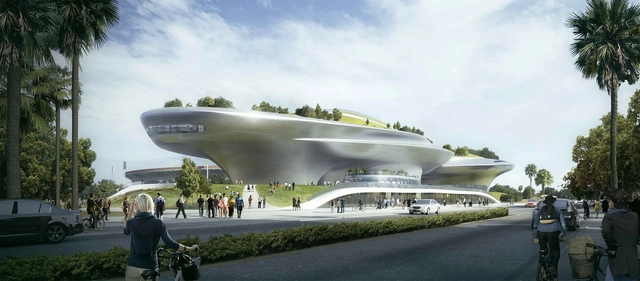
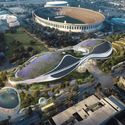
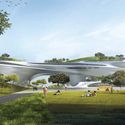
New renderings showing an updated design for the Lucas Museum of Narrative Art in Los Angeles have been revealed as part of a presentation to the LA city planning commission. Designed by MAD Architects, the building will house the Star Wars-directors’ expansive collection of art, illustrations and artifacts, showcasing the art of visual storytelling.
With rapid advancements in technology and crystal clear imagery, drones have allowed us to experience our cities and landscapes from unimaginable vantage points and perspectives. In its series of videos, YouTube channelMingomatic uses drones to capture the sights and scenes of predominantly American cities and various locations from above, offering glimpses of skylines, oceans, highways and terrains (and seals!). Check out the 10 videos below for some spectacular views, and find Mingomatic’s full selection, here.
https://www.archdaily.com/870021/experience-cities-from-above-with-these-crystal-clear-drone-videosOsman Bari
Videos
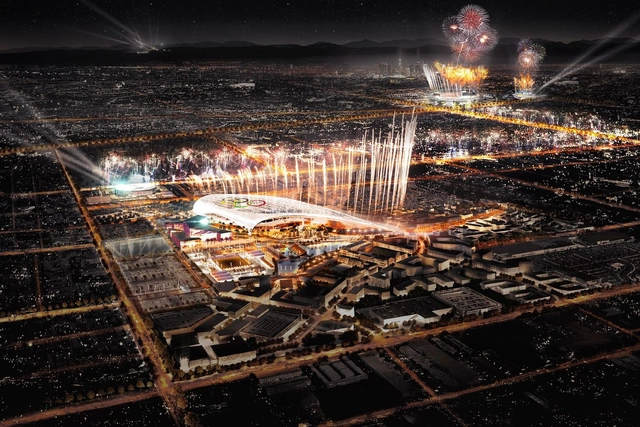
Main Stadium - Future home of the NFL's LA Rams. Image Courtesy of LA 2024
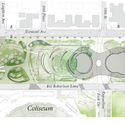
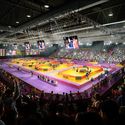
As the race for the 2024 Olympics bid has been narrowed down to just two cities, the LA 2024 committee has revealed the latest plans for its bid. While the central appeal of Los Angeles would be its existing sports and transportation infrastructure (a key concern following the economic struggles of many recent host cities), the city would still see a comprehensive update of venues and several new structures.
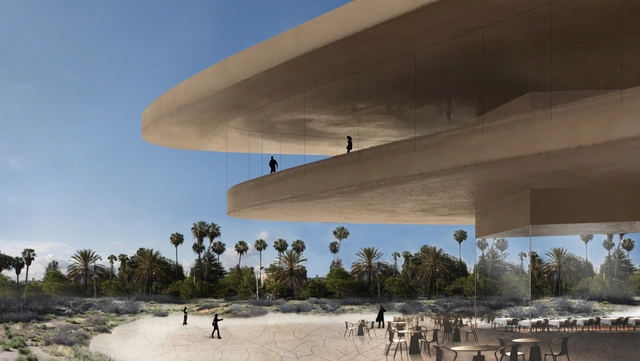
The Los Angeles County Museum of Art (LACMA) has released the newest renderings of their planned Atelier Peter Zumthor-led $600 million renovation, and one thing in particular stands out: the building is no longer black.
While the third major revision to the design sees the building retain the overall shape of its previous iteration, many aspects have changed, including how the floating mass touches the ground and the facade’s new sandy color.
Every summer, SCI-Arc opens its doors to students and young professionals from multiple disciplines and diverse backgrounds seeking to explore the field of architecture from the school’s distinctive vantage point of hands-on design and experimentation. The Making+Meaning summer program offers participants a unique opportunity to be a part of the vibrant design community at SCI-Arc as they work on projects to jumpstart or enhance a design portfolio. This immersive workshop runs from July 10th – August 4th and is now open for registration.
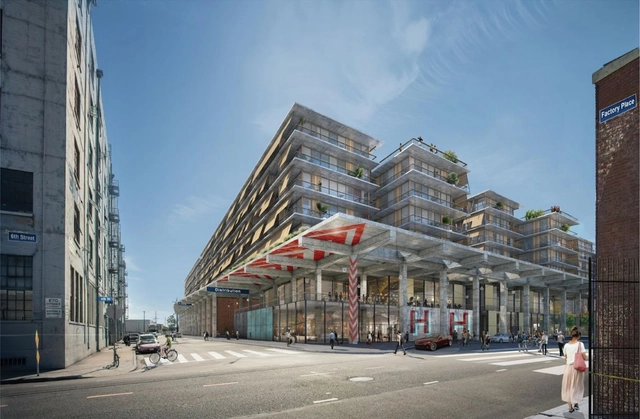
View from the street. Image Courtesy of Los Angeles Department of City Planning
The Los Angeles Department of City planning has released a new study surrounding Herzog & de Meuron’s 6AM mixed-use development planned for LA’s Arts District. Originally revealed last fall, the estimated $2 billion complex would constitute the Swiss firm’s first project in the Southern California city, and could play a major role in the revitalization of the downtown area.
Interiors is an Online Publication about the space between Architecture and Film, published by Mehruss Jon Ahi and Armen Karaoghlanian. Interiors runs an exclusive column for ArchDaily that analyzes and diagrams films in terms of space.
Damien Chazelle’s La La Land (2016) is an ode to the Technicolor musicals of Hollywood by way of Jacques Demy and Paul Thomas Anderson. The film is less of a musical and more of a love story with music, as its rich color palette and Cinemascope presentation create an idealized world that strips away its artificiality over the course of its runtime, ultimately becoming more and more realistic.
La La Land uses its filmmaking—particularly its long, unbroken takes—to bring its audience into its world and its spaces. The opening sequence, for instance, where helpless drivers stuck in a traffic jam hop out of their cars and break into a synchronized dance number, was filmed on the 105/110 freeway interchange and was edited to appear as one take, ultimately resulting in an immersive experience that highlights the architecture of the scene.
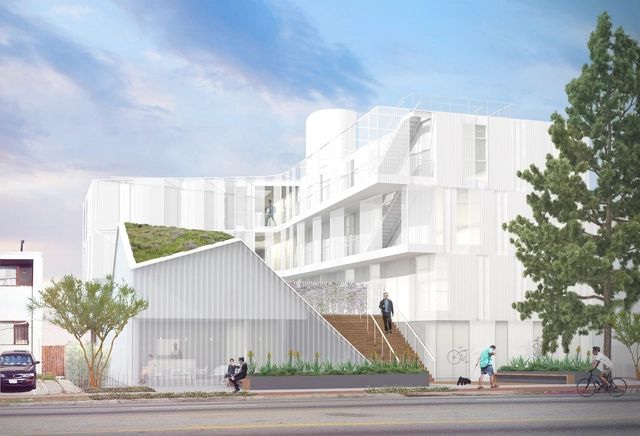
With ever-increasing rates of chronic and veteran homelessness amongst low-income households, Los Angeles’ pressing demand for affordable social housing is being addressed by Lorcan O’Herlihy Architects, with their design of MLK1101 Supportive Housing, which has just begun construction.
Working in collaboration with non-profit Clifford Beers Housing, LOHA’s intention is to focus on health and community within a comfortable environment. This is achieved through a number of strategies, including exposing the building towards the street to integrate the building into the neighborhood creating strong community ties.
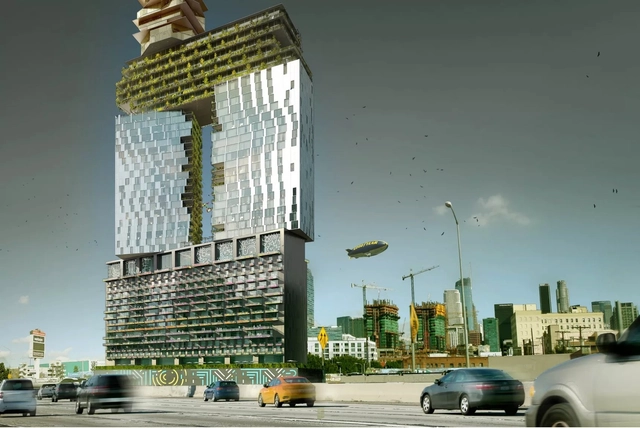
An eclectic stacked skyscraper may become downtown Los Angeles’ newest landmark. Designed by Gensler, the 52-story tower at 1600 South Figueroa would add to Central LA’s current development boom, contributing a mix of housing, retail, offices and a hotel to the area located near the Staples Center and LA Live Entertainment district.
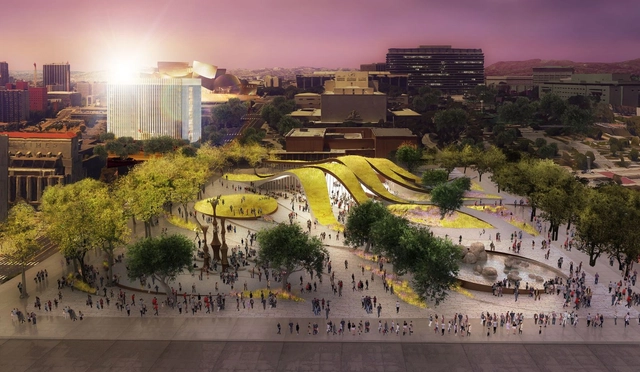
Los Angeles-based practice Brooks + Scarpa has revealed their proposed design for the FAB Park competition, which sought schemes for a new $12 million public park situated at First and Broadway in Downtown LA.
The FAB (First and Broadway) Civic Center Park aims to capitalize on the city’s diverse character and encourages strong communal activity among members of the public, through the inclusion of unique spaces for food, art and socializing.









.jpg?1494051634)