Rain Room is an art installation by rAndom presented at the Barbican in London composed of a hundred square metre field of falling water through which it is possible to walk, trusting that a path can be navigated, without being drenched in the process. As you progress through The Curve, the sound of water and a suggestion of moisture fill the air, before you are confronted by this carefully choreographed downpour that responds to your movements and presence. The installation was made possible through the generous support of the Maxine and Stuart Frankel Foundation for Art. The video was done by Gramafilm, with music by Max Richter. More images can be viewed after the break.
London: The Latest Architecture and News
'Rain Room' Installation / rAndom
https://www.archdaily.com/288219/rain-room-installation-randomAlison Furuto
10x10 Drawing the City London

Lord Foster, Dame Zaha Hadid and David Adjaye join artists and fashion icons to create 100 one-off artworks for the 10×10 Drawing the City London exhibition and auction, hosted by Article 25 – the UK’s leading international development and disaster relief charity. 10×10 Drawing the City London is currently taking place in Somerset House’s newly restored West Wing through November 13th.
https://www.archdaily.com/289720/10x10-drawing-the-city-londonKarissa Rosenfield
Lens House / Alison Brooks Architects


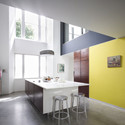
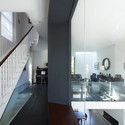
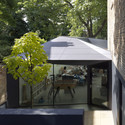

-
Architects: Alison Brooks Architects
- Year: 2012
-
Professionals: Adair Associates, EBCO, Hutton & Rostron, RHB Partnership LLP, Orla Kelly Ltd
https://www.archdaily.com/289288/lens-house-alison-brooks-architectsSebastian Jordana
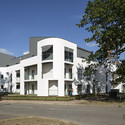
Boxtree Lane / YOOP Architects

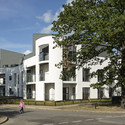
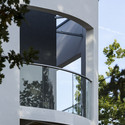
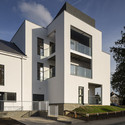

https://www.archdaily.com/286451/boxtree-lane-yoop-architectsJavier Gaete
Tower Wharf Cafe / Tony Fretton Architects
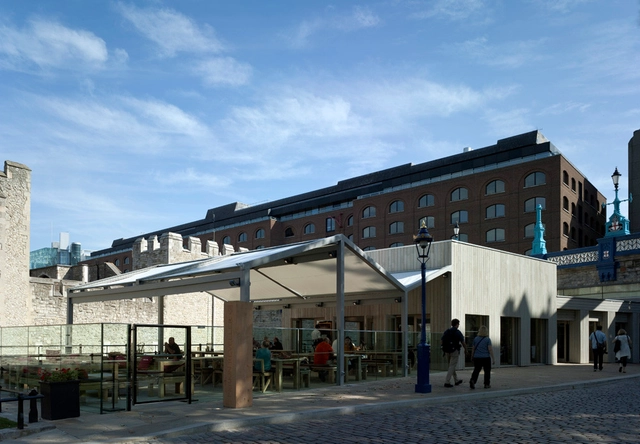


https://www.archdaily.com/286174/tower-wharf-cafe-tony-fretton-architectsDaniel Sánchez
Jindal’s Pavilion / Paul Archer Design
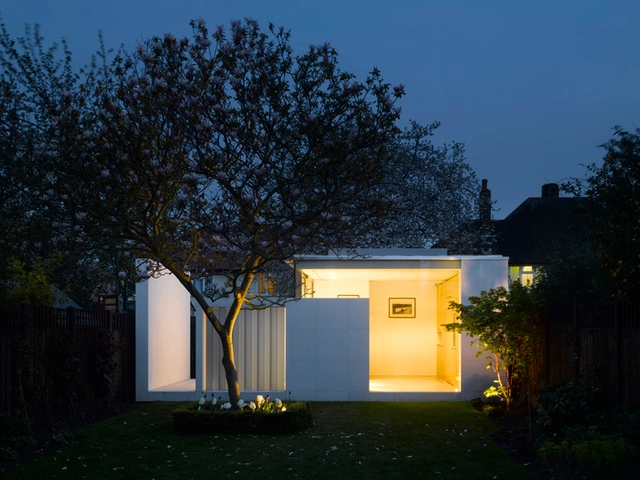

https://www.archdaily.com/282433/jindals-pavilion-paul-archer-designJonathan Alarcón
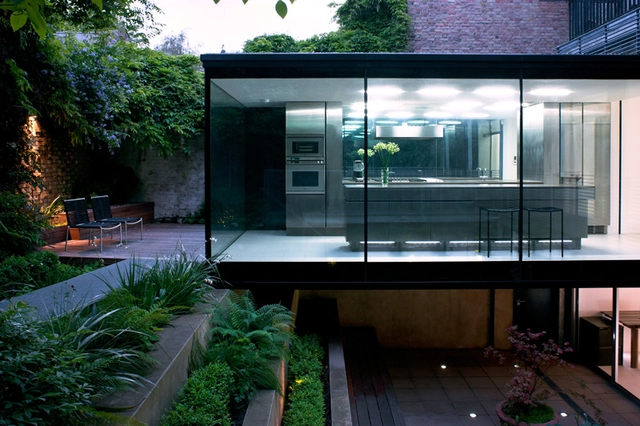
Taylor House / Paul Archer Design
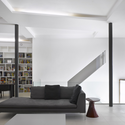
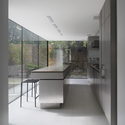

https://www.archdaily.com/282424/taylor-house-paul-archer-designJonathan Alarcón
South Place Hotel / Allies and Morrison
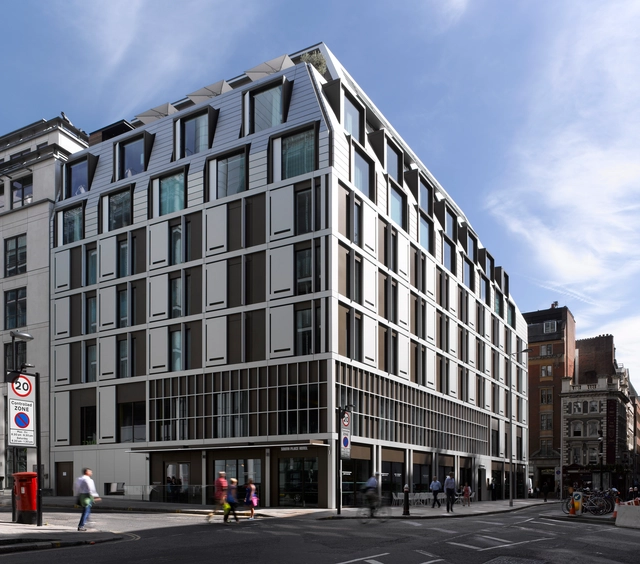
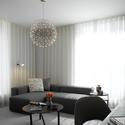
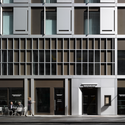
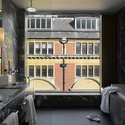
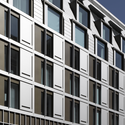

https://www.archdaily.com/282018/south-place-hotel-allies-and-morrisonDaniel Sánchez
Fumihiko Maki to design Cultural Center and University in London

Japanese modernist Fumihiko Maki has been chosen to design a cultural and university complex on a 67-acre Kings Cross development in London. As reported by the Evening Standard, the 84-year-old, Pritzker Prize-winning architect will design two buildings for the Aga Khan Development Network – an organization who leads the world’s 15 million Ismaili Muslims.
The two projects are among five, totaling a half million square feet, that are being commissioned by the Network at Kings Cross. It is unsaid of who will design the other three buildings. However, preliminary designs studies are under way and formal appointments will be announced shortly.
https://www.archdaily.com/282877/fumihiko-maki-to-design-cultural-center-and-university-in-londonKarissa Rosenfield
One Week Left of the Serpentine Pavilion!

The summer months have come and gone, which means one thing: the Serpentine Gallery Pavilion is winding to an end (on October 14th, to be exact)!
https://www.archdaily.com/270684/one-week-left-of-the-serpentine-pavilionVanessa Quirk
KREOD / Chun Qing Li of Pavilion Architecture

Using state-of-the-art parametric design tools and digital fabrication, KREOD brings together some of the most talented designers, engineers and innovative materials to challenge current thinking and showcase sustainable and forward-thinking building methods. Designed by Chun Qing Li of Pavilion Architecture, KREOD will be located next to Peninsula Square, between Emirates Air Line and The O2 at Greenwich Peninsula now until January 2013 . More images and architects’ description after the break.
https://www.archdaily.com/275460/kroed-chun-qing-li-of-pavilion-architectureAlison Furuto
BE OPEN Sound Portal / Arup

Located in Trafalgar Square in London, the BE OPEN Sound Portal focuses on an experience that would be all about the sound. Designed by Arup, they thought it would be great if people could really concentrate on sound in Trafalgar Square, which would take people away form hustle and bustle into a space where they can concentrate and immerse themselves in sound. The original idea was that they would be able to take people away from London to another place, to hear the sound of a melting glacier or an acoustic model of the big bang. The plan is effectively two concentric circles: the inner circle for the sound and the outer circle forms the entrances. Both pieces mask the background noise. They are shells to shield the noise. More images and architects’ description after the break.
https://www.archdaily.com/275772/be-open-sound-portal-arupAlison Furuto
Feilden Clegg Bradley selected to renew Southbank Centre

Today, the Southbank Centre announced its appointment of Feilden Clegg Bradley Studios (FCBS) as lead architect to refurbish and renew the Queen Elizabeth Hall, Purcell Room and Hayward Gallery complex. The UK-practice beat OMA, Heneghan Peng, Allies & Morrison, Eric Parry, van Heyningen & Haward and Grimshaw Architects to the job (see shortlist here). A formal appointment will be made after the statutory 10-day standstill period in accordance with EU regulations.
Rick Mather, Southbank Centre’s Masterplan Architect and a member of the selection panel, said: “We heard a huge amount of high quality and serious thinking demonstrating six quite different approaches to this part of the site. Feilden Clegg Bradley Studio’s proposals won because they best understood the Queen Elizabeth Hall, Purcell Room and Hayward Gallery complex and how it can be enjoyed and used more effectively. I look forward to seeing their designs develop over the coming months.”
Learn more after the break.
https://www.archdaily.com/278196/feilden-clegg-bradley-selected-to-renew-southbank-centreKarissa Rosenfield
Duggan Morris to Design the New Floating Cinema

UP Projects and The Architecture Foundation has announced Duggan Morris Architects as winner of the Open Architecture Challenge to design the next phase of the acclaimed Floating Cinema project. This project has been commissioned by the Legacy List with corporate partner Bloomberg as part of the Bloomberg East series of artist-led programs to animate the waterways in East London working in partnership with the Canal and River Trust.
Continue after the break to learn more.
https://www.archdaily.com/277003/duggan-morris-to-design-the-new-floating-cinemaKarissa Rosenfield
Chipperfield criticizes the impotence of contemporary practice

With a world plagued by the current economic crisis, David Chipperfield fears that the architects’ role is shrinking and the professions ability to influence the shape of our cities is diminishing.
Since the inauguration of this year’s Venice Biennale, Chipperfield has been amidst of a few heated debates, most notably debunking the harsh criticism of Coop Himmelb(lau)’s Wolf Prix – who claimed the “hollow” event was “no longer about lively discussion and criticism of topics in contemporary architecture” – by affirming Prix “hadn’t even visited Venice”.
Interestingly, Chipperfield has now initiated a debate, using similar rhetoric as Prix, that calls attention to the dwindling role of the architect and the impotence of contemporary architecture. The catch? He blames politicians.
Continue after the break for more.
https://www.archdaily.com/276848/chipperfield-criticizes-the-impotence-of-contemporary-practiceKarissa Rosenfield
The Crystal / Wilkinson Eyre Architects
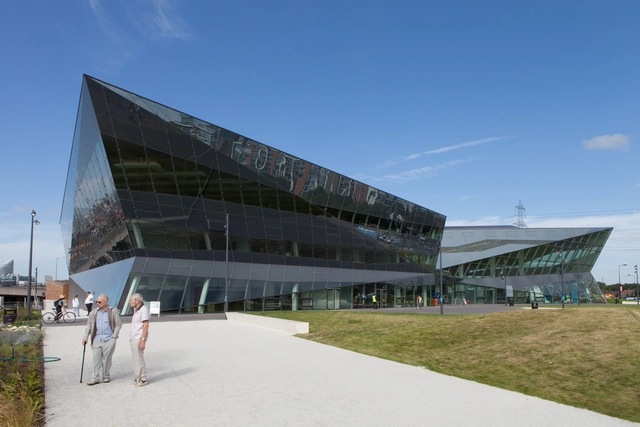
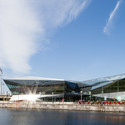
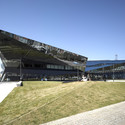
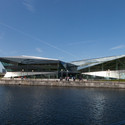
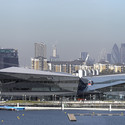

https://www.archdaily.com/275111/the-crystal-wilkinson-eyre-architectsDaniel Sánchez
Archway Studios / Undercurrent Architects


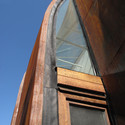
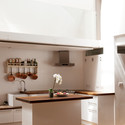
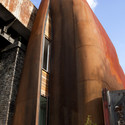

-
Architects: Undercurrent Architects
- Year: 2012
https://www.archdaily.com/273187/archway-studios-undercurrent-architectsDaniel Sánchez
The Movement Cafe / Morag Myerscough

Designer: Morag Myerscough of Studio Myerscough Customized ice cream bicycle: Luke Morgan Furniture: Morag Myerscough and Luke Morgan Location: Waller Way, Greenwich, London Se10 8JA, UK Project Year: 2012 Project Area: 140 sqm Client: Cathedral Group
https://www.archdaily.com/271753/the-movement-cafe-morag-myerscoughIrina Vinnitskaya