Courtesy of KARL LAGERFELD, Sierra Blanca Estates and One Atelier
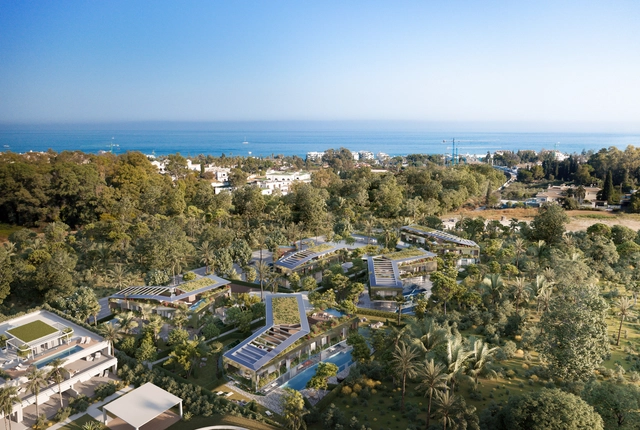
During the past couple of years, luxury and fashion brands began venturing into architecture. Some built museums, foundations, and cultural organizations while others shaped residential structures that translated their identity into space. Following this same concept, KARL LAGERFELD, along with Spanish Developer Sierra Blanca Estates and the Design and Branding Firm The One Atelier, have developed the fashion house’s first “luxury architectural project”, the Karl Lagerfeld Villas in Marbella, Spain. Designed by The One Atelier, of which Andrea Boschetti is Head of Design, the project has low carbon impact, aligned with the brand’s commitment to the Fashion Pact - a global sustainability initiative that seeks to transform the fashion industry through objectives in climate, biodiversity, and ocean protection.
Asking what is “luxury architecture” and questioning why fashion brands are expanding into architecture, ArchDaily met with Andrea Boschetti to further understand the architect and urban planner’s take on the subject.
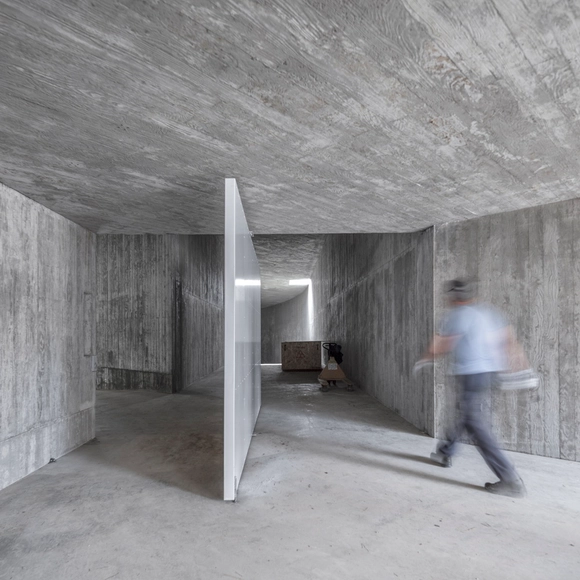
Concrete and sustainability are two words that are often considered incompatible. Used as early as the Roman era, concrete has shaped much of our built environment, being the most widely used manufactured material in the planet thanks to its resistance, versatility, cost-effectiveness, and accessibility, among other inherent benefits. Its popular use in buildings and infrastructure forms the foundations of cities, connects communities, and will continue to play a vital role in providing solutions to the challenges of the future – especially as cities must respond to a growing global population. But with cement as its key ingredient, it also comes with several environmental costs, being responsible for at least 8% of the world’s carbon emissions in a climate-change context. However, it doesn’t necessarily have to be that way. With the rise of innovative technologies and products, there are many ways to make concrete greener.
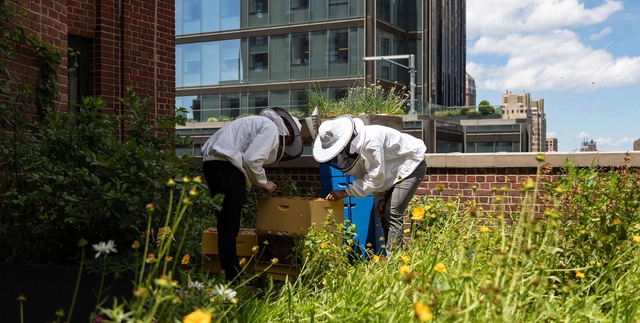
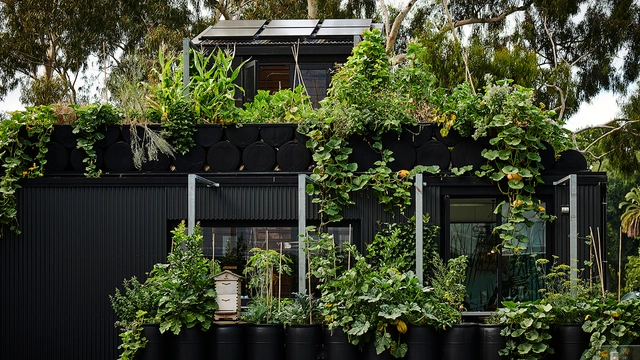
Food production is directly reliant on bees, and their disappearance could lead to catastrophic effects on humanity. There are alarming reports all over the internet about how these little insects are dying. According to the Food and Agriculture Organization of the United Nations (FAO), 75% of the world's food crops rely on bees. For example, it is only possible to have a juicy and well-developed strawberry if dozens of bees go by the flower at the right time and pollinate it. Without them, it would look more like a raisin.
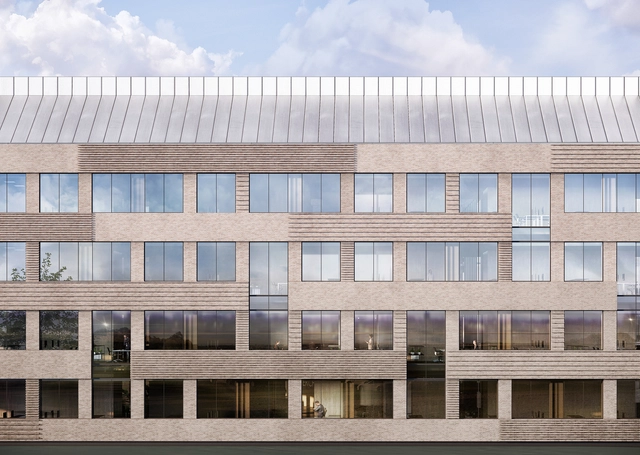
Generally made from kiln-fired clay, it is estimated that bricks have been used since 7000 BC, as examples were discovered in the ancient city of Jericho. Since then, bricks have been omnipresent in the history of architecture, combining constructive ease, aesthetics and comfort. Nowadays, with the growing concerns around the environment and the larger impact of materials used and decisions taken on a project, there are ways to modernize an ancient material such as brick through a few updates to its manufacturing process, making it even more eco-conscious. Brick can already be considered a sustainable material because of its durability and recyclability, but there are ways to further improve it. The new project for the headquarters of the food manufacturer Danish Crown, under construction and developed by CEBRA office, is a good example of how to apply this product in a more sustainable way.
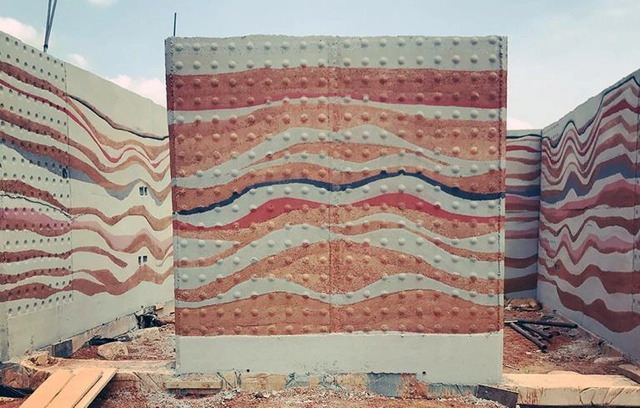
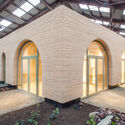
Rammed earth constructions are not a novelty, on the contrary, some sections of the Great Wall of China were made using this technique. Relegated and replaced by modern methods of construction, the mud walls are currently re-emerging as an economic, sustainable solution, with low environmental impact. Even Joelle Eyeson, a young African entrepreneur, is betting that it may be the answer to the housing deficit in her region.
This is a rudimentary construction system in which earth is compressed into wooden boxes. The clay is horizontally placed in layers of 15 cm in height, and compacted with manual or pneumatic tools, to achieve its ideal density creating a resistant and durable structure.
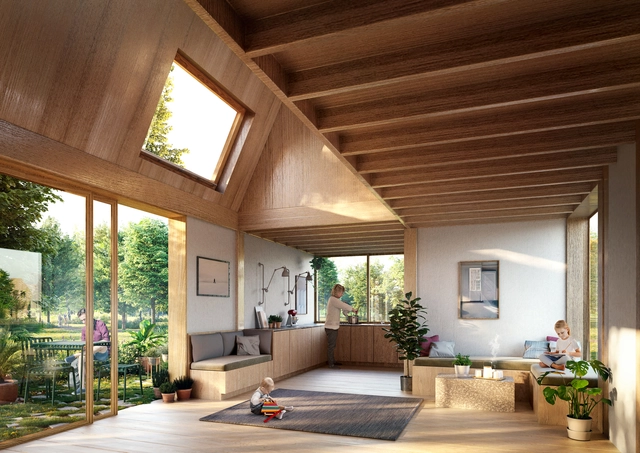
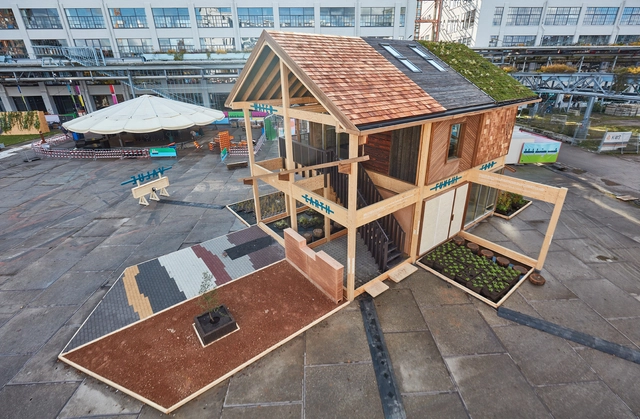
VELUX Group reveals The Build for Life concept aimed at creating sustainable communities and built environment through affordable, socially-oriented designs and new housing models, healthy indoor climates and the use of low-impact materials. Developed together with EFFEKT, MOE engineers and Danish construction company Enemaerke & Petersen A/S, the concept provides architects and city planners with a “compass’ for navigating the sustainability imperatives of the moment while encouraging the design of healthier living places.
The climate crisis has become a staple of the architecture discourse, with the field slowly acknowledging its contribution to environmental issues and seeking to reframe its values and approaches. However, there is an evident lack of commitment and consistency in addressing the matter and an absence of systemic change. Emerging practices, organizations and startups are carving a new architecture practice, slowly unfolding a paradigm shift beyond "green" add-ons and technical equipment. Addressing environmental issues on multiple levels, from policy and design strategies to materials and construction processes, the following are some of the actors reframing the profession's relationship with sustainability.
According to a 2021 Food Waste Index Report by the United Nations, 17% of global food production goes to waste, becoming the third biggest source of greenhouse gas emissions. 11% of this waste is generated by households, not only contributing to the climate crisis, but also provoking large economic costs, biodiversity loss, and the rise of pollution levels at unprecedented rates. Therefore, considering the key role that architecture and design plays in providing more eco-friendly housing options, it is essential to adopt and enhance a more self-sustaining, zero-waste approach.
Batlleiroig is an architecture firm based in the city of Barcelona, whose extensive portfolio encompasses urban projects, landscaping, buildings, and interior design. We spoke with Joan Batlle Blay, Architect & Landscape Architect and partner at the firm, about the innovations and challenges in his work. According to him, “In our office, we think that R+D (research and development) is the company’s main tool to innovate and evolve our work method into an absolute creed for the planet.” See the full interview below:
The Build Better Now virtual pavilion opened to the public during COP26, showcasing seventeen sustainable projects that demonstrate the built environment's opportunities for addressing the climate crisis. The initiative, run by UK Green Building Council, comes as a global call for climate action, highlighting the AEC's industry's commitment to sustainable practice on a worldwide stage, particularly since this year the COP26 dedicated a day to buildings and cities.
As cities grow in scale, dimensions, and amplitude, taking in 60% of the world population, the United Nations has designated the 31st of October as “World Cities Day”, an opportunity to talk furthermore about global urbanization, addressing challenges, encouraging opportunities across borders and highlighting responses. Focusing this edition on the theme of “Adapting Cities for Climate Resilience”, this day, part of Urban October, seeks to raise awareness about the climate crisis and its repercussions on the built environment.
Cities, at the center of the global challenges, are hubs for institutions, society, economy, commerce, and transportation. Understanding the importance of “Thinking the City”, we have compiled in this roundup, articles published by ArchDaily’s editors that offer planning tools and guidelines, tackle the different components of the urban realm and highlight worldwide as well as contextual questions and responses.
Solar technology has enormous potential, but it has been underutilized. To get an idea of just how underutilized it is, consider that every 24 hours the amount of sunlight that hits the Earth could provide energy for the entire planet for 24 years. Of course, it is necessary to collect it properly, through photovoltaic systems. With the climate crisis increasingly present in our daily lives, causing growing concerns about obtaining energy from renewable sources and reducing carbon emissions, using the sun's possibilities to generate clean energy seems to be a path of no return. But there are still some difficulties that reduce its use, such as obtaining economical solar products, aesthetics, availability of these products, regulations, and even installation issues.
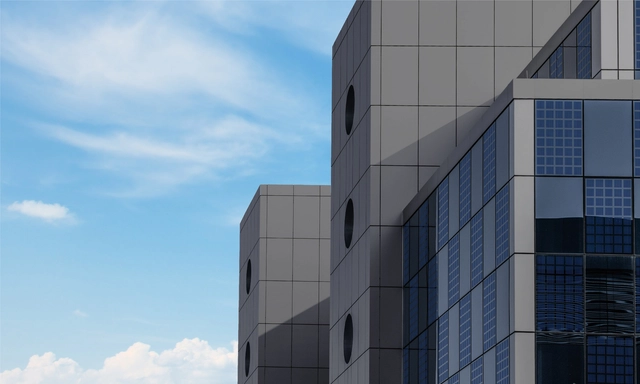
Building-integrated photovoltaics, or BIPVs, offer the design and construction industry solutions to typical challenges that hinder adoption of solar energy. Below, we list the main challenges of incorporating solar energy into projects and how they can be overcome.
COP26, The United Nations Climate Change Conference, is scheduled to be held in Scotland soon, in the last week of October 2021. Against the backdrop of this conference is a heightened global awareness of climate change, as discussions take place on how a sustainable, more equal future can be achieved. The present and future state of architecture is a key component of this conversation, as criticism is levelled at architecture firms that “greenwash” and questions are raised on if the term “sustainability” is increasingly merely being used as today’s buzzword.
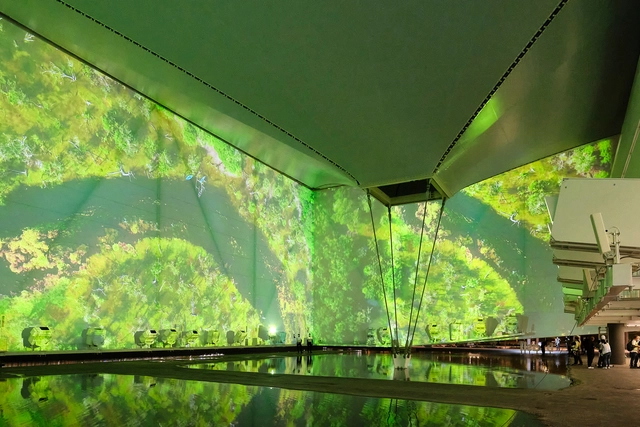
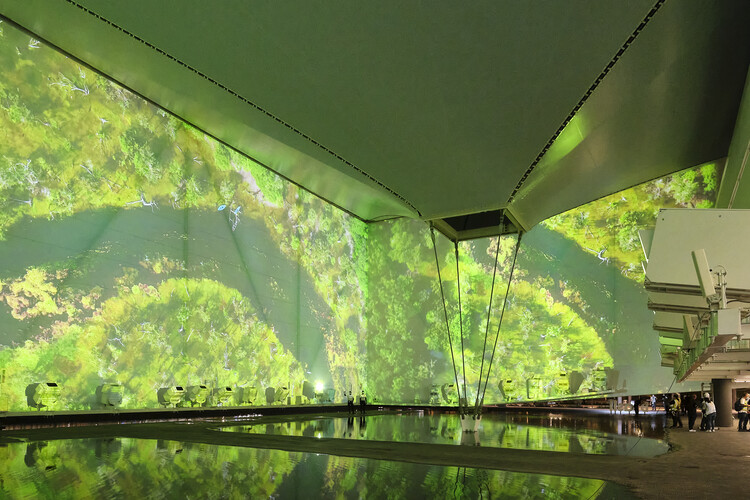
Designed by JPG.ARQ, MMBB Arquitetos, and Ben-Avid, the Brazil Pavilion at Expo 2020 Dubai offers a sensory experience that connects visitors of the World Expo with Brazilian biomes and cultural heritage.
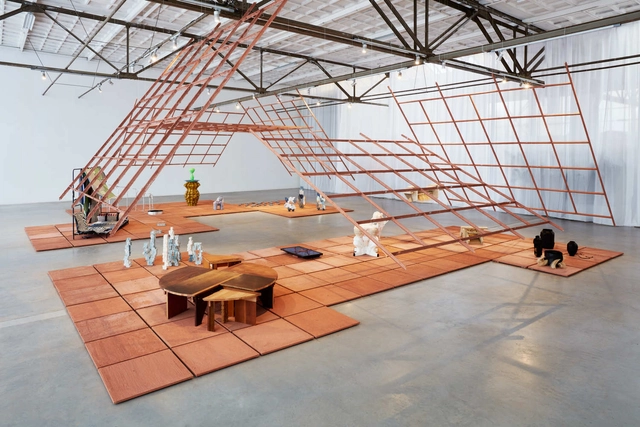
Under the theme of 'The Greater Number', the Dutch Design Week (DDW) returns with a physical edition from the 16 until the 24th of October 2021 in Eindhoven, the Netherlands. The largest design event in Northern Europe has decided for its comeback to tackle the notion of less consumption, less production, and less waste. Knowing that this is not always possible, the design happening also calls for more sustainable products with more value.
Striving to change the behavior of consumers and manufacturers, Dutch Design Week organized lectures, debates, and exhibitions, from which ArchDaily selected 8 architecturally relevant interventions to underline. Highlighting ideas that can shape a positive future, the list is mostly focused on future cities, while also tackling notions such as adapted realities, connected living, interactive experiences, and designing society.
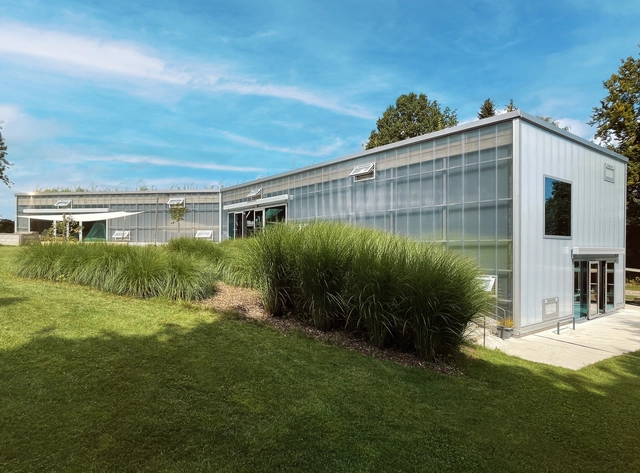
Climate and resource protection are some of the most pressing issues in regards to our future world. This is not a singular issue, but a complex one that affects every sector of humanity including mobility, architecture, sustainable living, and learning. There is a common misconception that building materials - such as polycarbonate translucent panels - cannot be sustainable. Plastic as a material has such an enormous impact on the world, and has drawn negative attention which makes it difficult to break away from the generalization that plastic is fundamentally "bad." Companies such as Rodeca, for example, in the plastics production space have engineered translucent building materials that are capable of enduring for many years as an integral construction material, and do not have to be quickly disposed of. As a producer of polycarbonate panels, Rodeca is always looking ahead to the future of sustainability.
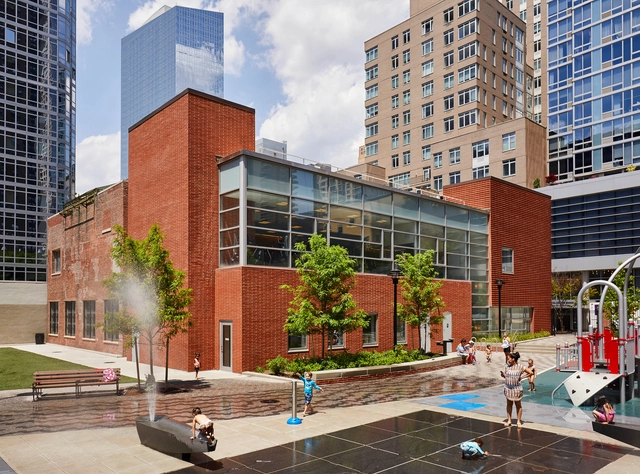
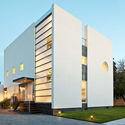
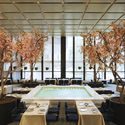
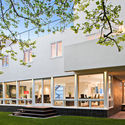
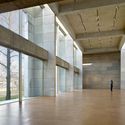
Belmont (Monty) Freeman (b. 1951) founded his New York-based, currently eight-person practice, Belmont Freeman Architects in 1986. Its active projects are half institutional and half residential, with a special focus on adaptive reuse, predominantly in New York and nearby states. Among the firm’s most exemplary projects are the LGBT Carriage House on the University of Pennsylvania campus, a series of restorations at the Four Seasons restaurant in the Seagram Building, renovations at the Yale Club in Manhattan, and the renovation of the Ezra and Cecile Zilkha Gallery at Wesleyan University in Connecticut, designed by Kevin Roche. Current projects include an expansive but minimalist residential compound on Martha’s Vineyard, branch library renovations in New York City, and redevelopment of a former meatpacking building into a new Innovation Hub for Columbia University’s Business School.
This year both organizations have defined themes related to improving the quality of life and reducing the effects of the climate crisis by taking action in the built environment. While the International Union of Architects' 2021 World Architecture Day theme is "Clean Environment for a Healthy World", UN-Habitat's World Habitat Day has announced "Accelerating Urban Action for a Carbon-Free World" as their topic.