1. ArchDaily
  2. Immersive digital experiences

Immersive digital experiences: The Latest Architecture and News

Digital Worlds and the Limits of Frictionless Space: Rethinking Scale and Materiality

Audio available

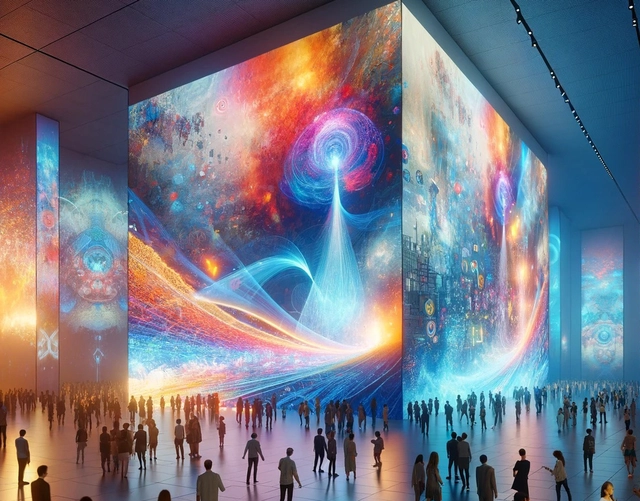
Historically, the way we design has been closely linked to the way we build. Architecture moved through physical testing, trial and error, projection drawings, mock-ups, and physical models: each introducing a new layer of abstraction, but still remaining tied to material, scale, and construction. The introduction of CAD significantly changed this dynamic. At first, it was largely understood as the computerization of precise geometry for construction. Over time, however, digital tools moved earlier into the design process, replacing sketching, physical trial and error, model-making, and other forms of thinking that had once kept scale and material close at hand.

The lineage of architectural design can therefore be understood, in part, as an evolution of abstractions. Some have been extraordinarily productive. Plans and sections, for example, isolate particular dimensions of architecture while still allowing the mind to reconstruct the whole. They flatten, cut, and reduce, but they do not abandon the building. Through the combination of drawings, one can understand rooms, circulation, structure, openings, and spatial relationships without becoming lost in the complexity of the project. Their abstraction is disciplined because it remains tied to an architectural reality that must eventually be measured, built, and inhabited.
Digital Worlds and the Limits of Frictionless Space: Rethinking Scale and Materiality - Imagem 1 de 4Digital Worlds and the Limits of Frictionless Space: Rethinking Scale and Materiality - Imagem 2 de 4Digital Worlds and the Limits of Frictionless Space: Rethinking Scale and Materiality - Imagem 3 de 4Digital Worlds and the Limits of Frictionless Space: Rethinking Scale and Materiality - Imagem 4 de 4Digital Worlds and the Limits of Frictionless Space: Rethinking Scale and Materiality - More Images+ 8

12 Pavilions at EXPO 2025 Osaka Highlight Immersive Spatial Experiences

 | Sponsored Content

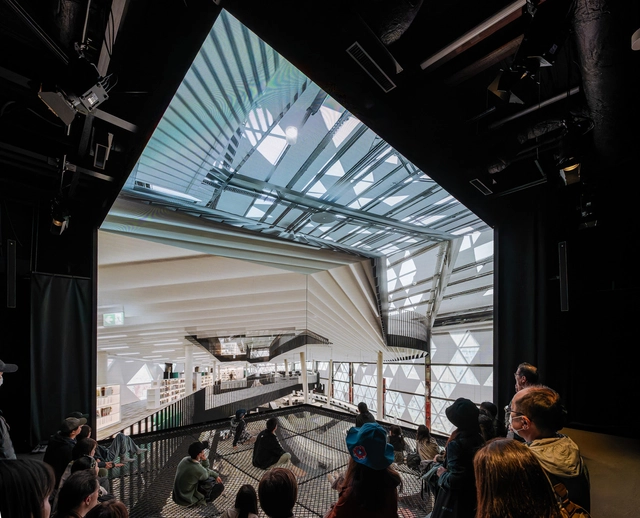
Since its inauguration this spring, Expo 2025 Osaka has captured global attention from multiple perspectives, demonstrating how architecture can function as a laboratory for exploring solutions to pressing challenges. After 55 years, Osaka is once again hosting the World Expo, with each installation organized around the sub-themes Saving Lives, Empowering Lives, and Connecting Lives. These pavilions take forms that express the identity and values of their region through distinctive architectural languages, forming the central axis of their design. Building on this foundation, some installations serve as laboratories for the future society, utilizing technology to enhance experiences both inside and outside the spaces, transforming the visit through light, sound, visuals, and movement as part of the technological innovation showcased at the event.

12 Pavilions at EXPO 2025 Osaka Highlight Immersive Spatial Experiences - 1 的图像 412 Pavilions at EXPO 2025 Osaka Highlight Immersive Spatial Experiences - 2 的图像 412 Pavilions at EXPO 2025 Osaka Highlight Immersive Spatial Experiences - 3 的图像 412 Pavilions at EXPO 2025 Osaka Highlight Immersive Spatial Experiences - 4 的图像 412 Pavilions at EXPO 2025 Osaka Highlight Immersive Spatial Experiences - More Images+ 27

Rolling Up in Style: Wagner Transforms Airstream into Mobile Office

 | Sponsored Content

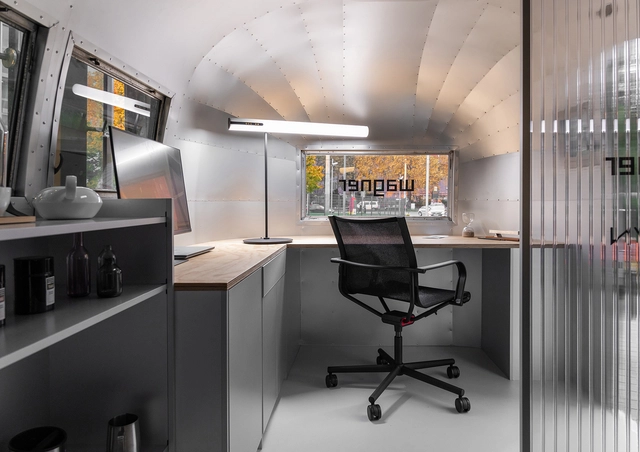
Wagner hits the road in 2025 with the Airstream Roadshow, an immersive experience that inspires new perspectives on office spaces. Under the motto 'It's time for bespoke interior design,' the traveling exhibition highlights the iconic 1962 Airstream Bambi, converted into a mobile working space to showcase Wagner's D2 bespoke interior system, designed by renowned studios Gonzalez Haase AAS and Stefan Diez. As the Airstream travels across Germany, design enthusiasts are invited to explore the lightweight aluminum construction and witness live 3D printing in action.

The Continued Relevance of Models in Architecture's Digital Era

Subscriber Access | 

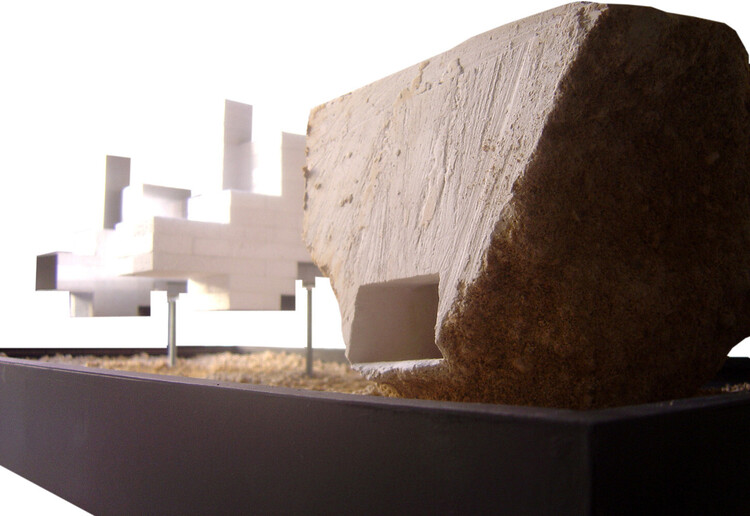
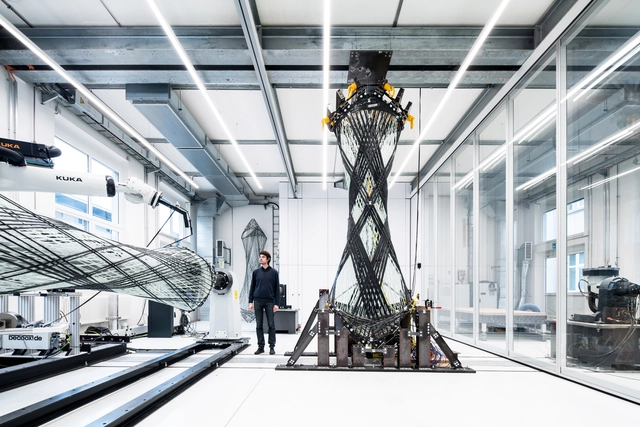
For centuries, models have been central to architectural design, providing architects with a tangible way to explore ideas, test concepts, and communicate their vision. From the Renaissance to Modernism, models have been instrumental in the construction and reflection processes, offering insights into form, proportion, and spatial relationships. However, in today's digital age, where 3D models and Virtual Reality (VR) have become powerful and efficient tools, the question arises: Are physical models still relevant in contemporary architecture?

The Continued Relevance of Models in Architecture's Digital Era - Image 1 of 4The Continued Relevance of Models in Architecture's Digital Era - Image 2 of 4The Continued Relevance of Models in Architecture's Digital Era - Image 3 of 4The Continued Relevance of Models in Architecture's Digital Era - Image 4 of 4The Continued Relevance of Models in Architecture's Digital Era - More Images+ 24

The Metaverse Unleashed: The Rise of Human-Scale Digital Venues

This article is the eighth in a series focusing on the Architecture of the Metaverse. ArchDaily has collaborated with John Marx, AIA, the founding design principal and Chief Artistic Officer of Form4 Architecture, to bring you monthly articles that seek to define the Metaverse, convey the potential of this new realm as well as understand its constraints. In this feature, architect John Marx interviews Heather Gallagher, an international expert in transformative events and the experience economy and former Head of Technology at Burning Man.

The Metaverse Unleashed: The Rise of Human-Scale Digital Venues - Image 1 of 4The Metaverse Unleashed: The Rise of Human-Scale Digital Venues - Image 2 of 4The Metaverse Unleashed: The Rise of Human-Scale Digital Venues - Image 3 of 4The Metaverse Unleashed: The Rise of Human-Scale Digital Venues - Image 4 of 4The Metaverse Unleashed: The Rise of Human-Scale Digital Venues - More Images+ 6