1. ArchDaily
  2. Fitness

Fitness: The Latest Architecture and News

Why Smart Lockers Are Architecture’s New Micro-Infrastructure

 | In Collaboration

How can the most structured elements in architecture give rise to unplanned forms of everyday life? "Spontaneous order" describes how structured systems can generate unplanned but coherent patterns of behavior. In urban discourse, it is often used to describe cities: frameworks of streets, plots, and buildings that are designed, while everyday life is not. Movement, encounters, routines, and informal uses emerge from simple spatial rules rather than explicit programming. In cities, this is visible in how sidewalks, stations, and thresholds operate. The structure is fixed, but the social order is fluid, setting conditions for behavior rather than defining it.

A similar logic can be observed in architectural micro-infrastructures such as locker systems. Like cities, lockers rely on structured frameworks that do not prescribe how life unfolds within them. A locker system is highly controlled in architectural terms: repetitive modules, strict grids, standardized dimensions, controlled access. Yet once in use, it produces spontaneous behaviors. People pause in corridors, return at irregular times, linger near locker zones, or briefly interact with others doing the same. What appears to be a strictly infrastructural storage system begins to generate informal social and spatial behavior.

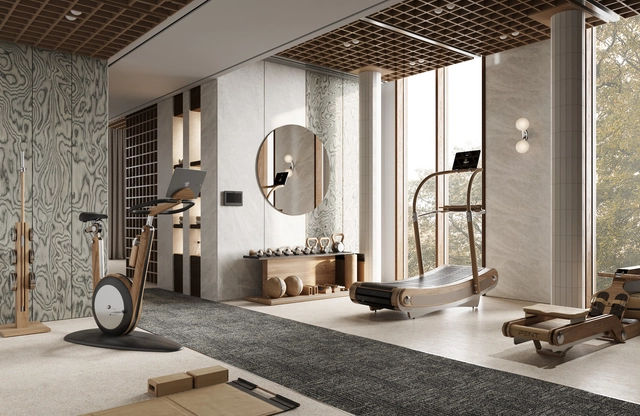
Spaces for Wellness: Integrating Fitness into Everyday Environments

As cities continue to grow and daily realities shift rapidly, people are turning to new and evolving ways to maintain their well-being. While promoting active lifestyles has long been a focus for many planners and architects, through pedestrian- and bike-friendly cities, parks, and fitness or sports centers, recent times have shown that these publicly valued facilities are not always accessible. A clear solution has emerged in recent years, accelerated by the global pandemic in 2020. Both homes and workplaces have begun to adapt their interior spaces, incorporating designated areas and equipment to support physical activity and provide opportunities for movement during the day.

Spaces for Wellness: Integrating Fitness into Everyday Environments - Image 1 of 4Spaces for Wellness: Integrating Fitness into Everyday Environments - Image 2 of 4Spaces for Wellness: Integrating Fitness into Everyday Environments - Image 3 of 4Spaces for Wellness: Integrating Fitness into Everyday Environments - Image 4 of 4Spaces for Wellness: Integrating Fitness into Everyday Environments - More Images+ 12

Reimagining Gym Spaces: The Rise of Design-Driven Fitness Experiences

 | Sponsored Content

As time progresses, our understanding of the spaces we inhabit evolves in response to changing circumstances. This transformation is natural and essential, as architecture must adapt to the unique demands of each era. Recent global trends, particularly remote work, have highlighted the need for adaptability in design. Coupled with a generational shift that brings fresh perspectives on the built environment, these factors have driven notable changes in interior design, reshaping our understanding of comfort—not just at home but also in gyms, where people now spend more time. This evolution invites a reconsideration of how we engage with our surroundings based on our experiences. As a result, fitness spaces are undergoing an interesting transformation in light of these changing perceptions.

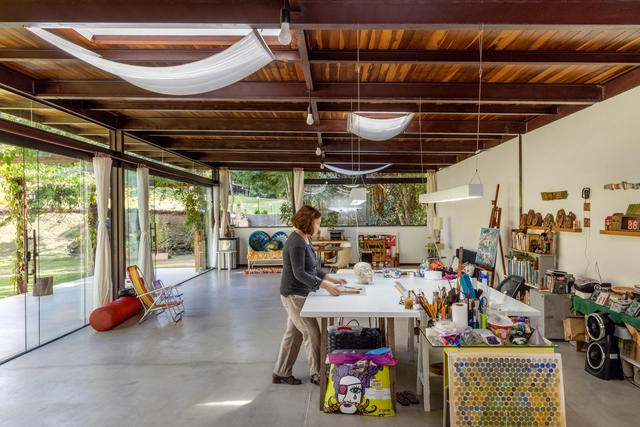
Redesigning Empty Nest Homes: New Room Typologies

Subscriber Access | 

Change is hard, especially when it’s being forced upon you. But change can often be a good thing, too. Forcing growth and refreshing vitality. Those first few months after a child flies the nest are the hardest to bear when having to get to grips with the new normal of a quiet, lonely household.

Just as many soon-to-be-parents hit a sudden period of ‘nesting’ before the stork’s arrival, those on the other end of the child-rearing timeline experience an opposing feeling of grief when their home with a child reverts back to one without. Feelings of emptiness, loneliness, and a lack of purpose are joined by anxiety for them and their new life, and the loss of parental identity.

Redesigning Empty Nest Homes: New Room Typologies - Featured ImageRedesigning Empty Nest Homes: New Room Typologies - Image 1 of 4Redesigning Empty Nest Homes: New Room Typologies - Image 2 of 4Redesigning Empty Nest Homes: New Room Typologies - Image 3 of 4Redesigning Empty Nest Homes: New Room Typologies - More Images+ 14

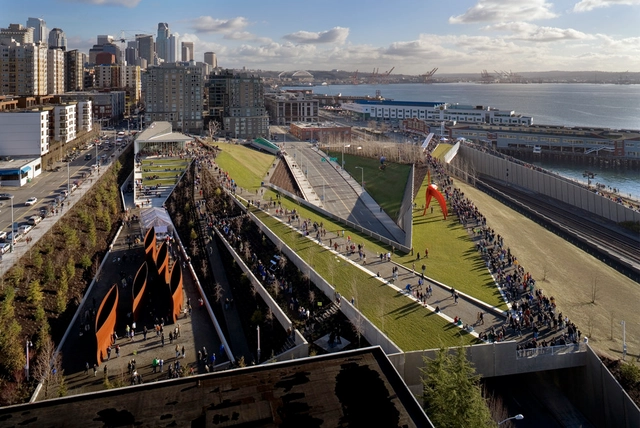
Toward a Fit Nation: 18 Projects that Promote Healthy Lifestyles

From Atlanta's Beltline to Los Angeles' Spring Street "Parklets," architecture and design is increasingly more relevant in the fight against obesity and chronic disease, conditions which have reached epidemic levels in the United States. In the article, "Toward a Fit Nation," the AIA and FitNation identify 18 projects from around the country, ranging from large complexes to temporal installations, that encourage physical activity and healthy lifestyles. The AIA National Headquarters will be curating the FitNation exhibit till January 31, 3014. Read the article here.