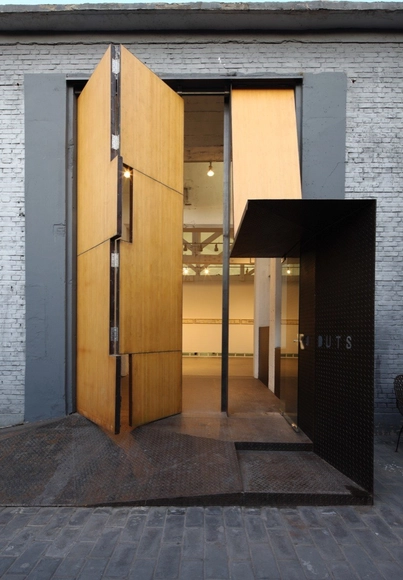
Without a doubt, pivot doors are more in style than ever. Rotating on a vertical axis with nearly invisible components, these swinging doors are characterized by their clean lines, contemporary aesthetic and endless design possibilities – features that make them ideal for a wide array of applications, especially as grand design statements. They particularly stand out, however, for their beautiful and elegant movement that allows smooth transitions between spaces, setting them apart from regular hinged doors. To ensure that this characteristic motion is achieved, two steps are indispensable: selecting high-quality hardware and installing it properly.
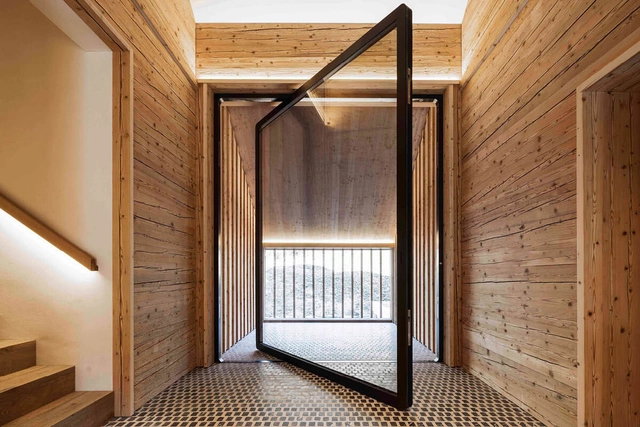
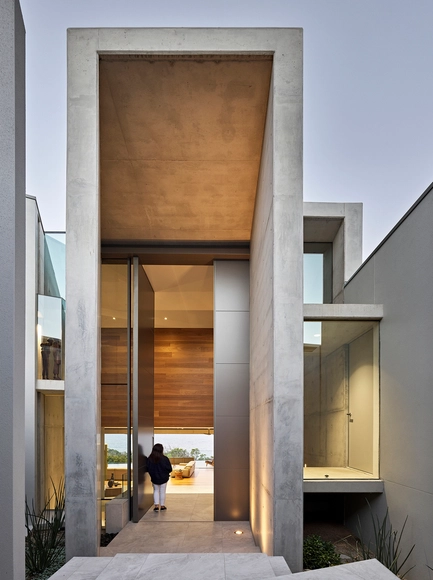
Exterior doors provide a sense of security and define first impressions, which is beautifully demonstrated in the pivot door presented above (designed and crafted in Europe by Air-Lux). On the other hand, inside of a house, interior doors are capable of generating privacy, buffering noise, separating rooms and enhancing a room’s architecture. Therefore, in order to fulfill these needs – and considering that they are used multiple times a day – interior doors must be durable and timeless without sacrificing beauty and style. Among all the options that meet these criteria, pivot doors stand out because of their elegant movement, aesthetics and versatility. With a sleek contemporary design that exceeds the regular function of a traditional door, these swinging doors rotate on a vertical axis with nearly invisible hardware, taking on any type of décor, use and measurement with endless creative possibilities.
Videos
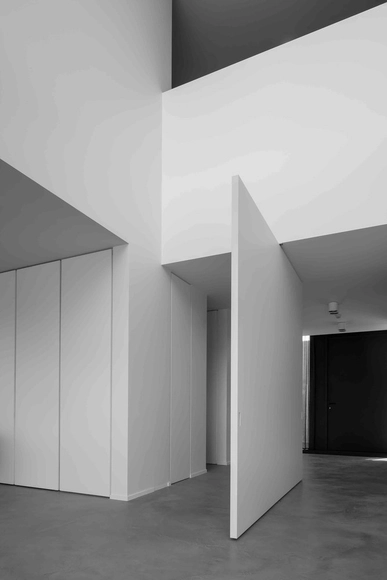
Tall and wide interior pivot door / Govaert & Vanhoutte. Image Courtesy of FritsJurgens
Among the many factors that can impact the character, style, and functionality of a living space, doors are certainly important in setting the tone. Besides their decorative function, they protect rooms from weather and noise, delimit spaces, define circulations, and provide privacy. As recent design trends continue to move towards clean, modern lines, the pivot door has never been more in style – being applied not only in main entrances, but also appearing more frequently in interior design. Apart from being bigger, heavier, and offering a dramatic contemporary look, pivot doors allow for a beautiful, elegant movement with nearly invisible hardware that rotates on a vertical axis, setting them apart from regular hinged doors.
It sounds like a dream — the ability to design whatever comes to mind without worrying about the execution. It seems too good to be true and perhaps, in some cases, it is. There are simply too many rules - spoken and unspoken - that architecture and design have to obey. However, in some situations, you can take back your design freedom by utilizing smart solutions that already exist but may be little-known. This is especially true for the architecture and design of doors.
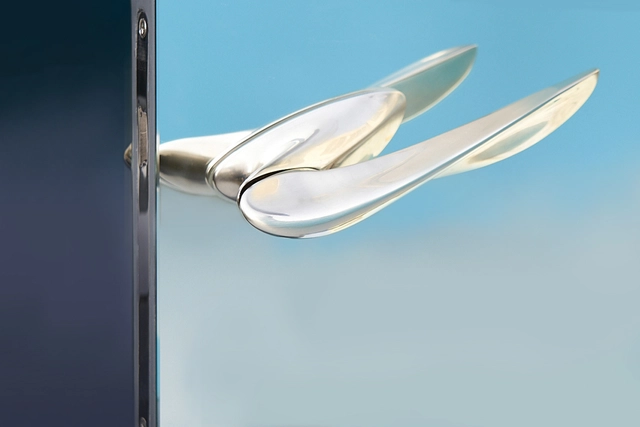
A single, continuous line unbroken by handle rotation: such was the simple, yet difficult-to-execute design concept motivating Zaha Hadid Design’s new innovative door handle. The result is a beautifully molded sculptural yet ergonomic design, playfully balancing form with function.
https://www.archdaily.com/954138/seamlessly-continuous-nexxa-a-new-door-handle-by-zaha-hadid-designLilly Cao
Pivot doors are not ordinary doors. They used to be a hassle to install and once in place, the door movement was often lacking. Things are different now, as companies like FritsJurgens have incorporated new technologies that take pivot door hardware to a whole new level. Installation is now extremely easy, allowing for versatility and creativity in pivot door design. So, in what ways can a pivot door enhance your interior design?
When a material runs its course and becomes obsolete, whether because of wear and tear, a change of style, a tear-down, or a remodel, many are tempted to simply toss it into a scrap heap and send it to the landfill. In the grand majority of cases, however, these materials can be repaired, recycled, and reused in a vast array of creative endeavors. Of course, depending on the material and its characteristics, this can also present a challenge. In the case of windows and doors, particular care must be taken to keep them intact throughout the dismantling or demolition process and even afterwards, an inspection may be necessary to determine their viability for future use. Of course, many avoid the path of re-utilization altogether and opt for new materials that make for an easier and more uniform project.
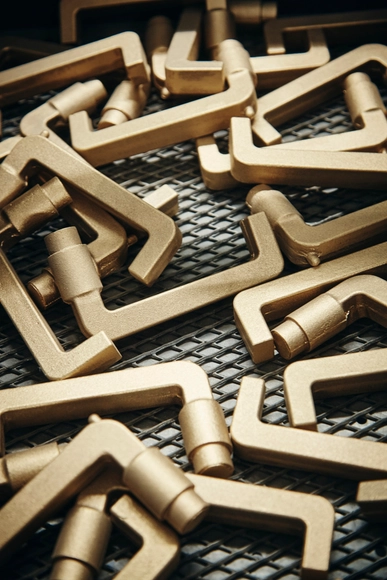
Door handles are a ubiquitous part of daily life, being used constantly in almost every space but rarely given thought by the passing user. Nevertheless, the chosen material of each handle can vary widely in terms of aesthetics, durability, and sustainability, with good choices going noticeably right and poor choices going noticeably wrong. For objects that are seen and used multiple times every day without fail, it’s imperative that designers get the choice right.
To deepen this topic, FSB helps us to lay out the properties of four of the most common handle materials below, allowing you to make an informed decision on which material aligns best with your project’s needs.
https://www.archdaily.com/929360/stainless-steel-bronze-brass-or-aluminum-how-to-choose-handle-materialsLilly Cao
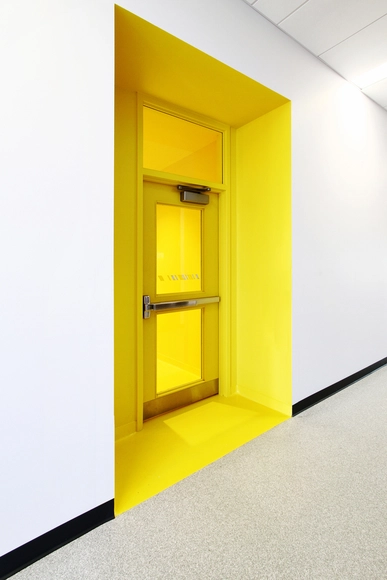
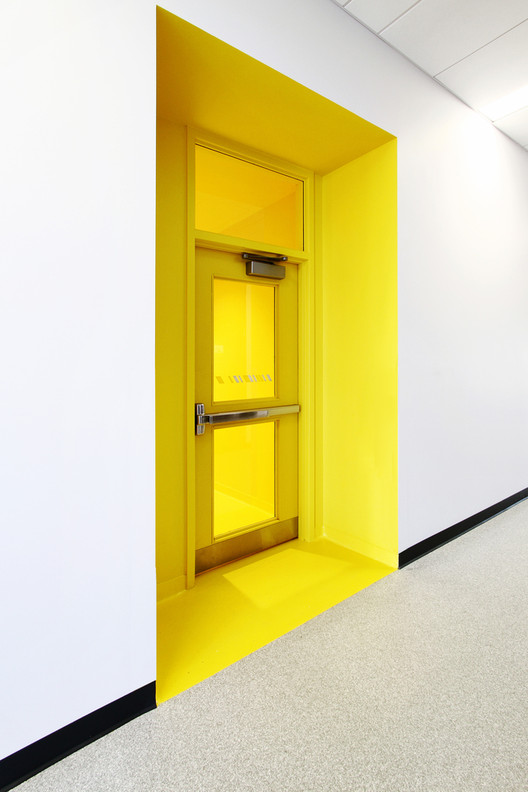
Fire doors are doors that meet fire resistance standards and can prevent fire (or smoke) from spreading through the floors or living spaces of a building, allowing people to evacuate safely from a fire.
Large openings are a popular inclusion in the modern home, but loading and structural movements that cause few problems with regular sized door openings can have very significant consequences in a bigger opening. Your structural engineer will generally be able to ensure your building complies with all statutory regulations and does not fall down, but the movement of and around large openings can often cause unnecessary problems for the builder or the homeowner.
Here, Centor explores three of the most common problems that can arise with large openings and shows how all of them are avoidable if planned for in advance.
Sometimes a door can be a huge headache in a project. Think of a continuous, clean facade... having a door in the middle of it can ruin the clarity of the design. But a door need not be the traditional wood-paneled, brass-knobbed portal most of us are used to, much less an eyesore.
But what if they could disappear from sight entirely? We’ve all dreamed of hidden passages and secret rooms tucked away in our homes. But for these to work, the entry must be disguised or hidden itself.
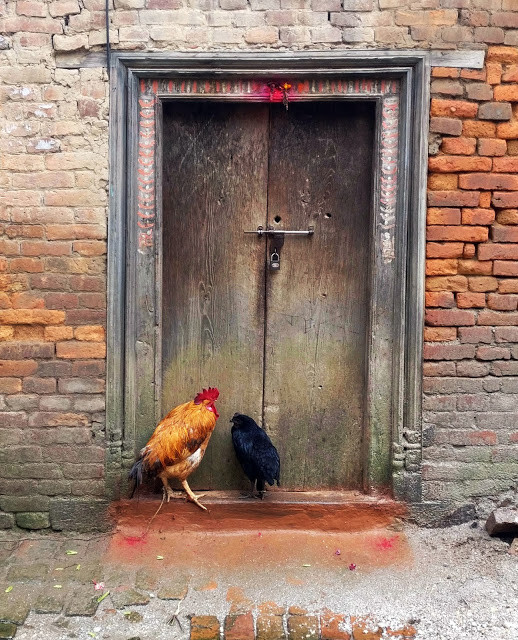
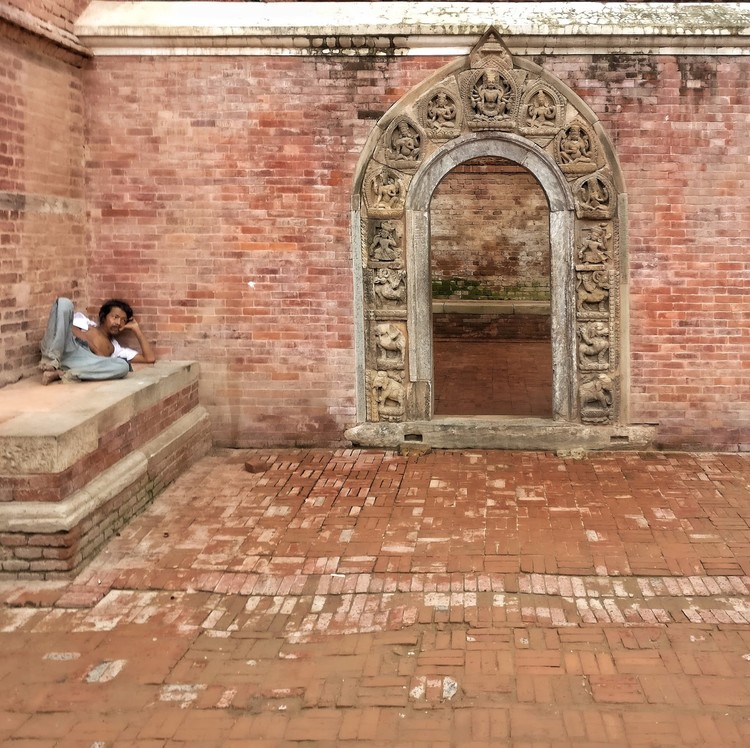
In this series, architect and photographer Nipun Prabhakar captures the uniquely expressive doors of the city of Kathmandu, Nepal. More than just passageways between spaces, doorways in Kathmandu are used as social spaces where people regularly meet and as a physical representation of the building owner’s interests.
Prabhakar explains:
“The most versatile piece in a building, [the door] has been a mode of expression [for] ages. The door in apartments and modern societies is just a mode of a transition from outside to inside. In traditional cities and neighborhoods, like that of Kathmandu, it’s much more than that. It’s the place where people spend most of their time. Sitting at the Chaukhat, socializing and chatting. The door is not just a tangible unit, it’s the respect you give to your building.”
Ricky Gui showcases a stunning series of "Hidden Doors" located behind shophouses in Singapore. Working for over a year, Gui highlighted over 600 "Hidden Doors"in his documentation. These doors are usually looked over as they hide behind shophouses and alleyways where people are unlikely to venture into.
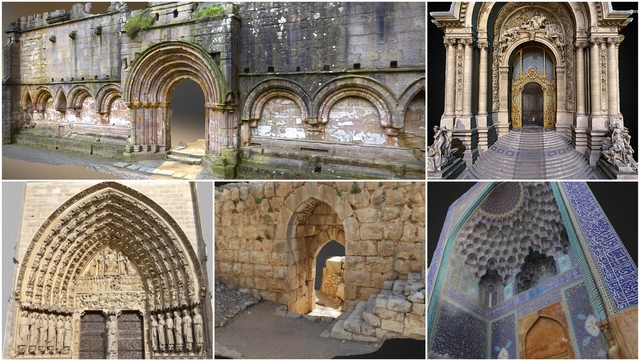
Our friends at Sketchfab have noticed a recurring trend: among the many 3D scans shared on their platform, a significant number are of historical doorways. Often neglected in today’s designs, doors and doorways are essential physical and mental transition points between the interior and the exterior of a building. While Mies van der Rohe’s strive for visual continuity and the use of glass doors has some critical advantages, it is not applicable – or only poorly applicable – to every design case. Fortunately, history shows that visually and spatially differentiating doors and doorways from the rest of a facade can be a resourceful alternative.
With this set of 3D models selected by Sketchfab, viewers can explore historical doorways online and discover the spatial sequences that they can offer. From framed, indented, raised, lowered, protruding and ornamented doors, these models clearly showcase the various design strategies available for you to keep your doorway design options open.
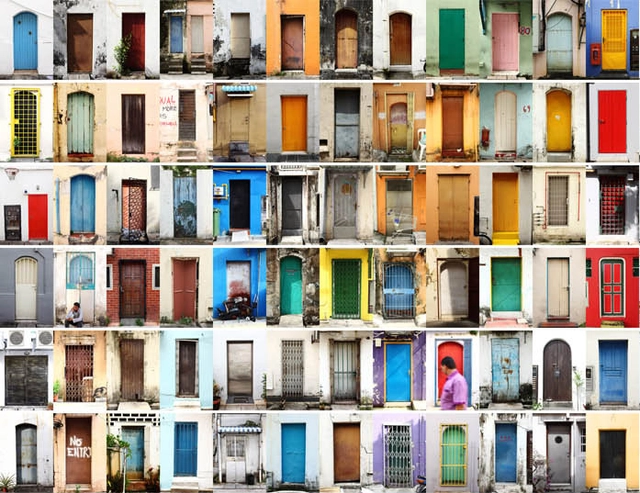
PhotographerAndré Vicente Gonçalves has revealed his latest project, “Doors of the World,” documenting hundreds of doors from cities around the world. Gonçalves has previously produced a photo series of hundreds of windows internationally titled “Windows of the World,” citing his interest in the way that such a small element of architecture expresses so much about its inhabitants and the human sense of security.
The series was launched in December 2013 and is comprised of 10 episodes, each focusing on a different theme: light, stairs, balconies, nature, textures, doors, windows, skylights, pavements and structures.
Last week we presented the series’ fifth episode on Porto’s textures, and now we present Episode 6 – Doors. Read the producers’ description of the video after the break.
As Mies van der Rohe said, “God is in the details.” And what detail could be more important than the door - that pivotal point where architecture first greets the user? To help inspire, we’ve created a new Pinterest board dedicated entirely to functionally adept and beautifully designed doorways.
You can view the board, here, and continue after the break for a selection of the board’s most popular doors...
Austrian company Klemens Torggler have recently invented the "Evolution Door," a very cool new door that slides itself open/closed - without the use of tracks. A special system of rotating squares means the door just requires a gentle nudge to close, and then momentum takes care of the rest. Words can't really explain the cool factor, so check out the video above and another after the break!