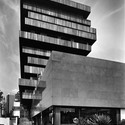
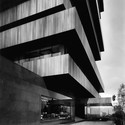
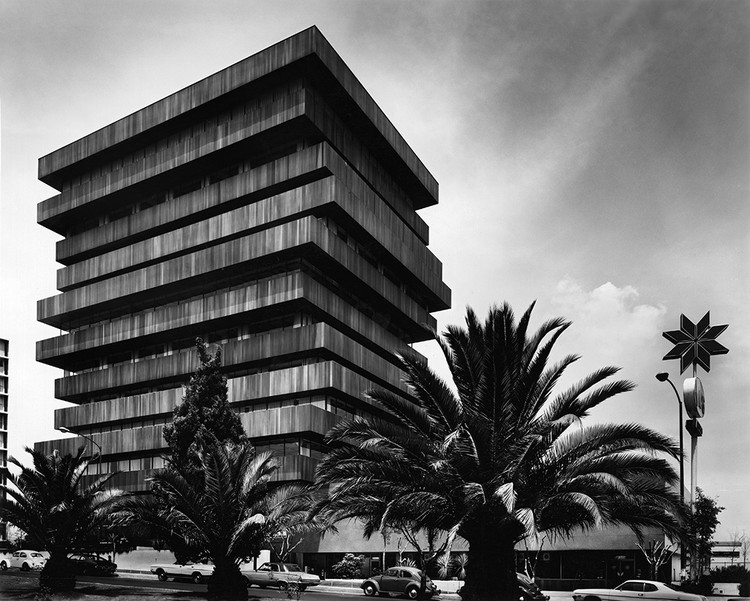
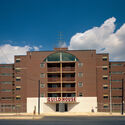
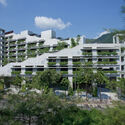
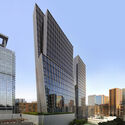
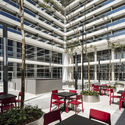
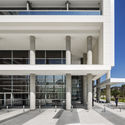
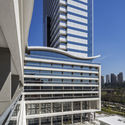
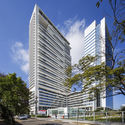
Palmas 555 is a building that stands out in the urban landscape of Mexico City due to its special volumetry and innovative design. This corporate office building was designed and constructed by Juan Sordo Madaleno together with José Adolfo Wiechers and José Ignacio de Abiega as Associate Architects in 1975.
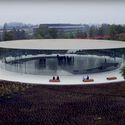
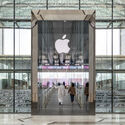
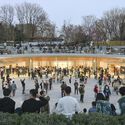
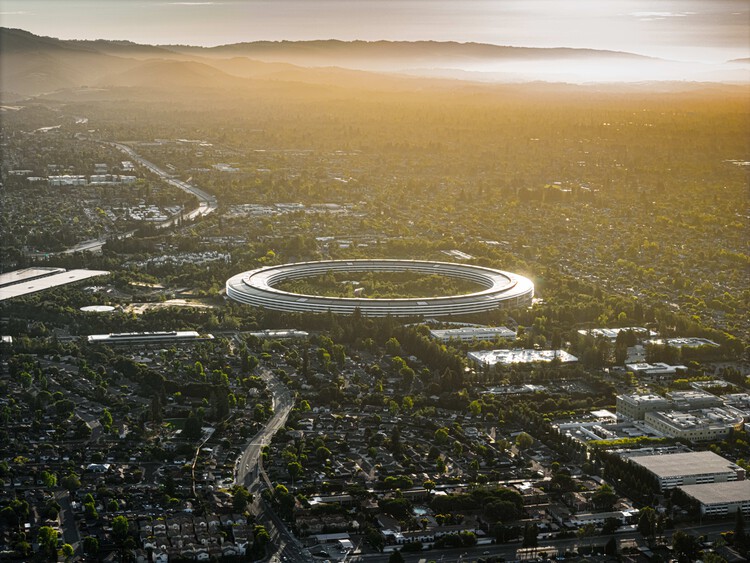
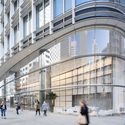
In 2026, Apple marked fifty years since its founding. Over the past two decades, Apple has developed a consistent architectural language that extends its brand into the built environment, transforming stores, workplaces, and public-facing spaces into active components of its identity. These environments guide movement, frame interaction, and condition the ways in which users encounter both products and the company itself.
From the handheld device to the urban interior, Apple has sought to maintain a high degree of control over form, material, and experience. Architecture becomes part of this system when the company begins to define how it is perceived and engaged with in physical space. Research on retail environments has shown how spatial layout, visibility, and circulation patterns can shape behavior and interaction, turning architecture into an interface between brand and user.
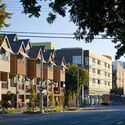
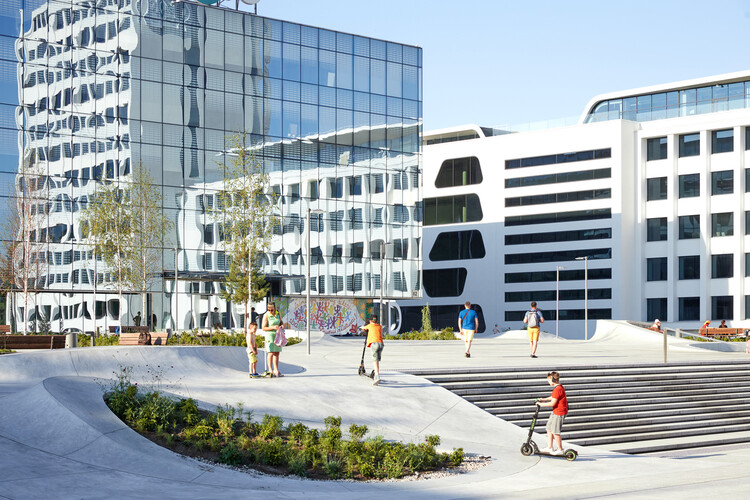
For over a century and a half, corporations have periodically taken on the role of city builders. Neighborhoods or even entire settlements that exist at the intersection of commerce and civic life, "company towns" are recurring urban types. The corporate city has long reshaped itself to match the spirit of each era, whether through the pastoral idealism of industrial England or the cinematic optimism of mid-century America. In its latest guise, the mixed-income campus district, architecture becomes a language of belonging, branding, and quiet persuasion.
How do societies support and nurture emerging architects? Young architects are heavily influenced by their formal education and initial exposure to the industry. Various organizational systems across regions, whether passive through environmental factors or active via tangible benefits, are in place to assist them in entering the field. However, it's worth questioning how often we reflect on these established support systems. Are they effective in fostering well-rounded professionals, or do they unintentionally reinforce certain biases in how architecture is practiced?
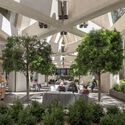
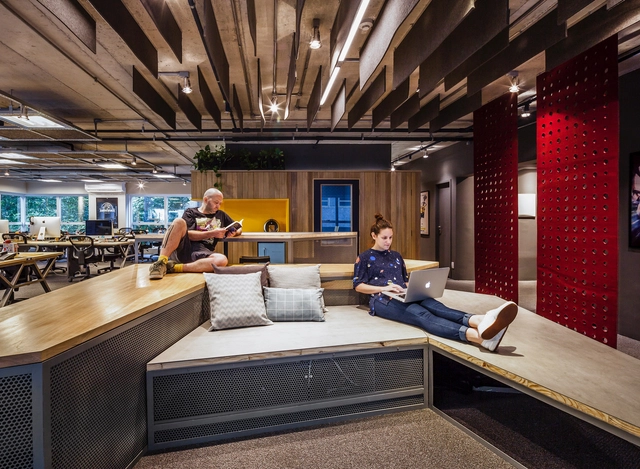
Imagine stepping into an environment that fully understands you, knows your habits, and actively works to support your wellbeing as an occupant. Air quality might be monitored and managed, and occupant circadian rhythms might be tracked to suggest ideal states of productivity. Workplace designers have been considering occupant wellbeing and health in their designs for offices of the future. Hypothesizing what time ahead may contain, there is a strong case to be made for sentient architecture and interior design being disruptive forces in how we interact with our work environments.
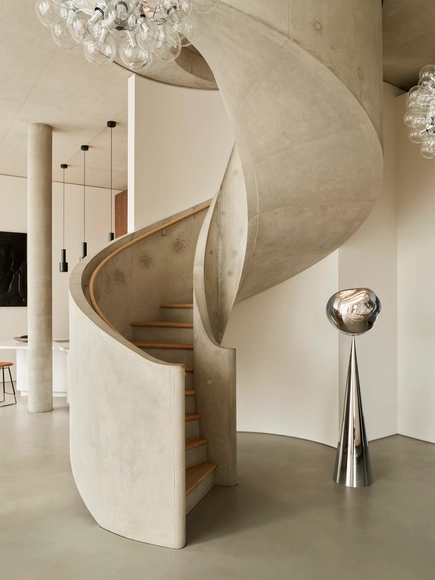
With a simple flick of a switch, lighting has the ability to completely transform a space, define its ambiance and create a mesmerizing, multi-sensory experience. It can cast shadows and highlights, add depth and texture, and even has the power to stir emotions and influence our well-being. More than just a practical source of illumination, it’s a tool for sculpting spaces and making a bold statement. Lighting fixtures come in various shapes, sizes and styles, each with a unique character and purpose; from the ornate elegance of a chandelier hanging from the ceiling to the sleek minimalism of a recessed light installed into a wall. The possibilities for creative expression are endless. Innovating and breaking the boundaries of traditional lighting design, Tom Dixon’s sculptural luminaires are a testament to these possibilities.
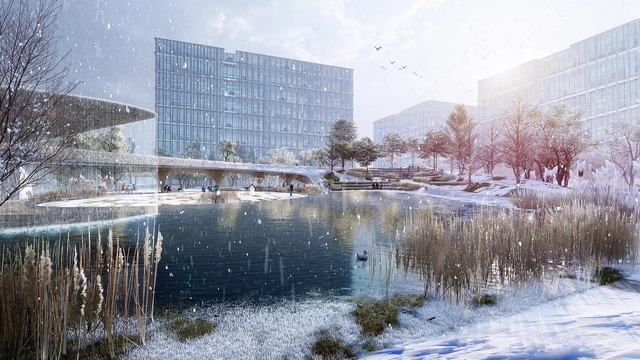
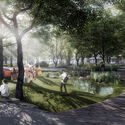
ASPECT Studios won the international design competition for Alibaba’s Headquarters (Park C) Campus Project in Hangzhou, in the Zhejiang province. Based on the “BioHabiNet” concept, ASPECT's proposal focuses on an interconnected network of layered biodiversity, sustainable water systems, and community-orientated workplaces. The Xixi Campus will host over 30,000 Alibaba staff and aims to become a precedent for further corporate parks in support of China’s carbon-neutral target for 2060.