

-
Architects: Werkt Studio
- Area: 192 m²
- Year: 2016
-
Manufacturers: ELEVATE, Investwood, Sika, VELUX Group, Velfac
.jpg?1527868899&format=webp&width=640&height=580)
Bjarke Ingels Group’s LEGO House and DISSING + WEITLING’s Bicycle Snake have been recognized by the 2018 Danish Design Awards, an initiative which “highlights the impact and value of design, celebrates companies and designers across the country and showcases the difference their solutions make to industry, everyday life, and society at large.”
The LEGO House was victorious in the “Feel Good” category, while the Bicycle Snake was awarded the “Icon Award.”
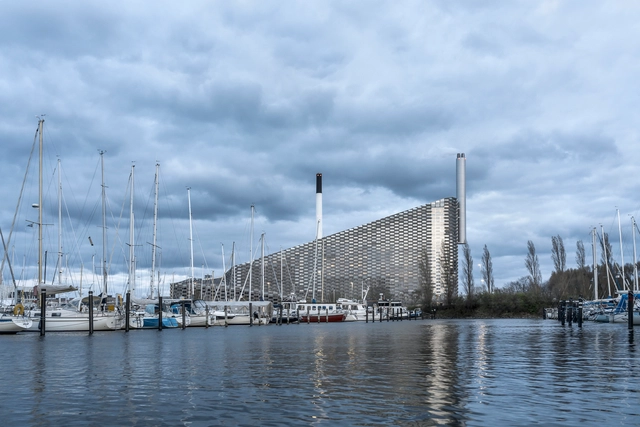
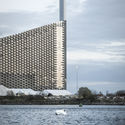
Photographer Aldo Amoretti has captured new images of one of 2018’s most awaited projects, as the BIG designed Amager Bakke Waste-to-Energy Plant takes shape in Copenhagen, complete with an SLA-designed park and ski slope. The images show to the completed power plant, which opened in March 2017, while work progresses on the 170,000-square-foot (16,000-square-meter) park and ski slope that will cap the scheme.
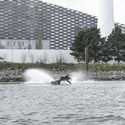
Initially master planned by BIG, the unique design seeks to reclaim a typically unused element of a building for the public through the introduction of the nature-filled program. During summer months, the SLA-designed rooftop activity park will provide visitors with hiking trails, playgrounds, fitness structures, trail running, climbing walls, and of course, incredible views. In the winter, the park will be joined by over 1,640 feet (500 meters) of ski slopes designed by BIG.
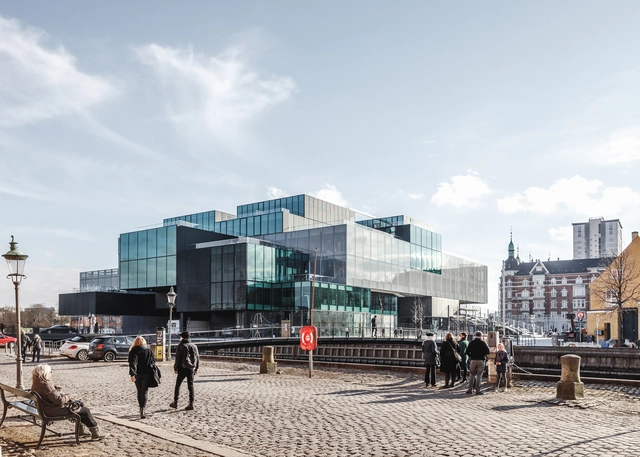
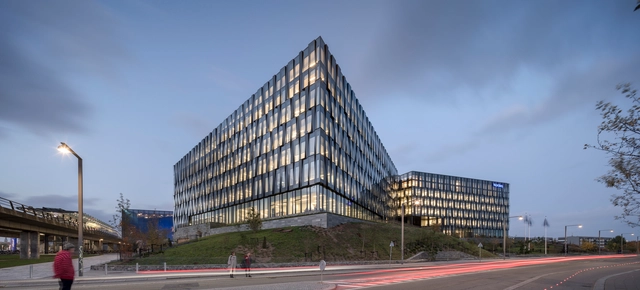
On Saturday, at the opening of her latest building, Ellen van Loon sat on the terrace of BLOX in Copenhagen exuding the satisfaction and fulfillment that comes with finishing a major public building. A day of opening activities concluded, van Loon spoke with ArchDaily about the 27,000-square-meter mixed-use building. Built for client Realdania, it’s the Danish Architecture Center’s new home on the edge of the harbor, located on an incredibly challenging site that is bifurcated by a busy street.
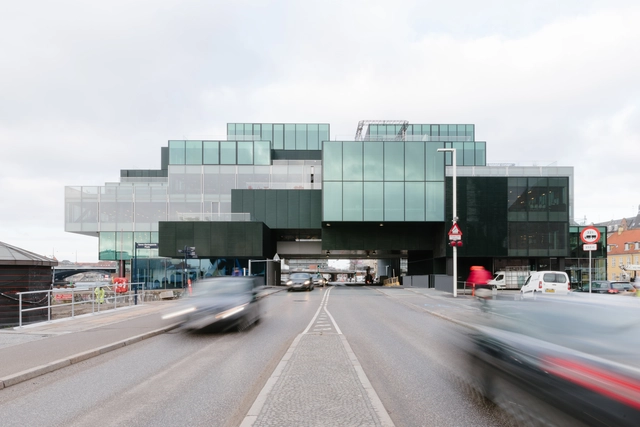
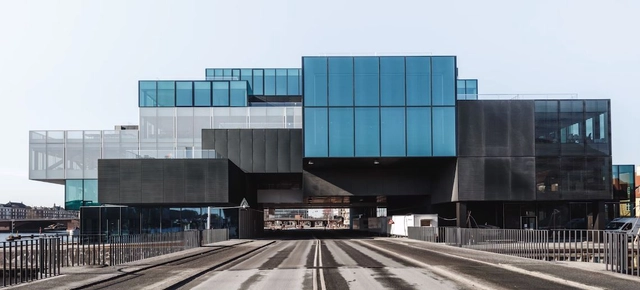
Louisiana Channel has released a new video interview with Ellen van Loon, the Dutch “design duchess” of OMA. In the interview, available to watch below, van Loon discusses the concept of “architectural contamination” behind OMA's new mixed-use "BLOX" scheme, home of the Danish Architecture Center in Copenhagen.
Van Loon discusses the process of “re-invention” needed for the scheme’s realization, in terms of both function and location. Situated on an old brewery site, the scheme seeks to embed architects and visitors in their own field of study, “placing them in the center of the building, which meant they would contaminate all other functions.”
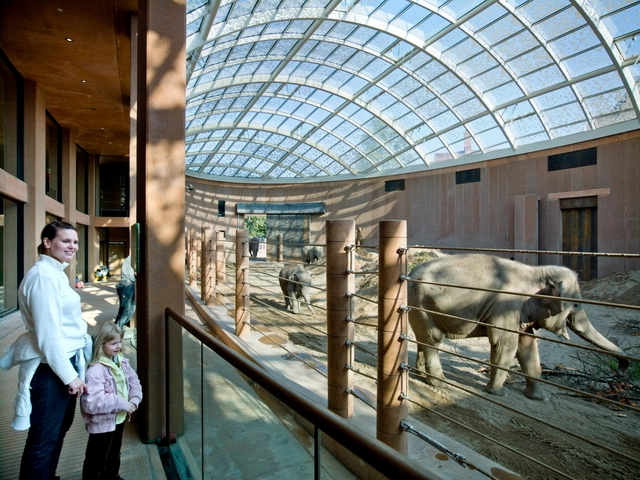
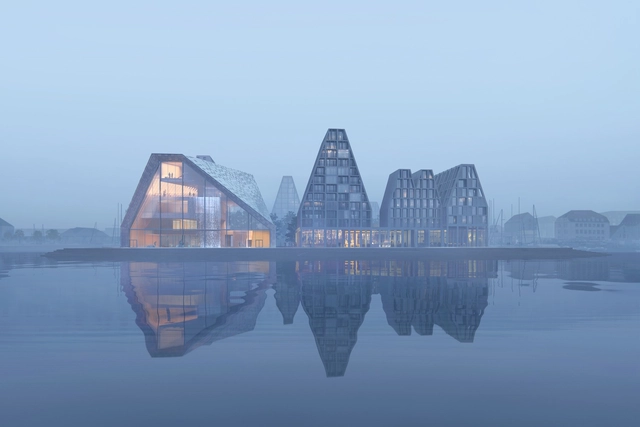
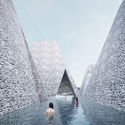
Danish firm COBE has released images of their proposed aquatic center in Copenhagen Harbor, a scheme entered for a design competition which was won by Kengo Kuma. The proposal, designed in collaboration with Bjarke Ingles Group (BIG), formed part of COBE’s competition-winning masterplan for Paper Island, which was chosen for development in 2016.
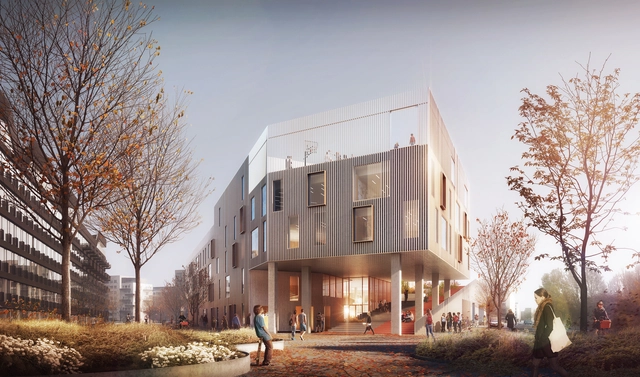
In May 2017, C.F. Møller and Tredje Natur’s interactive education design won the New Islands Brygge School competition. The new education facility sets up innovative, sustainable and active spaces for sixth to ninth grade students to participate in experience-based learning.
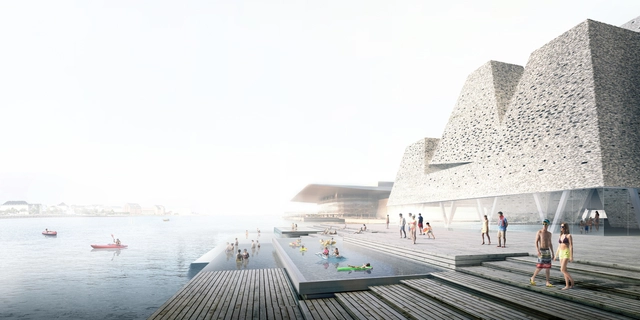
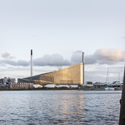
Kengo Kuma & Associates, led by Yuki Ikeguchi partner in charge, have recently won a competition to design a new waterfront cultural centre as part of the masterplan for Copenhagen’s Paper Island. The unique cone shaped form will combine facilities for sports associations, harbour baths and an indoor/outdoor pool along the edge of the main canal. In a press release from Copenhagen City they praised the project on the connection created between land and sea, fulfilling Copenhagen’s vision of a new addition to Paper Island. Kengo Kuma & Associates' proposal was up against strong competition from BIG, 3XN Architects, AART Archtitects + Cubo Arkitekter and ALA Architects + Studio Octopi.
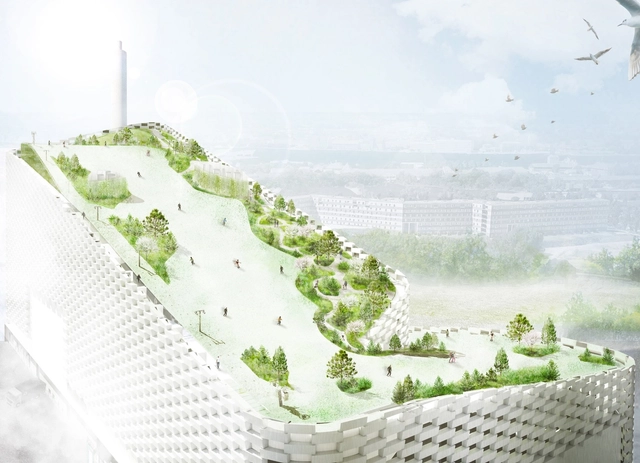
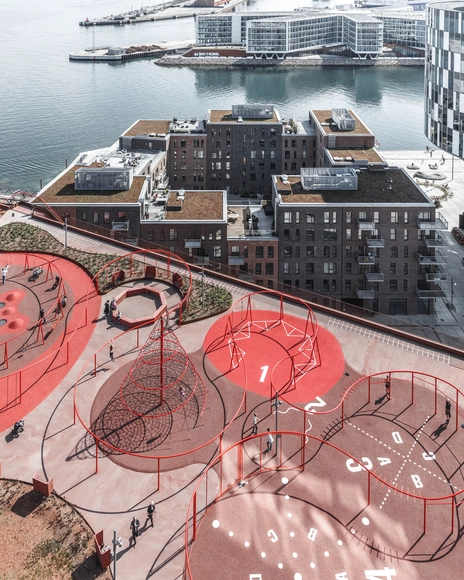
The final designs for one of 2018’s most awaited projects have been revealed, as SLA has released plans for the 170,000-square-foot (16,000-square-meter) park and ski slope that will cap the BIG-designed Amager Bakke Waste-to-Energy Plant in Copenhagen, Denmark.




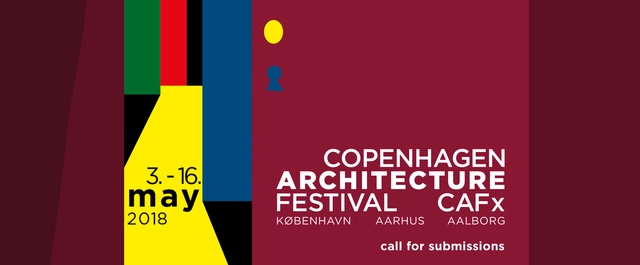
Submit your works for the festival!
We now know that first, we form the cities, but then the cities form us.
Meet 81-year-old Danish architect Jan Gehl who, for more than fifty years, has focused on improving the quality of urban life by helping people to “re-conquer the city.” Gehl has studied the relationship between life and form since the mid-1960s, when he started questioning the modernist approach of looking at the architectural model from above instead of from the inside. The architecture of that time was very often "an obsession with architecture for architecture’s sake," and took very little interest in the inhabitants.




.jpg?1527868899)





















.jpg?1515770331 "Courtesy of Luxigon")