1. ArchDaily
  2. construction site

construction site: The Latest Architecture and News

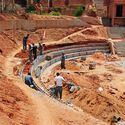
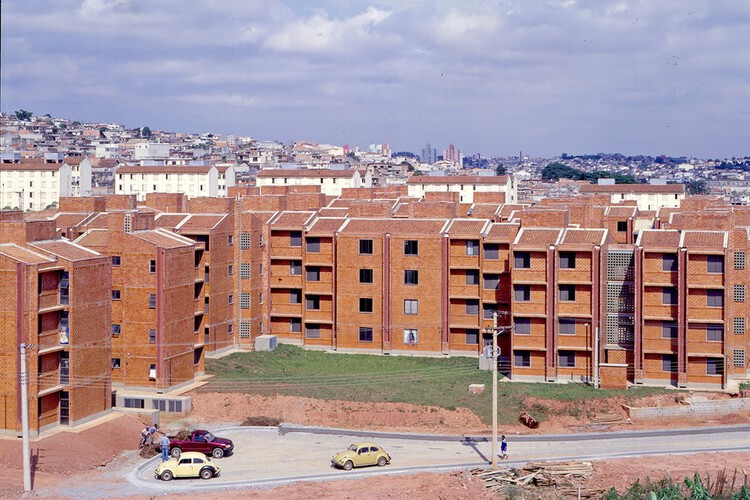
Building as Political Practice: USINA and the Legacy of Collective Construction in Brazil

Audio available

Filippo Brunelleschi and the dome of Santa Maria del Fiore, completed in 1436 in the Italian city of Florence, represent an important chapter in the history of architecture, often associated with the growing distance between drawing and building. This separation, gradually consolidated over time, finds a decisive turning point in the Renaissance. Drawing becomes an instrument for anticipating and asserting authority over construction. The building site, once a space for invention and decision-making, came to be understood primarily as a place of execution.

Over the following centuries, this distance becomes increasingly pronounced, particularly with modern construction. Industrialization, technical specialization, and corporate organization fragment the building process into increasingly distinct stages. Those who design rarely build; those who build do not always participate in decision-making; those who finance, manage, and inhabit occupy positions that are even further removed from one another. The efficiency of this model made it possible to build at scale, but it also concentrated knowledge and decision-making power in the hands of certain agents.

Building as Political Practice: USINA and the Legacy of Collective Construction in Brazil - Image 17 of 4Building as Political Practice: USINA and the Legacy of Collective Construction in Brazil - Image 2 of 4Building as Political Practice: USINA and the Legacy of Collective Construction in Brazil - Image 1 of 4Building as Political Practice: USINA and the Legacy of Collective Construction in Brazil - Image 4 of 4Building as Political Practice: USINA and the Legacy of Collective Construction in Brazil - More Images+ 18

How Labor Shortages Are Reshaping Architecture

Audio available

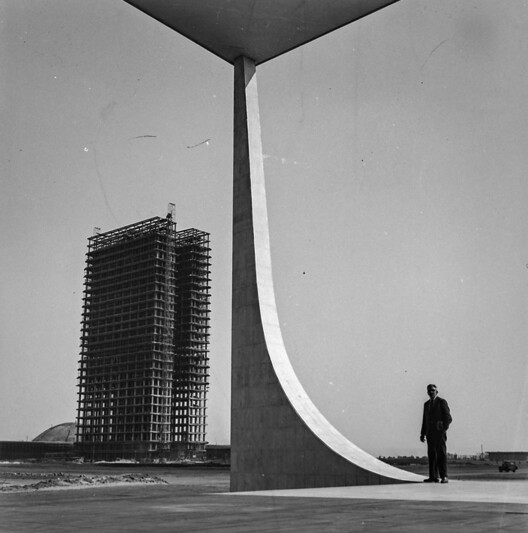
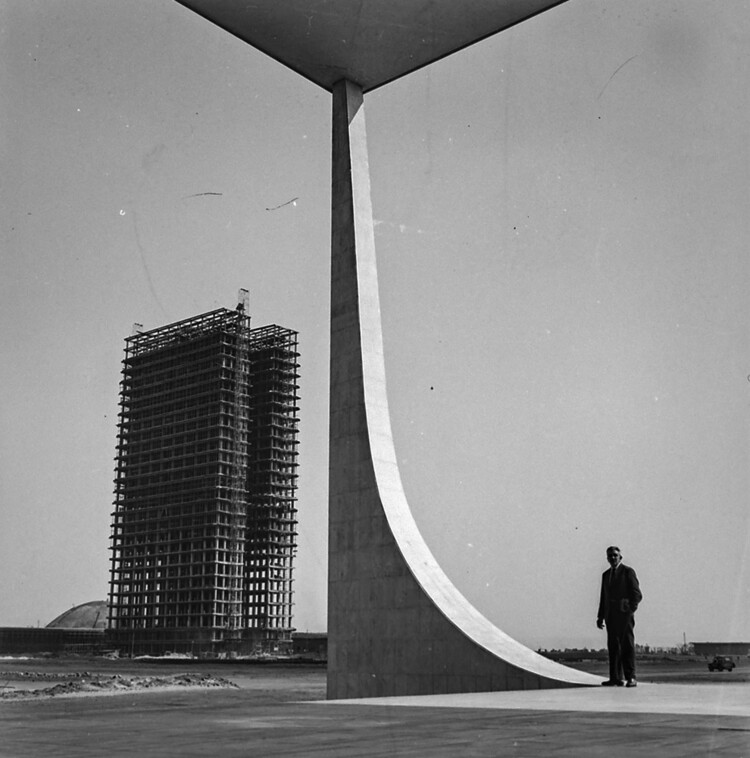
Building a city from scratch is no easy task. It never has been, and it never will be. The very idea of creating something that would otherwise develop and grow gradually demands resources, organization, and, above all, labor. This was the case in 1958, when Brazil's Central Plateau became one of the largest construction sites of the 20th century for the building of Brasília. Tens of thousands of candangos (migrants coming predominantly from northeastern Brazil, many without prior technical training) arrived to build an entire capital in just over three years, under then-president Juscelino Kubitschek's motto of achieving "fifty years of progress in five." Oscar Niemeyer's architecture and Lúcio Costa's plan would not have been possible without the assumption that enough workers were available and willing to endure low wages and extremely harsh conditions to transform concrete and curves into a national symbol.

How Labor Shortages Are Reshaping Architecture - Imagen 1 de 4How Labor Shortages Are Reshaping Architecture - Imagen 2 de 4How Labor Shortages Are Reshaping Architecture - Imagen 3 de 4How Labor Shortages Are Reshaping Architecture - Imagen 4 de 4How Labor Shortages Are Reshaping Architecture - More Images+ 3

Women on Construction Sites: Our Community Shares their Thoughts, Concerns, and Outlook for the Future

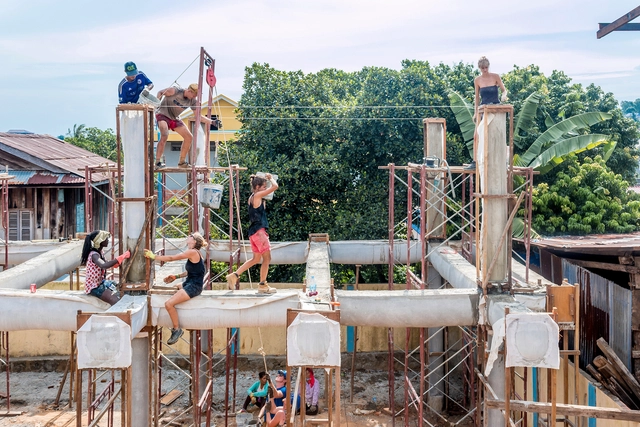
Site work has always been and remains a pivotal stage in forming our built environment. Most architects, designers or engineers have at one point or another been on the grounds and understand the importance of presence within the project development phases. Working on construction sites can be a valuable learning experience and allows different inputs from diverse experts to be considered in forming a better urban, living, and working environment for all. Starting from this idea, and as we delve into Women in Architecture as part of our ArchDaily topics, we published an invitation, encouraging our readers to share their opinion on gender-based discrimination on the construction site.

Women on Construction Sites:  Our Community Shares their Thoughts, Concerns, and Outlook for the Future - Image 1 of 4Women on Construction Sites:  Our Community Shares their Thoughts, Concerns, and Outlook for the Future - Image 2 of 4Women on Construction Sites:  Our Community Shares their Thoughts, Concerns, and Outlook for the Future - Image 3 of 4Women on Construction Sites:  Our Community Shares their Thoughts, Concerns, and Outlook for the Future - Image 4 of 4Women on Construction Sites:  Our Community Shares their Thoughts, Concerns, and Outlook for the Future - More Images+ 8