
Cluj Napoca: The Latest Architecture and News
Laboratorium Coffee Shop / EktraArhitectura + Fain Design Studio
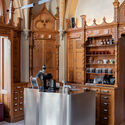
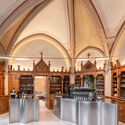
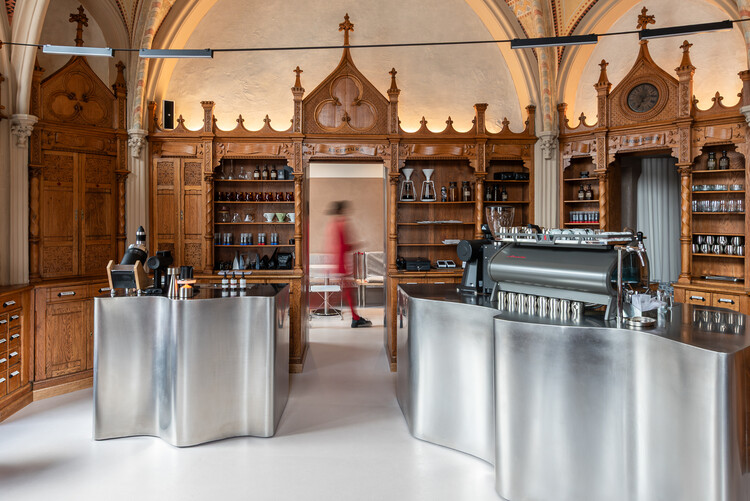
https://www.archdaily.com/1042698/laboratorium-coffee-shop-ektraarhitecturaNina Vuga
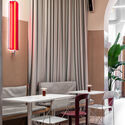
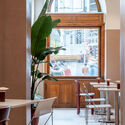
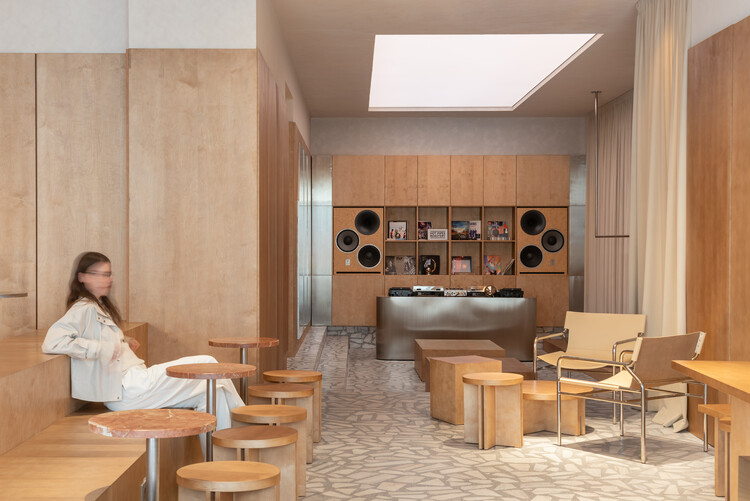
ukyo X Café / Maria Schunn

-
Interior Designers: Maria Schunn
- Area: 200 m²
- Year: 2026
-
Manufacturers: Borodi Design, Mark Oliver Studio, Structowood
-
Professionals: H.A.N.D. HI FI
https://www.archdaily.com/1042231/ukyo-x-cafe-maria-schunnHana Abdel
UNStudio Reveals River-Oriented Master Plan for Former Industrial Site in Cluj-Napoca, Romania

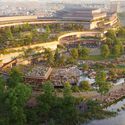
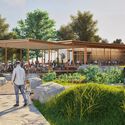
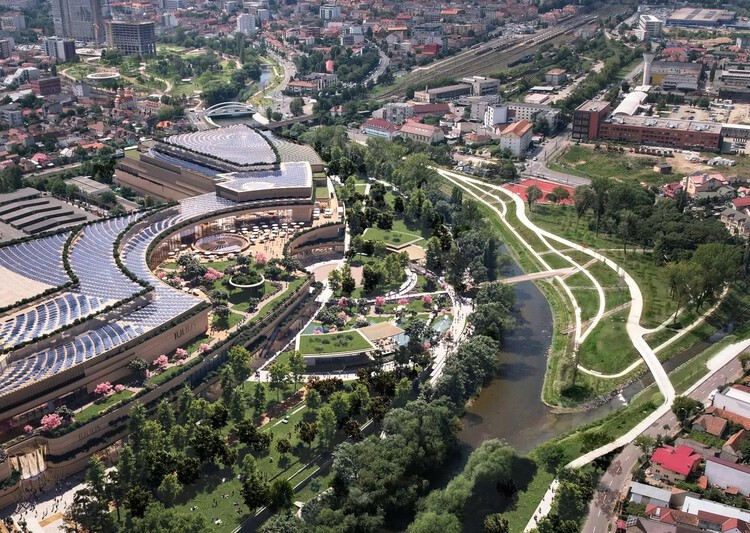
A former industrial site along the Someș River in Cluj-Napoca, Romania, is being transformed into a large-scale mixed-use district that reconnects the city with its waterfront. Designed by UNStudio in collaboration with Felixx Landscape Architects and Planners for developers IULIUS and Atterbury Europe, the RIVUS project combines urban regeneration, adaptive reuse, landscape design, and new public infrastructure within a single framework. Developed through a public participation process involving local residents, the proposal will transform the former Carbochim industrial platform into a river-oriented district organized around public space, mobility, and everyday urban activity.
https://www.archdaily.com/1041996/unstudio-reveals-river-oriented-master-plan-for-former-industrial-site-in-cluj-napoca-romaniaReyyan Dogan
Firefighters Tower / Vlad Sebastian Rusu + Octav Silviu Olanescu Architecture Office


- Area: 375 m²
- Year: 2022
-
Manufacturers: Zomtobel Lighting
-
Professionals: Asiza Birou de Arhitectura
https://www.archdaily.com/1023360/firefighters-tower-vlad-sebastian-rusu-plus-octav-silviu-olanescu-architecture-officeAndreas Luco
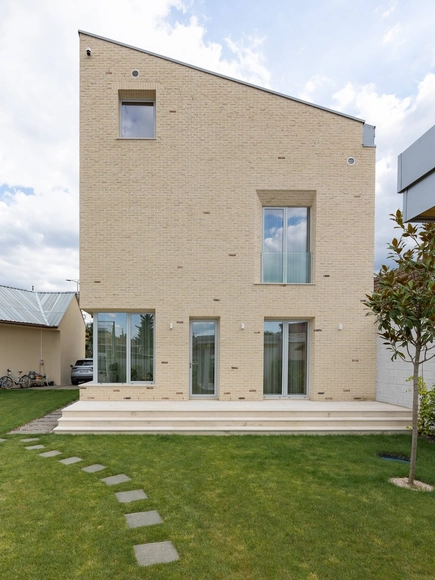
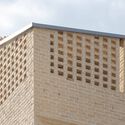
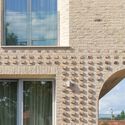
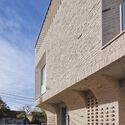
IG House / MoD studio


-
Architects: MoD studio
- Year: 2024
-
Manufacturers: brick centrum
-
Professionals: ACS STRUCTURIS, CSP Proiect
https://www.archdaily.com/1023147/ig-house-mod-studioAndreas Luco
Community Pavilion / Vlad Sebastian Rusu + Studio 82


-
Architects: Studio 82, Vlad Sebastian Rusu
- Area: 393 m²
- Year: 2024
-
Manufacturers: Gustafs, Diadem
https://www.archdaily.com/1019642/community-pavilion-vlad-sebastian-rusu-plus-studio-82Hadir Al Koshta
Lutheran Mortuary Chapel / TEKTUM
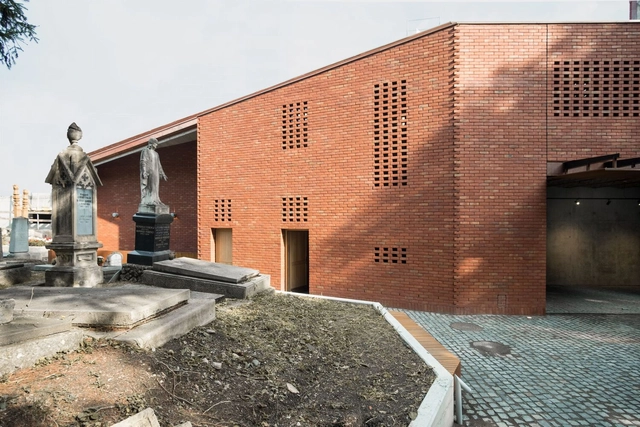

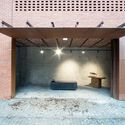
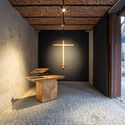
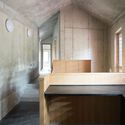

https://www.archdaily.com/1012191/lutheran-mortuary-chapel-tektumPilar Caballero
Top Stories of the Year Exploring the Architectural Identity of Local Communities
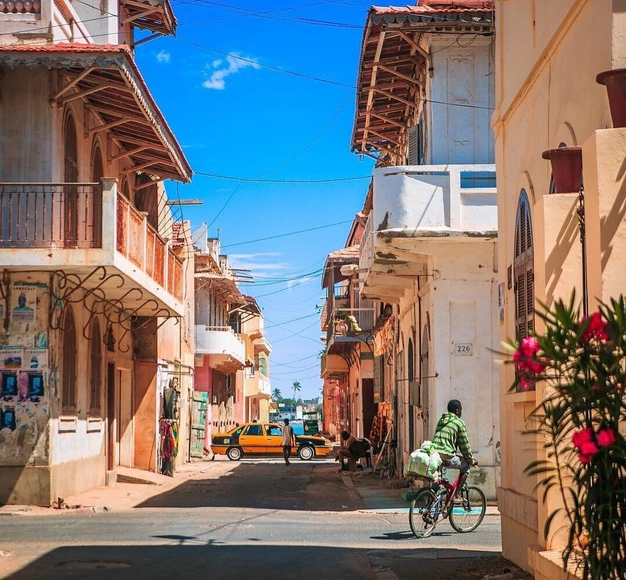
Local communities are more than just a collection of buildings and infrastructure. They possess a distinctive architectural character that mirrors their history, culture, and values. As part of our year in review, we take a deep dive into the top narratives that examine the architectural identity of different local communities.
These stories explore a wide range of topics, including unique geographic territories, cultural tribes, iconic landmarks, communal collaboration, and socio-ecological urban planning. Through these narratives, we uncover the captivating tales behind the buildings and public spaces that shape certain cities and towns.


https://www.archdaily.com/1010384/top-stories-of-the-year-exploring-the-architectural-identity-of-local-communitiesPaul Yakubu
A Greenhouse Restaurant in Iceland and a Transparent City Hall in Israel: 9 Competition-Winning Projects Submitted by the ArchDaily Community
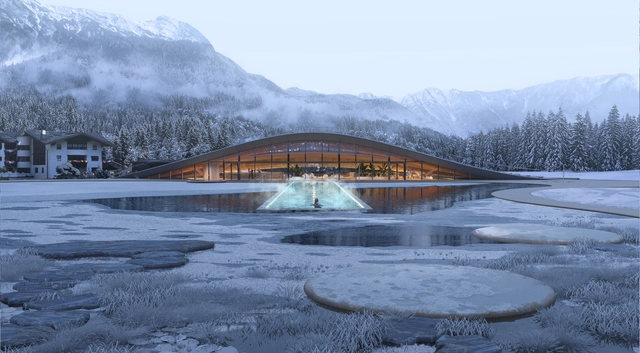
Architectural competitions play a crucial role in developing the architectural profession and in advancing the quality of the built environment. They are also an opportunity for architects to showcase their creativity and experiment with innovative or unexpected architectural solutions, be it for real or imagines contexts. This week's curated selection of Best Unbuilt Architecture highlights different competition-winning designs submitted by the ArchDaily Community.
From a spa and wellness center seamlessly integrated into the mountainous landscape of Austria to a refurbished city center that creates opportunities for social interaction in one of Bulgaria’s largest pedestrian city centers, the round-up spans various programs, scales, and attitudes toward the built or natural environment. The selected projects represent explorations in various design solutions, materials, and construction methods. They also showcase the broadness of possible responses ignited by site-specific conditions, from the volcanic landscape of Iceland, to the picturesque hills of the Kerala region in India or the lively central plaza in one of Israel’s largest cities.


https://www.archdaily.com/996323/a-greenhouse-restaurant-in-iceland-and-a-transpoarent-city-hall-in-israel-9-competition-winning-projects-submitted-by-the-archdaily-communityMaria-Cristina Florian
The Story Behind a Medieval Tower Restored to Reflect the History of an Overlooked Neighborhood in Cluj-Napoca, Romania
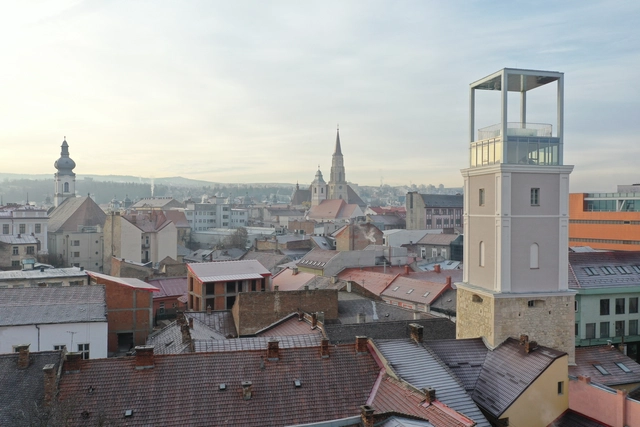
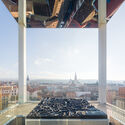
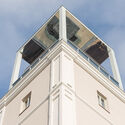
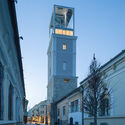
The skyline of Cluj-Napoca, a city located in the Transylvania region of Romania, is defined by a mosaic of historical and modern buildings, giving the city a unique and diverse appearance. Among the visible landmarks, the Firefighters' Tower, or "Turnul Pompierilor" in Romanian, stands out for its mixture of styles, from Medieval stonework to Baroque detailing and contemporary interventions. Despite it being a relatively small monument, with a ground floor area of just under 50 square meters, the tower holds layers of history narrating the evolution of its neighborhood and city, from its beginnings during Medieval times until the present day. Left derelict in recent years, a new intervention by Vlad Sebastian Rusu B.I.A and Octav Silviu Olănescu B.I.A. aims to restore the tower's position as a repository of local history and an attractive space for residents and visitors alike. This article explores the story behind the Firefighters' Tower both narratively and visually, through the lens of Cosmin Dragomir.

https://www.archdaily.com/999079/the-story-behind-a-medieval-tower-restored-to-reflect-the-history-of-an-overlooked-neighborhood-in-cluj-napoca-romaniaMaria-Cristina Florian
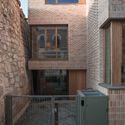
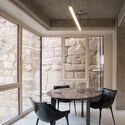
Tektum Architecture Office Building / TEKTUM



-
Architects: TEKTUM
- Area: 312 m²
- Year: 2021
-
Manufacturers: RHEINZINK, Wienerberger, DEPPE, Zehnder
https://www.archdaily.com/985454/tektum-architecture-office-building-tektumBianca Valentina Roșescu
Lunet Flagship Store / Bogdan Ciocodeică Studio


-
Architects: Bogdan Ciocodeică Studio
- Area: 90 m²
- Year: 2021
-
Manufacturers: Cassina, HAY
https://www.archdaily.com/975346/lunet-flagship-store-bogdan-ciocodeica-studioPilar Caballero
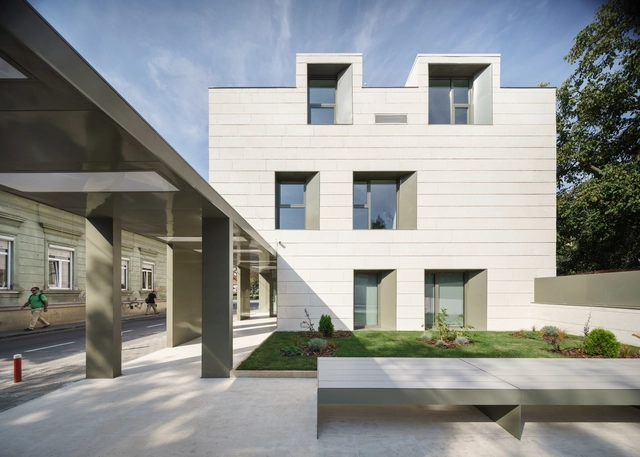
Dermavision Clinic / Vlad Sebastian Rusu


-
Architects: Vlad Sebastian Rusu
- Area: 943 m²
- Year: 2019
-
Professionals: Building Design Expert SRL
https://www.archdaily.com/963974/dermavision-clinic-vlad-sebastian-rusu-architecture-officeValeria Silva
Doja 36 House / TECON Architects




https://www.archdaily.com/925348/doja-36-house-tecon-architectsAndreas Luco
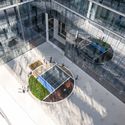
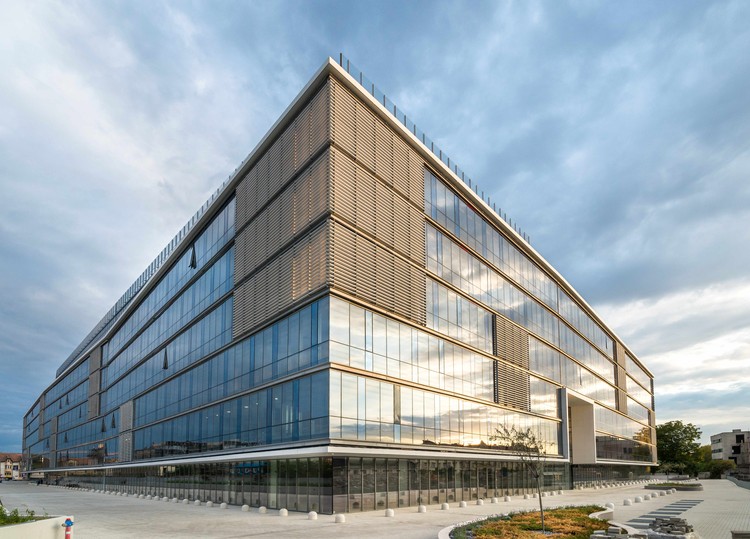
The Office Cluj / Andreescu & Gaivoronschi



-
Architects: Andreescu & Gaivoronschi
- Area: 100437 m²
- Year: 2017
-
Manufacturers: dormakaba, DuPont, Saint-Gobain, Hunter Douglas, Schüco
-
Professionals: s.c. AGASI, s.c. ACI CLUJ srl, s.c. ALUSYSTEM srl, s.c. PROMPT srl, s.c. GLEEDS Romania srl, +1
https://www.archdaily.com/888983/the-office-cluj-andreescu-and-gaivoronschiDaniel Tapia
Call for entries: Revitalization and activation, Feroviar Park Cluj-Napoca
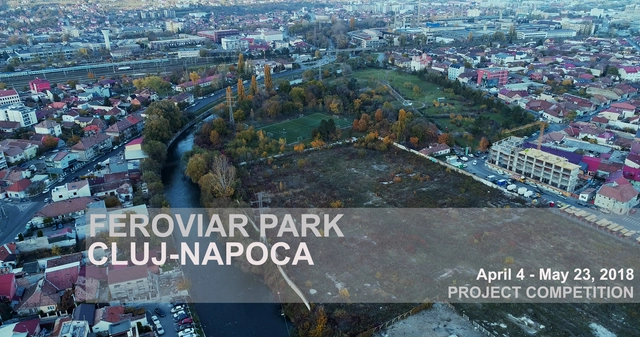
The aim of this competition is to make it possible to identify and implement an integrated urban remodelling concept that meets the complex needs of an area of significant size for the efficient functioning of the city of Cluj-Napoca.
https://www.archdaily.com/892293/call-for-entries-revitalization-and-activation-feroviar-park-cluj-napocaRene Submissions
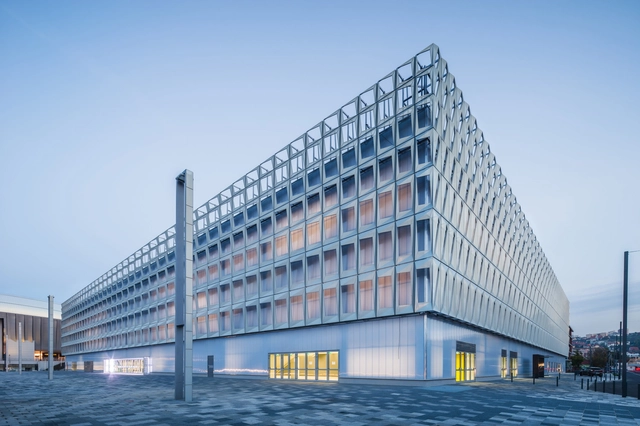
Multifunctional Sports Hall / Dico si Tiganas
.jpg?1417146742 "© Cosmin Dragomir")
.jpg?1417146909 "© Cosmin Dragomir")
.jpg?1417146814 "© Alexandra Bendea")
.jpg?1417146431 "© Alexandra Bendea")

-
Architects: Dico si Tiganas
- Area: 38500 m²
- Year: 2014
https://www.archdaily.com/573108/multifunctional-sports-hall-dico-si-tiganasDaniel Sánchez
Cluj National Library Extension / manadelucru

Architectural firm manadelucru has shared with us their recent proposal for the Cluj National Library Extension, located in Cluj Romania. Images and text after the break.
https://www.archdaily.com/159720/cluj-national-library-extension-mandelucruHank Jarz