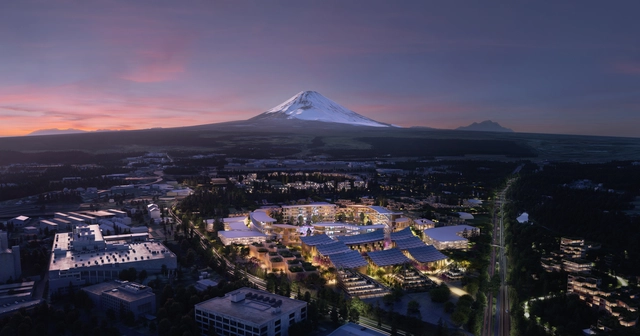
BIG unveiled its latest intervention, the Toyota Woven City, the company's first venture in Japan. Nestled at the foothills of Mt. Fuji, the project, in collaboration with Toyota Motor Corporation, is the world’s first urban incubator pushing forward the development and progress of mobility.
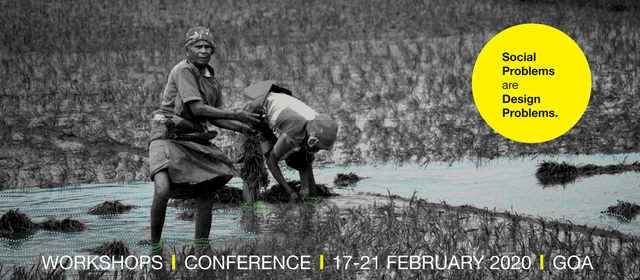
A five-day national festival to seed, incubate and showcase socio-environment design successes. Workshops are three-day hackathons that address design issues in the social realm. Conference as a forum to understand how design can bridge the deficit in the public domain.
City of the Future is a bi-weekly podcast from Sidewalk Labs that explores ideas and innovations that will transform cities.
In this episode, the first from season 2, hosts Eric Jaffe and Vanessa Quirk discuss the future of housing with Ori CEO Hasier Larrea, architect Eric Bunge, Starcity CEO Jon Dishotsky, Sidewalk Labs housing expert Annie Koo, and others.
AFFR (Architecture Film Festival Rotterdam) is the world’s biggest international platform for films about the city and architecture. In this eleventh edition, the festival is once again programming a stunning selection of works about current themes related to society and the city. Broader and more topical than ever, the programme includes world premieres and films never previously screened in the Netherlands.
From the Publisher: The book presents the first historical analysis of the productive tension between the city and the architectural form. It introduces 20th-century theories to construct a historical context from which a new architecture-city relationship emerged. The book provides a conceptual framework to understand this relationship and comes to the conclusion that urbanization may be filled with potential, i.e. be a Good Metropolis.
Where we live plays a role in who we are. It influences where we go to school, where we work, who we hang out with, everything. According to the United Nations, almost 75% of everyone on earth will live in a city by 2050. This move to a high-density living will push architecture and the urban experience to its max.
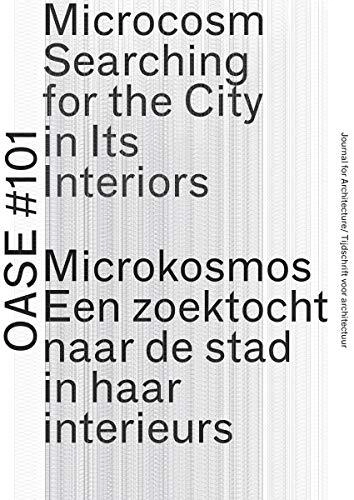
This issue of OASE proactively confronts a disturbing trend: the encroaching standardization of interiors as civilization moves inwards. Rather than simply identifying the issue, the editors single out projects for interiors that derive their significance from a specific approach and show a recognizable element of authorship.
Street art has long surpassed mere trend to become an integral part of cities' cultural identities. What was once considered vandalism is now not only accepted but encouraged. The works of once-prosecuted artists such as Banksy and Shepard Fairey are now collector's items; murals can cost anywhere from $1,000 to $20,000 or more. Through their works, artists may even have the power to save cities.
Sofia Municipality announces an open competition for the restoration, renovation and construction of Sveta Nedelya Square and its adjacent public spaces, aiming to create a network of public spaces while preserving their identity.
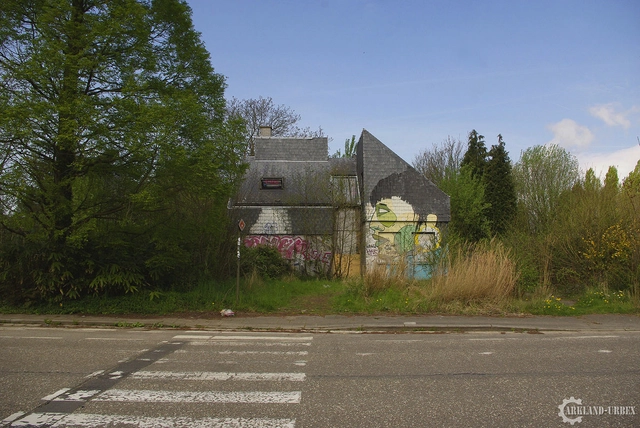
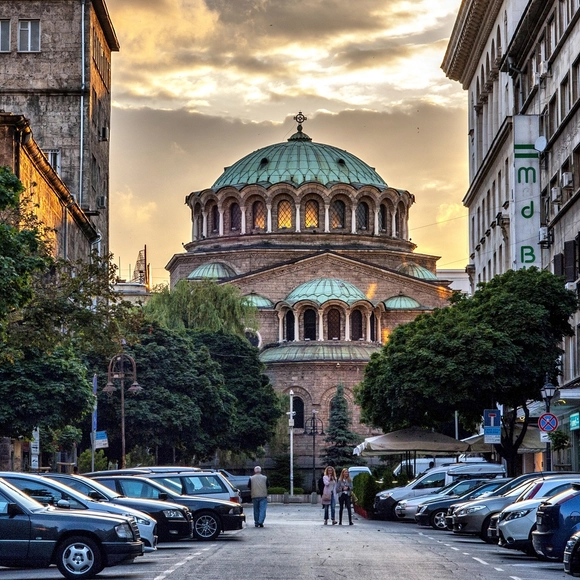
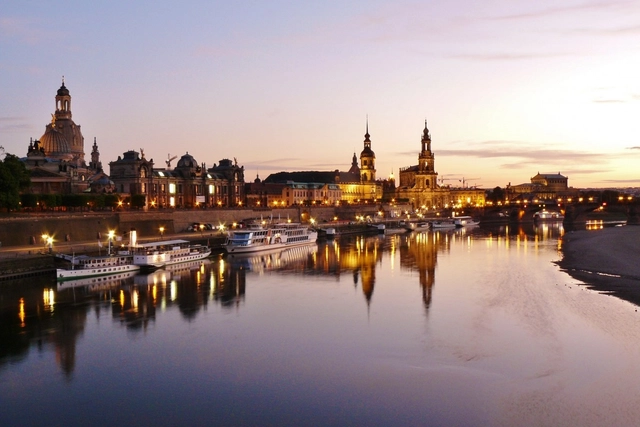
Every city has a story. Throughout history, many natural and man-made changes have altered the way cities were originally laid out. For some, the urban form developed as a result of political disputes, religious separations, or class divides. For others, a more mixed approach has allowed for uniquely mixed cultural atmospheres. And while development of cities is typically slow, occasionally cities experience dramatic and immediate changes to the urban fabric - the results of natural disaster, military conflict, or industrial catastrophe.
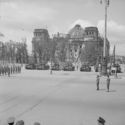
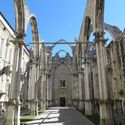
What happens next - if anything - can reveal a great deal about not just the city itself, but the local culture. Do cities rebuild exactly as they were? Or do they use disaster as an opportunity to reinvent themselves? The following is a roundup of cities that have moved past catastrophe to be reborn from the ashes.
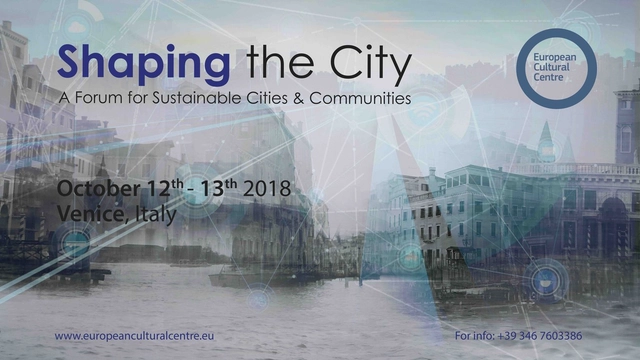
The European Cultural Centre for the Exhibition “Time-Space-Existence” in context of the 16th Venice Architecture Biennale is organizing its first conference under the title of: “ Shaping the City : A Forum for Sustainable Cities and Communities”. It includes all participating architectural schools and universities from across the globe in TSE 2018 along with other international institutions and architecture studios.
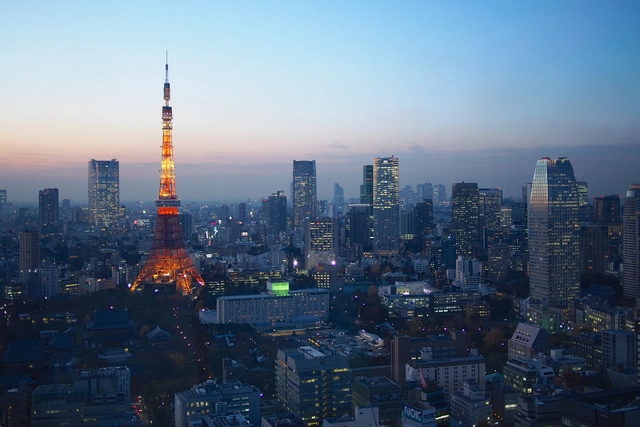
You can’t define modern civilization without mentioning its cities. These urban settlements vary in culture, size and specialty, with certain areas becoming more significant throughout the development of a region. Historically, the size or population of a settlement was a general indicator of its importance—the bigger city, the more power it yields—however, with the large rural-to-urban migration of the last century, it has become harder to define what makes a city important. There are many types of urban landscapes, and for architects and planners it is vital to efficiently categorize settlement types in order to successfully develop designs and city plans. The following list provides four key definitions that have emerged in the last century.
Getting around a city of millions is a miracle of design, engineering and cooperation. In conversation, on foot, by bus, train, bike and ferry, Van Alen’s weeklong Spring Festival this June invites participants to experience and consider the present and future of urban mobility.
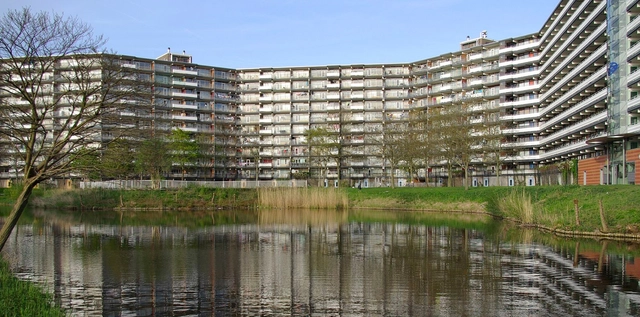
How can we plan a better city? The answer has confounded architects and urban planners since the birth of the industrial city. One attempt at answering came in the form of a spectacular modernist proposal outside of Amsterdam called the Bijlmermeer. And, as a new two-part episode by 99% Invisible reveals, it failed miserably. But, like all histories, the story is not as simple as it first appears.
Designing public spaces without considering the circulation and parking of bicycles is no longer an option in today's world. Accessibility for the free traffic of cyclists must also be accompanied by adequate security conditions, incorporating these devices in the best possible way to parks, sidewalks, parking lots, and the streetscape as a whole.
Are you designing an urban space, or do the exteriors of your project require a correct link with the circulation of bicycles? Check these support elements that can help you to generate a better city for the urban commuter on wheels.
https://www.archdaily.com/887343/urban-equipment-for-public-spaces-helps-to-build-a-bike-friendly-cityAD Editorial Team
An integral and substantial component of TAW 2018, the International Scientific Conference aims at exploring contemporary research activities and design tactics that deal with the topic of co-habitation from different perspectives and within different fields of interest, directly or indirectly related to architecture, city, and landscape. Through the observation of different tactics adopted by researchers and professionals, the hope is to identify new research and design trajectories.
Videos
What’s best for the left-over spaces from our criss-crossing cities infrastructures?
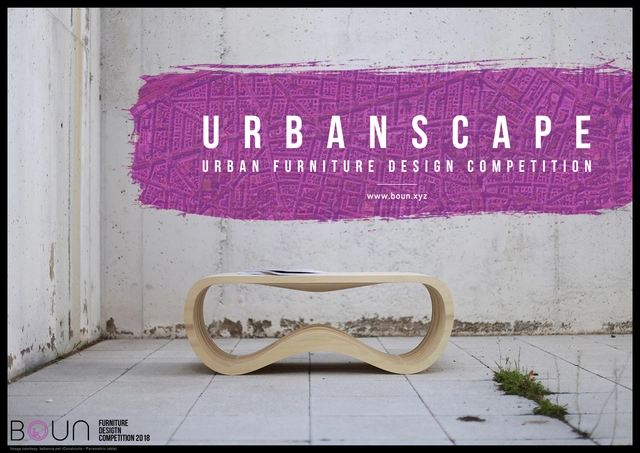
BOUN Serves as a unit block for UNI in the field of furniture design. It will be a platform for experimentation and conceptual exchange of ideas for furniture designs happening at various levels. The program intends to bring out some extraordinary design ideas and designers across the globe to help them in realizing their great Ideas.
Whether they're pretending facade details are raindrops or peeking out of Ricardo Bofill’s La Muralla Roja, Daniel Rueda and Anna Devis introduce a unique perspective on the city. The Valencia-based duo are #couplegoals, and their Instagram accounts reveal their fun, quirky personalities and love for the built environment.
Scrolling through their feeds, viewers get a glimpse of the couple’s travels through whimsical portraits which celebrate the beauty of architecture. The adorable duo playfully interacts with their surroundings, using the city as their stage and architecture—and each—other as characters.










.jpg?1529231453 "© <a href='https://commons.wikimedia.org/wiki/File:Lujiazui,_Pudong,_Shanghai,_China_-_panoramio_(11).jpg'>Haluk Comertel</a> licensed under <a href='https://creativecommons.org/licenses/by/3.0/deed.en'>CC BY 3.0</a>")