Peace of mind is essential when selecting tapware for a commercial project. As a global leader in premium architectural fixtures and fittings, ABI Interiors is committed to delivering sustainable, design-led solutions that meet architects' practical and creative needs across commercial, residential, and large-scale developments.
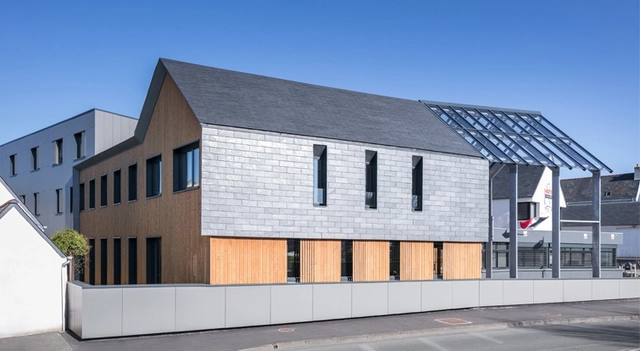
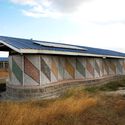
Haut Pays Bigouden / Pierre Brulé. Image Courtesy of Cupa Pizarras
Inspired by experimental solar houses developed after the 1970s oil crisis, the Passive House certification emerged in the late 1980s as a response to growing concerns about energy efficiency and the environmental impact of the construction industry. Its goal is both simple and radical: to reduce heating and cooling demands to an absolute minimum through passive strategies, controlled mechanical ventilation, and an extremely efficient building envelope — eliminating the need for complex or expensive systems.
The choice of exterior cladding materials plays a strategic role in achieving this performance. Poorly designed surfaces, thermal bridges, or sealing failures can undermine the building's entire thermal logic, especially in demanding climates. This is where rainscreen systems stand out: by creating a ventilated air gap between the cladding and the structural wall, they promote continuous airflow, manage moisture, and enhance thermal stability. Materials that combine performance, durability, and visual appeal are rare — and natural slate from Spain's Cupa Pizarras is a standout solution.
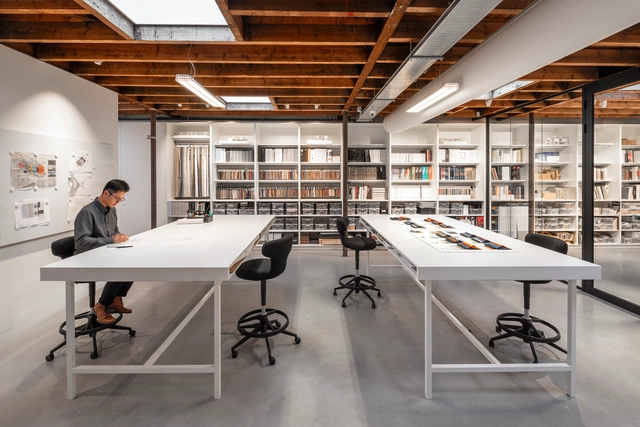
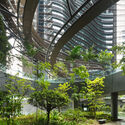
Beyond aesthetics, the design of our workplaces directly impacts our health. Studies reveal a clear link between poor light quality and limited access to natural views with increased sick leave. Smoke-free policies have been demonstrably effective, reducing smoking prevalence by 3.8% and lowering tobacco consumption by a significant 3.1 cigarettes per day for continuing smokers. Workplaces can either support wellbeing or be a detriment to it. Conscious office design can blend aspects of health in spaces to cultivate physical, mental, and social well-being.
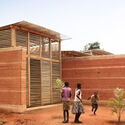
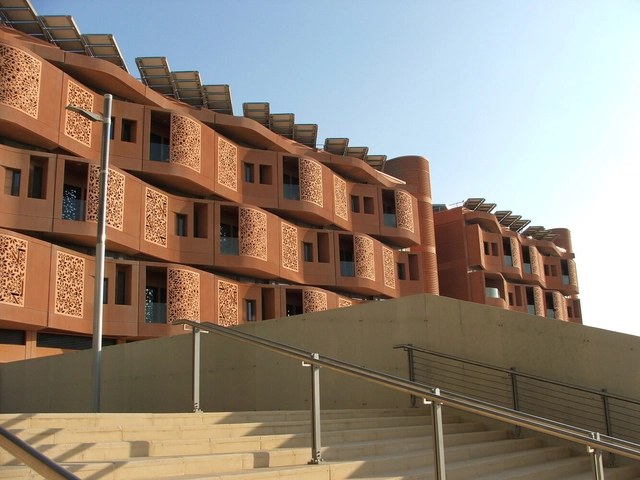
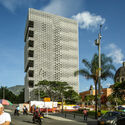
As world governments grapple with environmental crises, the construction industry rushes to reevaluate sustainable design and develop new ways of measuring its efficiency. Consequently, green building certification systems (GBCS) started gaining traction in the 20th century to evaluate and promote sustainable construction practices. The Global South faces distinctive challenges in building sustainable cities. Its developing nations demand an exclusive approach to designing an appropriate, economical, and inspiring architecture for their promising futures.