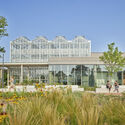
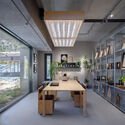
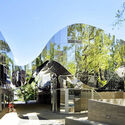
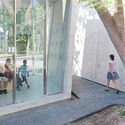
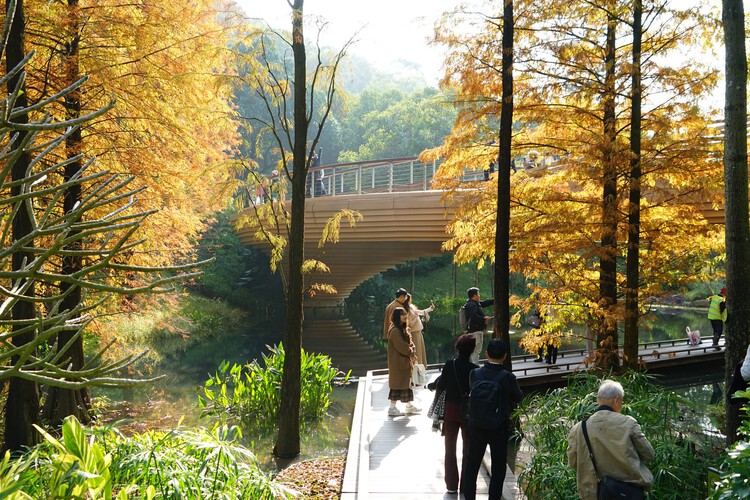
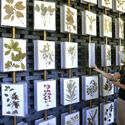
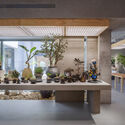
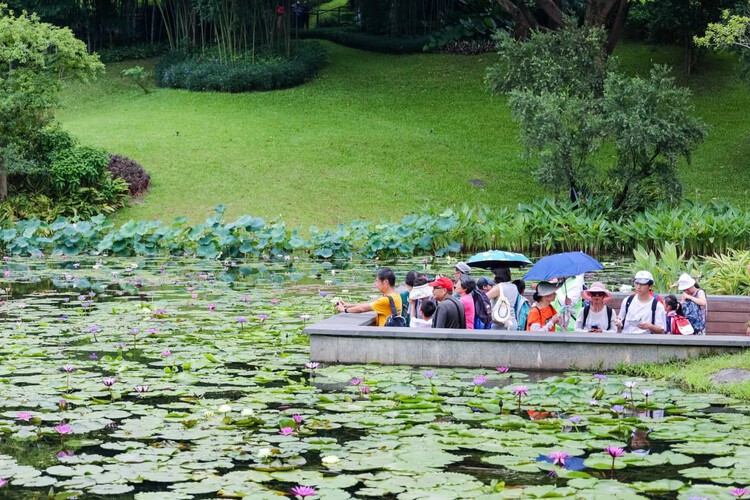
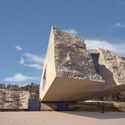
Guangzhou Yunxi Botanical Garden / AECOM + Architectural Design & Research Institute of SCUT + Guangzhou Landscape Architectural Design & Research Institute . Image Courtesy of AECOM
Guangzhou Yunxi Botanical Garden / AECOM + Architectural Design & Research Institute of SCUT + Guangzhou Landscape Architectural Design & Research Institute. Image Courtesy of Yunxi Botanical Garden
While human life depends heavily on plants for the medicines, building materials, and fuel they provide, they also play a vital role in many ecological processes. From climate regulation through carbon dioxide absorption to soil fertility and the purification of air and water, plant diversity offers opportunities to address some of the most pressing challenges of this century, including food security, energy availability, climate change, and habitat degradation. In this context, botanical gardens act as living refuges that foster innovation, adaptation, and human resilience. But what can architectural practice learn from botany and its methods?
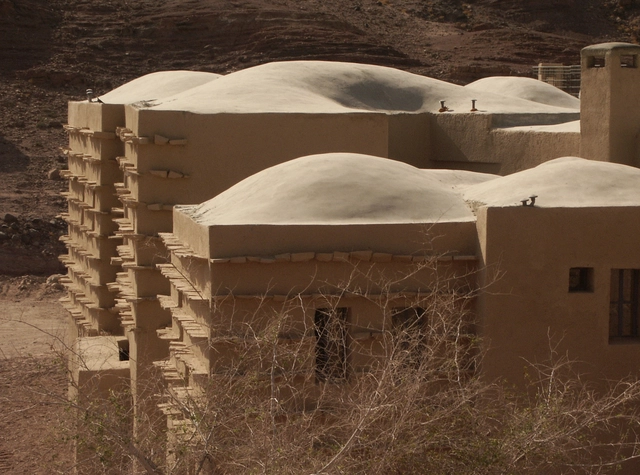
The Feynan Ecolodge project. Image Courtesy of Dongola DAS 01 | Notes on Formation and Ammar Khammash
Ammar Khammash is a Jordanian architect, designer, and artist best known for his approach that focuses on the preservation of cultural and natural heritage while crafting an architecture that engages with its surroundings. With deep admiration for nature and its ecosystems, Khammash trusts that "the site is the architect”, a statement for which he is renowned that underscores the profound influence of context on his architectural design. With over three decades of experience spanning various disciplines and across several Middle Eastern countries such as Jordan, Oman, Palestine, Egypt, Syria, and the UAE, Ammar Khammash has consistently attempted to preserve and enhance the symbiosis between human constructions and the natural environment. His contributions include the Royal Academy for Nature Conservation, the Wild Jordan Center, and the restoration of the Church of Apostles.
In 2022, he was featured in the first edition of the Dongola Architecture Series, a biannual publication that offers unique perspectives into Arab culture by highlighting prominent contemporary architects. The issue, titled “Notes on Formation: Ammar Khammash,” written by Raafat Majzoub, explores "architecture as a transdisciplinary tool of expression, and as a method of imagining and reimagining the future," encapsulating the ethos of the publication. ArchDaily had the opportunity to talk to Ammar Khammash and Sarah Chalabi, founder of Dongola Limited Editions, to delve into the architect’s perspectives on site, materiality, and culture, along with his philosophy, notions on academia, and insights into the future of the profession.
Heatherwick Studio's proposed Garden Bridge scheme across the River Thames, London. Image Courtesy of Arup
This edition ofSection D, Monocle 24's weekly review of design, architecture and craft, is dedicated to plants and gardens and specifically their role in architecture, urban life, and the design of the workplace. The episode considers the history of London’s urban greenery and the role of plants in landscape architecture touching upon, in conversation with Sam Jacob, the latest in London's green infrastructure: Heatherwick Studio's proposed Garden Bridge across the River Thames. It also traces the lineage of semi-private squares in Georgian London to Ebenezer Howard's Garden City movement in the late 19th and early 20th centuries – all approaches discussing how best to unite the built environment with the natural world.
https://www.archdaily.com/784385/monocle-24-investigates-gardens-and-the-public-life-of-plantsAD Editorial Team