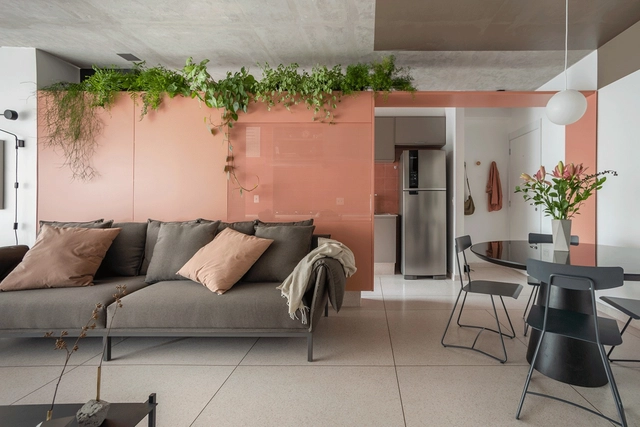
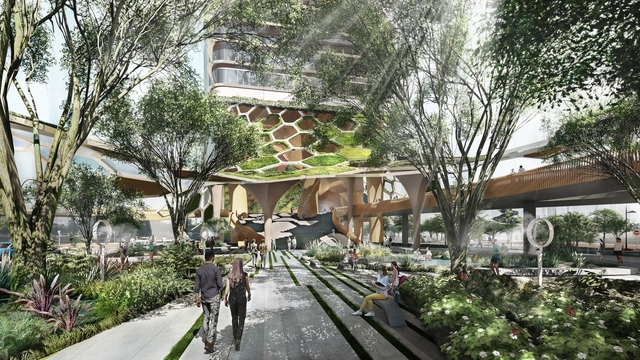
The tropical climate is famous for its exuberant flora. It's no wonder that architectural projects in the region maintain a constant dialogue between nature and the built environment. Biophilia's benefits to users are not news, after all. However, high temperatures, frequent rains, and high humidity levels present unique challenges for reconciling the connection between the interior and exterior with the construction of houses that are comfortable and efficient over time. In the search for solutions that meet needs and demands, we have selected residential projects that appropriate the context to become unique in this environment.
Humans are hard-wired to respond positively to nature; the crackling sound of fire, the smell of fresh rain on soil, the healing characteristics of plants and the color green, being in proximity to animals, etc. That, along with today’s critical environmental conditions and rapid urbanization, shifted architects' focus towards eco-conscious projects to bring people closer to nature. Architects explored numerous approaches: rammed earth structures, recycled materials and furnishing, designing around the site's sun orientation... The practice was so driven by green architecture that the lines became blurred between what is truly sustainable and ecological and what is "greenwashed". But what proved to bring about the most innate biological connection with nature was biophilia, and "bringing the outdoors in" through design.
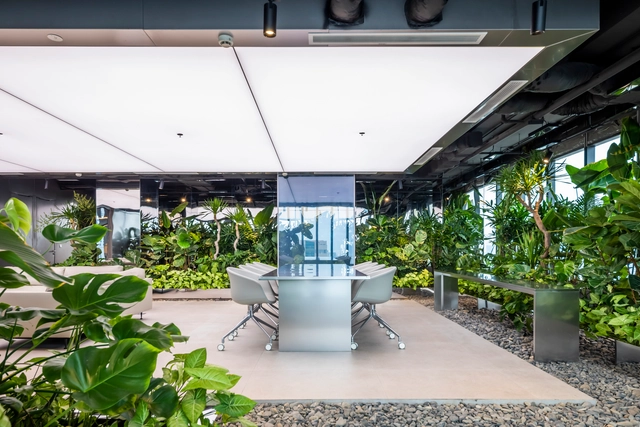
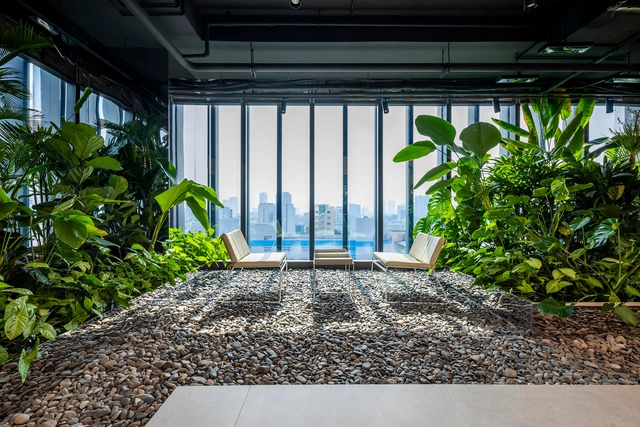
Biophilic office design is not just a passing trend. It rather represents a seismic shift in how we design and build our office spaces and work environments, with every employer from multi-national giants of the industry to two-person bedroom startups getting on board. But this weighed-down bandwagon of empathetic, wellness-focused workspace still has plenty of room on the back.
The idea of "Biophilia" was defined as "love of life" in ancient Greece. Although the term may seem relatively new, coming across as a trend in the fields of architecture and interior design, the concept of biophilia was introduced by psychologist Erich Fromm for the first time in 1964 and then popularized in the 1980s by biologist Edward O. Wilson, who studied the lack of connection with nature caused by urban life.
The guiding principle is quite simple: connect people with nature to improve their well-being and quality of life. How could architecture do that? By seeking alternatives to integrate nature – either through natural elements or techniques – into its designs.
One plant makes all the difference with its color, texture, movements, and the celebration of its flowering. The green inside the homes offers several benefits. However, besides knowing which species are easier to grow, looking for more effective ways to blend the plants with the room can enhance the spatial experience. That is why we've selected some tips for placing the vases and planters around the house (or not).
2022 could be remembered as the year when surprising AI-fueled tools became accessible to a larger audience: from text-to-image generation Stable Diffusion, Midjourney, and DALL-E 2 to unsettling design experiments such as This House Does Not Exist, to surprisingly smart OpenGPT, a language-processing designed artificial intelligence to generate human-like text.
Cautiously described by OpenAI CEO Sam Altman as "a preview of progress", any user can talk with OpenGPT about almost anything: the results are astonishing and it easily can embody an umpteenth so-called threat for creative-related jobs. However, OpenGPT does not have access to browse the internet. Instead, it interacts based on the gigantic database that it has been trained on. As expressed by Gannett's Eric Ulken, "even the best generative AI tools are only as good as their training", so what an "inappropriate request" is has previously been tuned (by humans) as well.
As we wrap up 2022, we take a look back at how this year introduced new adaptations to the way we live, work, and interact with our built environment, especially after emerging from years of unprecedented changes. One way to describe this year's design identity is that there isn't one. Going through this transitional period, inspiration came from foreign travels, immersive virtual worlds, being one with the planet and the serenity that came with it, platforms that promote expressionism and individuality, and a trend-setting generation known for its bold perspectives.
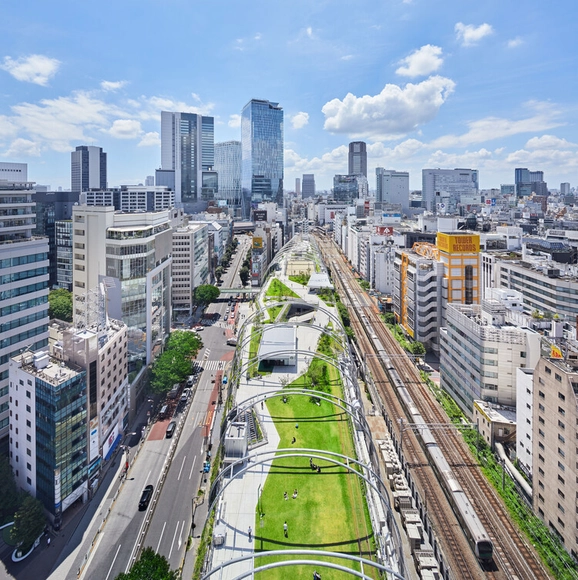
Largely driven by rural migration to cities and overall population growth, 68% of people worldwide will live in urban areas by 2050. By doing so, many will benefit from greater access to basic services, proximity to public transportation, and better education and employment opportunities. But the pursuit of living urbanized lives also leads to isolation from the outdoors –be it a forest, a meadow or the mountains– that can negatively impact our physical and mental health. Exposure to nature has long been proven to reduce stress levels, boost mood, foster productivity and, above all, enhance well-being. So, considering we typically spend around 93% of our time indoors (and that the pandemic has magnified that statistic), now more than ever we find ourselves seeking a connection with the outdoors and all its inherent benefits. Architects thus face the important challenge of bringing nature in, which is precisely where biophilic design comes into play.
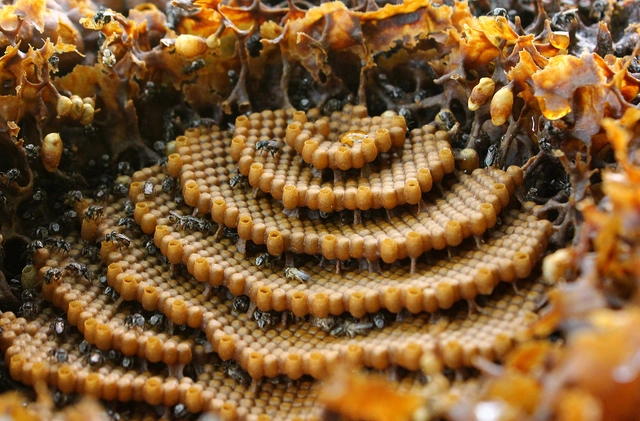
Bees are perhaps the insects that most arouse our fascination and curiosity. With the exception of Antarctica, they are found on all continents, in all habitats that contain insect-pollinated flowering plants. Representations of humans collecting honey from wild bees date back to 15,000 years ago, and pots of honey have even been found in the tombs of Egyptian pharaohs like Tutankhamen. Although we generally have a fixed idea about what cartoon bees look like, there are thousands of species around the world, with different sizes, colors and behaviors. There are even several examples of solitary bees, many without stingers, and even some species that survive by plundering other weaker colonies. But something that has consistently impressed researchers is the organization of their hives, which are truly highly populated cities with an efficiency to make any urban planner envious.
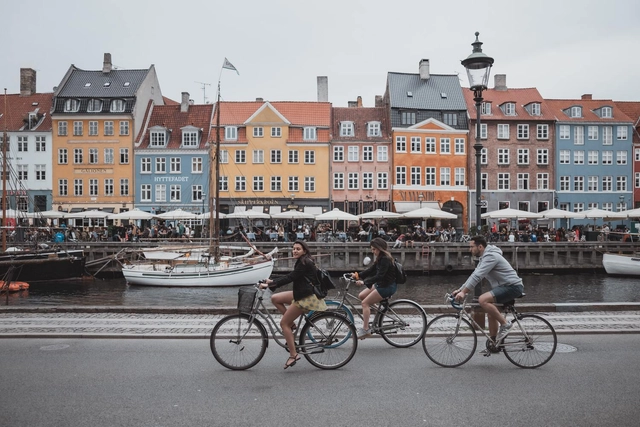
According to the World Happiness Report, Denmark has continually topped the survey of happiest countries for years. Copenhagen, the capital of Denmark, is known for its brightly colored waterfront buildings and radical contemporary architecture, both reflecting the joyful ethos of the city. The maritime metropolis is an urban designer’s favorite case study with its carbon-neutral infrastructure, pedestrian and bike-friendliness, and thriving public realm.Danish designers have cracked the code to build happier cities, leaving plenty of models to learn from.
Biophilic design is capable of improving the well-being of those who use a space through reconnection with nature. When this practice is implemented in offices and workshops, this property translates into many benefits. After all, in addition to the emotional qualities that vegetation can bring, it has the ability to filter noise, lighting and allow for a milder climate, with results in team productivity and more optimized services.
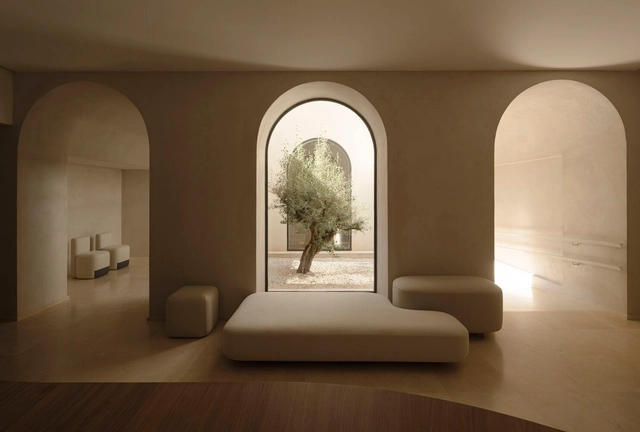
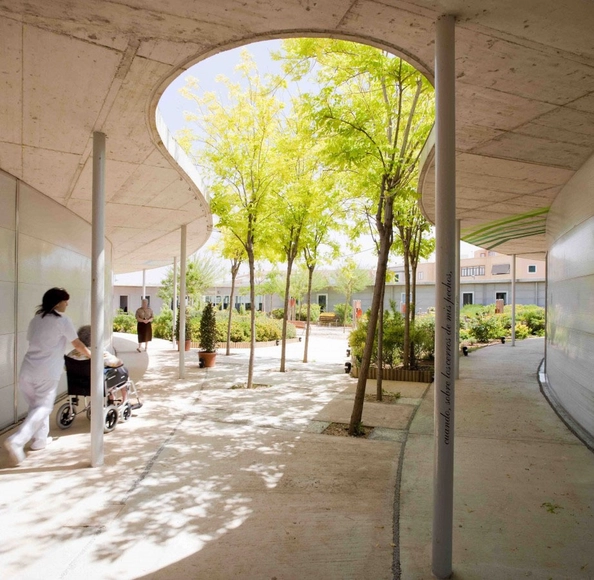
Santa Rita Geriatric Center / Manuel Ocaña. Image Courtesy of Manuel Ocaña
At a hospital, patients are always one conversation away from good or bad news. When not being rushed into treatment rooms, the sick are often left to feel stressed about their health. Healthcare workers have one of the most stressful jobs, with sudden changes in patient conditions. The general atmosphere in traditional hospitals seems tense and worrisome, and this has an adverse effect on patients’ well-being.
The past couple of decades introduced the world to new ways of living as a result of different social, economic, and ecological changes. Naturally, these changes found their way into the architecture and urban practice, provoking new concepts within traditional typologies. Designing a space, regardless of its function, has always prioritized users' needs and ensured practicality and functionality, but recently, keywords like flexibility, privacy, inclusivity, and eco-consciousness have become driving forces behind design processes. In this interior focus, we will look at how current cities and living trends across the world have reshaped interior design and introduced modifications to typical typologies.
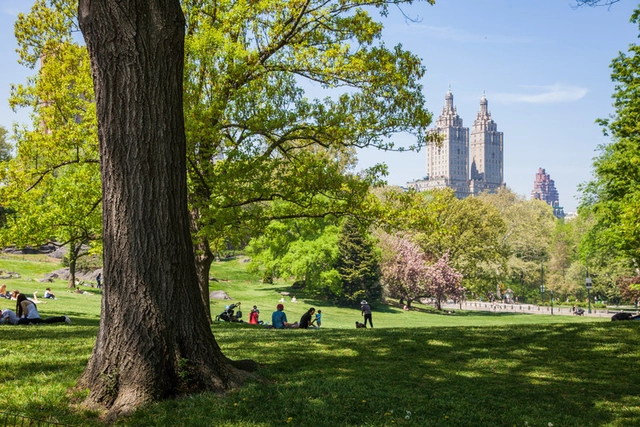
Whether it is a small balcony, access to green space or a private garden, the outdoor space has become a privilege for many, especially upon the dawn of the Covid-19 pandemic and the multiple lock down periods that followed. Green space in the city is constantly under threat, particularly since governments seek to increase housing densities in order to feed a growing demand for suburban development. As a result, the garden and access to green/outdoor spaces has decreased in recent times, as priorities lie in housing as many as possible, often with disregard to beneficial features such as access to outdoor areas in residential developments.
In terms of living conditions the lack of access to these spaces presents evident inequalities, uncovered during periods of lock down and restrictions during the pandemic. People were confined to their homes and local outdoor spaces, where they could exercise. Those who had access to these public spaces and had their own gardens/external space were very lucky in the sense that they were able to enjoy an element of the outside. While those less fortunate in flats and areas of depravity faced claustrophobic and demoralizing conditions, contained within the shell of their homes.
Looking ahead to the future of our built environment, a one-size-fits-all approach simply won’t do. Issues like rising sea levels, temperatures, and water scarcity in urban communities need localized solutions that take into account questions of sustainability, culture, and public health. Having investigated vernacular infrastructure across indigenous communities for her book Lo-TEK. Design by Radical Indigenism, designer Julia Watson is an expert in local, nature-based technologies that are inherently adaptable and resilient. We talk to her about the future of our cities, building materials, and her latest project for Our Time on Earth – a five year, world-touring exhibition that just opened at London's Barbican Centre to investigate how radical, collaborative ideas for the way we live can get us to a much improved place by 2040.
As the city continues to evolve and transform, dead edges in the cityscape begin to emerge, subsequently reducing the level of activity in our built environment. These 'dead edges' refer to the areas that lack active engagement, they remain empty and deprived of people, since they no longer present themselves as useful or appealing. As the Covid-19 pandemic draws to an ultimate close, the first issue we may face post-pandemic is to revive our urban environment. A kiss of life into a tired and outdated cityscape...
The focal element in creating an active and healthy urban environment is by increasing vitality through placemaking. Creating diverse and interesting places to reside, thrive, and work. Here are five regenerative strategies that animate the cityscape and ultimately produce resilient, attractive, and flexible environments.
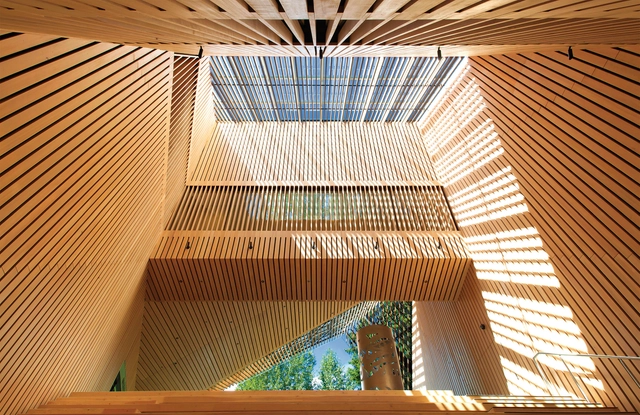
Although the term may seem recent, the concept of biophilia has been used for decades in architecture and design. The guiding principle is quite simple: connect people inside with nature to promote their well-being and quality of life. With all the ongoing design trends that have consolidated as a result, the demand has focused on organic materials that emulate outdoor environments. Among all the options, wood is one of the most popular materials to bring nature indoors, not only because of its functionality, but also due to its multiple physiological and psychological benefits.
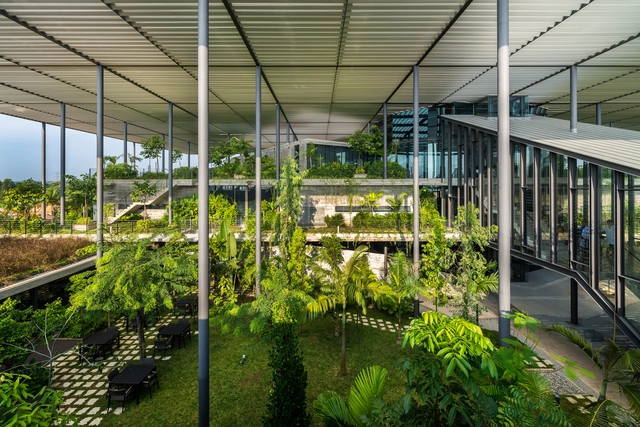
Ronald Lu &Partners revealed their new workplace concept, "Treehouse", an "eco-conscious integrated system" featuring biophilic elements, which capitalizes on wellness and aims to reconnect users with nature. The project is a response to contemporary workplace needs, as well as to current climate challenges, promoting carbon-positivity and net-zero operations through a blend of design, technology and smart management.


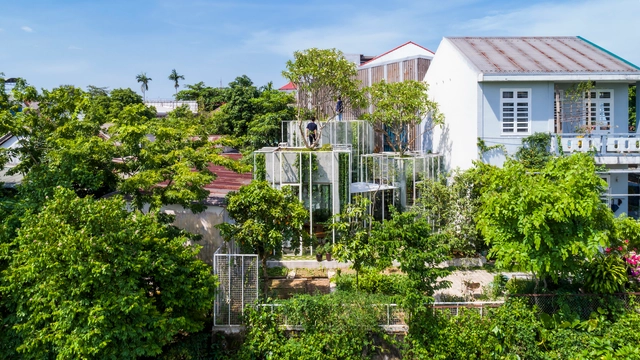



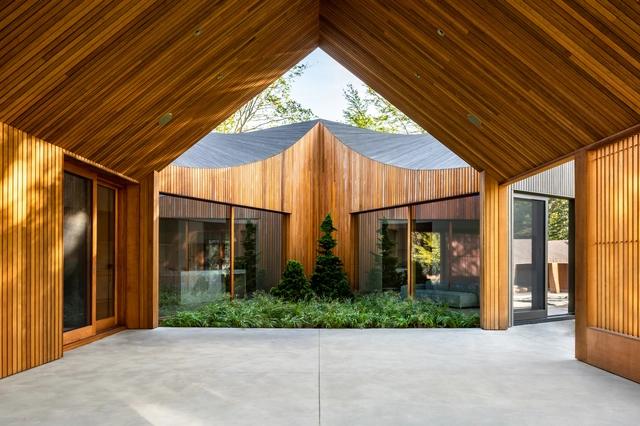




.jpg?1611324153 "Memorial Cemetery Parque das Cerejeiras / Crisa Santos Arquitectos. Photo © Isis de Oliveira")