Videos
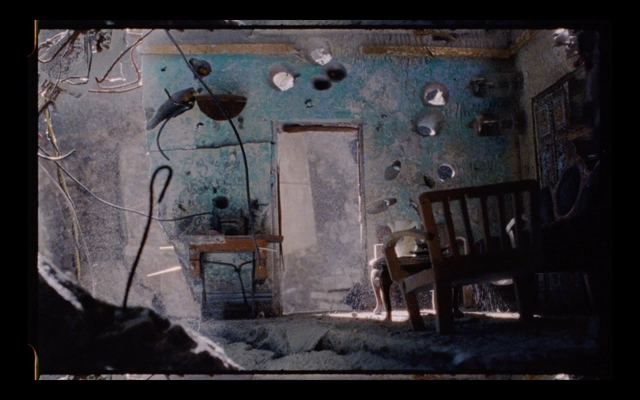
Courtesy of A Broken House, The New Yorker Documentary directed by Jimmy Goldblum
“A Broken House” is a documentary directed by Jimmy Goldblum that highlights the story of Mohamad Hafez, a Syrian native that moved to the US on a single-entry visa to study architecture and was not able to return home. Facing his fate, he channeled his homesickness in his artwork, and started producing miniature sculptures of his hometown, in order to build the “Damascus of his memories”.
“If you can’t get home, why don’t you make home”. Telling the story of the human being that lived within, the architectural project gained a political dimension after the eruption of the Syrian civil war, portraying the extent of the destruction suffered by the city, humanizing refugees, and sharing their stories.
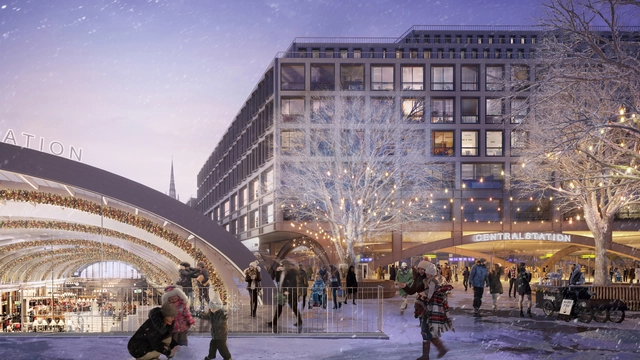
An integrated team led by Foster + Partners in collaboration with Marge Arkitekter have won a design competition for the redevelopment of Stockholm's central station, Sweden's largest transportation facility. The winning design aims to bring together several modes of transport in an integrated hub, while prioritizing pedestrian circulation and creating a new mixed-use urban district that combines old and new architecture.
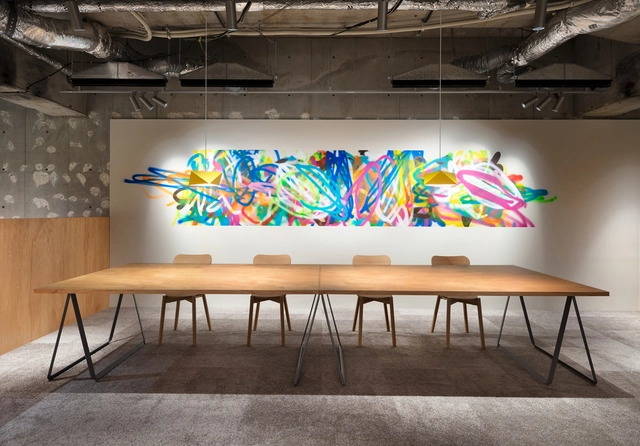
Over the past year, established practices have continued to champion the transformation of existing structures, with adaptive reuse and renovations increasingly becoming a defining aspect of contemporary architecture From the renovation of landmark structures to the adaptive reuse of obsolete facilities, the idea of giving new life to existing buildings has been embraced as the premise for a more sustainable practice, but also as a means of reinforcing the urban and cultural identity of cities. Discover 8 designs and recently completed projects that showcase a new common practice of reusing existing building stock.
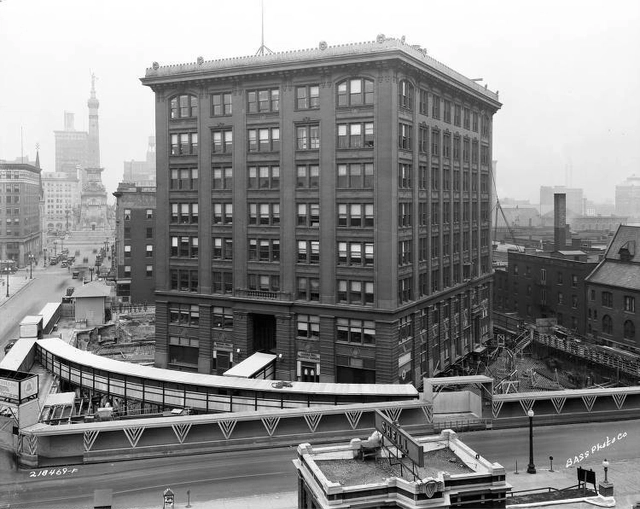
In November 1930, in Indiana, United States, one of the great feats of modern engineering was executed: a team of architects and engineers moved an 11,000-ton (22-million pound) telephone exchange without ever suspending its operations either basic supplies for the 600 employees who worked inside.
'Innovation' and 'design thinking' could possibly be two of the most extensively-used phrases both online and offline during the past decade. To respond to the global need of "changing the status quo", established companies, start-ups, and even universities have used this framework to generate novel ways of solving problems and create new products, taking into account their desirability, feasibility, and viability. And with that, a new archetype was conceived: the design thinker, someone who has the creative toolkit to generate something disruptive. So what is the meaning behind design thinking and what is its relationship with architecture?
If Nature had been comfortable, mankind would never have invented architecture. - Oscar Wilde
Architecture is human. Despite their exquisite beauty, burrows, hives, nests and anthills are creations of instinct. Design by humans considers options, means and methods of creation, solving problems of desire, beyond functional accommodations.
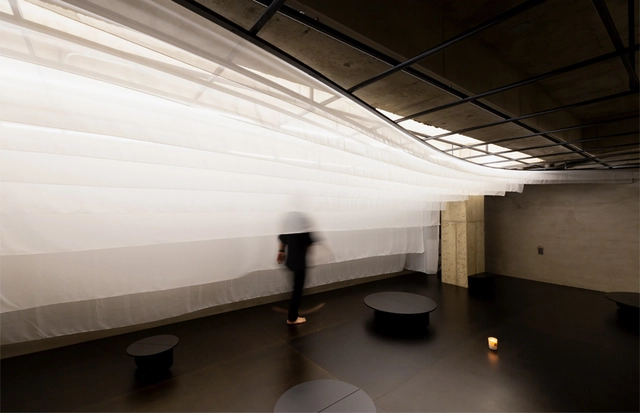
Textile forms of habitation are far from new; in fact, humans have been using fabric to create shelter for thousands of years, becoming an archetypal form of building. Today, contemporary architecture has rediscovered the principle of the tent and taken its development further, implementing new technologies to generate more advanced and durable fabrics which allow larger areas to be spanned. Becoming a highly specialized sector within the construction industry, multiple textile forms have become common in a wide range of architectural applications – not just for temporary structures, but also for permanent buildings. Apart from their use in facades, these can be utilized in interiors to create highly functional spaces with unique sensory experiences.
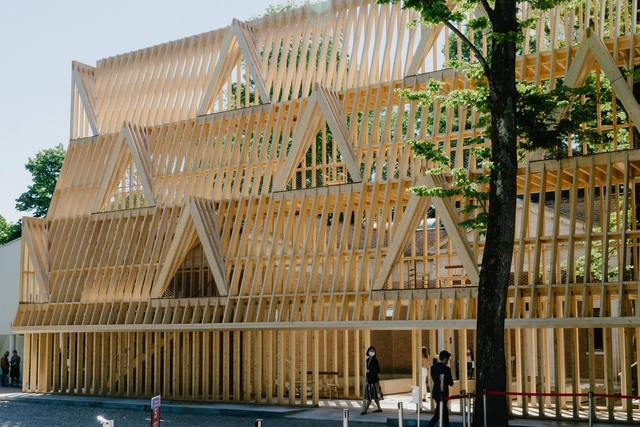
In this two-part episode of Design and the City - a podcast on how to make cities more livable – reSITE covers the 17th Venice Architecture Biennale, exploring the question of “How will we live together". Part-one looks into the works of the U.S, Nordic, and Luxembourg Pavilion curators, focusing on their use of timber construction as an answer to the exhibition's theme. Part-two features curator Hashim Sarkis and Greg Lindsay, along with the British and Austrian pavilion curators, as they explore the topic of accessibility.
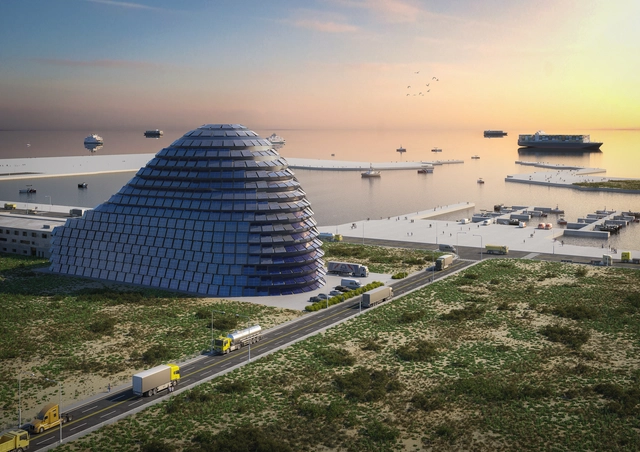
MVRDV ‘s latest project designed for government-owned power company Taipower is “a tool for energy production”, communicating Taiwan’s goal of transitioning to green energy. The morphology of the project and its architectural image are entirely data-driven, the expression of the most efficient way of generating solar energy on the site. An operations facility comprising offices, a maintenance workshop, storage spaces, and a public gallery, the project is defined as a “built manifesto”, projecting the company’s aspirations for achieving a “carbon-free future”.
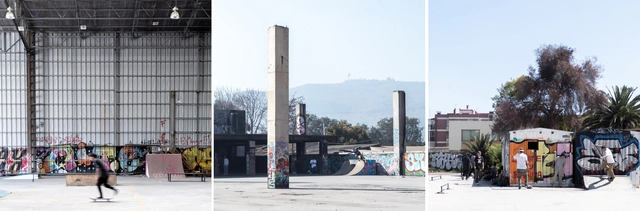
Yesporciento is an architecture and research studio founded by Sebastián Castro, architect and skateboarder. From Chile, his interests lie around strategies to maximise and strengthen the public and collective space through the Skateboarding phenomenon. Next, Castro presents his most recent analysis focused on observing, registering and presenting some cultural manifestations related to the recovery and occupancy of disused urban spaces, defining three case studies within the urban area of Santiago.
Adaptive reuse is the sustainable face of architecture. This visionary process of architectural alchemy allows cities to thrive and remain relevant, without forgetting their past.
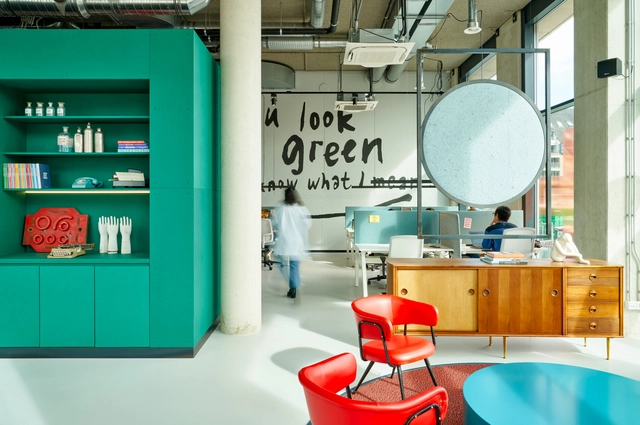
Delft Hotel Interiors. Image via Frame Magazine used under terms of "fair use"
In recent years, there’s been a significant amount of clamor around the habits and impacts of the millennial generation. Headlines often read “Millennials Responsible for the Decline of Cereal”, “Millenials Are Why We No Longer Use Napkins”, and “Are Millennials Killing the Housing Market?” After being burdened with the blame of the death of almost anything, the millennial workforce has now moved away from the spotlight to make room for the next generation, “Gen Z”, which many believe are going to make significant societal disruptions- especially in the architectural and design workforce.
Videos
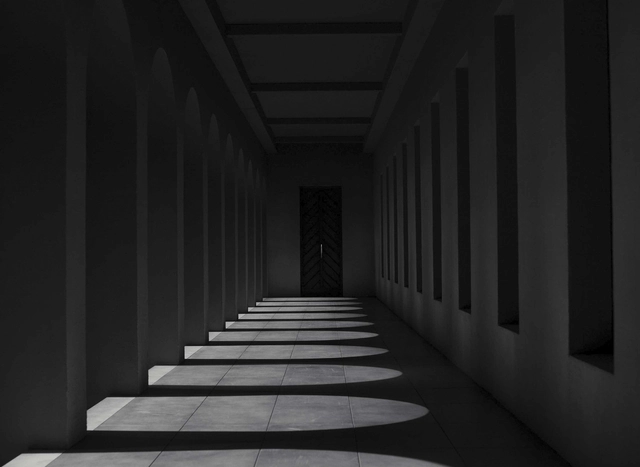
Set Stills. The Tragedy of Macbeth. Image via Stefan Dechant
Stefan Dechant is a production designer with over 25 years of experience in the industry working alongside reputable filmmakers like James Cameron (Avatar), Tim Burton (Alice in Wonderland), and Sam Mendes (Jarhead). Recently, Stefan served as the production designer for the upcoming Apple TV+ film 'The Tragedy of Macbeth' directed by Joel Coen. Why did this interest us immediately? Because he had the task of creating 35 Black & White, Abstract Sets.
In the following interview with Stefan, he tells us all about the inspiration behind the aesthetic, his working process between sketches and digital, and finally the stage of building all of this. Read more below.
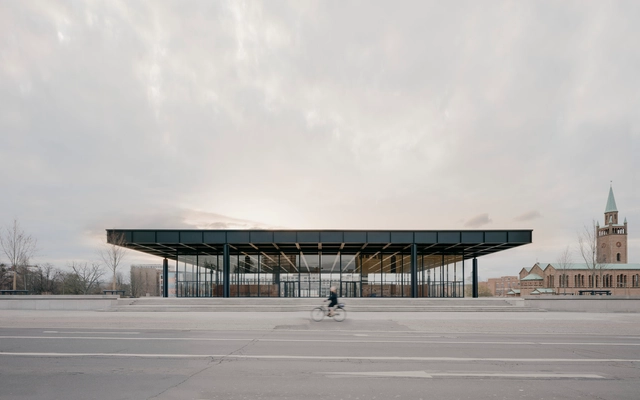
The European Commission and the Mies van der Rohe Foundation have announced the 40 shortlisted works that will compete for the 2022 European Union Prize for Contemporary Architecture – Mies van der Rohe Award. The shortlist featured projects built across 18 different European countries, with Spain, Austria, and France topping the list with 5 entries each. The winners will be announced in April 2022 and the Award ceremony will take place in May 2022.
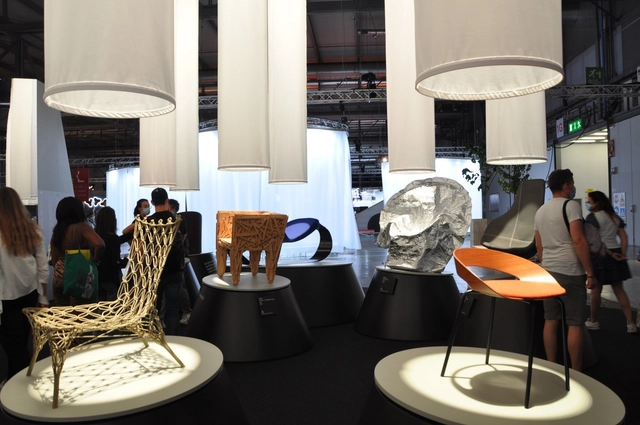
The 60th edition of Salone del Mobile.Milano has been postponed and will now take place from the 7th till the 12th of June 2022. The decision was taken by the Board of Federlegno Arredo Eventi, in agreement with Fiera Milano, who voted to postpone the event from April 2022 to June 2022.
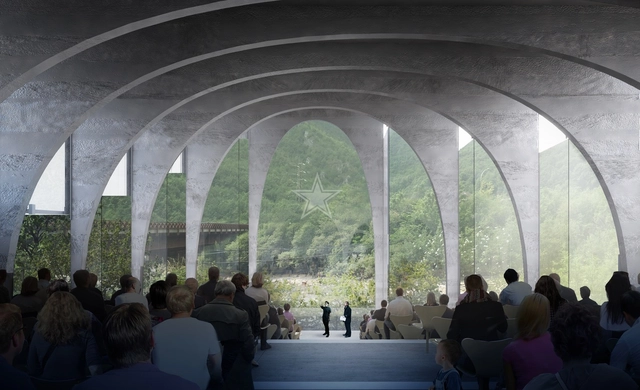
As the new year kicks off, we're taking a look ahead to the projects we're most looking forward to in 2022. With a mix of cultural and commercial programs, the designs are located across five continents, with many under construction for multiple years. Designed across a wide range of scales, they represent a mix of interconnected landscapes, museums, and new skyscrapers.
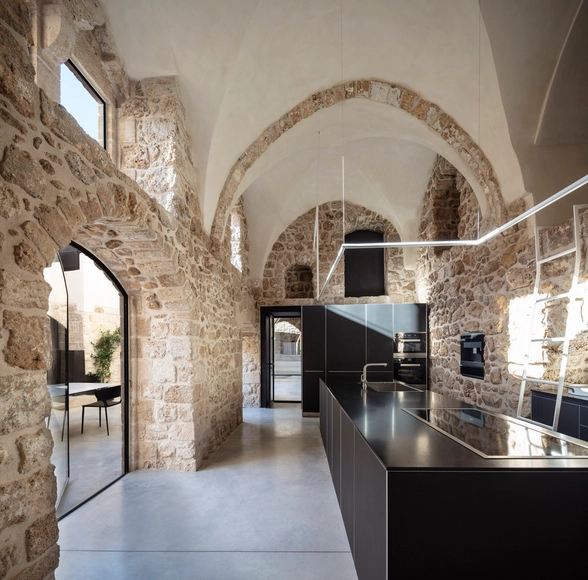
Old Jaffa House 4 by Pitsou Kedem Architects. Image Courtesy of German Design Awards 2022
The German Design Awards have been presented by the German Design Council for the tenth time. The internationally renowned prizes are awarded to companies whose pioneering products and projects stand out in the categories of “Excellent Product Design”, “Excellent Communications Design” and “Excellent Architecture”. In addition to the “Winner” and “Special Mention” awards, the jury gave out a total of 81 “Gold” awards – the highest distinction of the German Design Awards.
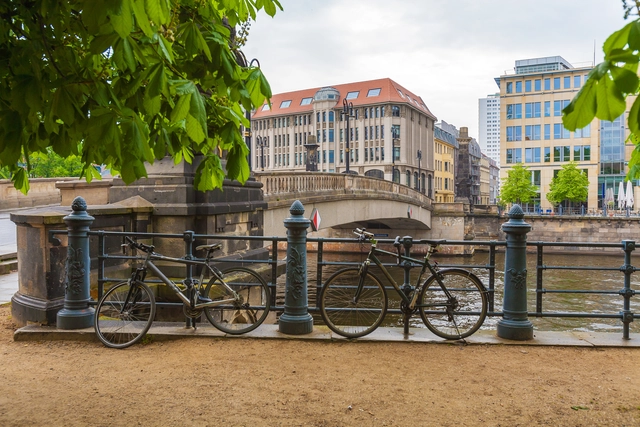
Volksentscheid Berlin Autofrei (People’s Decision for Auto-Free Berlin), has proposed a plan to limit cars within Berlin's Ringbahn, a long circle route around the inner city, making it the world's largest car-free area once approved. The citizen-initiative is aimed mostly at banning the use of private cars in central Berlin, with the exception of emergency vehicles, garbage trucks, taxis, delivery vehicles, and residents with limited mobility, who would all be given special access permits.