The Royal Institute of British Architects (RIBA)’s Future Trends Survey for December 2015 showed a dip in UK architects’ confidence, reflecting the low number of new inquiries received by practices at the end of the year. The Future Trends workload index dropped substantially to +15 in December from +27 in November, showing a decrease in expected new projects. However, all regions in the UK, with the exception of Wales and the West (balance figure -3) and Scotland (balance figure -50), showed positive balance figures, with Scotland’s low numbers possibly related to the impact of oil price changes. The South of England was the most optimistic region with a balance figure of +30.
WoodWorks, an initiative of the Wood Products Council, has announced the winners of the 2016 Wood Design Awards. Honoring projects that “showcase the innovative use of wood as both a structural and finish material,” this year’s awards highlight the many uses and attributes of wood, “from structural performance and design versatility to sustainability and cost effectiveness.”
The Wood Design Awards are both National and Regional, with regional awards being presented at Wood Solutions Fairs across the country starting in late March.
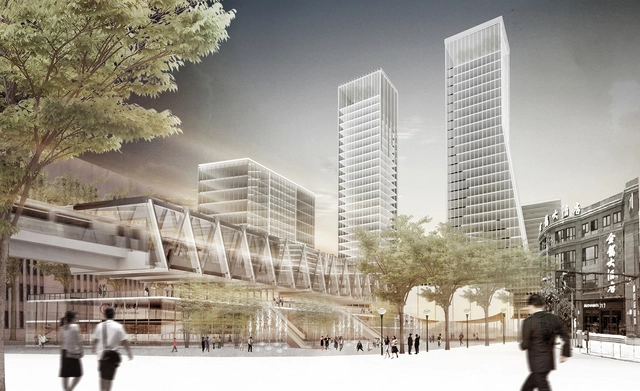
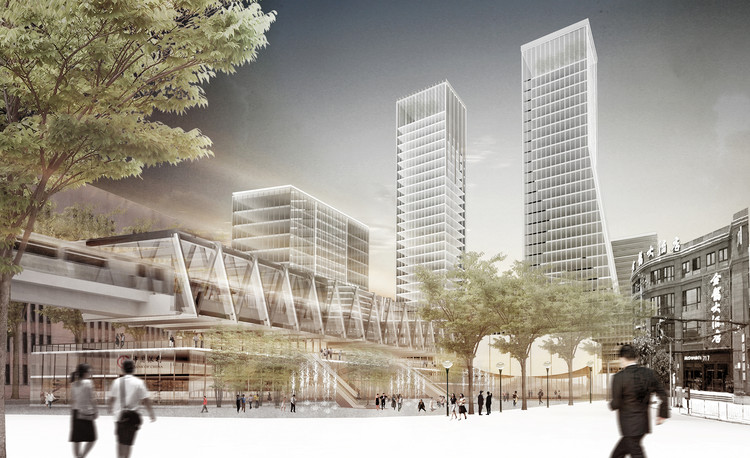
A team of urban design students from the Harvard Graduate School of Design has won first prize in UD Shanghai’s 2015 International Student Urban Design Competition for the Shanghai Railway Station Area. Through the competition, the team reimagined the “Shanghai Railway Station, one of the city’s four major railway stations and one of China’s major rail hubs, in the context of the next round of the Shanghai Master Plan (2020 to 2040). In particular, the competition asked teams to promote walkability and smoother traffic patterns,” where the station creates a topographical gap, “and to consider thee-dimensional urban development around the station.”
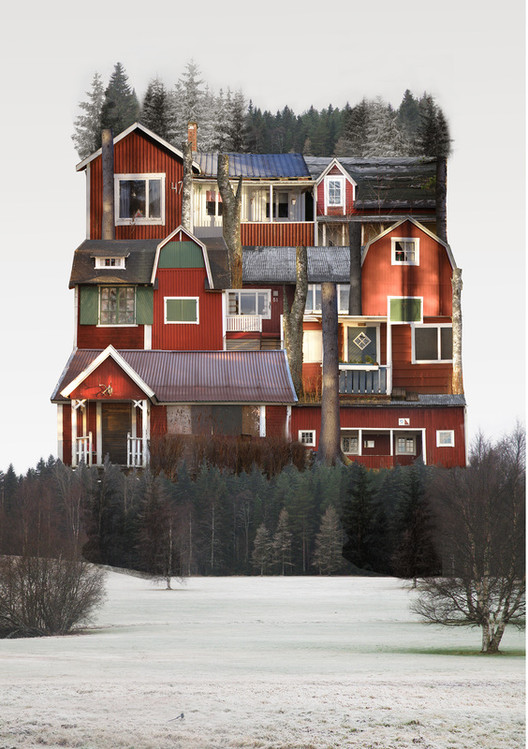
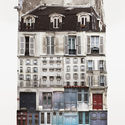
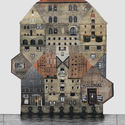
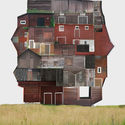
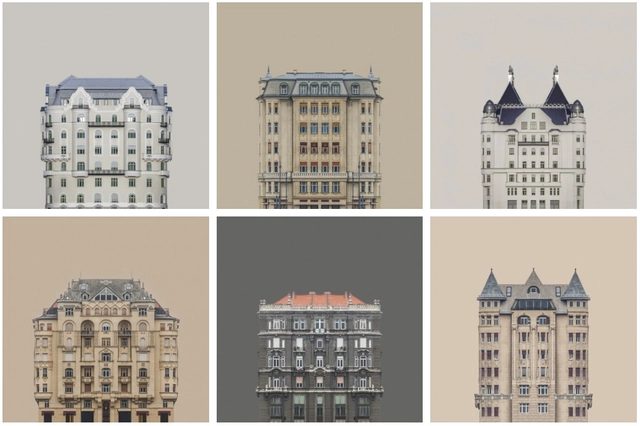
Sweden based visual artist, Anastasia Savinova, has created a series of collages that seek to capture the spirit of cities. Titled “Genius Loci,” her collages form a big house that is composed of many buildings characteristic of each city, visualizing the way of life, the atmosphere, and the feeling of each place. Photographs of architecture are the foundational components of her art work, representing the feeling as a whole.
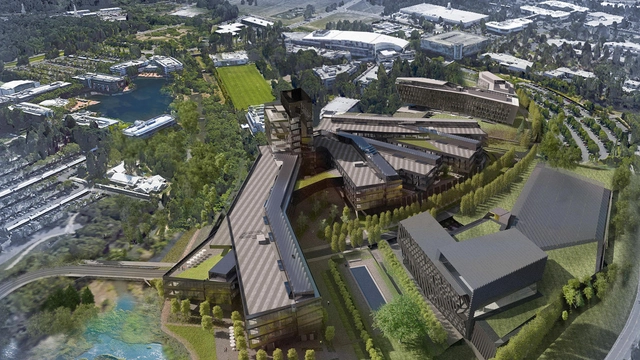
Nike has unveiled plans to expand their World Headquarters, located near Beaverton, Oregon. Their campus first opened in 1990 and has undergone three waves of construction, doubling its size. Now, Nike will expand the facility again, adding 3.2 million square feet of office, mixed-use and parking facilities.
As a part of the Women in Architecture (WIA) program and its greater campaign, readers are invited to participate in a survey to help track the evolving status of women in the profession on a global level. The anonymous survey is “open to men and women working in the built environment and aims to track perceptions of equality, salary, and flexible working.”
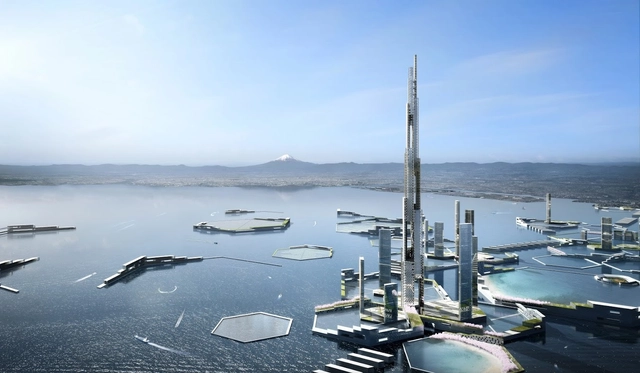
Kohn Pedersen Fox Associates and Leslie E. Robertson Associates have joined forces to propose a vision for a new city in Tokyo Bay. “Next Tokyo” imagines a mega-city that is adapted to climate change in the year 2045. Rising sea levels, seismic activity, and the threat of typhoons have drawn attention to the vulnerability of low-elevation coastal zones in the bay. This design proposes a development strategy that improves the bay’s preparedness for these natural disasters, while also creating a mile-high residential tower and a new transit-oriented district.
Videos
Courtesy of The World War I Centennial Commission
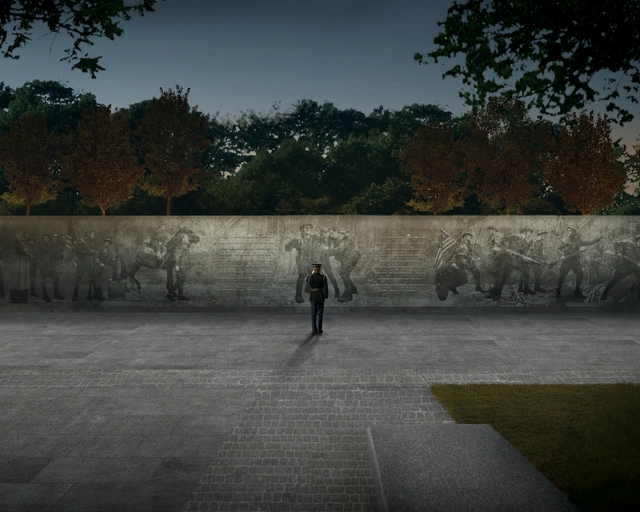
After announcing five finalists in August of 2015, the World War I Centennial Commission has announced the winner of its National World War I Memorial competition: The Weight of Sacrifice by 25-year-old architect Joe Weishaar and sculptor Sabin Howard. The design focuses on the sacrificial cost of war through relief sculpture, quotations of soldiers, and a freestanding sculpture. Visitors are guided through the memorial’s changing elevations by quotation walls that describe the war from the point of view of generals, politicians, and soldiers.
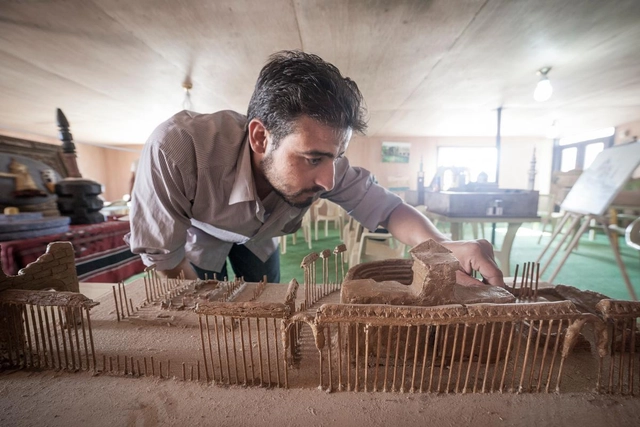
Mahmoud Hariri building a model of Palmyra using clay and wooden kebab skewers. Image Courtesy of UNHCR Tracks
Throughout Syria’s four-year war, many of the country’s ancient monuments and artifacts have been demolished by ISIS and Syrian bombs targeted at Islamic militants. In August, ISIS destroyed Palmyra, one of the most important cultural centers in the world.
Yet a group of Syrian refugee artists in Jordan, with the support of the United Nations and Internal Relief and Development, have been salvaging some memories of their country’s destroyed artifacts. Since November 2014, these artists have been constructing miniature models of Syria’s ancient architecture through a project called Syria History and Civilization, according to a reporty by Buzzfeed News.
Budapest-born printmaker and photographer Zsolt Hlinka has created Urban Symmetry, a Wes Anderson reminiscent photo series depicting perfectly-symmetrical buildings on the banks of the Danube River. Using partial photos of the buildings, Hlinka creates fictitious compositions through reflections, resulting in new personalities and character in the portraits.
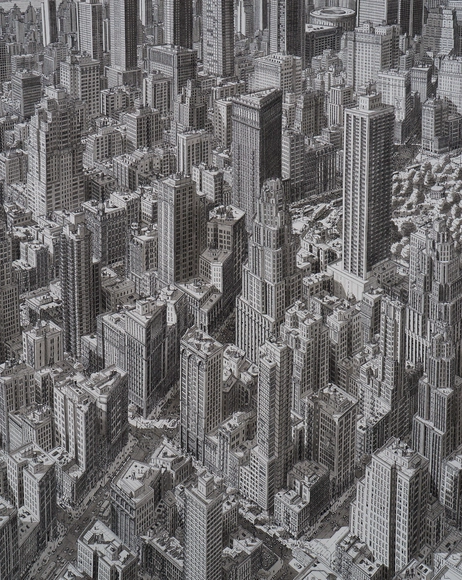
Over the past few years, Netherlands-based artist Stefan Bleekrode has been creating cityscape drawings from memory of cities across the globe. Basing his work on impressions from trips throughout Europe and North America, Bleekrode utilizes pen and ink with watercolor shading to bring urban landscapes to life.
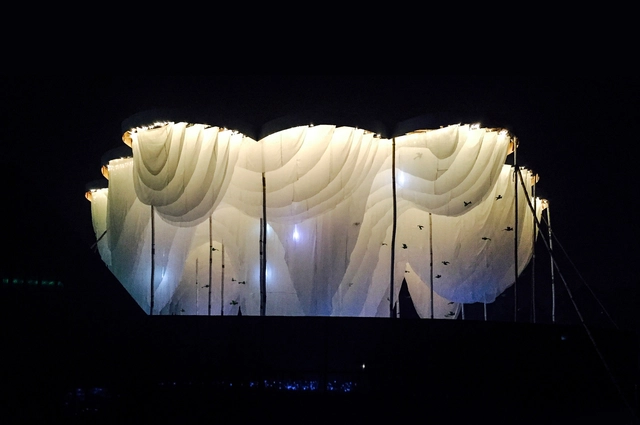
India based Abin Design Studio has designed and constructed a pavilion of canopies for a religious festival in West Kolkata. The design is based on the celebration of tribal life and the symbiotic relationship between the community and the forest. By highlighting the importance of the forest in their lives, the community hopes to raise awareness about conservation of the lands.
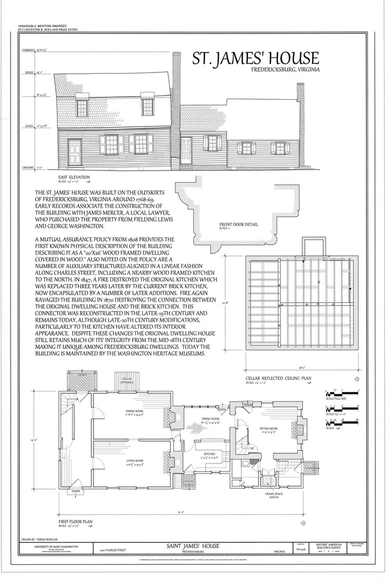
The St. James’ House in Fredericksburg, Virginia, by Teresa Boegler. Image via The Library of Congress
The Library of Congress has announced the winners of the 2015 Holland Prize, which recognizes the best single-sheet, measured drawing of a historic building, site, or structure, completed to the standards of the Historic American Building Survey (HABS), Historic American Engineering Record (HAER), or the Historic American Landscapes Survey (HALS).
Brooklyn-based artist and designer Ekene Ijeoma has created Wage Islands, an interactive art piece that “expands New York City’s ‘tale of two cities’ by revealing the geographies of access to housing based on wages.”
In the project, a 3D map of the city is submerged in a box filled with black water, showing only the parts of the city that have affordable housing based on a wage of $8.75 and median monthly housing costs from $271 to $4001. Viewers press a button, which increases the wage on the display up to $77, concurrently raising the map out of the water to highlight the severity of the wage gap in relation to housing.
Render by Luxigon. Image Courtesy of Stewart Hollenstein
Sydney-based firm Stewart Hollenstein has been awarded an Honorable Mention in the international design competition for a new 17,000 square-meter library in Varna, Bulgaria. Their design scheme focuses on Varna's rich history as a city known for its public gardens, and seeks to make the library a cultural center of the city.
Despite often designing homes larger than 15,000 square feet for their clients, Houston-based design team Mark Schatz and Anne Eamon have designed and built a 980 square-foot house for their family of four. The couple designed and built the home largely on their own, out of leftover materials collected from projects their firm has worked on over the past few years.
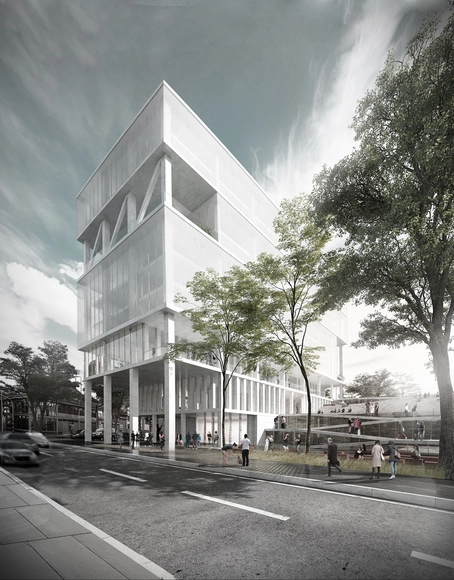
MOBO Architects has won the Colombian Society of Architects’ (SCA) public competition to design an institutional building for the department for social integration in the city of Bogotá.



_credit_Sergio_Grazia.jpg?1454275551&format=webp&width=640&height=580)