1. ArchDaily
  2. Aluminum Cladding

Aluminum Cladding: The Latest Architecture and News

Single-Skin Metal Panels vs. Extruded Aluminum Panels: Which Is Best for Your Project?

 | Sponsored Content

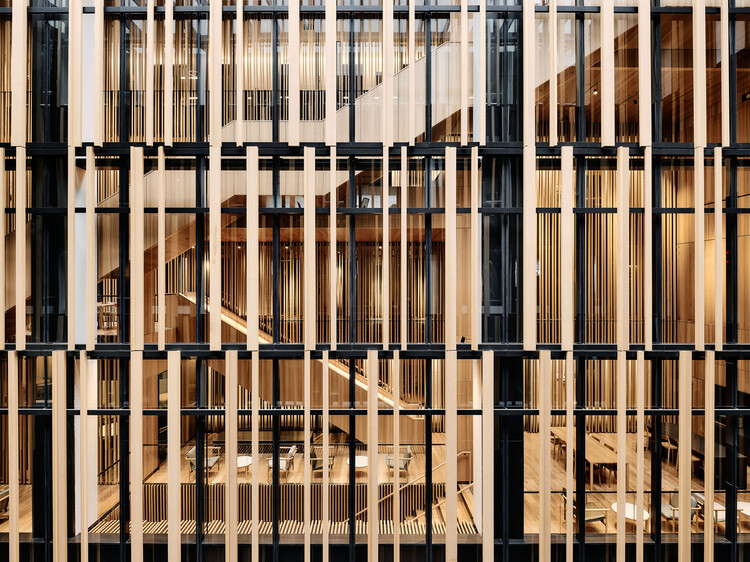
For architects and specifiers, selecting the right cladding system is both a technical and creative act, connecting material science with architectural intent. More than simple visual envelopes, façades today are high-performance systems that balance protection, insulation, and expression. As the first barrier between exterior and interior, the right cladding system can define how a building behaves and ages over time, affecting its thermal comfort, acoustic performance, fire safety, and overall durability.

Among the most commonly used façade materials are wood, metal sheets, composites, and aluminum systems. Within this range, single-skin metal panels and extruded aluminum panels are particularly notable for their blend of strength, precision, and architectural appeal. While both benefit from aluminum's inherent lightness and corrosion resistance, they differ significantly in structural logic, performance characteristics, and ideal applications. Companies such as Parallel Architectural Products—specialized in extruded aluminum cladding systems and architectural finishes—have played an important role in advancing these technologies, combining precision engineering, aesthetic flexibility, and local manufacturing.

Colored Aluminium Struts for Paris’s Newest Skyscraper

 | Sponsored Content

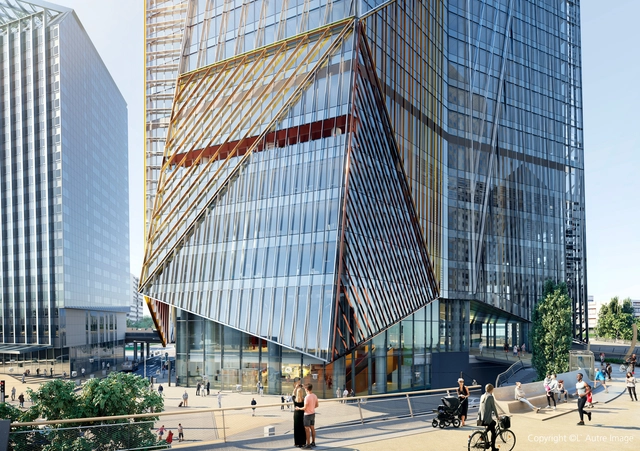
Overtaking the Tour First skyscraper, the 48-story, 220-meter HEKLA Tower will be the tallest building in Paris’s La Défense business district, as well as the second tallest building in all of France. Currently under construction and designed by Pritzker prize-winning Jean Nouvel, it is set to become a powerful architectural statement. Due to complete this 2022 in the midst of the sector’s redevelopment program, the futuristic skyscraper spreads over 76,000 sqm of floor area distributed in offices, services, lobbies, an amphitheater, projection rooms, performance halls, restaurants, bars, gyms and loggias. All of this with the aim of providing a unique user experience with vast, flexible workspaces that promote interaction and well-being.