1. ArchDaily
  2. Alemanha

Alemanha: The Latest Architecture and News

From Salt Factory to Art Museum: The Story Behind the Schaudepot in Essen, Germany

Subscriber Access | 

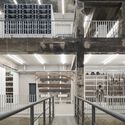
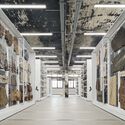
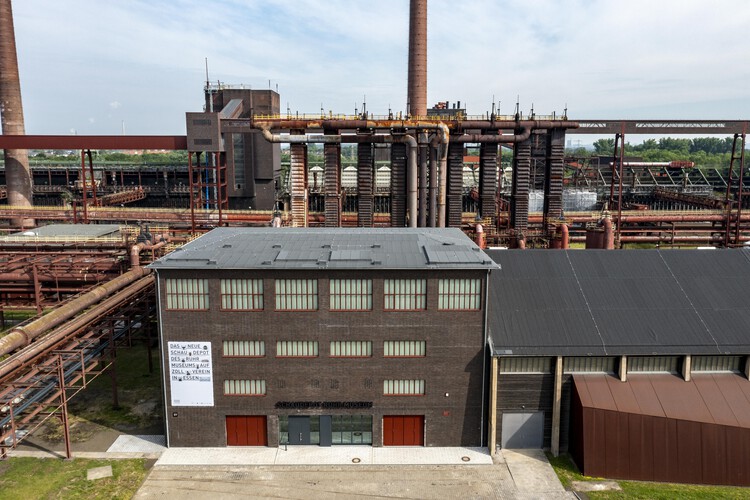
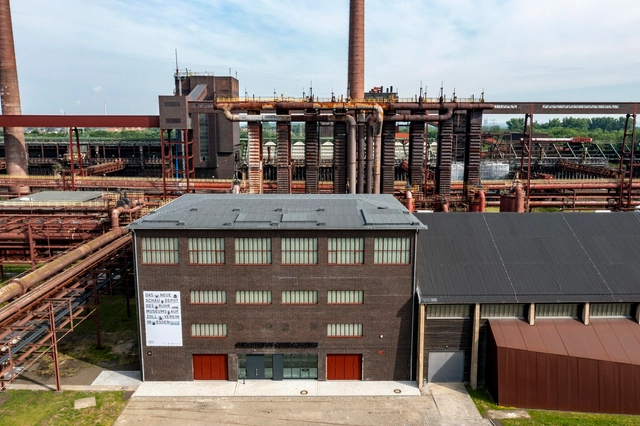
Once the largest coal mine in Europe, the Zollverein complex in Essen, Germany, has undergone a remarkable transformation over the past twenty-five years. What was once a landscape of abandoned industrial facilities is now a laboratory of contemporary architecture, featuring works by Rem Koolhaas, Norman Foster, and SANAA. Their interventions bridge the site’s industrial past with its imagined future. Spanning 100 hectares, the UNESCO World Heritage site has become a global model of adaptive reuse, redefining what it means to preserve industrial heritage. Within this context stands the Ruhr Museum and its enigmatic art repository, the Schaudepot. Located in the complex’s former salt factory, the museum impresses not only with its collection but also with its architecture, which transforms a 1960s industrial building into a vibrant cultural venue.

Because of its historical and architectural relevance, the project is featured in the 2025 edition of Open House Essen, under the theme “Future Heritage.” The initiative explores which spaces might shape our future architectural legacy and asks pressing questions: What should we preserve? What should we adapt? And how can we design a future that is both livable and fair?
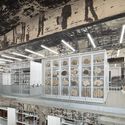
From Salt Factory to Art Museum: The Story Behind the Schaudepot in Essen, Germany - Imagem 1 de 4From Salt Factory to Art Museum: The Story Behind the Schaudepot in Essen, Germany - Imagem 2 de 4From Salt Factory to Art Museum: The Story Behind the Schaudepot in Essen, Germany - Imagem 3 de 4From Salt Factory to Art Museum: The Story Behind the Schaudepot in Essen, Germany - Imagem 4 de 4From Salt Factory to Art Museum: The Story Behind the Schaudepot in Essen, Germany - More Images+ 14

Exploring Timber and Glass in 11 Contemporary Architectural Designs

Subscriber Access | 

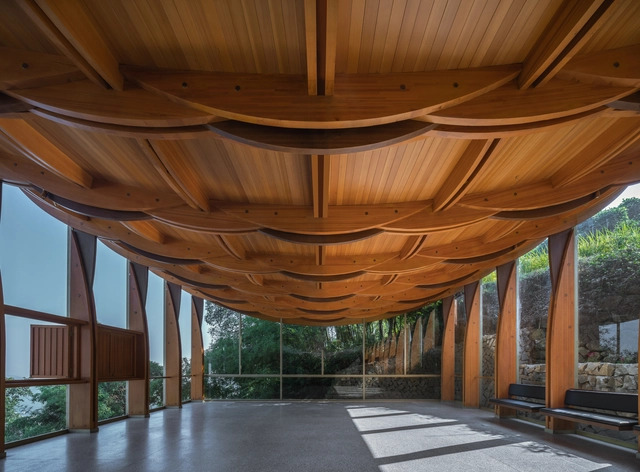
Some materials change the course of architecture from the moment they begin to be employed. The initial materials used in construction certainly did so: clay, stone, and wood. The ability to build is the origin of the discipline. With technological development, techniques were also refined, and in the 19th century, industrialization spread the use of other materials, transforming and expanding the realm of construction: iron and glass.

Exploring Timber and Glass in 11 Contemporary Architectural Designs - Image 1 of 4Exploring Timber and Glass in 11 Contemporary Architectural Designs - Image 2 of 4Exploring Timber and Glass in 11 Contemporary Architectural Designs - Image 3 of 4Exploring Timber and Glass in 11 Contemporary Architectural Designs - Image 4 of 4Exploring Timber and Glass in 11 Contemporary Architectural Designs - More Images+ 9