


-
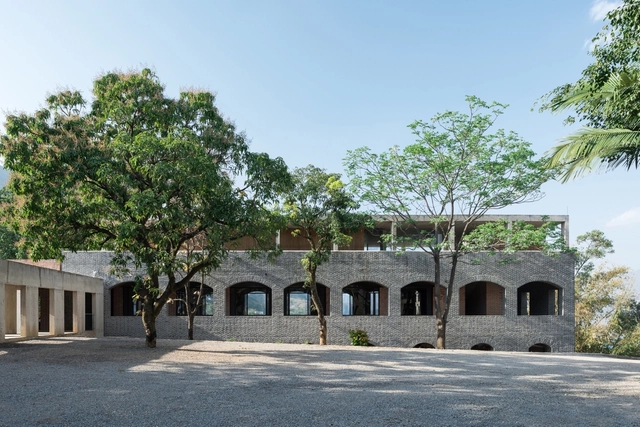
Architects: Studio Zhu-Pei
- Area: 30010 m²
- Year: 2019
-
Manufacturers: Anhui Huacheng Concrete Co., Shandong Jinxiang Aluminum Co., Wuxi Yaopi Glass Engineering Co.
-
Professionals: ShengWo Construction Group Co.LTD


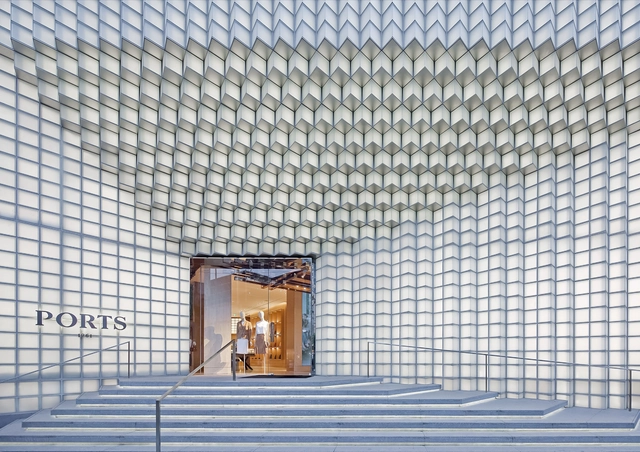
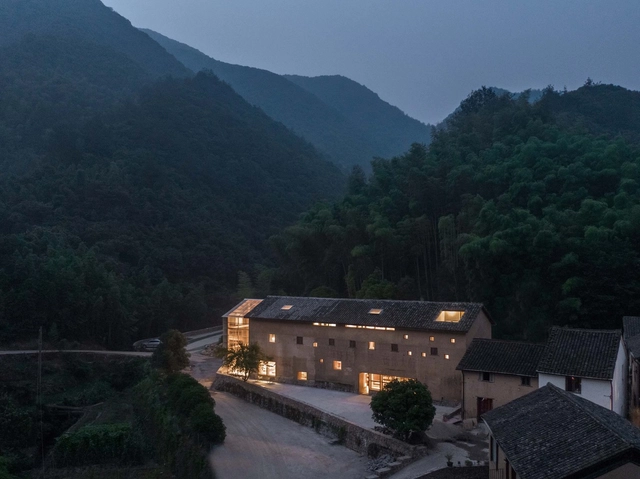
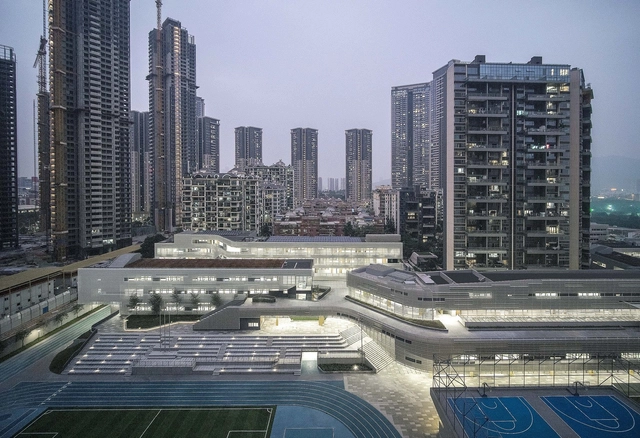
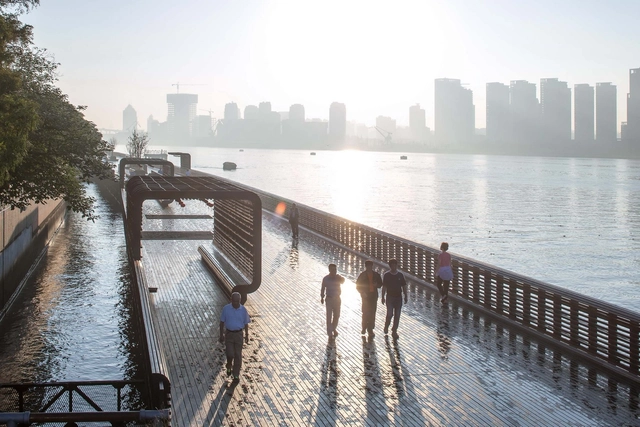
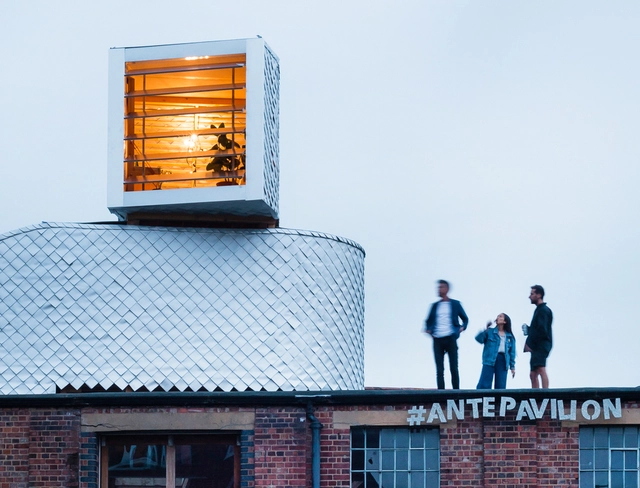
When we talk about roofs or fifth facades it is already a classic to think about green roofs. In reality, there is a wide range of uses and possibilities that materialize in different ways depending on the specific technical needs of each roof as well as the spatial and climatic possibilities of each location. The roofs can also be favourable spaces to develop structures, extensions, recreational areas and interactive spaces. It could even play a key role in the integration of a building with the landscape.

.jpg?1564063348&format=webp&width=640&height=580)
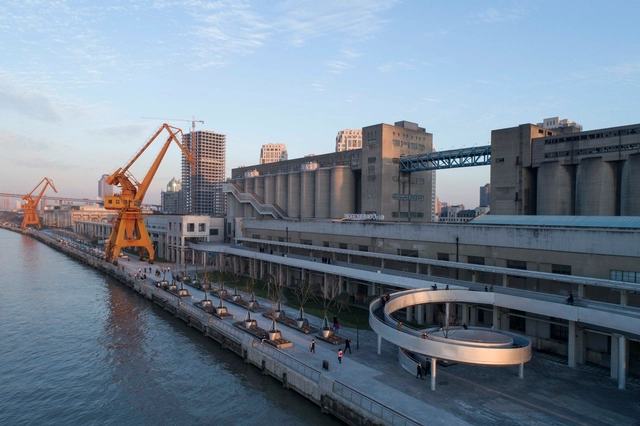
When architecture has been evolving within the context of “Chinese characteristics”, Shanghai as one of the national creative centers provides us with a glimpse of the transformations and the prospects of Chinese contemporary architecture. Based in Shanghai, architect Liu Yuyang, who was born in Taiwan and grew up in America, has conceived his personal architectural approach with the multicultural background and shared his visions with others by a number of built projects. In the following excerpt from a conversation between Liu Yuyang and the author, he talks about his design philosophy, origins of the practice, the attitude to the profession, and more.
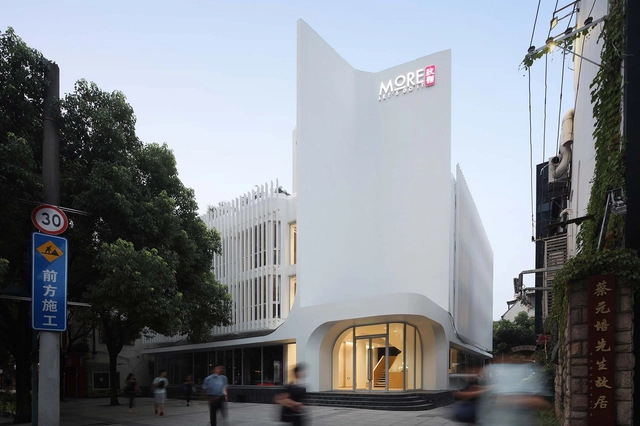

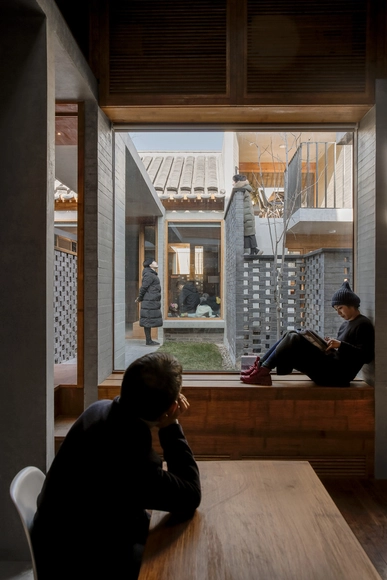
China seems to be at the peak of a refurbishment fever. Not only hutongs in historic downtowns, but abandoned industrial factories are becoming new tech or cultural hubs, and even buildings in the risk of collapse are refurbished to extend their lifespan. Why is this happening? Who is investing? How could this happen in a country where you cannot buy properties?
In this edition of Editor's Talk, our editors from ArchDaily China share their thoughts on how in a fast-paced development process, such as the one China is going through, there is a refurbishment fever in its biggest cities.
.jpg?1560085088)
_Shengliang_Su.jpg?1558343146&format=webp&width=640&height=580)


.jpg?1581344881&format=webp&width=640&height=580)
.jpg?1571746384&format=webp&width=230&height=230&crop=true)
.jpg?1571746504&format=webp&width=230&height=230&crop=true)
_shengliang.jpg?1571745876&format=webp&width=230&height=230&crop=true)
_shengliang.jpg?1571745834&format=webp&width=230&height=230&crop=true)
.jpg?1581344881)


.jpg?1576673814&format=webp&width=230&height=230&crop=true)


.jpg?1563797563&format=webp&width=230&height=230&crop=true)
.jpg?1563797419&format=webp&width=230&height=230&crop=true)
.jpg?1563797299&format=webp&width=230&height=230&crop=true)
.jpg?1563797738&format=webp&width=230&height=230&crop=true)
.jpg?1564063348)


灯光艺术设计有限公司2.jpg?1562243856&format=webp&width=230&height=230&crop=true)


.jpg?1560085099&format=webp&width=230&height=230&crop=true)
.jpg?1560085217&format=webp&width=230&height=230&crop=true)
.jpg?1560085172&format=webp&width=230&height=230&crop=true)
.jpg?1560185816)
_Shengliang_Su.jpg?1558344151&format=webp&width=230&height=230&crop=true)
_Shengliang_Su.jpg?1558343683&format=webp&width=230&height=230&crop=true)
_Shengliang_Su.jpg?1558343579&format=webp&width=230&height=230&crop=true)
_Shengliang_Su.jpg?1558344437&format=webp&width=230&height=230&crop=true)
_Shengliang_Su.jpg?1558343146)


