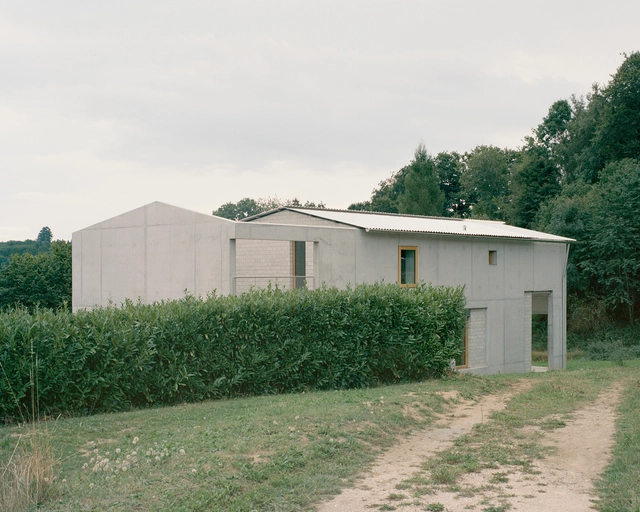


-
Architects: Deschenaux Architects
- Area: 249 m²
- Year: 2022
-
Manufacturers: Aebischer AG, Menuiserie Piccand, PORTES BRODARD, Papaux Constructions
-
Professionals: Gex & Dorthe ingénieurs
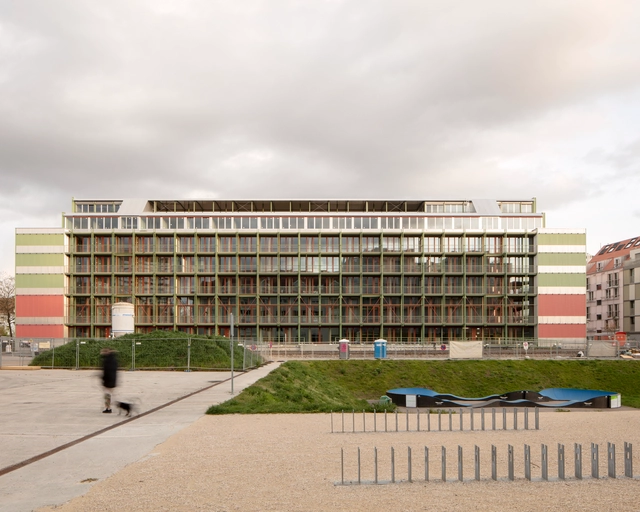
The ArchDaily projects library is managed by our curators who constantly seek to populate our stream with the most interesting global works, showcasing evolving focuses and criteria. While we usually share our reader’s top 100 favorites, this year, we also decided to initiate our editor’s picks on the ArchDaily Instagram account, where our curators highlight some projects that include interesting themes and unique traits.

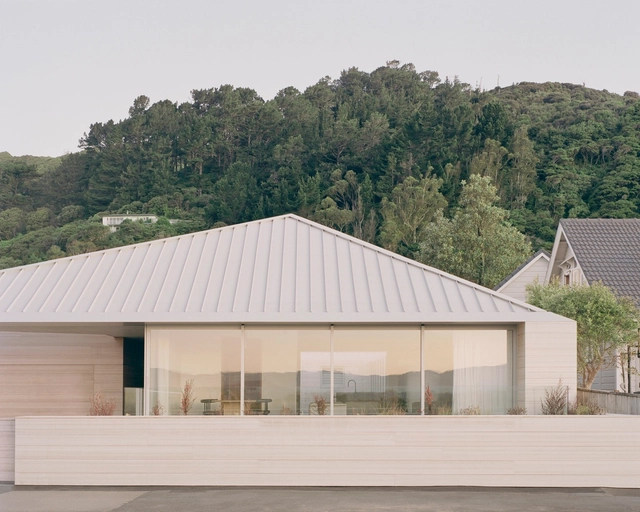
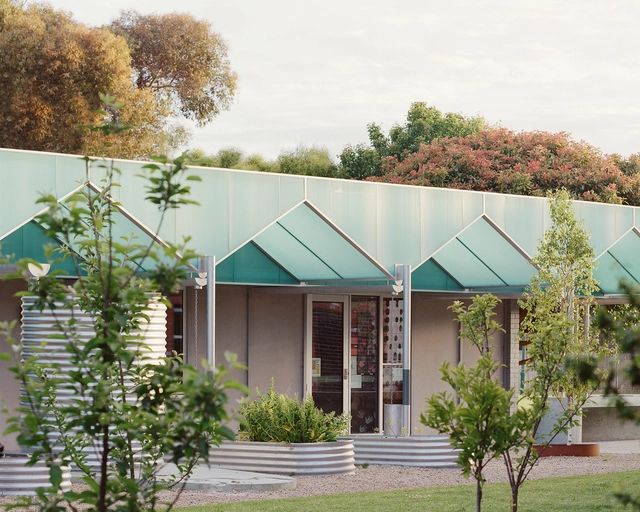

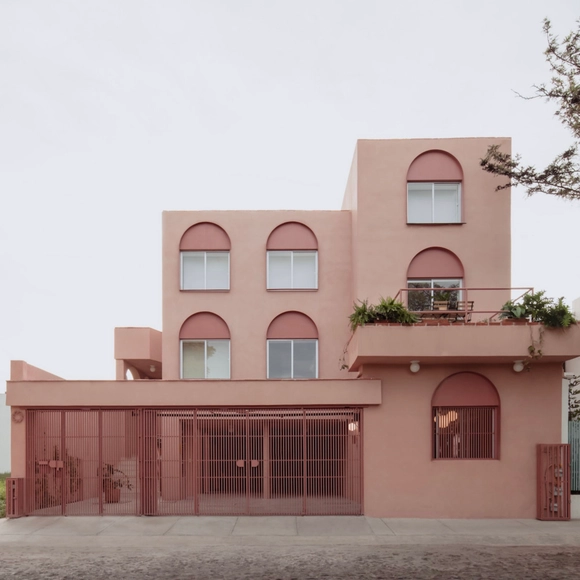
One way to employ color is through monochrome, a design technique that involves using a single tone or color in a space. In architecture, monochrome is a powerful tool where different shades can be created through the play of lights and shadows, generating spaces that offer unique experiences to their inhabitants.
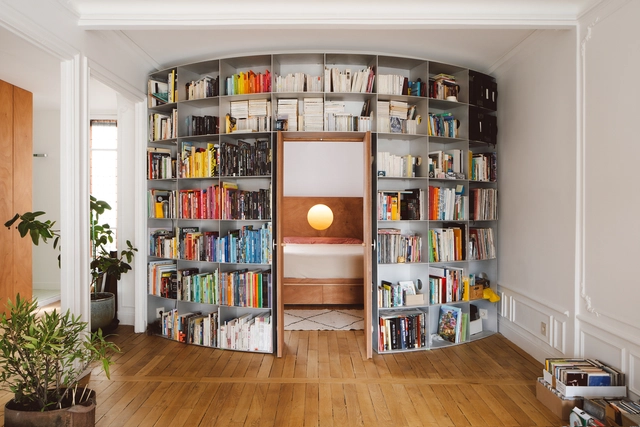
Circles, as a fundamental geometric shape, possess a captivating and harmonious quality that has been seamlessly integrated into architecture and design across various eras and styles. From subtle accents to bold focal points, the use of circles in interior design transcends mere ornamentation, often symbolizing continuity, connection, and a soothing visual rhythm. With their endless and unbroken curves, they offer a sense of unity, movement, and balance that can transform spaces into inviting and aesthetically pleasing environments – an effect especially useful for interior design. In this article, we take a look at 27 projects from our ArchDaily database that illustrate circular forms in interiors across the globe.
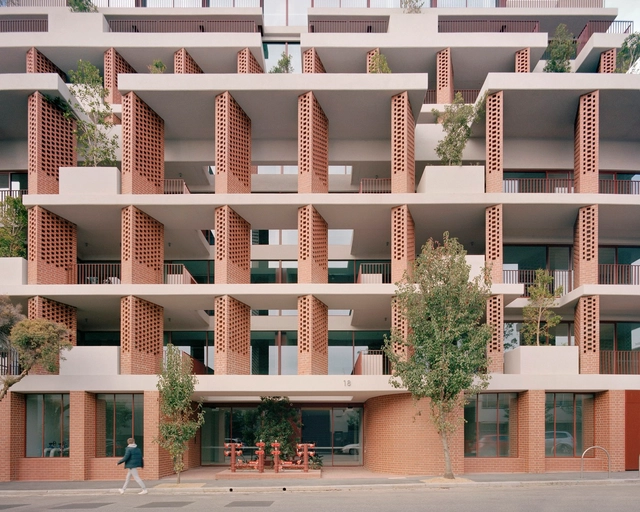
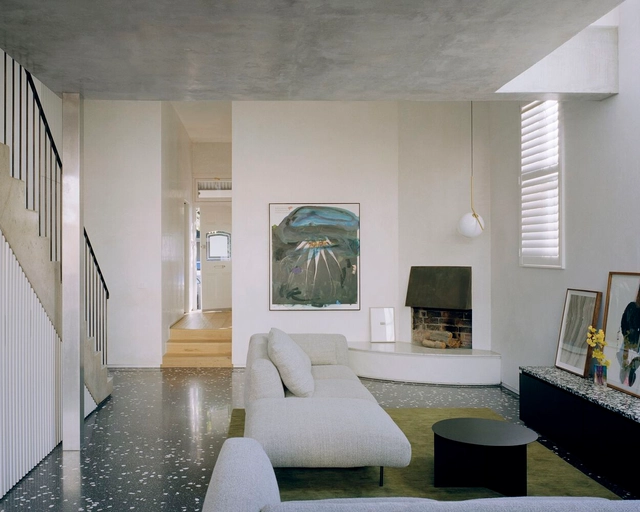
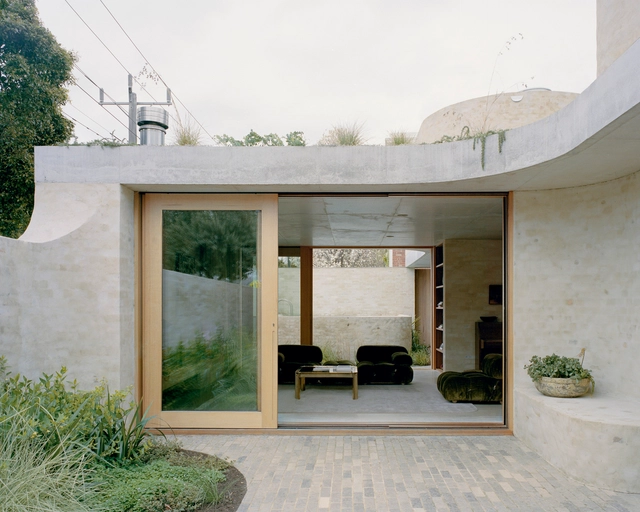

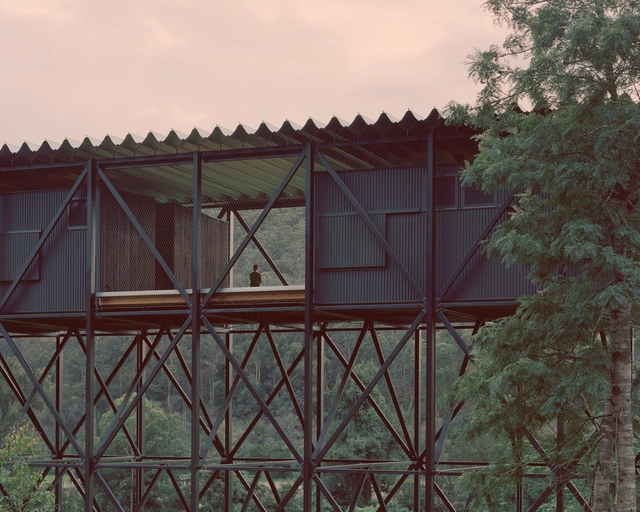
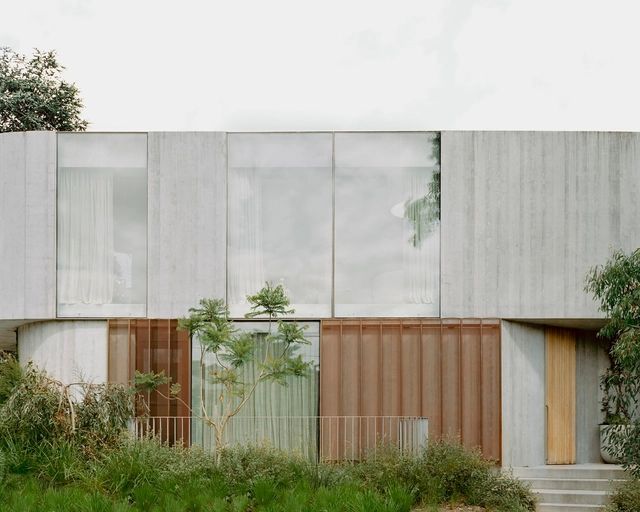
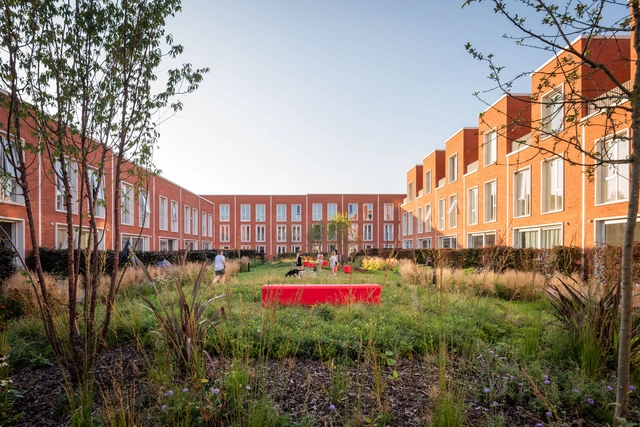
The Royal Institute of British Architects (RIBA) has announced the 30 winners of the 2023 RIBA National Awards for Architecture, providing an insight into the country’s architecture, design, and social trends. Among the key themes observed this year, the need to rebuild communities and to find sustainable ways of practicing stand out as the main concerns of the participant architects. The response to these themes is varied, ranging from buildings that aim to offer opportunities for collaboration for students to creating stimulating social spaces for the elderly or providing creative programs at a neighborhood scale. All the projects selected have been in use for at least one year and have provided data regarding their environmental performance. Examples of sustainable design include both new buildings, following the Passivhaus certification, and renovation of existing structures.