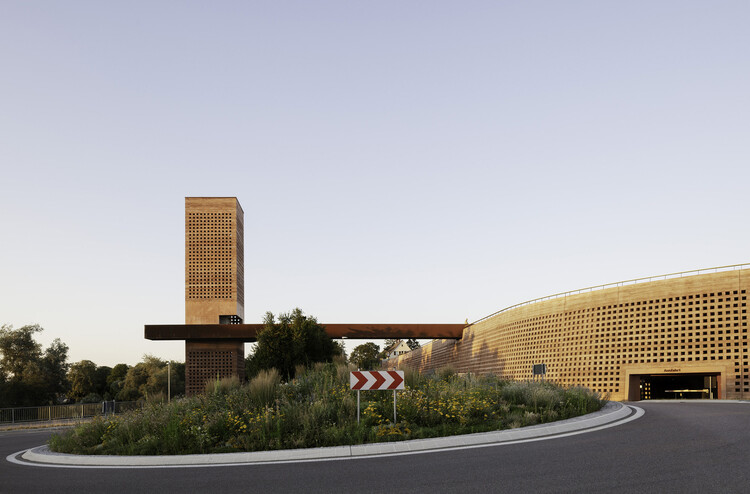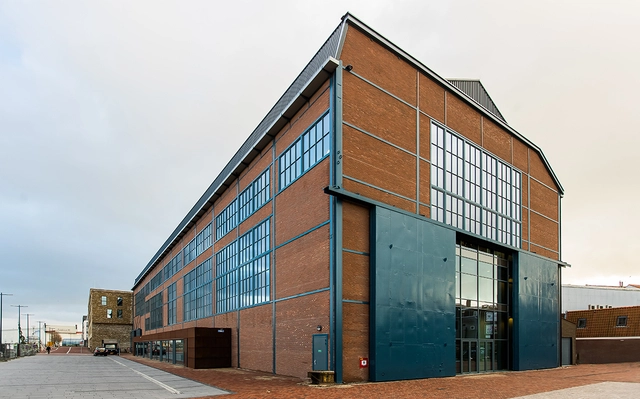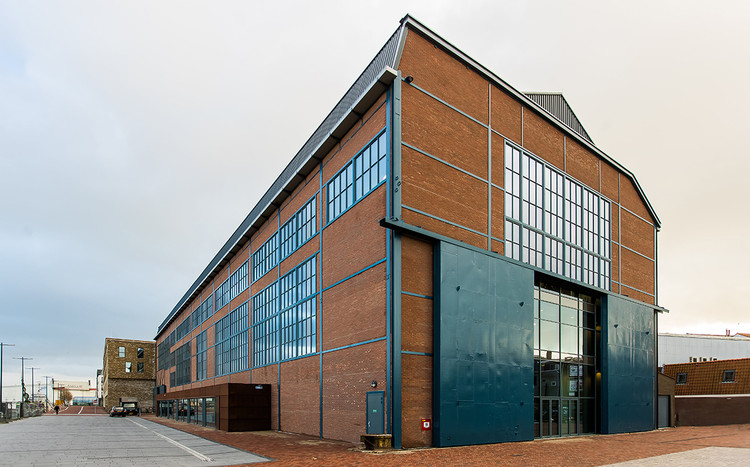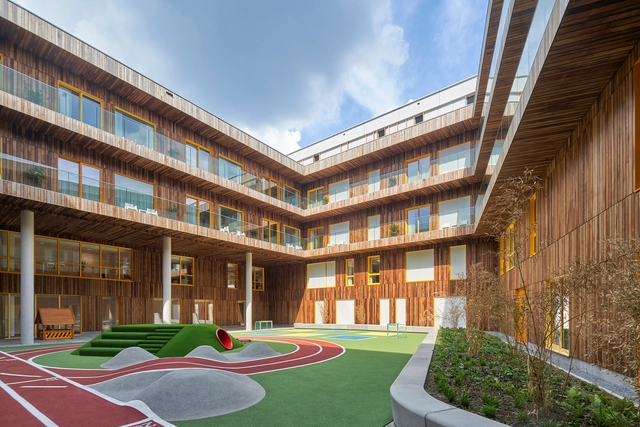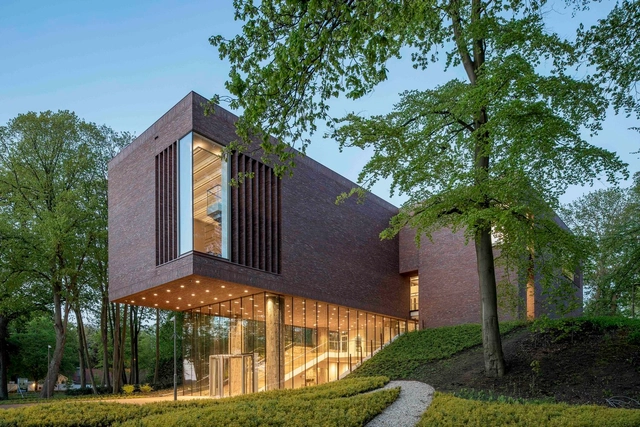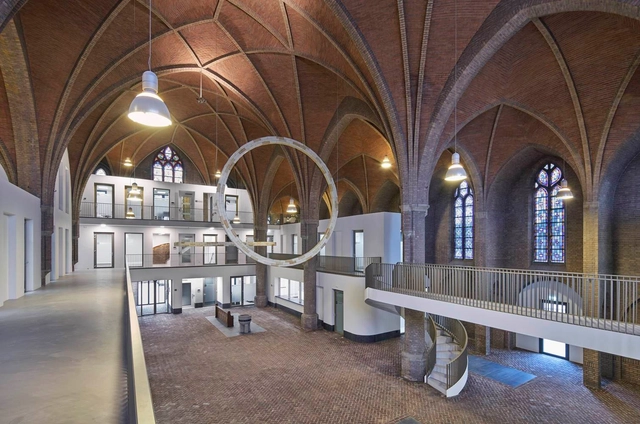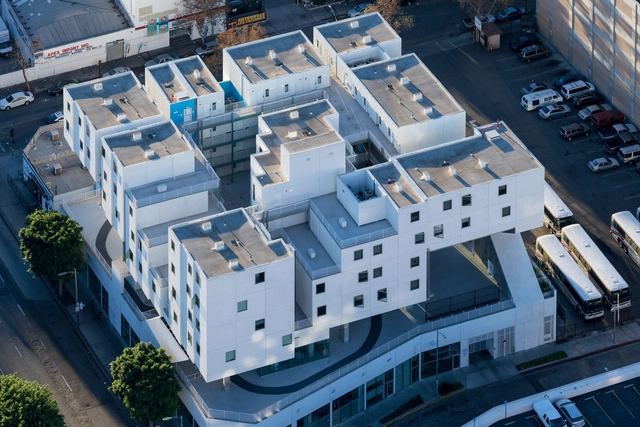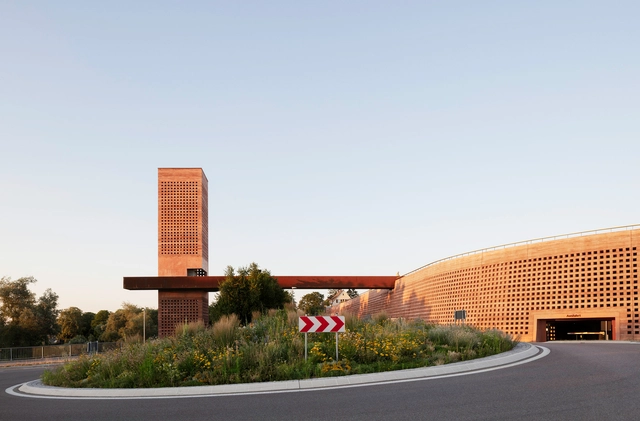
Areal am Kronenrain / MONO Architekten. Image Courtesy of Gregor Schmidt
Marginalized in architectural discourse and often dismissed as purely functional, parking garages remain among the most ubiquitous structures in the urban landscape. Designed to accommodate the needs of private vehicles, they occupy central locations, shape skylines, and consume considerable resources, yet rarely receive the same attention — or architectural care — as cultural institutions, schools, or housing. Despite their prevalence, these buildings tend to fade into the background of daily life, treated as infrastructural necessities rather than as design opportunities.
This is beginning to change. As urban mobility undergoes profound transformations — from the decline of car ownership to the rise of electric vehicles and shared transport systems — the role of parking infrastructure is being redefined. Architects and planners are reimagining garages as adaptable frameworks that integrate public space, ecological functions, and mixed-use programs. These new approaches challenge the perception of parking as a residual typology and instead position it as a civic structure with the potential to support more inclusive, flexible, and sustainable urban models.
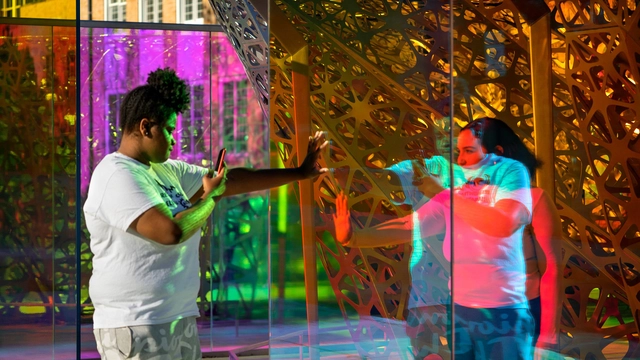
The most important part of children's education happens in the playground, instead of in the classroom. Despite this, many times we find huge empty school playgrounds.
Due to its importance and meaning, many schools and educational institutions have broken traditional paradigms and have opted to explore new possibilities. We have selected innovative examples, in which, through the use of specially designed equipment, strident colors and a variety of textures, they allow recreation areas to promote exchange, learning, and discovery.
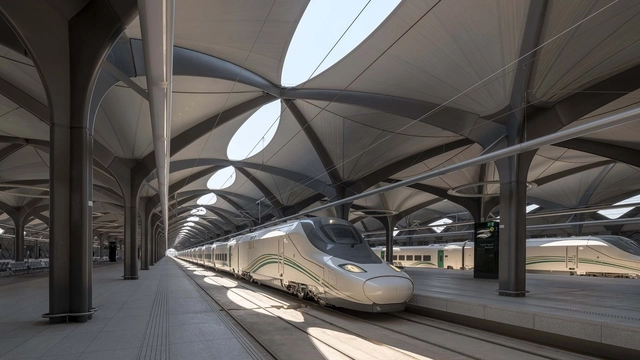
Train stations are usually complex programs since they must not only solve the departure and arrival of trains but also respond to the circulation of its users, provide certain services and be a connecting space between the transport systems of a city. Architects from different parts of the world have developed different solutions to this program. Below you can find 10 examples of train stations, their floor plans and sections.
Although all windows have common functions such as allowing the passage of light, providing ventilation, and focusing the different views, these objectives can be enhanced through a series of useful options. Depending on the orientation of the building, climatic conditions, direction of the wind, and architectural point of view, each specific window model can make a difference within a project, improving usability and the spatial and environmental quality of each room.
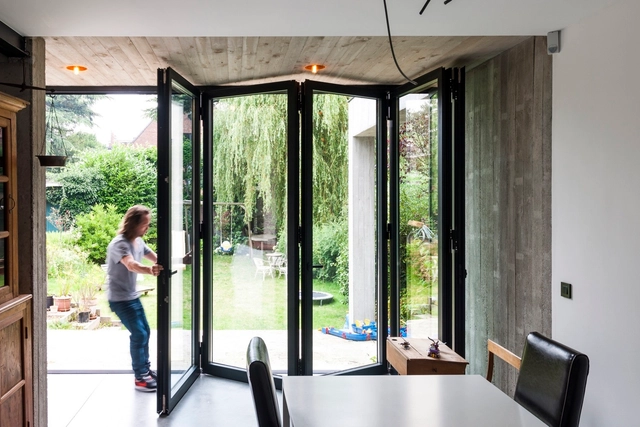
Below, we present types of windows that can be found in today's homes, specifically in 11 projects previously published on our site.
Zumtobel Group has announced the 2017 winners of its Zumtobel Group Awards for architecture, which rewards the year's innovations which best promote "sustainability and humanity in the built environment." Leading the awards is Los Angeles-based firm Michael Maltzan Architecture whose Star Apartments project, which provides 102 homes for previously homeless individuals in LA, was awarded the prize in Zumtobel Group's Buildings category. Also winning prizes were UNStudio, Atelier TeamMinus, and Arturo Vittori. Read on for more details and the full list of winners and honorable mentions.
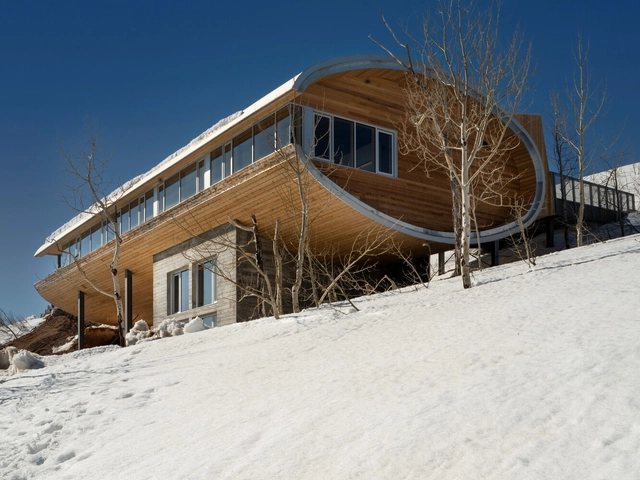
We are accustomed to seeing photographs in which architecture is recorded without any occupants, or perhaps captured only with models who give scale to the spaces shown. However, in recent years architectural photographers have increasingly decided to humanize the houses they document, presenting not only their architecture, but also those who inhabit these buildings. In this week's best photos, we present a selection of 15 houses captured by renowned photographers such as Luc Roymans, Adrien Williams and Fernando Schapochnik.