A successful interior design must be paired with a proper lighting design. It is responsible for ensuring that the quantity and wattage of the bulbs are suited to the space based on its dimensions and use.
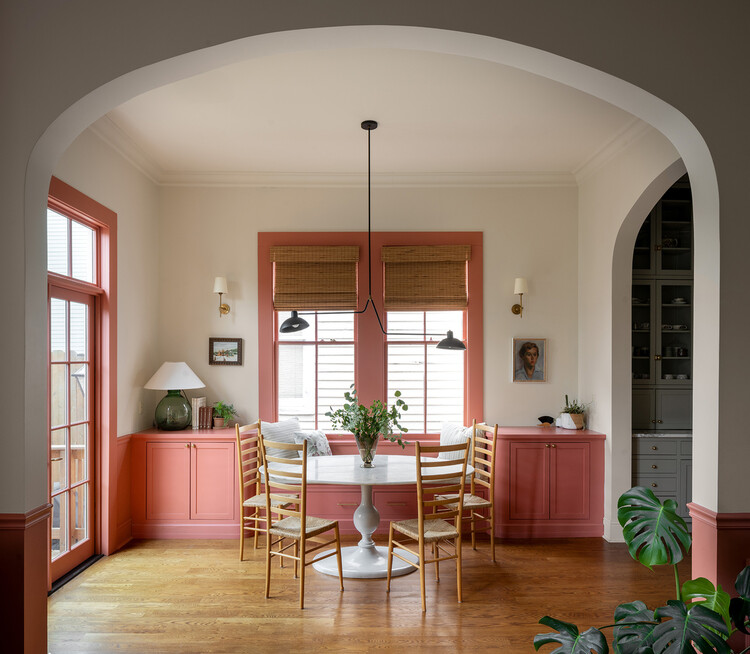
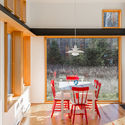
Breakfast nooks emerged in the early twentieth century in response to increasing domestic density and shifting ideas about everyday life. Rooted in the American Arts and Crafts movement and popularized through bungalow housing of the 1910s and 1920s, they evolved from the more formal Victorian breakfast room into compact, built-in spaces embedded within the kitchen. As houses grew smaller and more economical, architects and millwork companies used fixed benches and tables to occupy corners, alcoves, and bay windows that might otherwise be inefficient. These light-filled enclosures provided an affordable means of concentrating daily activities while preserving comfort and spatial clarity.
Have you ever asked yourself this question? At first, it may seem strange to imagine that we have not always had windows in our buildings, let alone that they were sealed with a transparent material capable of allowing natural light into dark rooms or creating a barrier against the cold: glass.


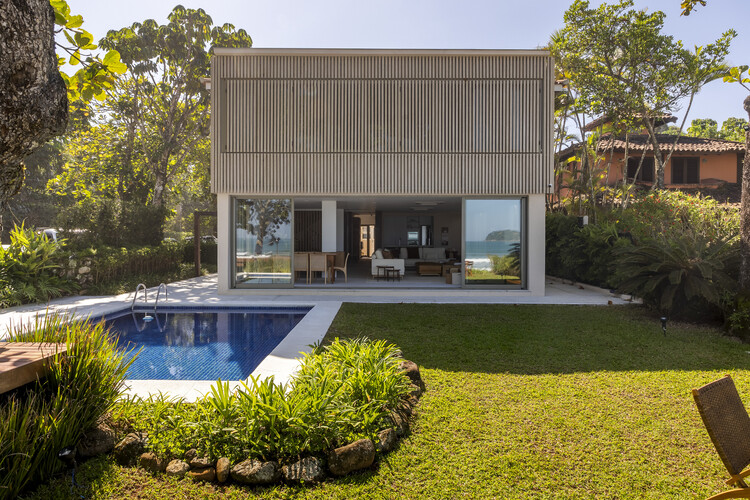
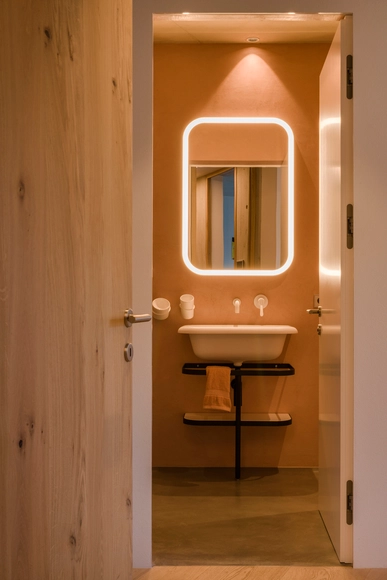


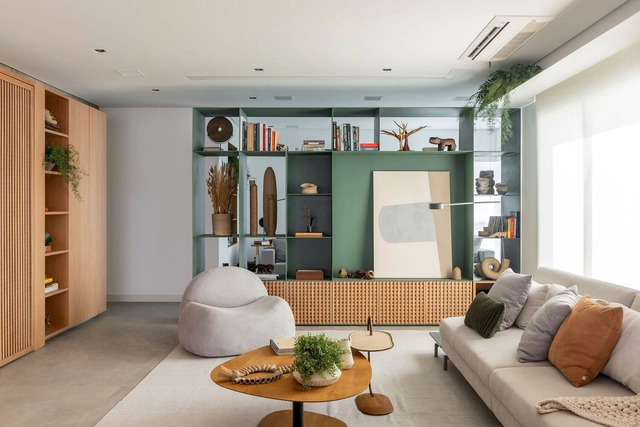
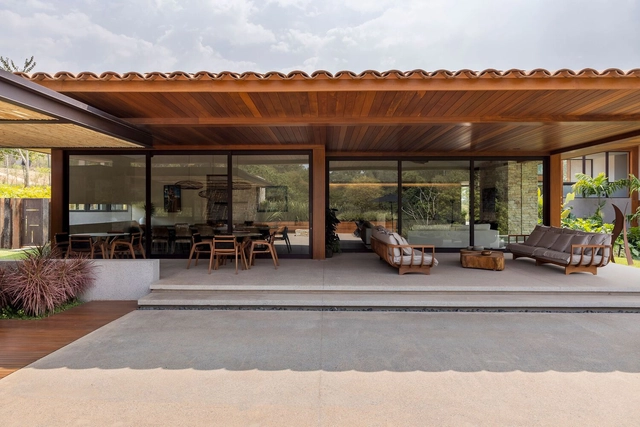
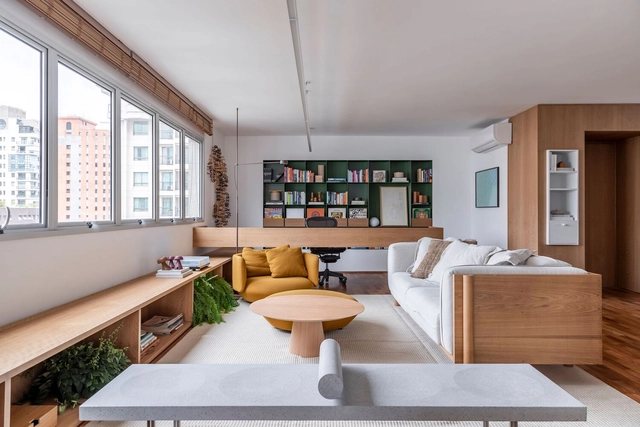
-44_(1).jpg?1607537889&format=webp&width=640&height=580)
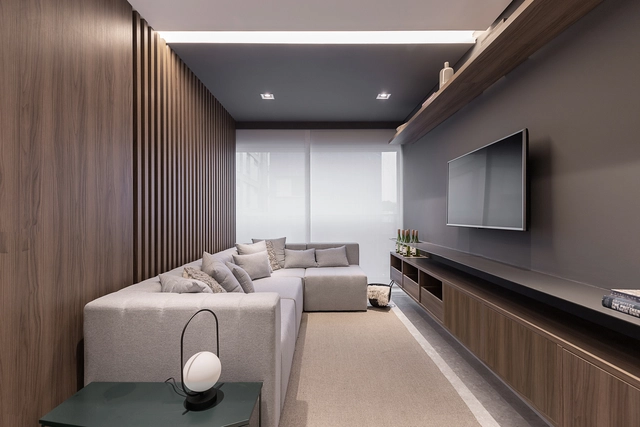
-18.jpg?1607537734&format=webp&width=640&height=580)
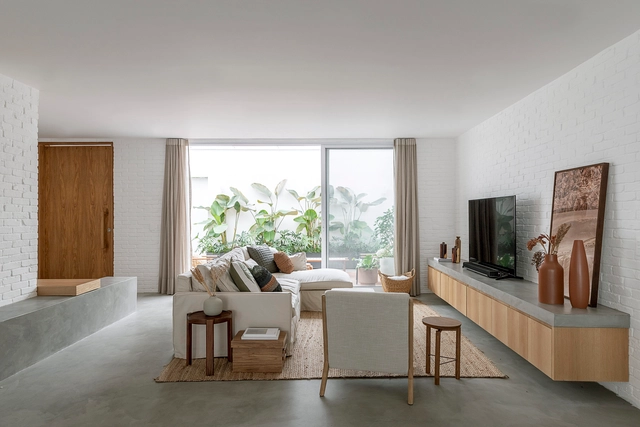
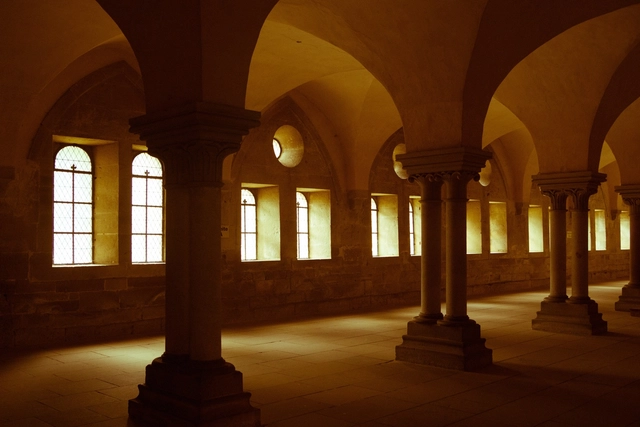
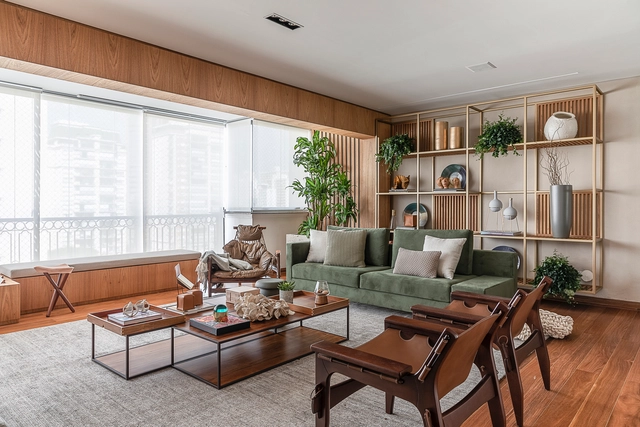
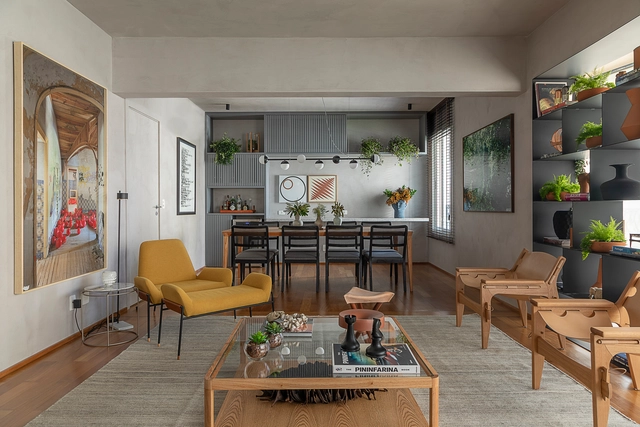
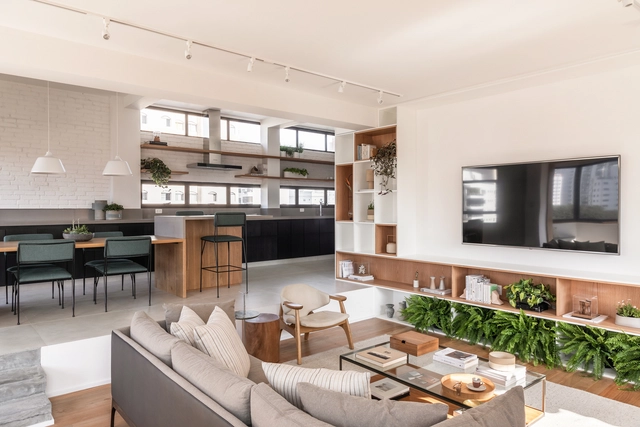


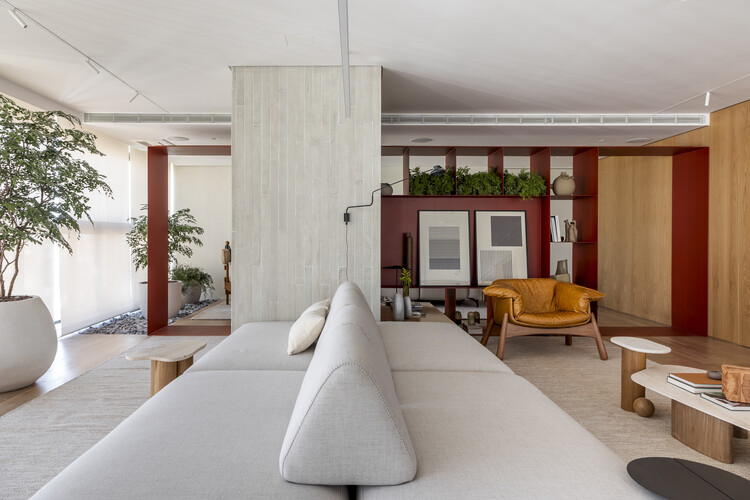






-38.jpg?1607537692&format=webp&width=230&height=230&crop=true)
-81.jpg?1607538204&format=webp&width=230&height=230&crop=true)
-28.jpg?1607535645&format=webp&width=230&height=230&crop=true)
-3.jpg?1607535170&format=webp&width=230&height=230&crop=true)
-44_(1).jpg?1607537889)
-10_copy.jpg?1607537813&format=webp&width=230&height=230&crop=true)
-46.jpg?1607534719&format=webp&width=230&height=230&crop=true)
-42.jpg?1607534181&format=webp&width=230&height=230&crop=true)
-29.jpg?1607534050&format=webp&width=230&height=230&crop=true)

-19.jpg?1607537612&format=webp&width=230&height=230&crop=true)
-12.jpg?1607535724&format=webp&width=230&height=230&crop=true)
-75.jpg?1607538514&format=webp&width=230&height=230&crop=true)
-24.jpg?1607537774&format=webp&width=230&height=230&crop=true)
-18.jpg?1607537734)
-68.jpg?1607028860&format=webp&width=230&height=230&crop=true)
-136.jpg?1607029635&format=webp&width=230&height=230&crop=true)
-75.jpg?1607028981&format=webp&width=230&height=230&crop=true)
-56.jpg?1607028775&format=webp&width=230&height=230&crop=true)

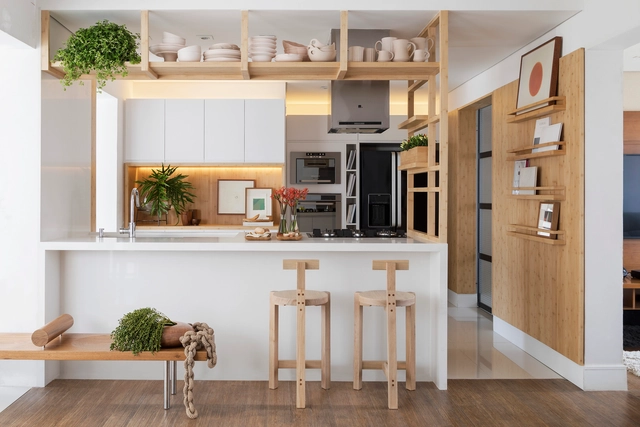
-1.jpg?1566566661 "Consolação Apartment / SOEK Arquitetura. Image © Rafael Renzo")

-53.jpg?1595628002&format=webp&width=230&height=230&crop=true)
-36.jpg?1595627923&format=webp&width=230&height=230&crop=true)
-26.jpg?1595627760&format=webp&width=230&height=230&crop=true)
-81.jpg?1595628123&format=webp&width=230&height=230&crop=true)

-15.jpg?1579910505&format=webp&width=230&height=230&crop=true)
-25.jpg?1579910618&format=webp&width=230&height=230&crop=true)
-40.jpg?1579910834&format=webp&width=230&height=230&crop=true)
-53.jpg?1579911091&format=webp&width=230&height=230&crop=true)

-1.jpg?1579014372&format=webp&width=230&height=230&crop=true)
-18.jpg?1579014949&format=webp&width=230&height=230&crop=true)
-41.jpg?1579015604&format=webp&width=230&height=230&crop=true)
-24.jpg?1579015281&format=webp&width=230&height=230&crop=true)

-3.jpg?1567087688&format=webp&width=230&height=230&crop=true)
-13.jpg?1567087810&format=webp&width=230&height=230&crop=true)
-21.jpg?1567087930&format=webp&width=230&height=230&crop=true)
-8.jpg?1567087748&format=webp&width=230&height=230&crop=true)
