
Five Architectural Practices Design "Record of Six Pavilions": "The Watchmen" of Shanghai Jiabei Country Park


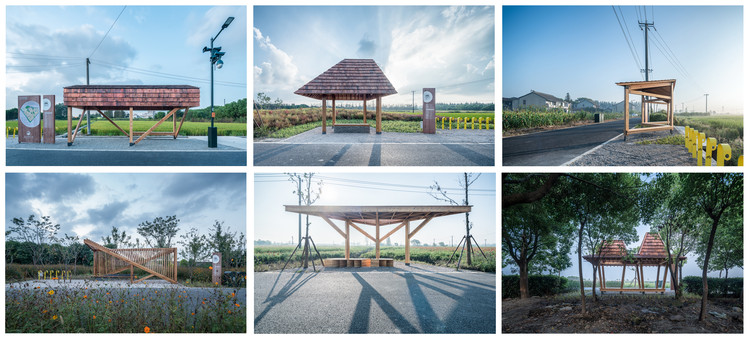
https://www.archdaily.com/1148397/five-architectural-practices-design-record-of-six-pavilions-the-watchmen-of-shanghai-jiabei-country-park韩爽 - HAN Shuang
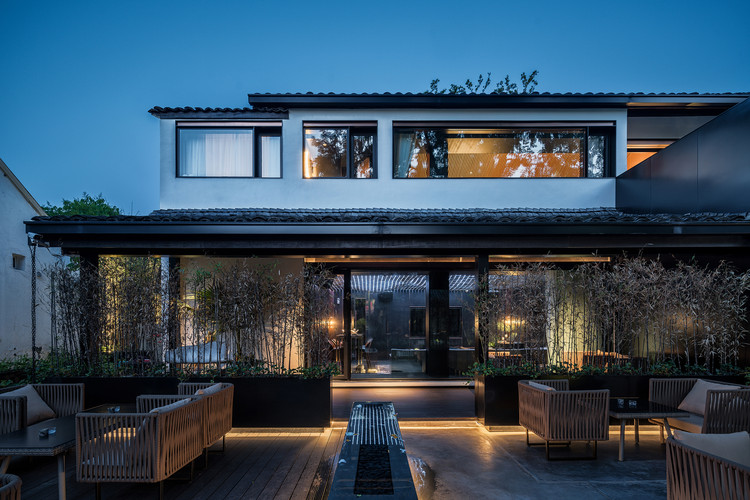
2100 Club / LYCS Architecture


-
Architects: LYCS Architecture
- Area: 400 m²
- Year: 2018
https://www.archdaily.com/1082968/2100-club-lycs-architecture舒岳康 - SHU Yuekang
Renewal Experiment of Chaiji Lane / TJAD + DCA


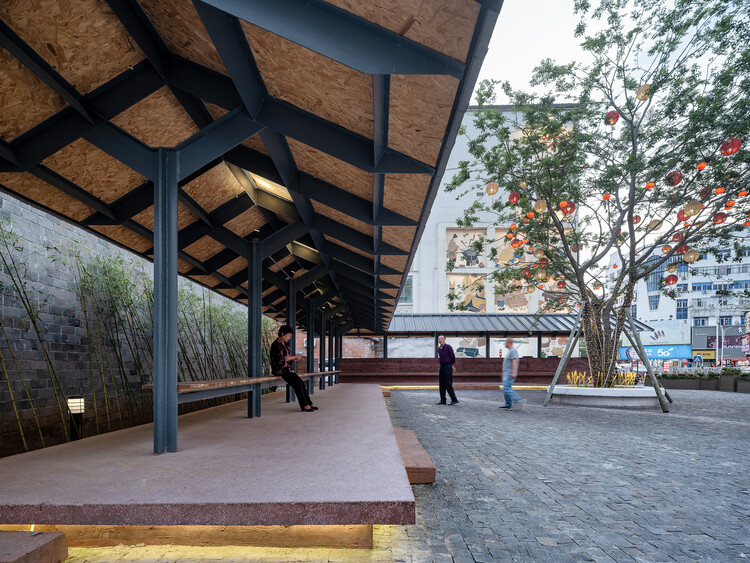
https://www.archdaily.com/1042068/renewal-experiment-of-chaiji-lane-tjad-plus-dcaPilar Caballero
Haining Natural Exhibition Center / Sens Architects


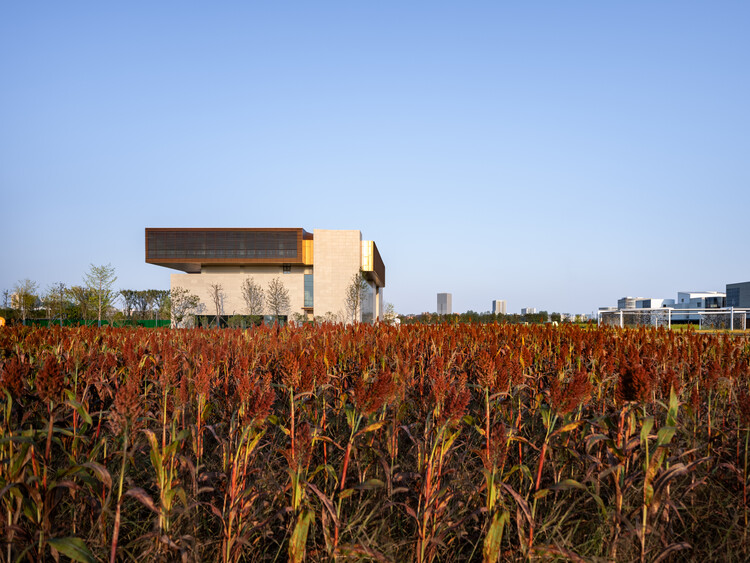
https://www.archdaily.com/1039575/haining-natural-exhibition-center-sens-architects韩爽 - HAN Shuang
Village Cinema / Atelier Guo


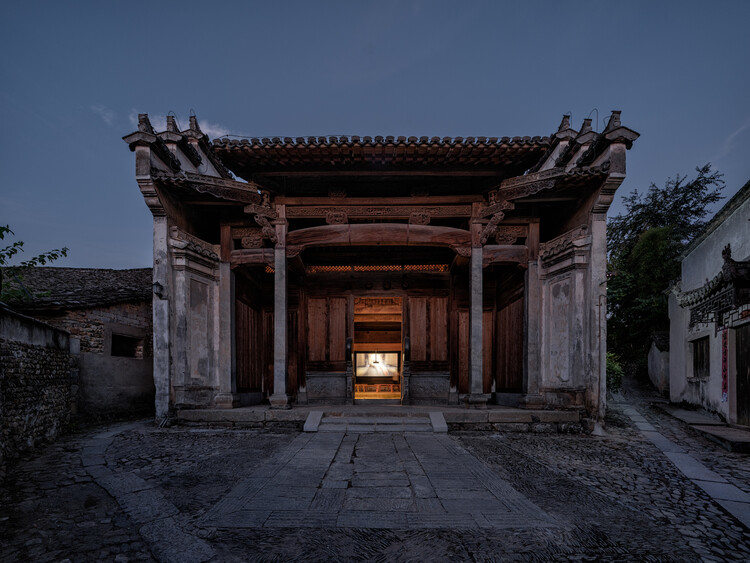
-
Architects: Atelier Guo
- Area: 323 m²
- Year: 2025
https://www.archdaily.com/1039021/village-cinema-atelier-guoValeria Silva
Heritage “Ay” Kiln Adaptive Renewal / YFS + WUGE Studio


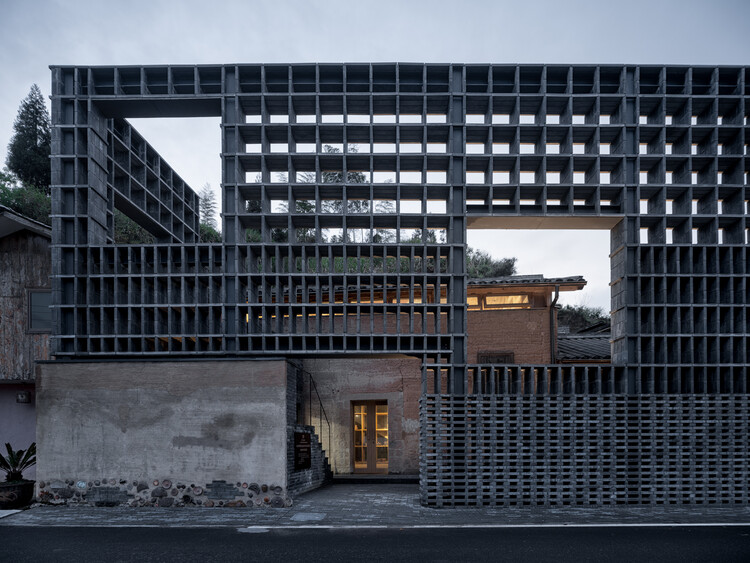
-
Architects: WUGE Studio, YFS
- Area: 778 m²
- Year: 2025
-
Professionals: iStructure
https://www.archdaily.com/1037870/heritage-ay-kiln-adaptive-renewal-yfs-plus-wuge-studioAndreas Luco
Xiao Feng Art Museum / ZAO/Zhang Ke Architecture Office
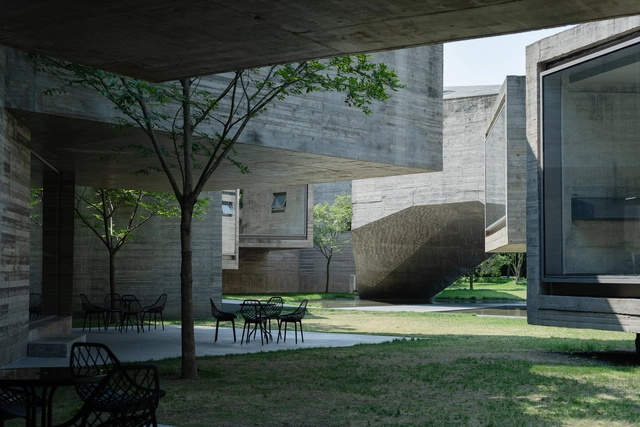


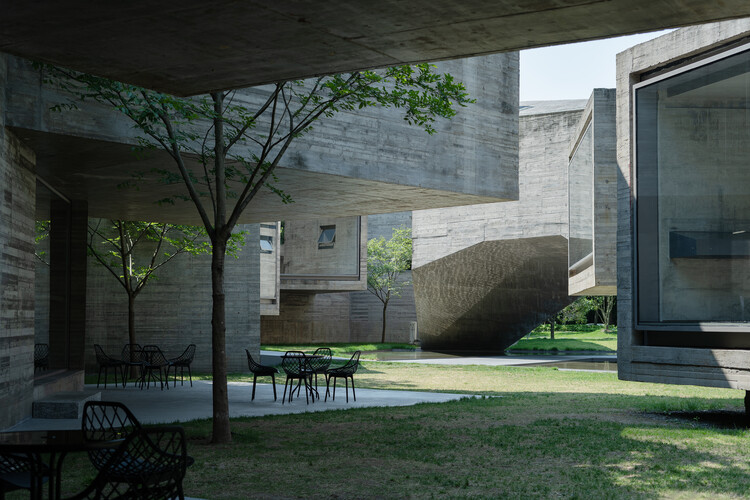
https://www.archdaily.com/1035415/xiao-feng-art-museum-zao-zhang-ke-architecture-office韩爽
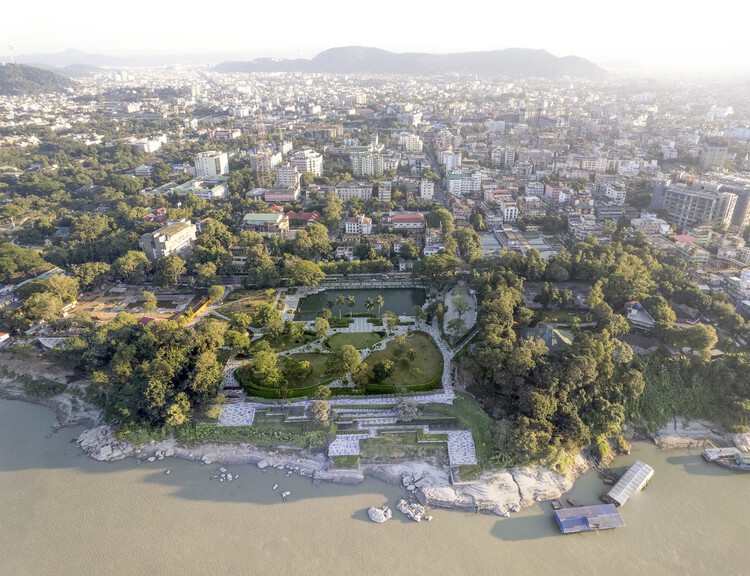
Shifting Sediments: Rivers as an Architectural and Cultural Catalyst

Rivers generate a distinct typology of architecture bound by design threads of material practice, environmental adaptation, cultural symbolism, and imagination. Each river system produces a unique ecosystem where water, soil, vegetation, and settlement converge to form a living network. Designing within this environment requires a capacity to read movement rather than resist it, to build on uncertain ground, and to understand permanence as a balance in motion. Unlike the fixed horizon of the sea, the river is never still. It teaches architects to think in gradients rather than boundaries, and to design as part of an evolving landscape.


https://www.archdaily.com/1035237/shifting-sediments-rivers-as-an-architectural-and-cultural-catalystOlivia Poston
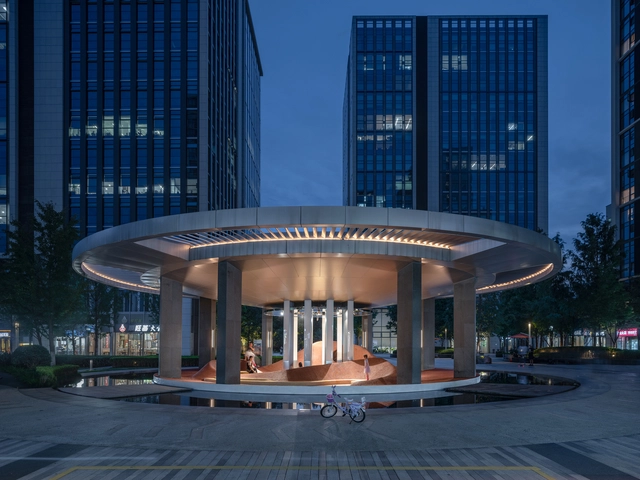
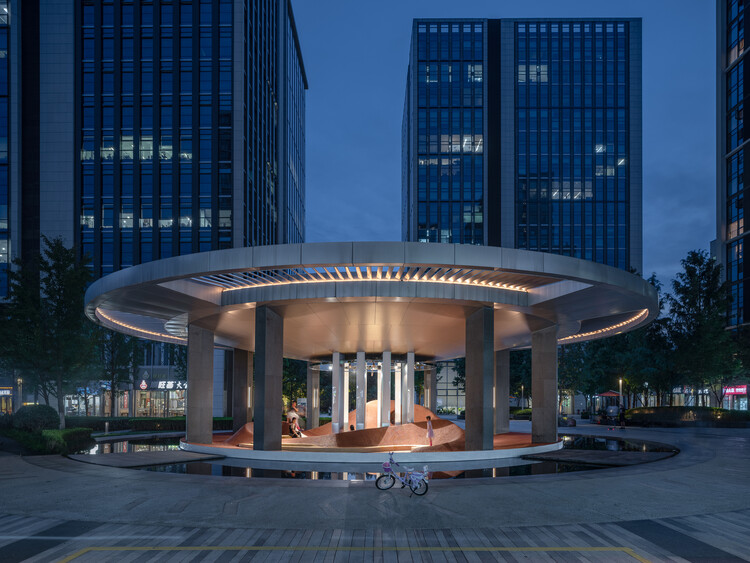
Wave Pavilion, Urban Micro-Space Regeneration Plan / Moguang Studio


-
Architects: Moguang Studio
- Area: 240 m²
- Year: 2024
https://www.archdaily.com/1035033/wave-pavilion-urban-micro-space-regeneration-plan-moguang-studioAndreas Luco
Wudang Mountain Visitor Center / Moguang Studio


https://www.archdaily.com/1034419/wudang-mountain-visitor-center-moguang-studioAndreas Luco
Hangzhou First People's Hospital Tonglu Branch / UAD


https://www.archdaily.com/1033498/hangzhou-first-peoples-hospital-tonglu-branch-uad韩爽
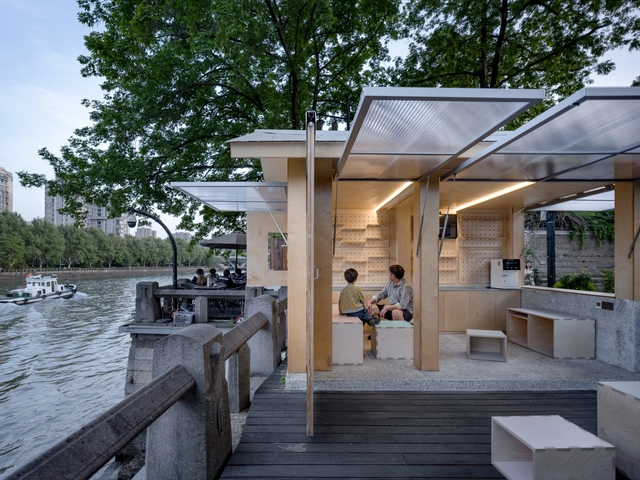
Canal Pavilion Post / ZAOZUO ARCHITECTURE STUDIO


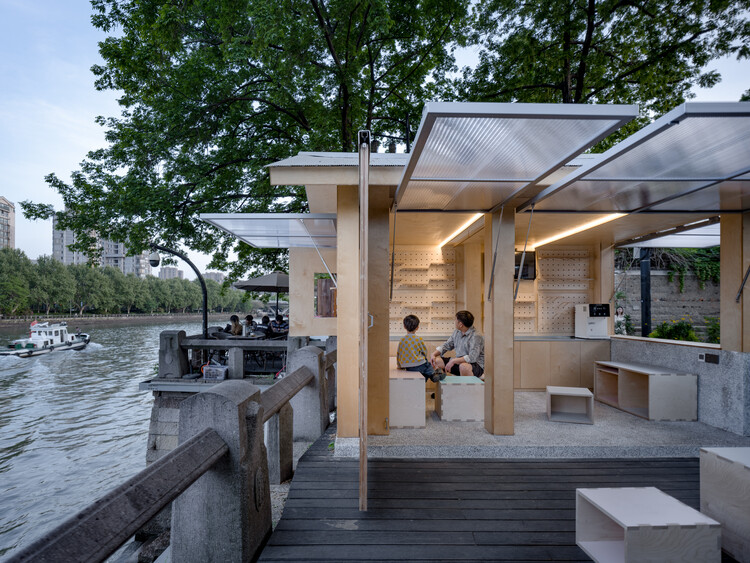
-
Architects: ZAOZUO ARCHITECTURE STUDIO
- Area: 10 m²
- Year: 2025
https://www.archdaily.com/1033823/canal-pavilion-post-zaozuo-architecture-studio韩爽
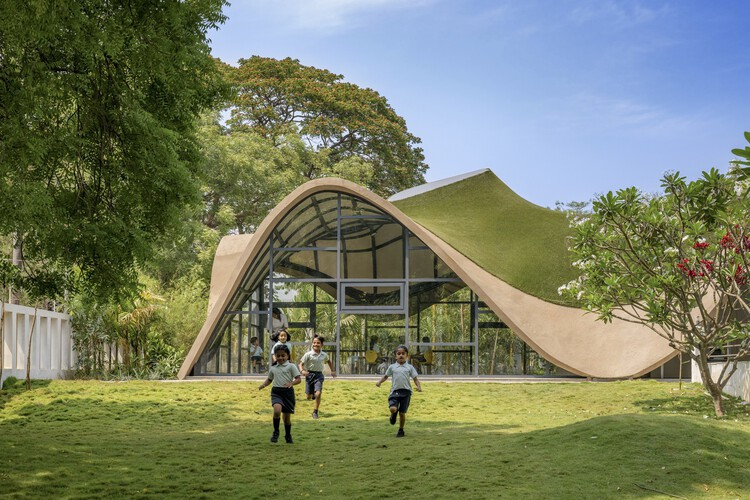
Kindergarten Architecture: Imaginative Spaces Shaping Childhood and Creativity
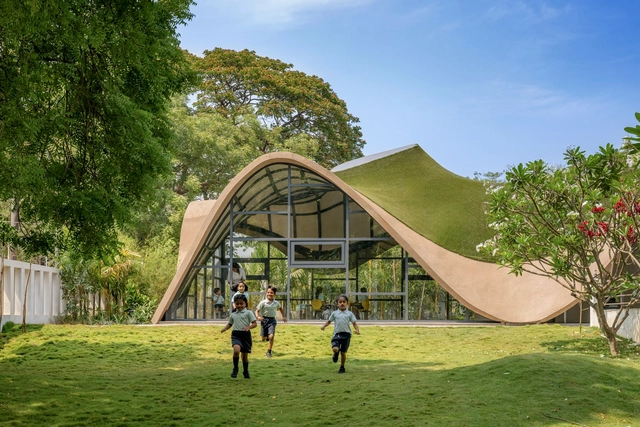
Kindergarten architecture has long stood apart as a realm where design and imagination converge. Unlike most building typologies, these spaces are conceived not only to shelter and function but to shape the earliest experiences of curiosity, play, and social interaction. Throughout history, the design of kindergartens has evolved alongside pedagogical shifts, moving from modest, utilitarian beginnings to highly intentional environments that stimulate both learning and wonder. In this context, architecture becomes more than a backdrop — it becomes a silent educator, capable of nurturing emotional, cognitive, and physical development.


https://www.archdaily.com/1033207/kindergarten-architecture-imaginative-spaces-shaping-childhood-and-creativityDiogo Borges Ferreira
Inclusive Playgrounds: Every Body Can Play Through Architecture
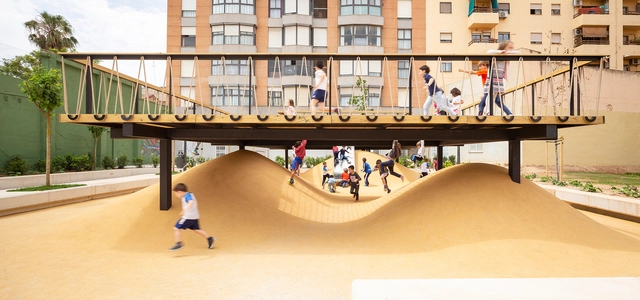
Play extends beyond its recreational dimension, unfolding as a social act that encourages children to learn, interact, be creative, and engage with their spatial context. As Johan Huizinga notes in Homo Ludens, it is a fundamental element of culture, where kids form bonds and explore ways of coexisting. When the architecture of play spaces excludes certain bodies or modes of participation, the collective experience becomes fragmented and loses part of its meaning. Designing with inclusion in mind, therefore, means recognizing that the actual value of play lies in its potential to be shared by everyone.
https://www.archdaily.com/1033205/inclusive-playgrounds-every-body-can-play-through-architectureEnrique Tovar
Round Pavilion / Atelier Guo
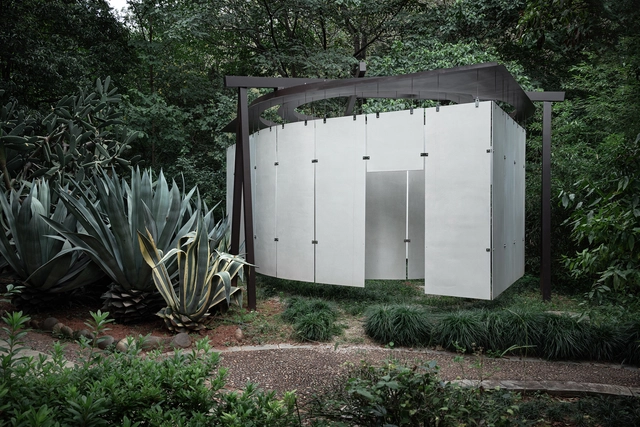


-
Architects: Atelier Guo
- Area: 22 m²
- Year: 2024
https://www.archdaily.com/1028082/round-pavilion-atelier-guo韩爽 - HAN Shuang
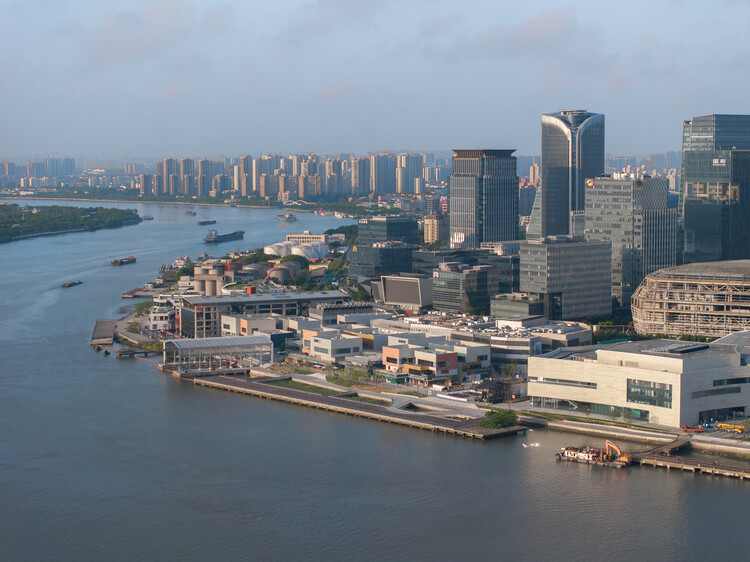
From Expansion to Enhancement: Shanghai's Urban Development Framework

Amidst global economic adjustments and a domestic focus on high-quality development, Shanghai has implemented a strategic shift in its urban development approach—moving from 'incremental expansion' to 'connotative enhancement.' Guided by the concept of a "people-oriented city", Shanghai has elevated urban construction from mere physical space aggregation to a comprehensive endeavor aimed at optimizing functional quality, revitalizing spatial vitality, and boosting residential resilience through urban renewal initiatives. This transformation is framed not merely as a response to resource constraints but also as an intentional approach to urban development principles. Its core proposition lies in: under the policy framework of strictly controlling incremental land use, how to unleash development potential through the "reproduction" of existing spaces.


https://www.archdaily.com/1031298/from-expansion-to-enhancement-shanghais-urban-development-framework韩爽 - HAN Shuang
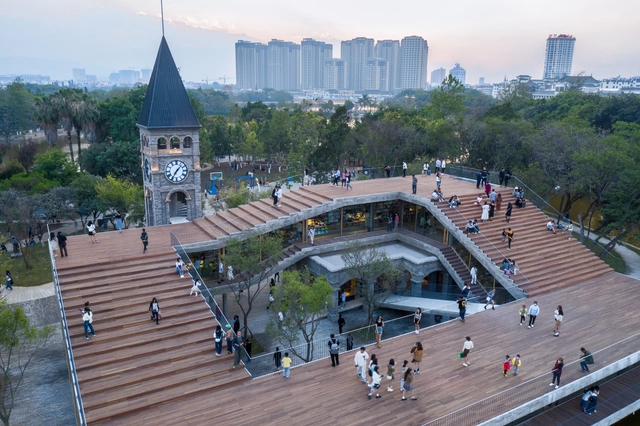
Mengzi NSAU Bookstore of Librairie Avant-Garde / ZAO/Zhang Ke Architecture Office


-
Architects: ZAO/Zhang Ke Architecture Office
- Area: 894 m²
- Year: 2023
https://www.archdaily.com/1029258/mengzi-nsau-bookstore-of-librairie-avant-garde-zao-standardarchitectureAndreas Luco
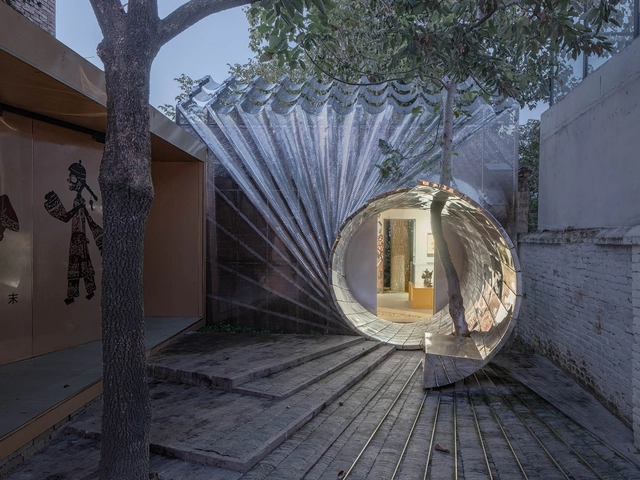
Courtyard Renovation for the GuanZhong Mangba Art Festival / Daipu Architects


https://www.archdaily.com/1028031/courtyard-renovation-for-the-guanzhong-mangba-art-festival-daipu-architects韩爽