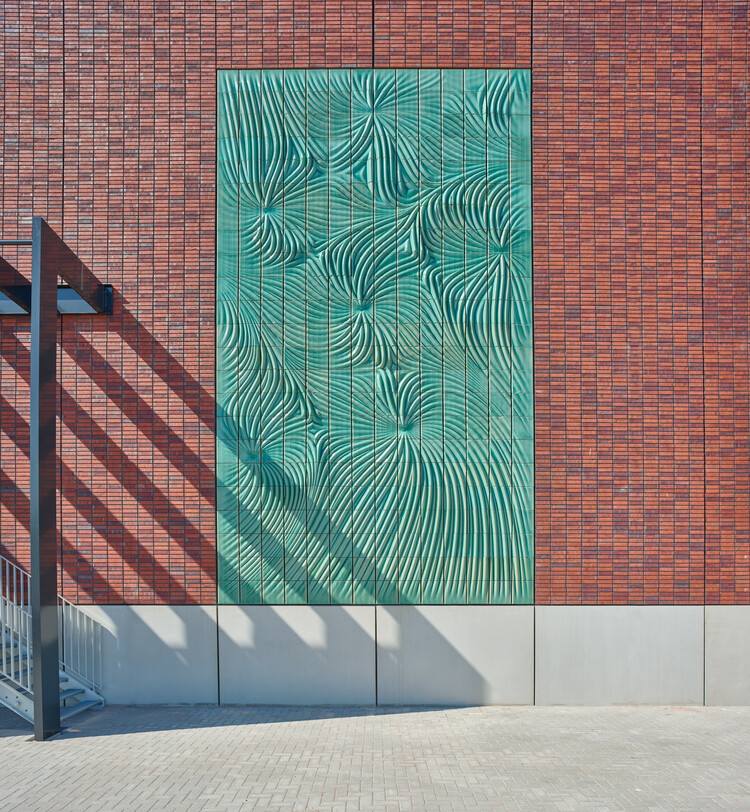
-
Architects: Studio RAP
- Area: 40 m²
- Year: 2026
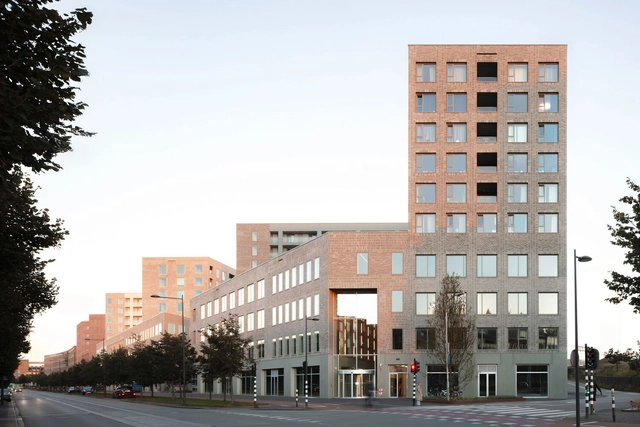
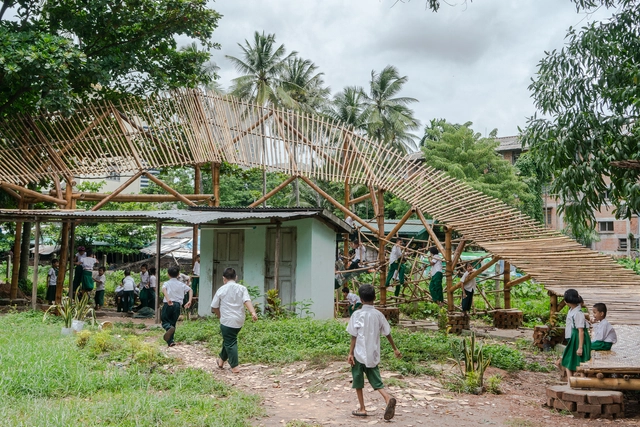
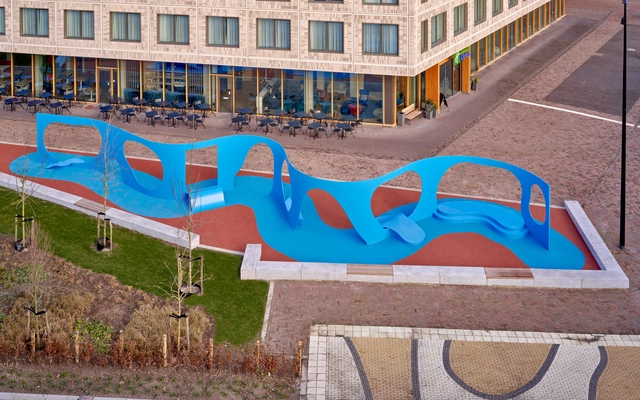
Urban playgrounds are evolving from simple swing sets and slides into dynamic, multi-faceted urban landscapes. These new designs are more than just places to play; they are thoughtfully integrated spaces that address urban challenges, promote community, and inspire creativity. A key trend is the intentional use of color and pattern. Designers are utilizing vibrant color zones to segment different functional areas, creating a visually dynamic experience that contrasts with natural surroundings. This approach can also be used to establish a cohesive urban identity, with thoughtful color palettes that complement the existing cityscape.
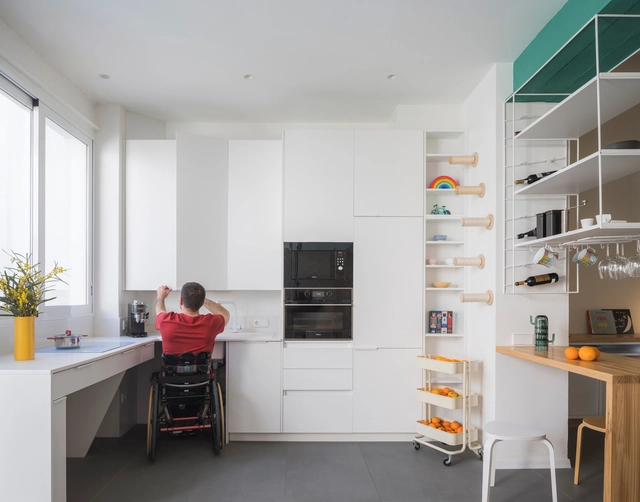
Space has become a luxury in many of the world's most densely populated cities—a growing reality that's hard to ignore. Megacities like Tokyo, Shanghai, Mumbai, Mexico City, and São Paulo already have populations exceeding 20 million, while other urban centers across Asia and Africa continue to expand rapidly. Among these, Delhi stands out: if current trends continue, it is projected to become the most populous city by 2028. As these cities expand, housing—especially new developments—follows a new logic: as square meters shrink, furniture adapts, and daily life learns to fit and thrive in high-density environments. This change isn't just about size; it reflects a new way of living. Where spaciousness once dominated, density now rules. Every corner gains spatial and commercial value, with the kitchen emerging as one of the biggest challenges in housing design today.
Reflecting on 2024, numerous architectural exhibitions have opened worldwide, addressing various themes, exhibition formats, and featured architects. Architectural design and architecture practice influence our daily lives in subtle and often unnoticed ways, where the end-users embrace built environments as they are. This reaction may arise from a combination of factors, such as a sense of powerlessness to enact significant change after a building is constructed or the experience of growing up in environments over which individuals had little or no agency in shaping. For these reasons, architectural exhibitions serve an essential purpose, offering society a chance to pause, reflect, and critically examine the myriad issues that surface during designing and building. These issues are often overlooked or need to be acknowledged, as practitioners may prioritize delivering projects within strict timelines over exploring more profound reflections.
In 2024, museums, galleries, and curators responded to the evolving challenges within the built environment with various approaches. Some exhibitions questioned the ethics of building materials and the practices behind supply chains, drawing attention to the broader implications of material choices. Others focused on documenting architectural movements worldwide, emphasizing their cultural and historical significance and the urgent need to preserve and adapt rather than replace them with entirely new builds. These efforts highlight the role of exhibitions in raising awareness about pressing issues while fostering a more critical dialogue about the architectural discipline.
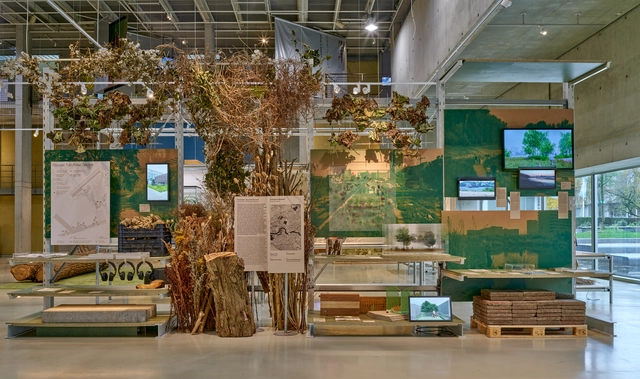
The "Garden Futures" exhibition, currently showing at the Nieuwe Instituut in Rotterdam until April 13, 2025, explores the multifaceted history and future of the modern garden. Curated by Maria Heinrich and spatially designed by Frank Bruggeman, the exhibition presents the garden not only as a personal refuge, but also as a site reflecting broader political and commercial forces. The show's structure, divided into four thematic chapters, allows for a comprehensive exploration of the garden's evolution and its potential for future development.
In 1999, Birgit Lohmann and Massimo Mini co-founded designboom, self-proclaimed as the "first online architecture and design magazine." Seven years later, Facebook transitioned from Ivy League universities to massive audiences, while the first tweet was posted on formerly-known Twitter. Sixteen years have passed since these milestones.
While 16 years may be a short period in architecture, digital media and social networks are far from being considered emergent in the history of the internet. In fact, they form the core of the current Web 2.0 model, characterized by a dual interaction between content producers and consumers: sharing, liking, remixing, and reposting.
Indeed, the speed and magnitude of the transformations that digital media have undergone, and in turn, driven, provide the opportunity to begin documenting the history of the digital era and its impact on architecture.