

-
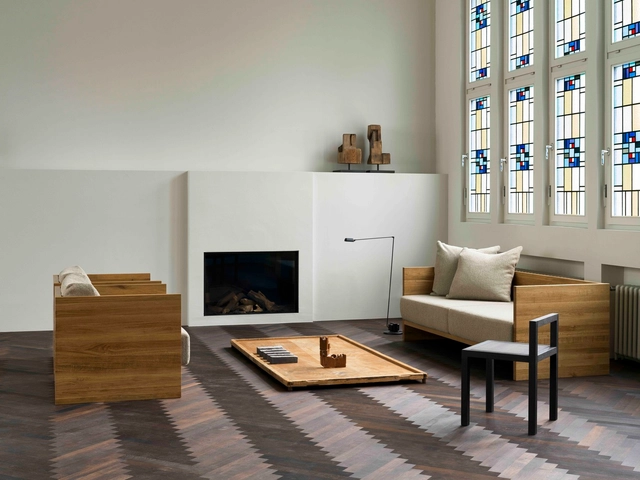
Architects: Nidus
- Area: 275 m²
- Year: 2025
-
Manufacturers: Dornbracht, FSB Franz Schneider Brakel, Mawa Design

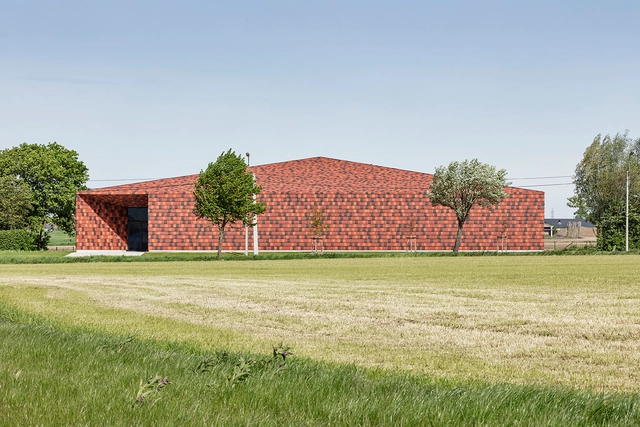
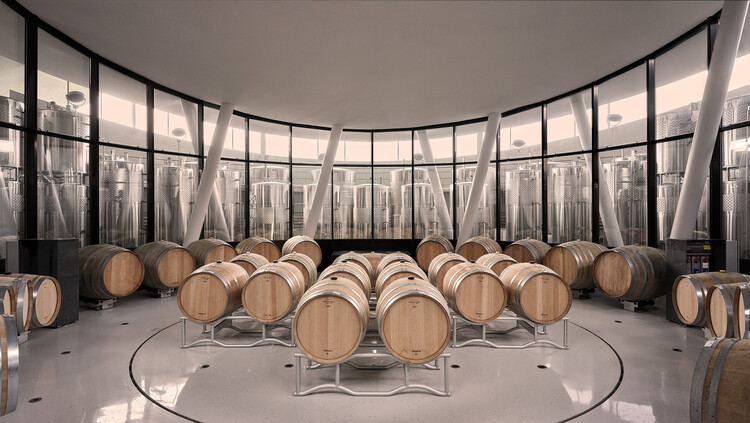
Wine production has long been tied to place, climate, and culture, and in recent decades, architecture has become a central part of this relationship. Wineries are no longer understood only as functional facilities for fermentation, storage, and distribution, but also as spaces where landscape, materiality, and visitor experience intersect. From subterranean cellars hidden beneath fields to sculptural landmarks rising in rural territories, these buildings shape the identity of winemaking regions while offering visitors a carefully choreographed encounter with the process of production.
At the intersection of agriculture, tourism, and culture, wineries present architects with unique opportunities to merge technical requirements with a spatial narrative. They must respond to environmental conditions, manage temperature and humidity with precision, and integrate with delicate ecosystems, while also providing spaces for tasting, gathering, and celebration. As a result, the typology has given rise to a wide range of architectural solutions. Some are rooted in tradition and local craft, others are exploring advanced technologies and contemporary forms.
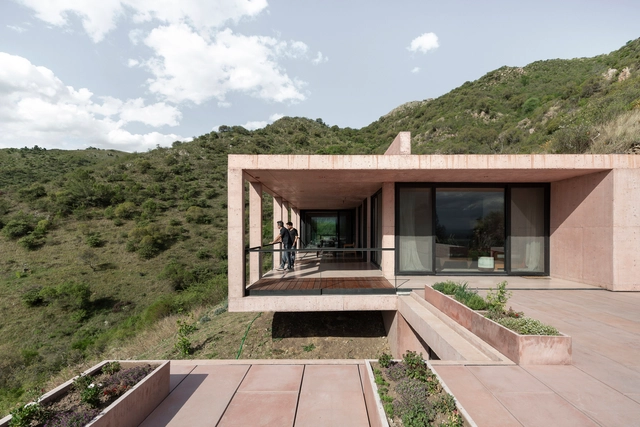
How relevant is the use of color in architecture? Throughout history, we find various scenarios where color takes centre stage in its integration with the architectural work. Nowadays this is no exception. This is because colour is a medium that can be used to provoke deep and immediate emotions and reactions in the person observing. Because of this, colour plays an important role in the architectural reading, as it has the power to clarify the components that make it up or, on the contrary, to change the perception of the work or space.
The following list shows various Latin American housing projects that have had a particular approach to color in their composition. In them, we see the conception of color as the integrator of the work, or as a means of enhancing a particular element, be it interior or exterior.
.jpg?1616688439&format=webp&width=640&height=580)

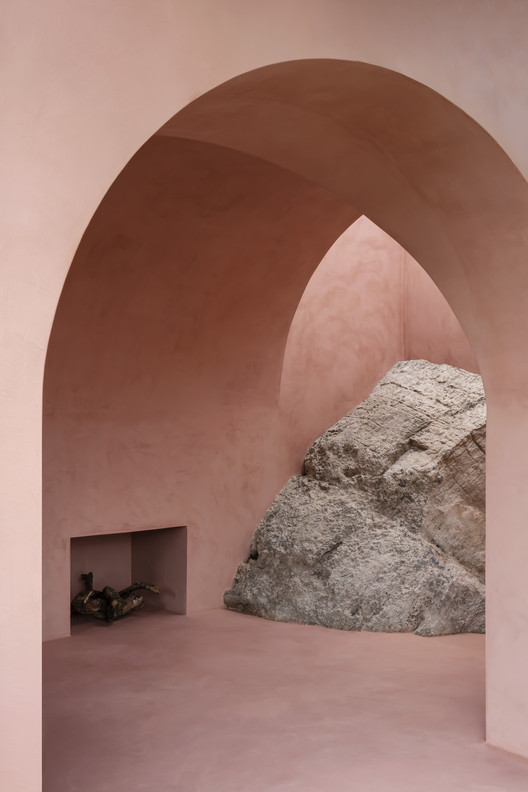
While some works serve as monuments to the egos of those who practice this profession, other architectural approaches propose the exact opposite. These practices deliver projects that—almost poetically—harmonize built elements with the surrounding natural environment. There are also designs that adapt to the morphological order of nature, resulting in an organic language that generates highly unique and singular interior spaces.






.jpg?1616688371&format=webp&width=230&height=230&crop=true)
.jpg?1616688439)


