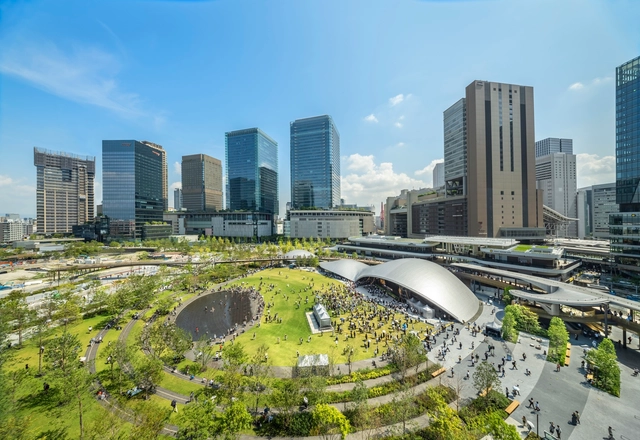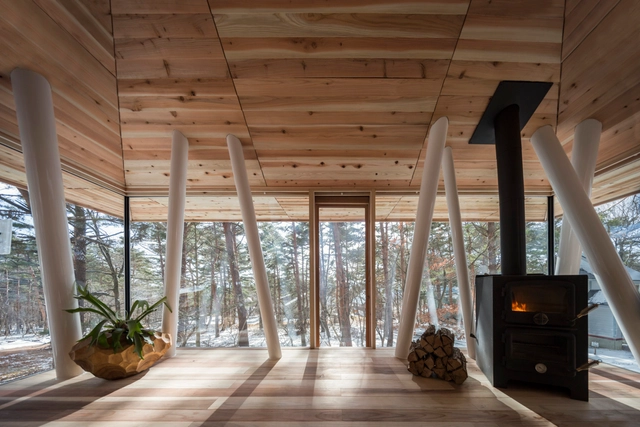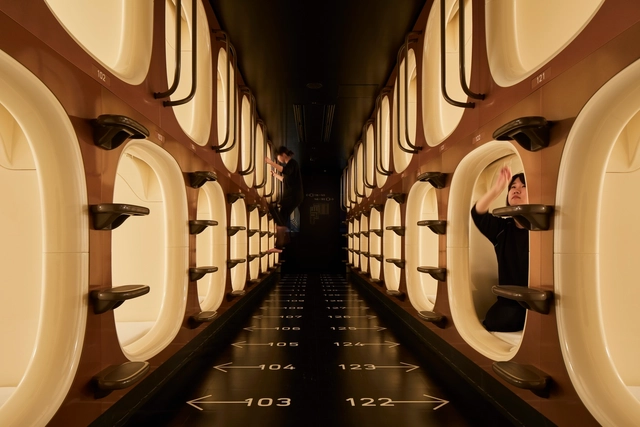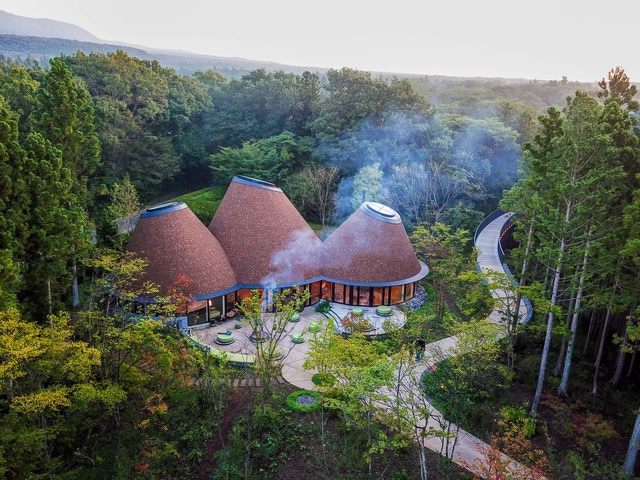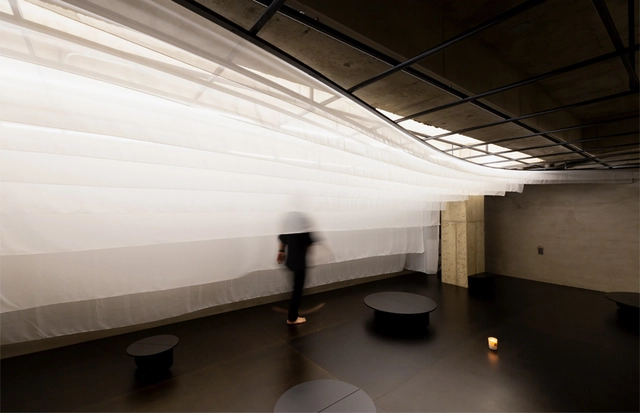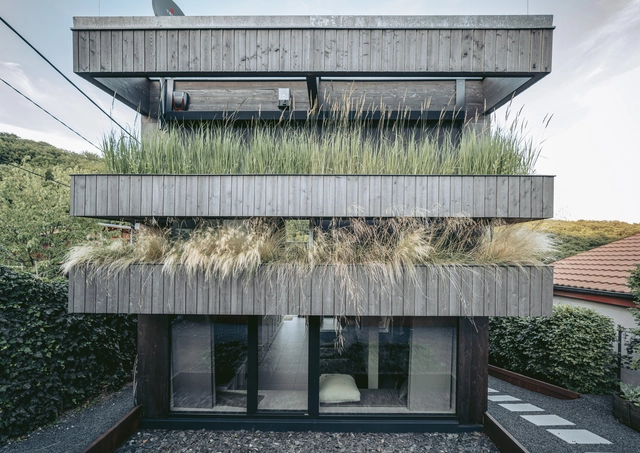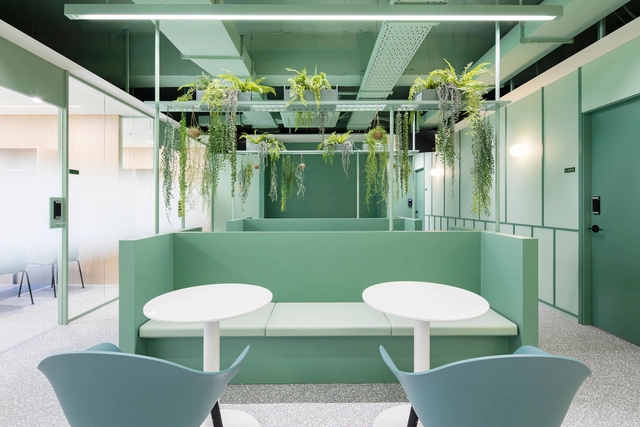
Residential architecture is one of the most popular categories among our readers. In 2021 we published more than 3,800 projects, featuring houses from different regions of the world and offering a variety of solutions, materials, contexts, environments, scales, and typologies. Providing a broad source of inspiration for those seeking references for their own residential project.
https://www.archdaily.com/973682/best-houses-of-2021Clara Ott
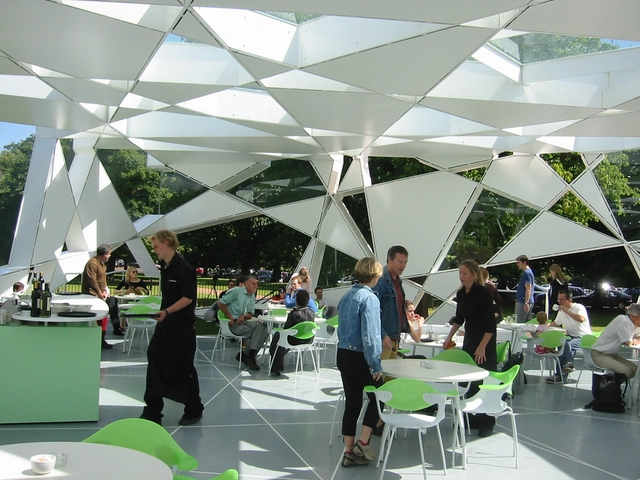
Serpentine Gallery Pavilion. Image Courtesy of Toyo Ito & Associates, Architects
Examining the work of Tokyo architect Toyo Ito (b. 1941) – particularly his now seminal Sendai Mediatheque (1995-2001), Serpentine Gallery (London, 2002, with Cecil Balmond), TOD's Omotesando Building (Tokyo, 2004), Tama Art University Library (Tokyo, 2007), and National Taichung Theater (2009-16) – will immediately become apparent these buildings’ structural innovations and spatial, non-hierarchical organizations. Although these structures all seem to be quite diverse, there is one unifying theme – the architect’s consistent commitment to erasing fixed boundaries between inside and outside and relaxing spatial divisions between various programs within. There is continuity in how these buildings are explored. They are conceived as systems rather than objects and they never really end; one could imagine their formations and patterns to continue to evolve and expand pretty much endlessly.
“Although Mr. Ito has built a great number of buildings in his career, in my view, he has been working on one project all along, -- to push the boundaries of architecture. And to achieve that goal, he is not afraid of letting go what he has accomplished before.” -- Yung Ho Chang, Member of the Pritzker Jury for 2013
Toyo Ito has been announced as the Pritzker laureate for 2013. Ito is the thirty-seventh recipient of the Pritzker Prize and its sixth Japanese recipient.
The Pritzker jury applauded Ito for his ability to synthesize many architectural languages and functionalities in the expression of one personal “syntax,” inspired by the organic structures found in nature and the sensual nature of the human user.
Calling him a “creator of timeless buildings,” the Pritzker Jury further praised Ito for “infusing his designs with a spiritual dimension and for the poetics that transcend all his works.” Among those works, the Jury singled out his Sendai Mediatheque, whose innovative use of structural tubes “permitted new interior spatial qualities,” TOD’S Omotesando building in Tokyo, “where the building skin also serves as structure,” and Tokyo’s Tama Art University Library as particularly inspiring.
In response to the accolade, the highest award in the profession of architecture, Ito humbly expressed that, with each project, he only becomes more “painfully aware of [his] inadequacy, and it turns into energy to challenge the next project.” For that reason, Ito professed, “I will never fix my architectural style and never be satisfied with my works.”
Read more of the Jury’s selection of Toyo Ito as the 2013 Pritzker Laureate, after the break...
Until his third year of high school, Toyo Ito's passion was not architecture, but baseball.
Fortunately for us all (and almost assuredly for the Pritzker laureate himself), he soon switched career paths.
Born in Seoul in 1941, Ito moved to Japan at the tender age of two. From the age of 12 (when his father died) to the time he went to University, Ito was part of the family business: making miso (bean paste). However, upon attending The University of Tokyo from 1965-1969, architecture became his life work.
Read more on the life and work of Toyo Ito, the 2013 Pritzker Laureate, after the break...