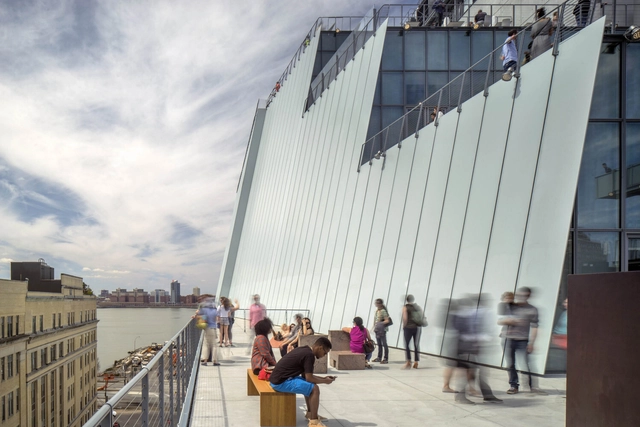
It's no exaggeration to say that Renzo Piano is one of the most unanimously respected architects in the world of architecture. With an oeuvre that blends respect for context, lightness and technology to create environmentally conscious and aesthetically pleasing structures, his approach combines advanced materials with traditional techniques. In projects of various scales, the Genoese architect maintains an essential thread: the implementation of passive architectural strategies, highlighting the importance of these methods for sustainability and energy efficiency. This is often made explicit in his sketches, as an initial concern, and clearly comes through in the finished works. Here are some examples of iconic projects developed by his office in recent decades.
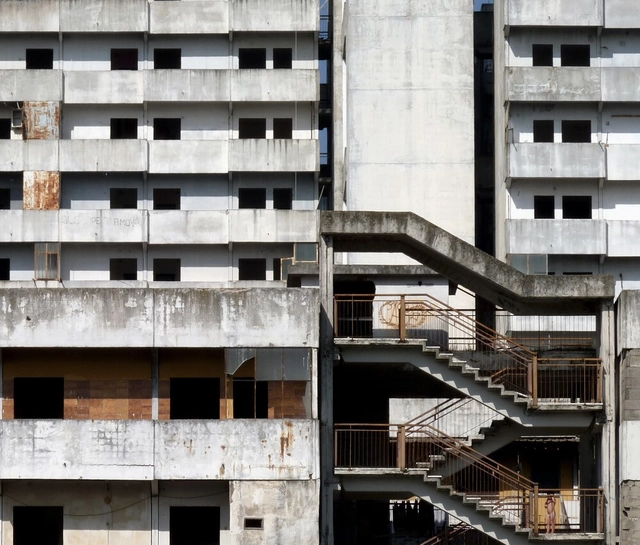
As the demand for affordable housing grows and the availability of low-cost properties diminishes, stakeholders in housing must become more innovative in their approach to social housing development. One opportunity lies in restoring and repurposing abandoned buildings. While building new houses remains the primary strategy for Housing Authorities and Associations, rehabilitating derelict buildings can be a more economical option. This approach not only maximizes the use of dilapidating infrastructure but also provides an economic opportunity to increase affordable housing within the city. Although rehabilitating derelict residential buildings may seem like an obvious solution, it becomes even more crucial when considering abandoned commercial, institutional, or historical buildings for social housing.
Recognized as the UK’s highest honor for architecture, the RIBA Royal Gold Medal for Architecture is approved personally by Her Majesty The Queen and is given to a person or group of people who have had a significant influence "either directly or indirectly on the advancement of architecture.", according to the organization. In 2024, the recognition was awarded for the first time to an African Woman, to the Ghanaian-Scottish architect, academic, and curator Lesley Lokko.
How many times have you been faced with the challenge of designing a cultural center? While this may seem like quite a feat, many architects have had to design a program that blends a community center with culture.
Among the projects published on our site, we have found numerous examples that highlight different responses, from flexible configurations to sites that prioritize central gathering areas for citizens and activities. See our series of 50 community centers and their plans and sections below.
Kengo Kuma uses materials to connect with the local context and the users of his projects. The textures and elementary forms of constructive systems, materials, and products, are exhibited and used in favor of the architectural concept, giving value to the functions that will be carried out in each building.
From showcases made with ceramic tiles to the sifted light created by expanded metal panels, passing through an ethereal polyester coating, Kuma understands the material as an essential component that can make a difference in architecture from the design stages. Next, we present 21 projects where Kengo Kuma masterfully uses construction materials.
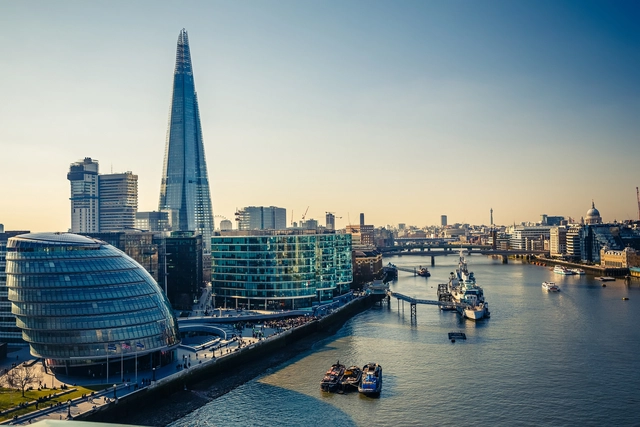
London’s architectural history is a rich tapestry that weaves together styles of various periods and influences. In the post-war era, the city experienced a surge in modern architecture, becoming a canvas for experimentation. New stylistic movements saw their expression crystalized through buildings such as Richard Rogers’ Lloyd’s Building, one of the most representative examples of High-Tech architecture, or the Barbican Estate, a large-scale housing estate that became the iconic structure for Brutalist architecture.
London’s contemporary architectural landscape continues to evolve, in part through the works of internationally-recognized architects such as Norman Foster, Zaha Hadid, and Thomas Heatherwick. This varied blend of styles, and ways of expression reflects the city’s ability to embrace architectural movements of global significance. As a center for innovation, London continues to attract established and emerging architects who shape its skyline and contribute to its international architectural discourse, with each new building offering a glimpse into the ever-changing nature of London’s urban fabric.
The key to successfully designing or recovering public spaces is to achieve a series of ingredients that enhance their use as meeting places. Regardless of their scale, some important tips are designing for people's needs, the human scale, a mix of uses, multifunctionality and flexibility, comfort and safety, and integration to the urban fabric.
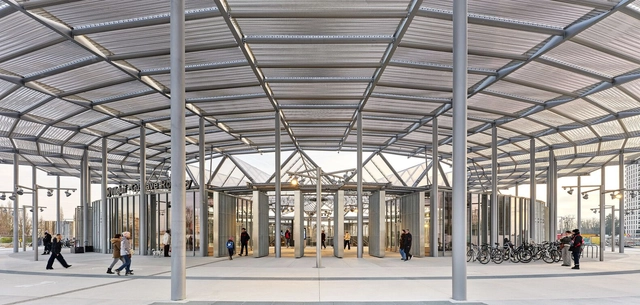
To give you some ideas on how to design urban furniture, bus stops, lookouts, bridges, playgrounds, squares, sports spaces, small parks, and urban parks, check out these 100 notable public spaces.
Refurbishment and adaptive reuse have been at the forefront of architectural discourse in recent years. This demonstrates that the profession is becoming increasingly aware of its impact on the environment and the opportunities presented by reusing what has already been built. Architecture 2030 has recently launched CARE, or Carbon Avoided Retrofit Estimator, a new digital tool that enables designers, owners, and communities to quantify the carbon benefits of adaptive reuse. By entering a streamlined set of project information, such as energy targets and potential building interventions, users can quickly estimate both operational carbon emissions generated by the use of the building and embodied carbon emissions, which are tied to the building materials employed.
The 24 shortlisted international projects for airports, university campuses, stations, and sports facilities competing for the Prix Versailles 2022 Awards have been announced. The global finalists in the Shops, Shopping Centres, Hotels, and Restaurants category will also be announced shortly.
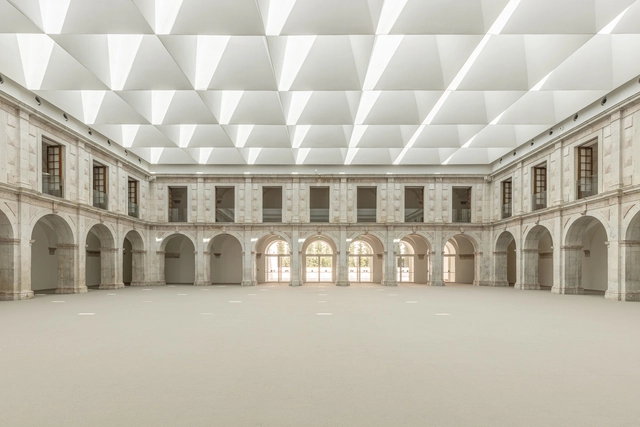
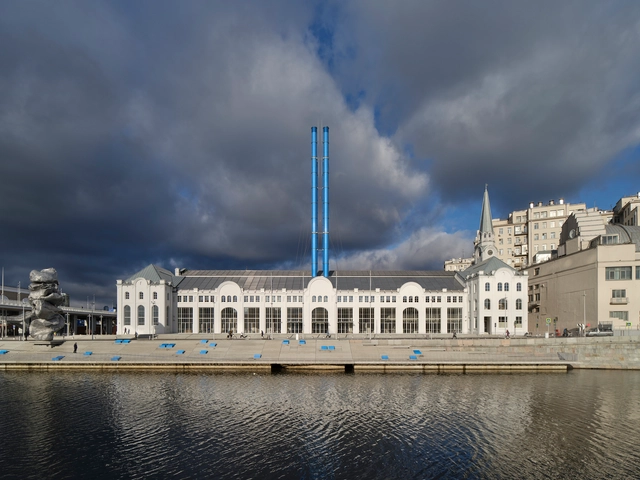
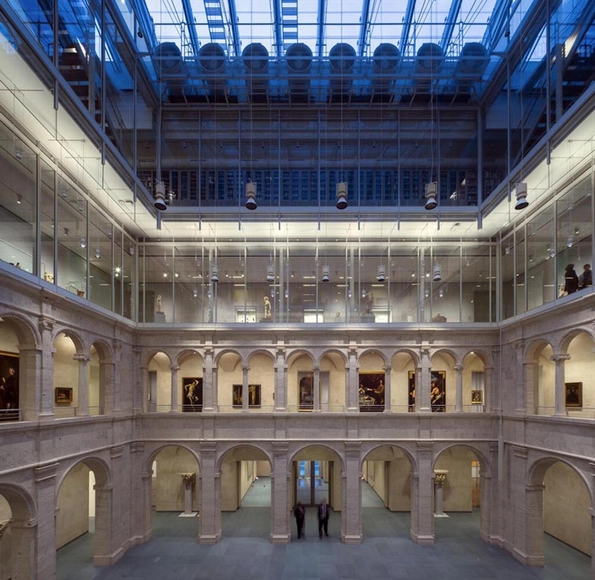
Following nearly 50 years of rapid urbanization, urban renewal has transitioned from an era of incremental growth to one of existing stock. Urban planning has shifted from expansion toward the high-quality renovation of existing assets to reactivate spaces. Looking back at recent adaptive reuse projects by Pritzker Prize laureates, we examine how these masters respond to today's challenges of urban stock renewal.
Responsible use and consumption of natural resources and the impacts of the building industry have been ongoing concerns in the field of architecture and urban planning. In the past, concepts such as clean slates, mass demolitions, and building brand new structures were widely accepted and encouraged. Nowadays, a transformation seems to be taking place, calling for new approaches such as recycling, adaptive reuse, and renovations, taking advantage of what is already there. This article explores a selection of projects and provides a glimpse into interventions by renowned architects in pre-existing buildings.
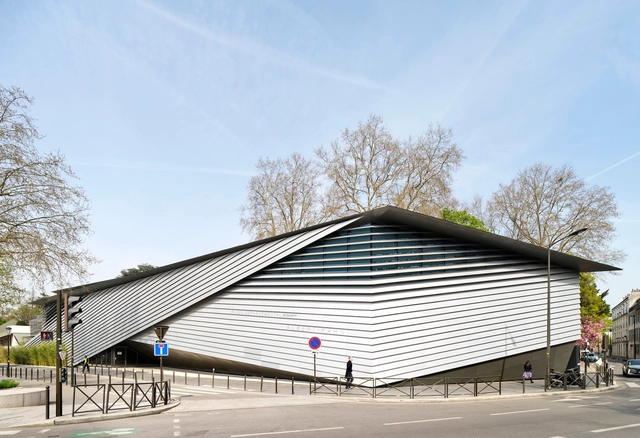
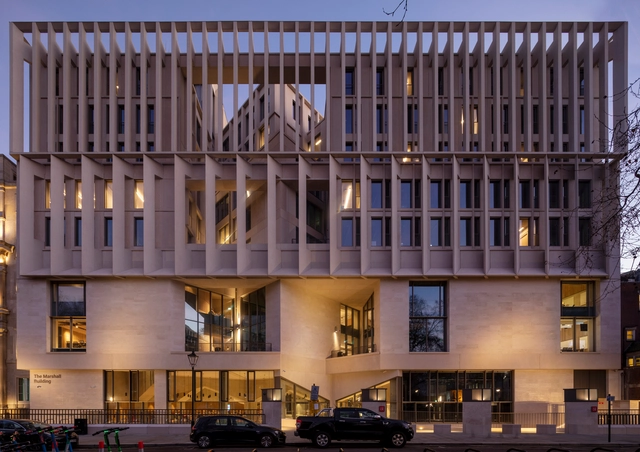
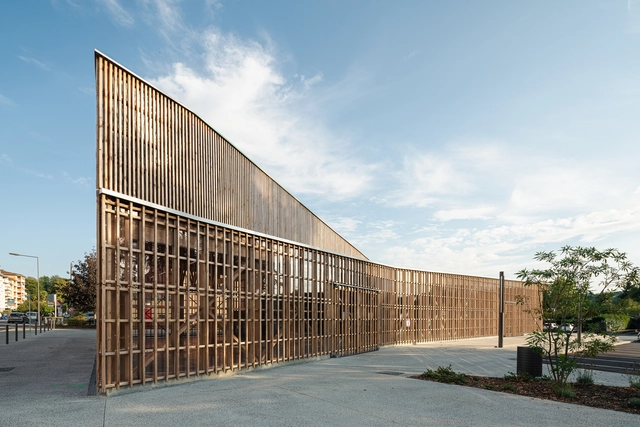
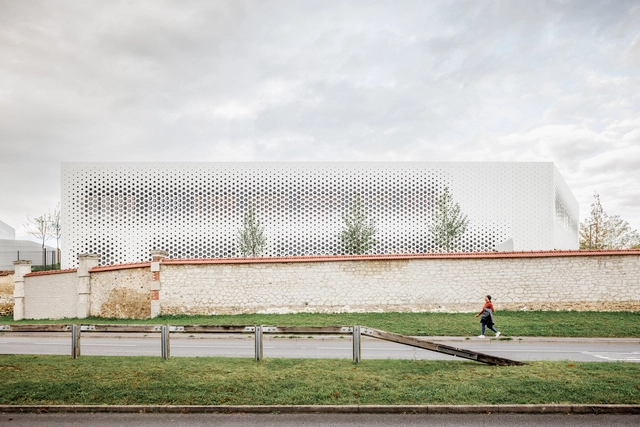
The relationship between building envelope and structure remains a centerpiece of architecture. Understanding a building's skin is how designs become open or closed, controlling environmental conditions, light and views. Whether perforated, slotted or modular, brise-soleils are elegant envelopes that create new spatial conditions. This is especially true in France, where architects are rethinking tradition to bring new screened structures to life.
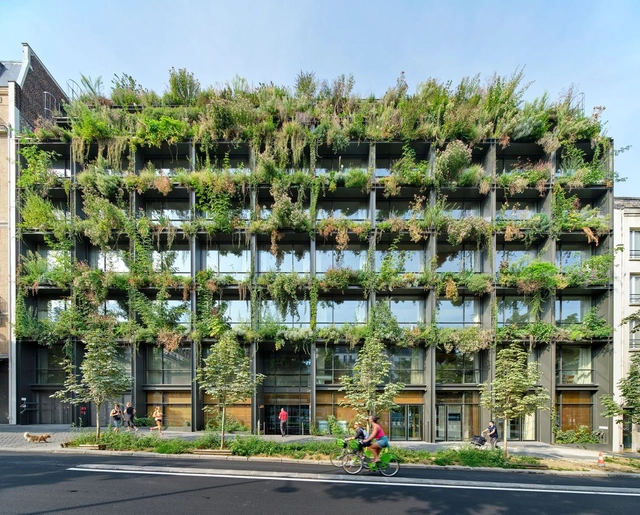
The housing shortage has long been the catalyst for architectural speculation over adaptive resue scenarios or the valorisation of underused places in cities. At the same time, the health crisis and its work from home imperatives have brought into sharp focus the adaptive reuse potential of offices spaces into housing. The probability that some office buildings remain vacant post-pandemic opens up the possibility of bringing back housing to city centres, enabling the implementation of a 15-minute city vision. The following discusses the challenges and opportunities of transforming office spaces into housing, highlighting this limited phenomenon's long-term feasibility and impact.
















.jpg?1558730231&format=webp&width=230&height=230&crop=true)