.jpg?1540214004&format=webp&width=230&height=230&crop=true)
.jpg?1540212864&format=webp&width=230&height=230&crop=true)
.jpg?1540213686&format=webp&width=230&height=230&crop=true)
.jpg?1540214175&format=webp&width=230&height=230&crop=true)

-
Architects: Deborah Roig
- Area: 920 m²
- Year: 2015
-
Manufacturers: Atlas Concorde, Comgás, Idea System
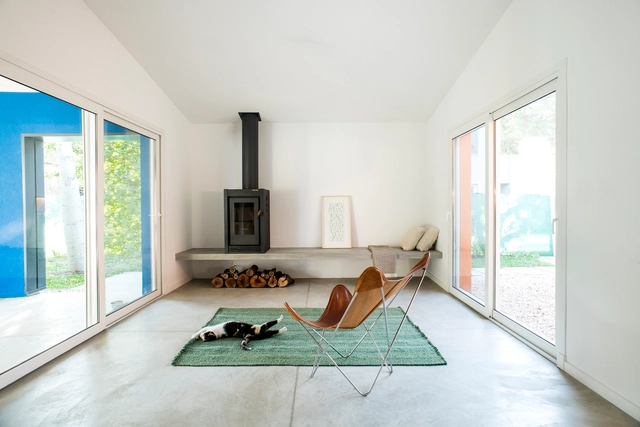
Originating as protection against low temperatures around 3,500 years ago, carpets and rugs have, over time, evolved into a true art form, reaching a high level of specialization by the 16th century. Rugs, carpets, and tapestries of various shapes, colors, textures, and patterns are integrated into different areas of the home to meet users' needs and enhance spatial comfort, sometimes extending far beyond their original purpose.
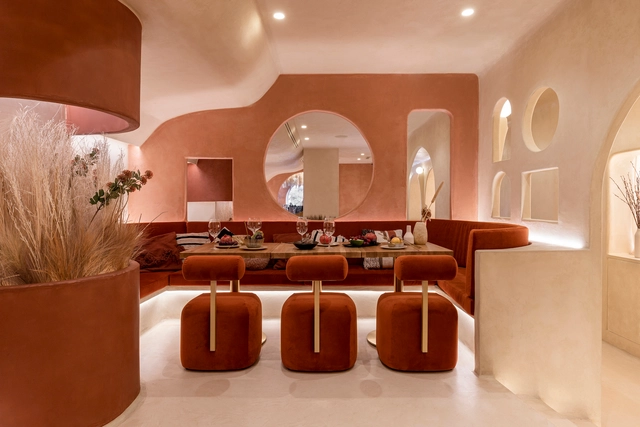
"The details are not the details. They make the design." – Charles Eames. Creating attractive spaces that anticipate the needs of users relies on several factors: scale, circulation, functionality, and comfort. However, the past few decades have proved that the visual appeal of a project is also greatly important, and can make or break the interior space. In this interior focus, we will explore the aesthetic side of interior design, looking at popular styles across the world and how architects and designers use elements such as color, furniture, accessories, and finishes to define their spatial identity.
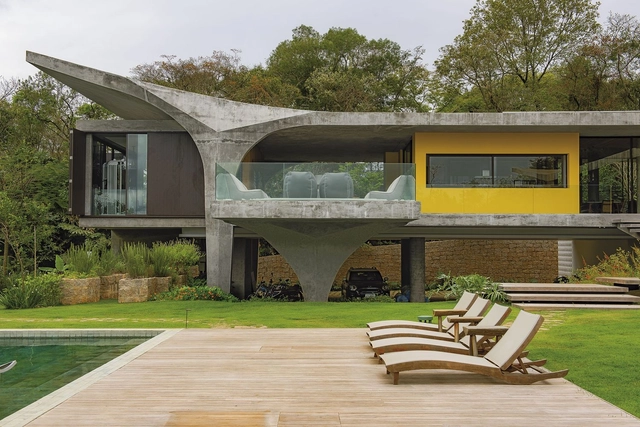
The relationship between architecture and structure has been widely discussed and is repeatedly revisited by architects with every new project. Much like plumbing and electrical systems, the structural system is one of the essential disciplines that make up a building. Yet, it is one of the most impactful on the architectural outcome, directly shaping the spatial experience and the chosen materiality. Mastering structural design and understanding how to best integrate it into the architectural project grants architects greater autonomy and expands the possibilities of design solutions.
Selecting a structural system and deciding how to incorporate it into the architectural design is a pivotal decision in any project. On one hand, architects can choose to absorb structural elements, camouflaging them within the building envelope to make them imperceptible. On the other, the structural system can be brought to the forefront, turning into a defining feature of the design—whether through its structural logic, its materiality, or by being elevated to a nearly sculptural element.
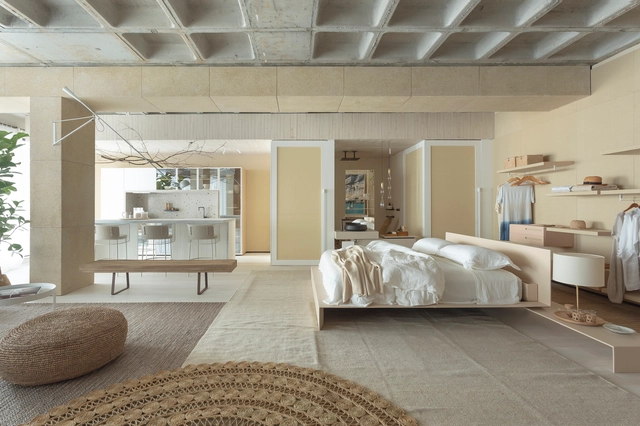
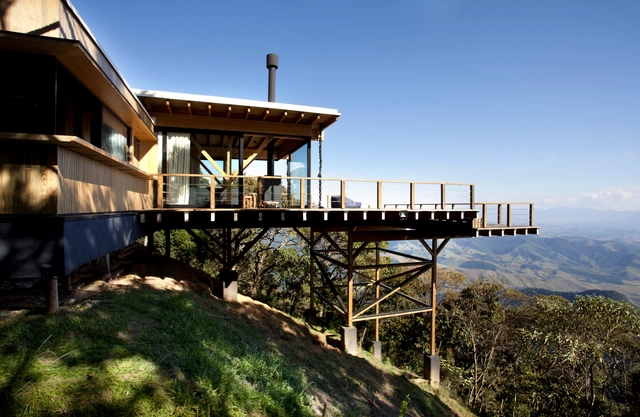
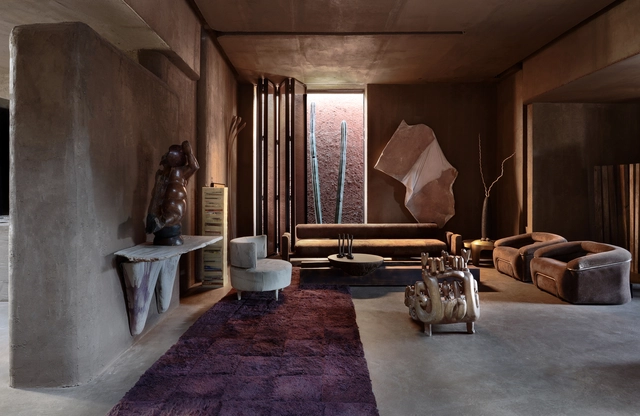
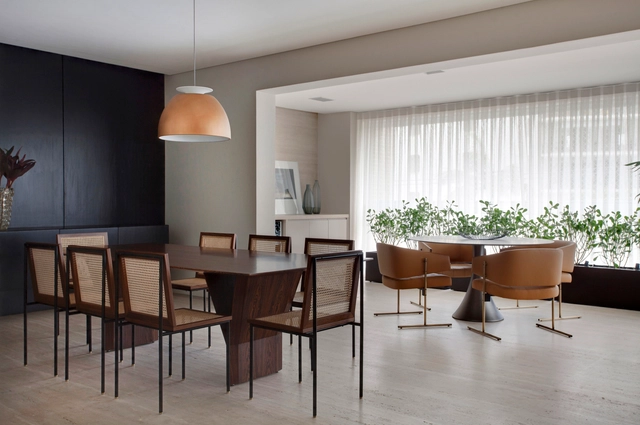
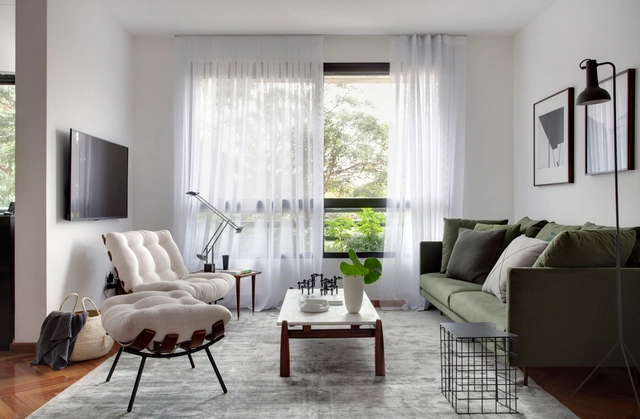
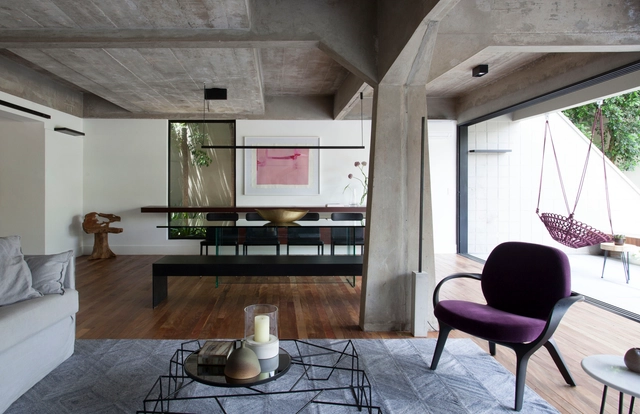
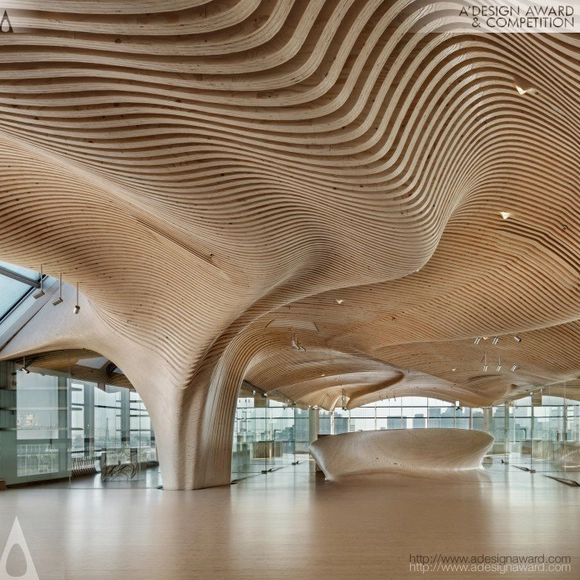
A’ Design Award & Competition, the world’s largest and most diffused international design awards, has announced the results of the 2015 - 2016 design competition: 1,276 winners from 88 countries in 93 different design disciplines including arts, architecture, design, engineering and innovation. Entries were carefully evaluated by an 83-person jury, composed of established scholars, prominent press members, creative design professionals and experienced entrepreneurs.