

-
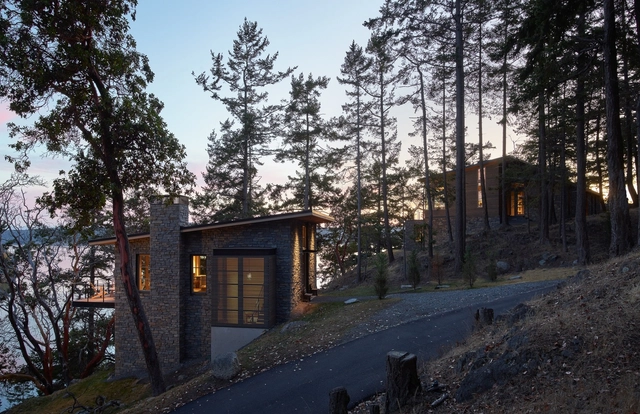
Architects: Hoedemaker Pfeiffer
- Area: 4463 ft²
- Year: 2017
-
Manufacturers: Architectural Elements (out of Bellingham, WA), Baldwin, Elliot Bay, Phylrich, WindowCraft
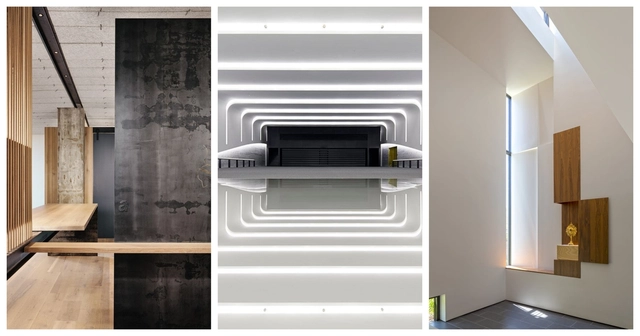
Nine projects have been recognized this year by the American Institute of Architects (AIA) in the 2019 Institute Honor Awards for Interior Architecture. A five-member jury evaluated entries’ sense of place and purpose, ecology and environmental sustainability, and history to choose this year’s most innovative interior spaces.

Designing commercial spaces has historically been a challenge. In these environments, spatial distribution plays a fundamental role, even more so if we have a few extra square meters. With this being said, the study of these spaces in plan and section can be a great starting point. It not only allows us to analyze the logistics and circulation of customers but also helps us find efficient variations and innovations that will enable your store to stand out from the others.
Below, we've selected a series of 25 examples in plan and section that can help you understand how different architects faced the challenge.
_Kevin_Scott_-_Lake_Washington_Residence_(2).jpg?1544639921&format=webp&width=640&height=580)

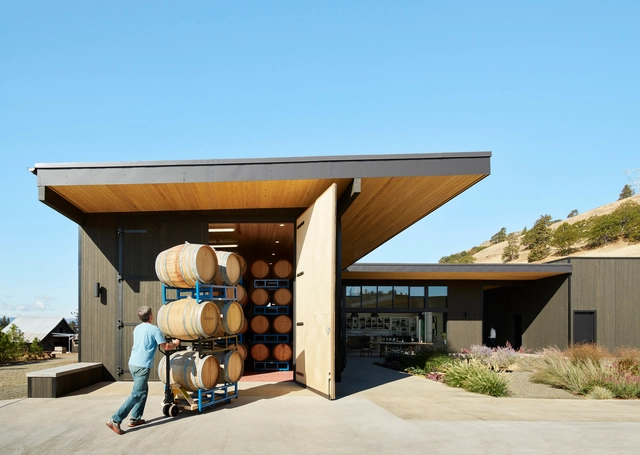
Wine production is an industry that combines robust economic activity with an extensive cultural legacy. Although there are several programs related to the wine sector, we commonly find spaces dedicated to the process of fermenting grapes into wine. However, there are a variety of duties grouped around wine production that play an important role in boosting the industry, such as tasting rooms, education centers, sales rooms, or broadcast. Below, a selection of 27 inspiring projects of wine architecture.
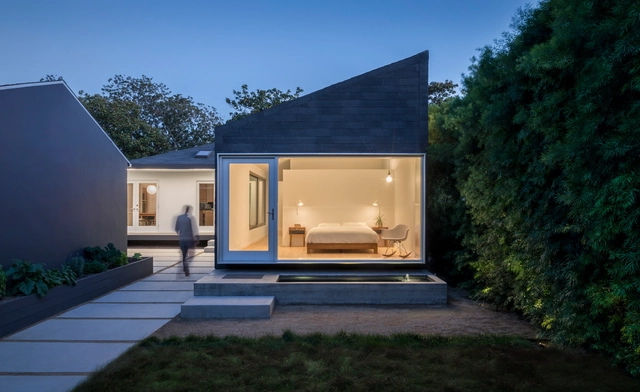
The American Institute of Architects (AIA) has selected eleven recipients in its 2018 Small Projects Awards. Established fifteen years ago by AIA’s Small Project Practitioners, the program “recognizes small-project practitioners for the high quality of their work” and “aims at raising awareness about the value and design excellence that architects can bring to projects, no matter their size or scope.”


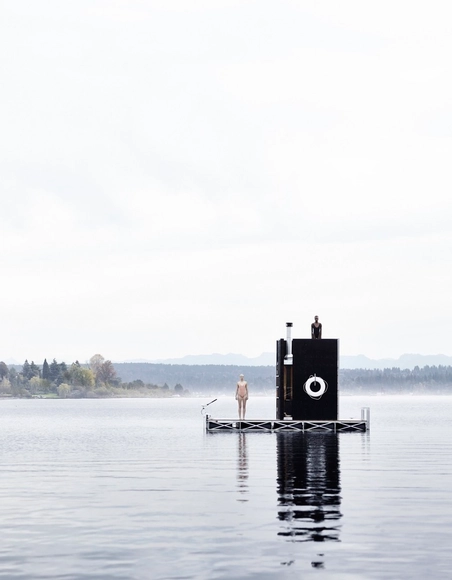
Spas, swimming pools, and saunas are spaces to which we turn in search of positive experiences, especially healing and sanitation. What characterizes all of these spaces is a requirement to wear little clothing--or even none at all--meaning that these spaces have very different expectations regarding nudity, privacy, and the human body when compared to other forms of architecture. From the point of view of design, nudity requires specific spatial conditions, forcing architects to think carefully about details such as the opacity of materials and the dimensions of space. With this in mind, this week we present a selection of the 15 best images of healing spaces, captured by renowned photographers such as Kevin Scott, Clément Guillaume, and Marcello Mariana.
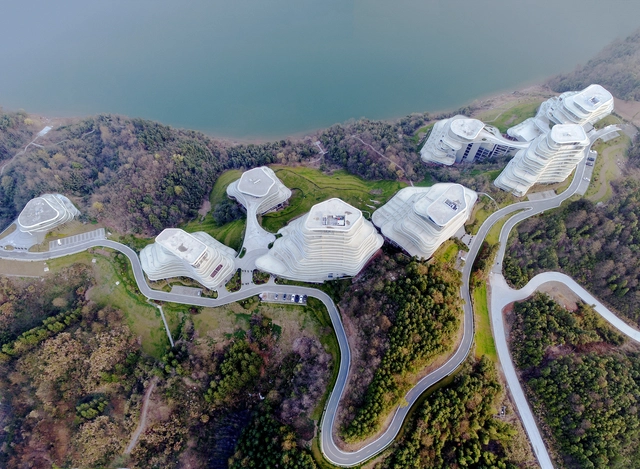
At ArchDaily, we're lucky enough to know a fantastic network of architecture professionals, allowing us to share the world's best architecture with our audience. But our articles wouldn't be the same without the many photographers who dedicate themselves to making incredible, inspiring images. For that reason, here we present the 50 most popular architecture images of 2017.
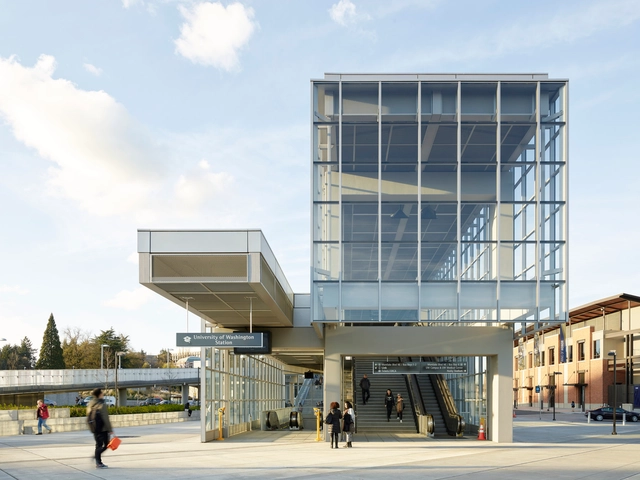
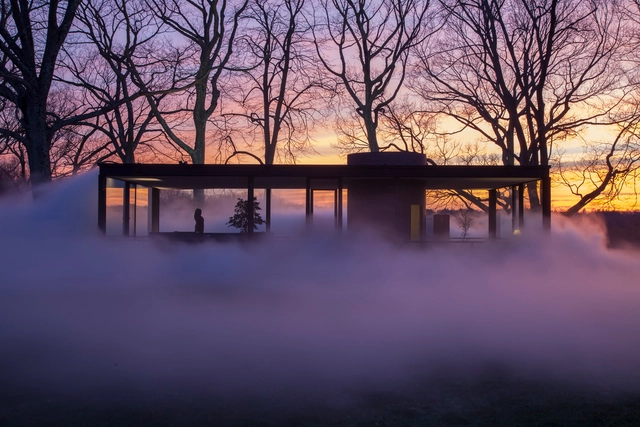
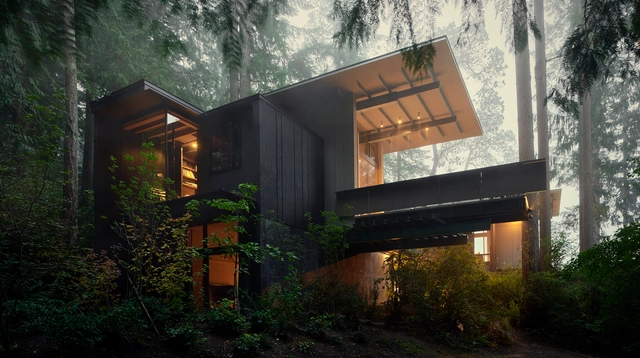
Taking photographs in fog can be an experience as chaotic as it is enchanting. Although working with this phenomenon can be risky, since fog dramatically modifies the available light and the atmosphere of a scene, if you know how to take advantage of it, the result can lead to perfect photographs. Below is a selection of 10 images from prominent photographers such as Kevin Scott, Richard Barnes, and Koichi Torimura.
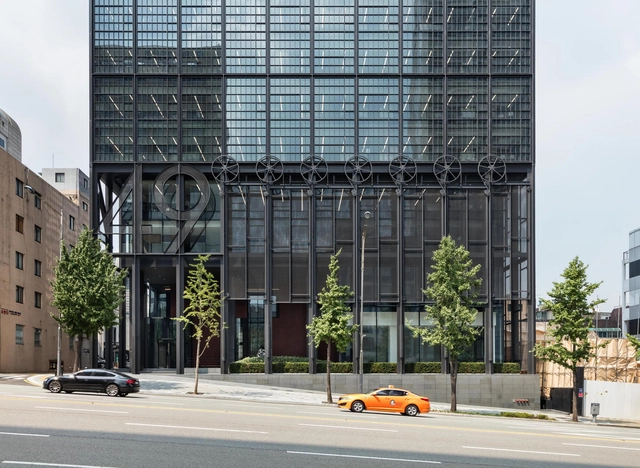
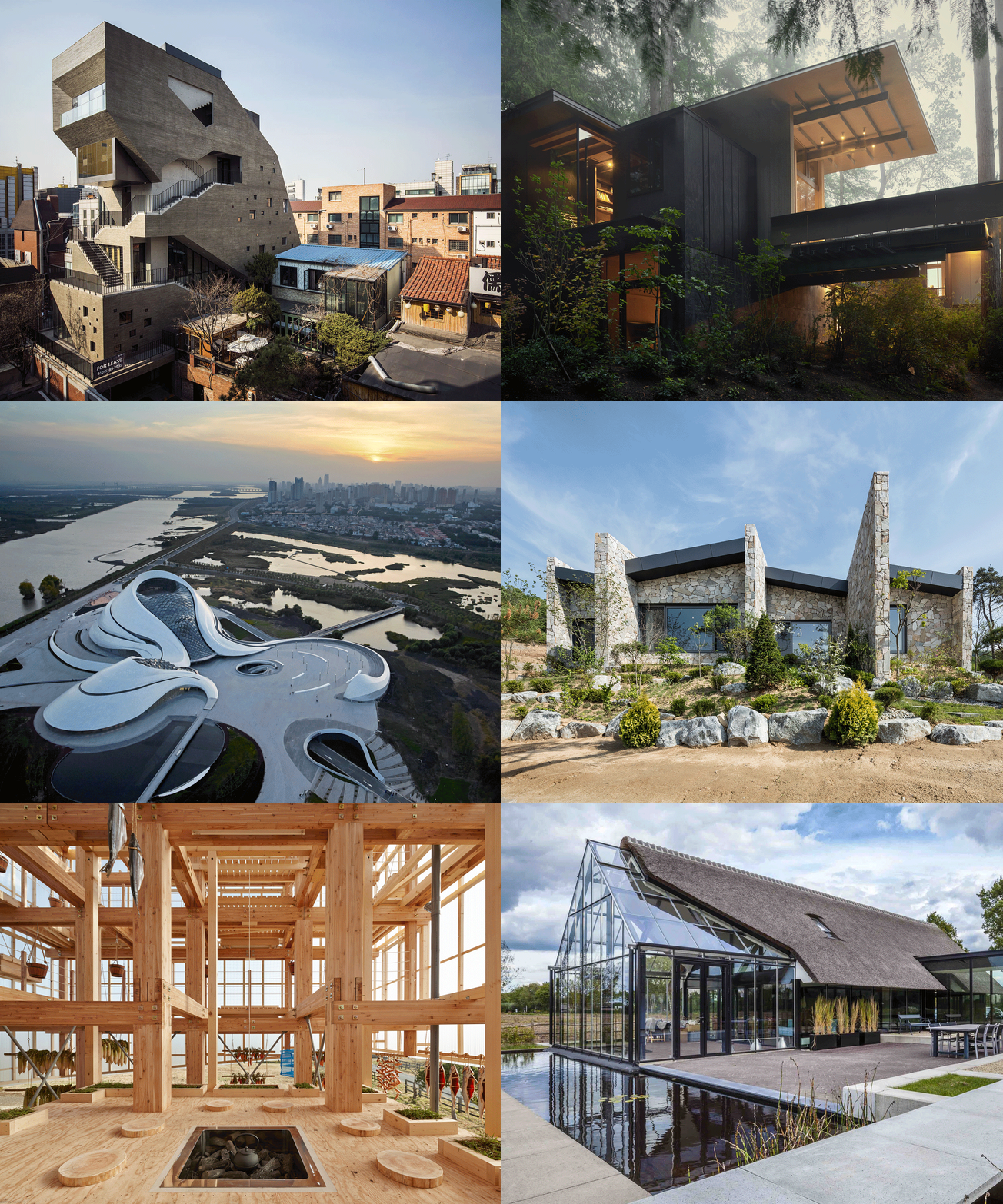
This August 19th is World Photo Day, which celebrates photography on the anniversary of the day on which France bought the patent for the daguerreotype, one of the earliest photographic processes, and released it to the world for free in 1839. At ArchDaily, we understand the importance of photography in architecture—not only as a tool for recording designs, but also as a discipline that many of us enjoy. To celebrate the occasion, we decided to reveal the most popular images ever published on ArchDaily, as selected by you, our readers. Using data gathered from My ArchDaily, we have ranked the 100 most-saved images from our database; read on to see them.
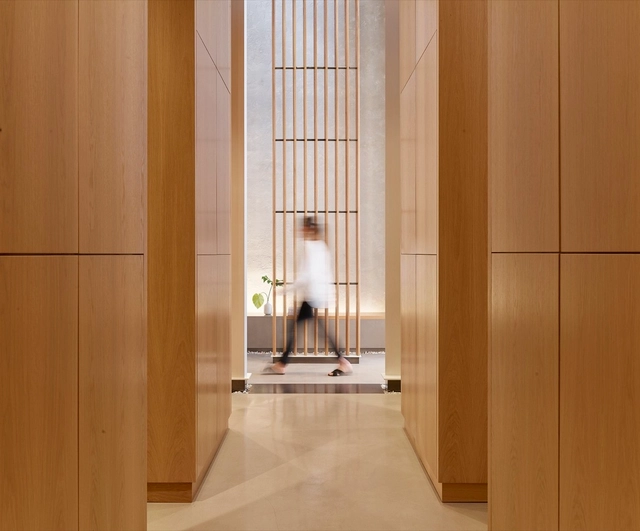
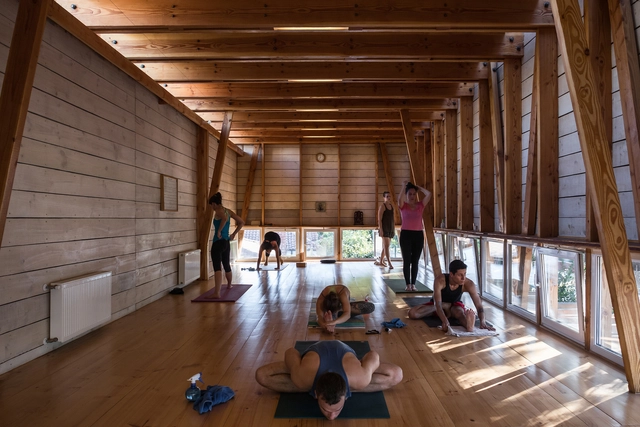
For several decades, a set of oriental practices and techniques have strongly infiltrated the western world. A new program that, as architects, we must start solving more often, and that poses interesting challenges from the point of functional, environmental, and aesthetic.
These disciplines are completely focused on the human being, as they seek to work and satisfy their physical, psychological and spiritual needs, and that's why it seems important to analyze how these needs are being met spatially by architects. Many of the operations taken in these spaces create enabling environments for reflection, introspection, healing, and therefore could also be applied in other relevant programs, such as housing, educational, hospital, and even office spaces.
This article seeks to draw lessons from some projects already published on our site, in order to perform a kind of guide for designs that helps our community of readers to find inspiration more effectively.


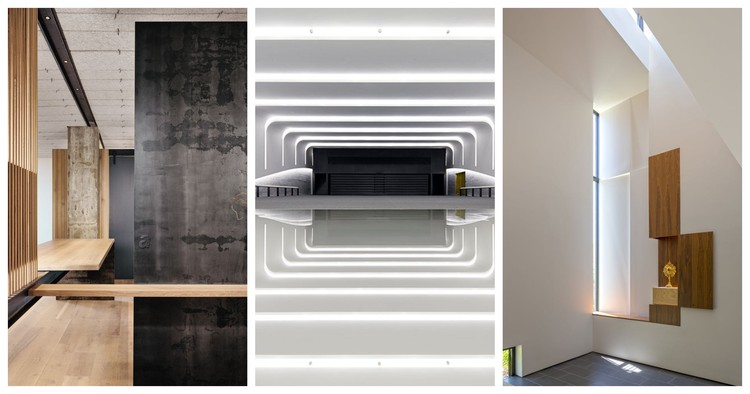
_Kevin_Scott_-_Lake_Washington_Residence_(15).jpg?1544640050&format=webp&width=230&height=230&crop=true)
_Kevin_Scott_-_Lake_Washington_Residence_(8).jpg?1544639977&format=webp&width=230&height=230&crop=true)
_Kevin_Scott_-_Lake_Washington_Residence_(18).jpg?1544640100&format=webp&width=230&height=230&crop=true)
_Kevin_Scott_-_Lake_Washington_Residence_(1).jpg?1544639946&format=webp&width=230&height=230&crop=true)
_Kevin_Scott_-_Lake_Washington_Residence_(2).jpg?1544639921)


.jpg?1528168523&format=webp&width=230&height=230&crop=true)





.jpg?1476369871&format=webp&width=230&height=230&crop=true)